
 معاينة الحجم الحقيقي
 مشاركة
 مشاركة
 التفاصيل

 تحميل الملف
 قطع مشابهة
 الأشعة السينية
 عرض شرائح
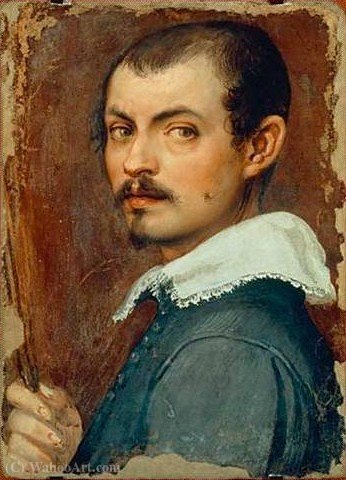
Self portrait

 عرض المزيد
نسخة زيتية مصنوعة يدوياً
لوحة زيتية مرسومة يدوياً على الكانفاس بالمقاس والإطار الذي تفضله، تُنفذ حسب الطلب على أيدي فنانينا. ( اشترِ نسخة مطبوعة اشترِ الصورة)




































اختر من بين أحجامنا المُعدّة مسبقًا والتي تتطابق مع النسب الأصلية للعمل الفني.

يمكنك إدخال أبعادك الخاصة لتناسب إطارًا معينًا أو مساحة محددة. وإذا لم يتطابق الحجم الذي اخترته مع نسب الصورة الأصلية، فسنقوم إما بقص العمل الفني أو توسيع اللوحة بإضافة عناصر مرسومة يدويًا. سيتم إرسال نموذج رقمي إليك للموافقة عليه قبل بدء الإنتاج.
يرجى ملاحظة أن المعاينة على الشاشة لا تعكس عملية القص أو التوسيع الفعلية؛ حيث إن النموذج الرقمي وحده هو الذي سيوضح التكوين النهائي بدقة.
وعلى الرغم من توفر أحجام مخصصة، إلا أننا نوصي باختيار أبعاد من القائمة المحددة مسبقًا للحفاظ على النسب الأصلية للعمل الفني.
بعد إتمام الطلب، سيرسل فريق OriginalUniqueArt.com بريداً إلكترونياً للعميل لطلب التعليمات وتزويده بمعاينة تجريبية (mockup).
توصيل عالمي إلى خلال 3 إلى 4 أسابيع بدلاً من المدة المعتادة البالغة 5 أسابيع. (20 أغسطس). جودة لا تهاون فيها.

شحن سريع ومجاني لجميع أنحاء العالم

قماش كتان عالي الجودة

تأمين شحن شامل

ضمان استرداد الرسوم الجمركية

ضمان مطابقة الألوان الحقيقية

سياسة الإرجاع خلال 60 يومًا (في حالات العيوب فقط)

ضمان استرداد نقدي بنسبة 100%

خصم عند طلب عدة قطع
 خيار الزجاج متاح فقط للمقاسات التي تقل عن 110 سم

Self portrait
خامة إعادة الإنتاج
مقاس النسخة المطبوعة
-


السعر الإجمالي النهائي
$ 300
السيرة الذاتية للفنان
Giovanni da San Giovanni: A Florentine Baroque Visionary
Giovanni da San Giovanni (1592 – 1899), born in San Giovanni Valdarno, Italy, stands as a pivotal figure within the Florentine Baroque artistic landscape. Though overshadowed by contemporaries like Caravaggio and Artemisia Gentileschi, his contribution to the era’s expressive power and sensual exploration of mythological narratives remains significant. His life was marked by both artistic ambition and personal hardship, shaping the trajectory of his oeuvre and cementing his place in art history.- Early Life & Training: Born into a family of artists—his father, Alessandro da San Giovanni Valdarno, was also a painter—Giovanni received an exceptional formative education steeped in humanist ideals and artistic tradition. He honed his skills under the tutelage of Federico Zuccarelli, mastering techniques that would define his distinctive style.
- Career Highlights: Giovanni’s professional life unfolded primarily in Naples, where he established himself as a respected painter and teacher. His workshop produced numerous commissions for aristocratic patrons, reflecting the vibrant cultural milieu of the Bourbon court. Notably, he collaborated on monumental frescoes adorning churches throughout Campania, showcasing his mastery of fresco painting and dramatic composition.
A Style Defined by Sensuality & Dramatic Light
Giovanni’s artistic style is characterized by a profound engagement with Baroque aesthetics—specifically the influence of Caravaggio. Like Caravaggio, he employed tenebrism – a technique utilizing stark contrasts between light and dark – to heighten emotional impact and create an illusionistic depth within his paintings. This dramatic chiaroscuro was skillfully deployed to sculpt figures and imbue scenes with palpable energy. Furthermore, Giovanni’s compositions frequently depict mythological subjects imbued with sensual beauty and psychological complexity. His depictions of goddesses and heroes are rendered with meticulous attention to anatomical detail and expressive gestures, conveying a sense of movement and emotion that transcends mere representation.- Notable Works: Among his most celebrated paintings is “Aurora and Tithonus,” a monumental fresco housed in the Museo Nazionale di Napoli. This masterpiece exemplifies Giovanni’s stylistic prowess—the luminous depiction of Aurora bathing Tithonus captures the ethereal beauty of classical mythology while simultaneously conveying profound contemplation. Another significant piece is "Self Portrait," which offers an intimate glimpse into the artist's artistic vision and demonstrates his command of portraiture.
- Influence & Legacy: Giovanni’s work resonated deeply with subsequent generations of artists, particularly those influenced by Neoclassicism. His meticulous observation of anatomy and his masterful use of chiaroscuro served as a benchmark for stylistic excellence. Though largely forgotten during the 19th century, Giovanni da San Giovanni experienced a revival in interest during the early 20th century thanks to scholars like Roberto Bagnasco who championed his artistic achievements.
Giovanni Baglione’s Compendium & The Importance of Observation
Giovanni da San Giovanni's legacy is inextricably linked to Giovanni Baglione’s “Le Vite dei Pittori, Scultori et Architetti,” published in 1642. This monumental biographical treatise meticulously documented the lives and careers of artists active during Baglione’s lifetime—a period marked by the flourishing Baroque movement in Rome. Baglione's account provides invaluable insight into the artistic environment of the era, capturing not only factual details but also personal impressions and stylistic debates. While Baglione’s biases are evident, his book remains a cornerstone of art historical scholarship, offering a firsthand perspective on the personalities and achievements that shaped Baroque art.- Further Research: For deeper exploration into Giovanni da San Giovanni's artistic life and oeuvre, consult scholarly publications focusing on Florentine Baroque painting and Neoclassical influences. Museums housing his works—particularly the Museo Nazionale di Napoli—offer opportunities to appreciate his masterful artistry firsthand.
Giovanni da San Giovanni
1592 - 1899 , Italy
حقائق سريعة
- Artistic Movement Or Style: Baroque
- Artists Or Movements Influenced By This Artist: ['Late Mannerism']
- Artists Who Influenced This Artist: ['Caravaggio']
- Date Of Birth: 1592
- Date Of Death: 1899
- Full Name: Giovanni da San Giovanni
- Nationality: Italian
- Notable Artworks:
- Aurora and Tithonus
- Self portrait
- Place Of Birth: San Giovanni Valdarno, Italy
مقالات ذات صلة
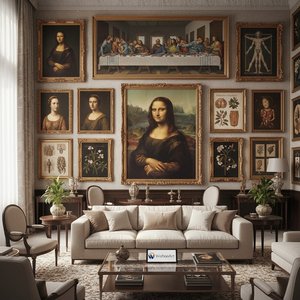
أروع 25 لوحة لليوناردو دافنشي: تحف فنية لتزيين منزلك بجمال الخلود
اكتشف أروع 25 لوحة لليوناردو دافنشي، رائد فن عصر النهضة. قصص فنية آسرة وتقنيات فريدة في أعماله الخالدة مثل الموناليزا والعشاء الأخير. زيّن منزلك بتحف فنية فاخرة على OriginalUniqueArt.com

Drama and Light: A Definitive Guide to the Italian Baroque Masterpieces and the Revolution of Chiaroscuro
Explore the dramatic world of Italian Baroque art. Discover how masters like Caravaggio used chiaroscuro and tenebrism to revolutionize painting through light, shadow, and profound realism. A definitive guide for history lovers and art collectors.

أعلى 10 روائع باروكية رسمت مسار الفن وجمالية الديكور | OriginalUniqueArt
اكتشف روائع عصر الباروك! استكشف 10 لوحات فنية خالدة مع كارافاجيو، رامبرانت وغيرهم. تاريخ الفن، أسلوب باروكي مذهل، و ديكور منزلي فاخر. تسوق إعادة إنتاج فني عالي الجودة على OriginalUniqueArt.com
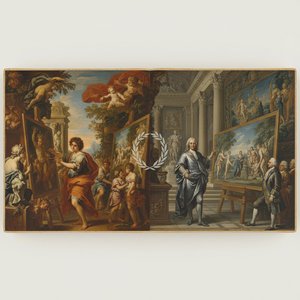
Simon Vouet: A Baroque Master's Journey from Italian Influence to French Classicism
Explore the life & art of Simon Vouet, a pivotal French Baroque painter who introduced Italian styles to France. Discover his masterpieces and lasting influence on 17th-century art.
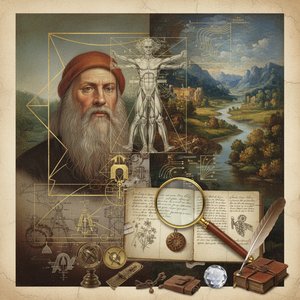
Leonardo da Vinci: A Renaissance Master’s Synthesis of Art, Science & Human Observation – Reinterpreted for the Collector
Explore Leonardo da Vinci’s timeless masterpieces with OriginalUniqueArt. Discover insights into his art, science, and legacy – trusted expertise for discerning collectors seeking authentic reproductions & investment opportunities.

