

 معاينة الحجم الواقعي
 إرسال
إرسال مشاركة
 عرض التفاصيل
 دليل الأعمال الفنية للطلاب

 تحميل
تحميل
 قطع مشابهة
 الأشعة السينية
 عرض شرائح متتابع
 الإحصائيات
Políptico Baroncelli 2

 اقرأ المزيد
طباعة جيلي / مطبوعات فنية
طباعة جيكلي أو كانفاس بجودة المتاحف، مع سرعة في التنفيذ وخيارات متنوعة للتشطيب. ( اطلب نسخة مرسومة يدويًا التحويل إلى الصورة الرقمية)




P118B E£10

P118H E£10

P118W E£10

P438Z E£10

P508JH E£12

P508YH E£12

P805H E£10

P805Z E£10

P919BZ E£10

P919G E£10

P919XJ E£10

P959ZH E£10

P968JZ E£12

W106C E£8

W218G E£10

W218JH E£8

W218Y E£10

W307PJ E£10

W316G E£10

W316PJ E£8

W316Y E£10

W398PJ E£8

W4111J E£10

W500HY E£15

W500JH E£15

W692G E£12

W849H E£8

W940BG E£15

W953PJ E£8




اختر من بين أحجامنا المُعدّة مسبقاً والتي تتوافق مع النسب الأصلية للعمل الفني.

أدخل العرض والارتفاع اللذين تحتاجهما، ليتناسب مع إطارك أو جدارك. يمكن قص المطبوعة فقط، ولا يمكن أبداً جعلها أكبر من الصورة الأصلية، لذا فإن أي مقاس بشكل مختلف سيؤدي إلى فقدان جزء من الصورة. سنرسل لك نموذجاً رقمياً تجريبياً لاعتماده قبل البدء في عملية الطباعة. الصورة المعروضة في هذه الصفحة لا توضح القص الفعلي — النموذج التجريبي فقط هو ما يظهر ذلك.
توصيل عالمي إلى خلال أسبوعين بدلاً من المدة القياسية البالغة 4/5 أسابيع. (23 أكتوبر)

شحن سريع ومجاني لجميع أنحاء العالم

قماش كتان فاخر

تأمين شامل على الشحن

ضمان استرداد الرسوم الجمركية

ضمان دقة مطابقة الألوان

سياسة الإرجاع خلال 100 يوم (في حالات العيوب فقط)

ضمان استرداد نقدي بنسبة 100%

عرض خصم الكميات
 خيار الزجاج متاح فقط للمقاسات التي تقل عن 110 سم

Políptico Baroncelli 2
طباعة جيلي / مطبوعات فنية
مقاس النسخة المطبوعة
-


إجمالي السعر
E£ 4136
The Baroncelli Polyptych: Giotto’s Dawn of Realism
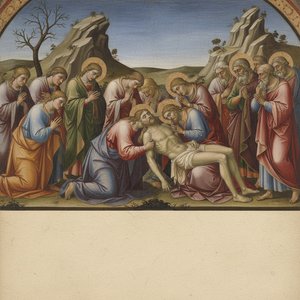
Giotto di Bondone's Políptico Baroncelli (circa 1308-1310) stands as a pivotal work, marking a dramatic departure from the stylized conventions of Byzantine art and firmly establishing the foundations for the burgeoning Renaissance. This magnificent altarpiece, now housed in the Museo Civico di Padova, Italy, offers a remarkably intimate glimpse into a religious gathering – likely depicting a scene from the life of Christ – through an unprecedented level of naturalism and emotional depth. It’s not merely a depiction of figures; it's a portrayal of human experience, imbued with a palpable sense of drama and immediacy that was revolutionary for its time.
The polyptych format—a hinged panel painting divided into multiple sections—was common in the Gothic period, but Giotto’s execution transcends mere structural convention. He abandons the flattened perspectives and hieratic scale characteristic of Byzantine art, opting instead for a more three-dimensional space achieved through careful observation and manipulation of light and shadow. The archway dominating the scene isn't just an architectural element; it acts as a visual anchor, drawing the viewer’s eye into the heart of the gathering. Notice how Giotto subtly employs atmospheric perspective – distant figures are rendered in paler hues, creating a convincing illusion of depth.
A Tableau of Medieval Life
The scene unfolds with a remarkable attention to detail. Fourteen individuals populate the composition, each rendered with individualized features and clothing styles that suggest a diverse social milieu. The red hats worn by several figures are particularly striking – a subtle yet significant detail hinting at their status or role within the community. Observe the musicians: two violins and a lute, instruments of considerable expense and prestige, underscore the importance of music in religious ceremonies. Giotto masterfully captures not just their physical appearance but also their gestures and expressions, conveying a sense of engagement and participation.
The clothing itself is a fascinating window into 14th-century life. The fabrics are richly textured, and the details—the folds of robes, the embroidery on garments—are meticulously rendered. Giotto’s skill in depicting textiles was unparalleled; he understood how light interacted with different materials, creating a sense of tactile realism that was groundbreaking for its time. This commitment to accurate representation extended beyond mere fashion; it reflected a broader interest in capturing the complexities and nuances of human existence.
Symbolism and Emotional Resonance
Beyond its technical brilliance, the Políptico Baroncelli is rich in symbolic meaning. The gathering itself represents communal faith and devotion, while the archway symbolizes the entrance to a sacred space. The figures’ expressions—a mixture of reverence, contemplation, and perhaps even joy—suggest a profound emotional connection to their beliefs. Giotto wasn't simply illustrating a biblical narrative; he was conveying the *feeling* of religious experience.
Crucially, Giotto’s use of color is restrained yet effective. He avoids the lavish gold backgrounds favored by Byzantine artists, opting instead for a more muted palette that emphasizes the naturalism of his figures and setting. This shift in emphasis—from spiritual transcendence to earthly representation—is a defining characteristic of Giotto's style and a key element in the transition from medieval to Renaissance art. The Políptico Baroncelli is, therefore, not just a beautiful painting; it’s a testament to Giotto’s revolutionary vision and his enduring legacy as one of the most influential artists in Western history.
Bringing Giotto's Vision Home
OriginalUniqueArt.com offers meticulously crafted hand-painted reproductions of the Políptico Baroncelli, allowing you to experience the artistry and emotional power of this iconic masterpiece in your own space. Our reproductions faithfully capture Giotto’s nuanced details, vibrant colors, and profound sense of realism, bringing a touch of Renaissance brilliance into any room. Explore our collection today and discover how you can possess a piece of art history.
الأسئلة والأجوبة
أين يمكنني مشاهدة معاينة لـ "Políptico Baroncelli 2"؟
يمكنك معاينة "Políptico Baroncelli 2" للفنان جوتو دي بوندوني عبر صفحة معاينة الخاصة بالعمل الفني.
ما مدى تشبع لوحة ألوان "Políptico Baroncelli 2"؟
تتميز ألوان "Políptico Baroncelli 2" للفنان جوتو دي بوندوني بدرجة تشبع Vivid Color. ويصف التشبع مدى حيوية الألوان أو خفوتها.
إلى أي مرحلة من مراحل تطور جوتو دي بوندوني ينتمي العمل "Políptico Baroncelli 2"؟
ينتمي العمل "Políptico Baroncelli 2" إلى الفترة Late Medieval من مسيرة جوتو دي بوندوني المهنية، ويربط هذا التصنيف العمل بمراحل تطور الفنان.
نبذة عن الفنان
جوتو دي بوندوني: رائد الواقعية والتعبير في الفن الإيطالي
في قلب توسكانا، وعلى سفوح التلال التي تحتضن فلورنسا، وُلد جوتو دي بوندوني حوالي عام 1267، ليصبح أحد أكثر الشخصيات تأثيرًا في تاريخ الفن. لم يكن مجرد فنان، بل كان ثورة بصرية، جسد التحول من القيود الأسلوبية للعصور الوسطى إلى آفاق عصر النهضة. تقول الأسطورة أن جوتو، وهو صبي يرعى الغنم، رسم أغنامه على الصخور بدقة مذهلة، لفتت انتباه الفنان العظيم تشيمابوي، الذي أخذه تحت رعايته. سواء كانت هذه القصة حقيقية أم مجرد رمز، فإنها تلخص جوهر موهبة جوتو: قدرة فطرية على التقاط العالم الطبيعي بعمق عاطفي وواقعية لم يسبق لها مثيل.
تعلم جوتو من تشيمابوي تقنيات الرسم، لكنه سرعان ما تجاوز أستاذه. كان الفن البيزنطي السائد في ذلك الوقت يعتمد على شخصيات مجردة، ومنظور مسطح، وخلفيات ذهبية فاخرة – رموز للتسامي الروحي أكثر من كونها تمثيلات دنيوية. بينما سعى جوتو إلى تصوير البشرية ليس كأيقونات أثيرية، بل كأفراد يتمتعون بمشاعر حقيقية، ويعيشون في فضاء ملموس. بدأ يلاحظ الضوء والظل ليس كمجرد عناصر زخرفية، بل كأدوات لنحت الأشكال وخلق العمق. هذا الميل نحو الواقعية الناشئة كان واضحًا في مساهماته في الفسيفساء في الكنيسة العلوية لسان فرانسيس في أسيزي – على الرغم من أن نسبة جوتو فيها لا تزال موضع نقاش، إلا أن العديد من العلماء يعترفون بلمسته في مشاهد تظهر انحرافًا ملحوظًا عن الجماليات البيزنطية السائدة. لم يكن جوتو يرفض التقاليد فحسب، بل كان يبني عليها، ويغرس الأشكال الراسخة بحس إنساني جديد ورنين عاطفي.
الفضاء والعمق: الفسيفساء في كنيسة سكروفيجي
تعتبر الفسيفساء في كنيسة سكروفيجي (المعروفة أيضًا باسم كنيسة الساحة) في بادوا تحفة فنية لا مثيل لها، وهي تتويج لرحلة جوتو الفنية. بين عامي 1305 و 1310، حول جوتو هذه الكنيسة الصغيرة إلى عالم من المشاهد المذهلة التي تصور قصة حياة المسيح والعذراء مريم. لم تكن هذه الفسيفساء مجرد زخرفة دينية؛ بل كانت سردًا بصريًا قويًا، مليئًا بالعواطف والتفاصيل الواقعية. الشخصيات ليست مجرد رموز مقدسة، بل هي بشر حقيقيون يعانون ويحبون ويفرحون ويحزنون. يستخدم جوتو المنظور بطريقة مبتكرة لخلق وهم بالعمق، مما يجذب المشاهد إلى قلب الحدث. المشهد الجذّاب للحكم الأخير، الذي يغطي أحد جدران الكنيسة بأكملها، هو شهادة قوية على مهارة جوتو في تصوير كل من العظمة الإلهية والضعف البشري.
ما وراء الفسيفساء: الهندسة المعمارية والتأثير الدائم
لم يقتصر إبداع جوتو على الفسيفساء؛ فقد كان أيضًا مهندسًا معماريًا موهوبًا. في عام 1334، تم تكليفه بتصميم الجرس (البرج) لكاتدرائية فلورنسا، وهو مشروع أظهر نهجه المبتكر في الشكل المعماري. على الرغم من وفاته قبل اكتماله، إلا أن تصاميمه وضعت الأساس لهذا المعلم الفلورنسي الشهير. كان تأثيره على الأجيال اللاحقة من الفنانين لا يُقاس. لقد جسر الفجوة بين العصور الوسطى وعصر النهضة، ومهد الطريق لإنجازات فنانين عظماء مثل ماساشيو وليوناردو دا فينشي ومايكل أنجلو. وصف جورجيو فاساري، في كتابه "حياة الفنانين"، جوتو بأنه "منحه الفن العظيم تقنية الرسم من الحياة"، وهو شهادة على تأثيره العميق على مسار الفن الغربي.
إرث جوتو: نقطة تحول في تاريخ الفن
لم يقتصر إرث جوتو على التقنيات الجديدة التي قدمها، بل امتد إلى تغيير الطريقة التي نظر بها الناس إلى الفن. لقد أظهر أن الفن يمكن أن يكون أكثر من مجرد تمثيل رمزي للعالم الروحي؛ يمكن أن يكون وسيلة للتعبير عن المشاعر الإنسانية، ورواية القصص، والاحتفاء بجمال العالم المادي.
- ثورة في الرسم: تحول من التجريد البيزنطي إلى الواقعية والتعبير العاطفي.
- رائد المنظور: قدم تقنيات لخلق العمق والوعي المكاني في اللوحات.
- سرد القصص الماهر: ابتكر حكايات مقنعة من خلال دورات الفسيفساء، مثل كنيسة سكروفيجي.
- مساهمات معمارية: صمم الجرس لكاتدرائية فلورنسا، مما يدل على مهاراته المعمارية.

جوتو دي بوندوني
1267 - 1337 , إيطاليا
لمحة سريعة
- أعمال فنية بارزة:
- كنيسة سكروفيني
- الماドンنا في أوجنيسانتي
- برج الجرس
- الاسم الكامل: جيوتو دي بوندوني
- الجنسية: إيطالي
- الحركة الفنية: النهضة المبكرة
- الفنانون المؤثرون: ['سيمابوي']
- الفنانون المتأثرون:
- ماسّاشيو
- النهضة الفنية
- تاريخ الميلاد: ج. 1267
- مكان الميلاد: فلورنسا، إيطاليا
مقالات ذات صلة
Late Medieval Masterpieces: 10 Artworks That Defined an Era | OriginalUniqueArt
Journey through 10 defining Late Medieval masterpieces – from Giotto's frescoes to Jan van Eyck’s realism. Explore the stories, techniques & vibrant colors of Gothic art. Find museum-quality reproductions and elevate your home decor with OriginalUniqueArt.com! Discover all masterpieces on OriginalUniqueArt.com
أفضل 25 لوحة لجوتو دي بوندوني: تحف فنية لتزيين منزلك بأناقة
اكتشف أروع 25 لوحة لجوتو دي بوندوني، رائد فن عصر النهضة. استكشف قصصًا فنية خالدة وتقنيات فريدة وألوانًا آسرة. احصل على نسخ عالية الجودة لتزيين منزلك بأناقة رفيعة على OriginalUniqueArt.com
Late Gothic Art: The Divine Transition from Medieval Symbolism to Renaissance Naturalism
Explore the profound transition of Late Gothic art from medieval symbolism to Renaissance naturalism. Discover the elegance of International Gothic, the legacy of Master Theodoric, and the evolution of European courtly masterpieces through an expert art-historical lens.
Proto-Renaissance Masters: 10 Artworks That Changed History | OriginalUniqueArt
Journey back to the dawn of Renaissance art! Explore 10 iconic Proto-Renaissance masterpieces by Giotto, Cimabue & Duccio. Discover their stories, techniques & lasting impact. Find museum-quality reproductions for your home at OriginalUniqueArt.com
Giotto di Bondone: Revolutionizing Late Medieval Painting through Narrative Innovation
Explore the revolutionary art of Giotto di Bondone! Discover his groundbreaking techniques, iconic frescoes like those in the Arena Chapel, and lasting impact on Renaissance painting. A deep dive for art enthusiasts.




![سكروفيني - [05] - حلم يواكيم](/media/artworks/images-thumb/8f/67/8f67bb5da87296bd452b3f0b237b528d.jpg)


