

 معاينة الحجم الواقعي
 إرسال
إرسال مشاركة
 عرض التفاصيل
 دليل الأعمال الفنية للطلاب

 تحميل
تحميل
 قطع مشابهة
 الأشعة السينية
 عرض شرائح متتابع
 الإحصائيات
justice


 اقرأ المزيد
نسخة زيتية مصنوعة يدوياً
لوحة زيتية مرسومة يدوياً على الكانفاس بالمقاس والإطار الذي تفضله، تُنفذ حسب الطلب على أيدي فنانينا. ( التبديل إلى المطبوعات التحويل إلى الصورة الرقمية)




P118B E£10

P118H E£10

P118W E£10

P438Z E£10

P508JH E£12

P508YH E£12

P805H E£10

P805Z E£10

P919BZ E£10

P919G E£10

P919XJ E£10

P959ZH E£10

P968JZ E£12

W106C E£8

W218G E£10

W218JH E£8

W218Y E£10

W307PJ E£10

W316G E£10

W316PJ E£8

W316Y E£10

W398PJ E£8

W4111J E£10

W500HY E£15

W500JH E£15

W692G E£12

W849H E£8

W940BG E£15

W953PJ E£8




اختر من بين أحجامنا المُعدّة مسبقاً والتي تتوافق مع النسب الأصلية للعمل الفني.

أدخل العرض والارتفاع اللذين تحتاجهما، ليتناسب العمل مع إطارك أو جدارك. وبما أن هذه اللوحة مرسومة يدوياً، ففي حال اختيار مقاس بشكل مختلف، يمكن للفنان رسم مساحة إضافية حول الصورة أو تقليصها قليلاً — الخيار لك. سنرسل لك نموذجاً رقمياً تجريبياً لاعتماده قبل البدء في الرسم. علماً بأن الصورة المعروضة في هذه الصفحة لا تعكس النتيجة النهائية الحقيقية — فالنموذج التجريبي هو الوحيد الذي يوضح ذلك بدقة.
بعد إتمام الطلب، سيرسل فريق OriginalUniqueArt.com بريداً إلكترونياً للعميل لطلب التعليمات وتزويده بمعاينة تجريبية (mockup).
توصيل عالمي إلى خلال 3 إلى 4 أسابيع بدلاً من المدة المعتادة البالغة 5 أسابيع. (22 أكتوبر). جودة لا تهاون فيها.

شحن سريع ومجاني لجميع أنحاء العالم

قماش كتان فاخر

تأمين شامل على الشحن

ضمان استرداد الرسوم الجمركية

ضمان دقة مطابقة الألوان

سياسة الإرجاع خلال 100 يوم (في حالات العيوب فقط)

ضمان استرداد نقدي بنسبة 100%

عرض خصم الكميات
 خيار الزجاج متاح فقط للمقاسات التي تقل عن 110 سم

justice
وسيط إعادة الإنتاج
مقاس النسخة المطبوعة
-


إجمالي السعر
E£ 15425
The Weight of Justice: Giotto’s Vision in “Justice”
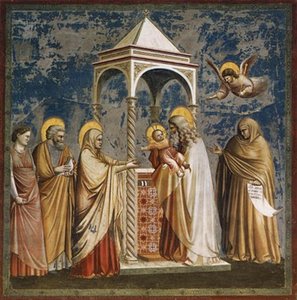
Giotto di Bondone's "Justice," painted circa 1305, isn’t merely a portrait; it’s a profound meditation on moral order and the very foundations of society. Emerging from his workshop in Padua, this fresco—now meticulously reproduced as a stunning oil painting by OriginalUniqueArt—captures a pivotal moment in art history: the Proto-Renaissance, where Giotto began to dismantle the rigid conventions of Byzantine iconography and embrace a more humanistic, emotionally resonant style. The image depicts a seated woman, embodying Justice herself, rendered with an unprecedented sense of realism and psychological depth that would define the Renaissance aesthetic. She’s not a distant, ethereal figure but a powerfully grounded presence, radiating authority yet imbued with a quiet dignity.
The composition is strikingly formal, echoing the architectural grandeur of the Arena Chapel where it resides. The woman sits within an ornate niche, reminiscent of Gothic architecture, its arches and columns framing her like a sacred space. Below her, a decorative frieze—a series of small sculpted figures—adds layers of symbolic detail, hinting at the consequences of both righteous action and unjust behavior. The careful use of lines – sharp angles defining the architectural elements, flowing curves in the drapery – creates a sense of stability and structure, reflecting the underlying order Giotto sought to convey. The palette is restrained, dominated by earthy tones—ochres, browns, and deep reds—that lend the scene an air of solemnity and gravitas.
A Study in Symbolism
Giotto’s genius lies not just in his technical skill but in his masterful deployment of symbolism. The woman herself is a complex figure, representing Justice as both a legal principle and a moral ideal. Her crown and regal attire signify her authority, while the scales she holds represent the weighing of evidence—the careful consideration required to render true justice. Crucially, Giotto doesn’t depict Justice as an abstract concept; he humanizes her, imbuing her with a palpable sense of empathy and responsibility. The inclusion of figures representing both virtue and vice beneath her throne underscores the ongoing struggle between good and evil that defines the human condition.
The architectural setting is equally laden with meaning. The niche itself can be interpreted as a representation of divine judgment, while the sculpted frieze below serves as a visual reminder of the consequences of actions—rewards for virtue and punishments for vice. Notably, Giotto’s depiction of Justice aligns closely with earlier medieval representations of the concept, but he elevates it through his newfound realism and emotional intensity. The figures are no longer stylized icons; they possess individual characteristics and expressions, inviting viewers to connect with them on a deeper level.
The Proto-Renaissance Breakthrough
“Justice” stands as a cornerstone of Giotto’s revolutionary approach to painting. He moved decisively away from the flattened perspectives and symbolic abstractions of Byzantine art, embracing instead a more naturalistic representation of space and form. This shift is evident in the way he renders the folds of the woman's clothing, the subtle modeling of her face, and the sense of depth created by the architectural setting. Giotto’s innovations—his use of light and shadow to create volume, his attention to anatomical detail, and his ability to convey emotion through gesture—laid the groundwork for the High Renaissance and profoundly influenced generations of artists to come.
The fresco's influence extends beyond its aesthetic qualities; it represents a fundamental shift in artistic philosophy. Giotto sought to capture not just the outward appearance of his subjects but also their inner lives, reflecting a growing interest in human psychology that would characterize the Renaissance. His work signaled a move towards portraying humanity with dignity and complexity—a departure from the more didactic and symbolic approach of medieval art.
Bringing “Justice” Home
Today, OriginalUniqueArt’s meticulously crafted oil reproduction captures the essence of Giotto's masterpiece with breathtaking fidelity. Each brushstroke faithfully recreates the fresco’s rich textures and nuanced colors, allowing you to experience the profound beauty and intellectual depth of this iconic work of art. Whether adorning a grand salon or a smaller study, “Justice” serves as a timeless reminder of the enduring power of art to illuminate our understanding of morality, justice, and the human condition.
- Explore high-quality reproductions at OriginalUniqueArt
الأسئلة والأجوبة
أين يُنصح بعرض العمل الفني "justice" بتنسيق Tall؟
يُنصح باستخدام تنسيق Tall لعمل "justice" للفنان جوتو دي بوندوني في Living Room. حيث يساهم كل من التنسيق والمساحة معاً في توجيه عملية وضع النسخة المطبوعة.
ما هي لوحة الألوان وما هو الشعور الذي يجمعه "justice"؟
في "justice"، ترافق ألوان Neutrals شعوراً بـ Reflective.
ما هو تنسيق "justice"؟
تأتي لوحة "justice" بتنسيق Tall، وهو أمر مفيد عند التخطيط لمكان وضع النسخة المطبعة.
نبذة عن الفنان
جوتو دي بوندوني: رائد الواقعية والتعبير في الفن الإيطالي
في قلب توسكانا، وعلى سفوح التلال التي تحتضن فلورنسا، وُلد جوتو دي بوندوني حوالي عام 1267، ليصبح أحد أكثر الشخصيات تأثيرًا في تاريخ الفن. لم يكن مجرد فنان، بل كان ثورة بصرية، جسد التحول من القيود الأسلوبية للعصور الوسطى إلى آفاق عصر النهضة. تقول الأسطورة أن جوتو، وهو صبي يرعى الغنم، رسم أغنامه على الصخور بدقة مذهلة، لفتت انتباه الفنان العظيم تشيمابوي، الذي أخذه تحت رعايته. سواء كانت هذه القصة حقيقية أم مجرد رمز، فإنها تلخص جوهر موهبة جوتو: قدرة فطرية على التقاط العالم الطبيعي بعمق عاطفي وواقعية لم يسبق لها مثيل.
تعلم جوتو من تشيمابوي تقنيات الرسم، لكنه سرعان ما تجاوز أستاذه. كان الفن البيزنطي السائد في ذلك الوقت يعتمد على شخصيات مجردة، ومنظور مسطح، وخلفيات ذهبية فاخرة – رموز للتسامي الروحي أكثر من كونها تمثيلات دنيوية. بينما سعى جوتو إلى تصوير البشرية ليس كأيقونات أثيرية، بل كأفراد يتمتعون بمشاعر حقيقية، ويعيشون في فضاء ملموس. بدأ يلاحظ الضوء والظل ليس كمجرد عناصر زخرفية، بل كأدوات لنحت الأشكال وخلق العمق. هذا الميل نحو الواقعية الناشئة كان واضحًا في مساهماته في الفسيفساء في الكنيسة العلوية لسان فرانسيس في أسيزي – على الرغم من أن نسبة جوتو فيها لا تزال موضع نقاش، إلا أن العديد من العلماء يعترفون بلمسته في مشاهد تظهر انحرافًا ملحوظًا عن الجماليات البيزنطية السائدة. لم يكن جوتو يرفض التقاليد فحسب، بل كان يبني عليها، ويغرس الأشكال الراسخة بحس إنساني جديد ورنين عاطفي.
الفضاء والعمق: الفسيفساء في كنيسة سكروفيجي
تعتبر الفسيفساء في كنيسة سكروفيجي (المعروفة أيضًا باسم كنيسة الساحة) في بادوا تحفة فنية لا مثيل لها، وهي تتويج لرحلة جوتو الفنية. بين عامي 1305 و 1310، حول جوتو هذه الكنيسة الصغيرة إلى عالم من المشاهد المذهلة التي تصور قصة حياة المسيح والعذراء مريم. لم تكن هذه الفسيفساء مجرد زخرفة دينية؛ بل كانت سردًا بصريًا قويًا، مليئًا بالعواطف والتفاصيل الواقعية. الشخصيات ليست مجرد رموز مقدسة، بل هي بشر حقيقيون يعانون ويحبون ويفرحون ويحزنون. يستخدم جوتو المنظور بطريقة مبتكرة لخلق وهم بالعمق، مما يجذب المشاهد إلى قلب الحدث. المشهد الجذّاب للحكم الأخير، الذي يغطي أحد جدران الكنيسة بأكملها، هو شهادة قوية على مهارة جوتو في تصوير كل من العظمة الإلهية والضعف البشري.
ما وراء الفسيفساء: الهندسة المعمارية والتأثير الدائم
لم يقتصر إبداع جوتو على الفسيفساء؛ فقد كان أيضًا مهندسًا معماريًا موهوبًا. في عام 1334، تم تكليفه بتصميم الجرس (البرج) لكاتدرائية فلورنسا، وهو مشروع أظهر نهجه المبتكر في الشكل المعماري. على الرغم من وفاته قبل اكتماله، إلا أن تصاميمه وضعت الأساس لهذا المعلم الفلورنسي الشهير. كان تأثيره على الأجيال اللاحقة من الفنانين لا يُقاس. لقد جسر الفجوة بين العصور الوسطى وعصر النهضة، ومهد الطريق لإنجازات فنانين عظماء مثل ماساشيو وليوناردو دا فينشي ومايكل أنجلو. وصف جورجيو فاساري، في كتابه "حياة الفنانين"، جوتو بأنه "منحه الفن العظيم تقنية الرسم من الحياة"، وهو شهادة على تأثيره العميق على مسار الفن الغربي.
إرث جوتو: نقطة تحول في تاريخ الفن
لم يقتصر إرث جوتو على التقنيات الجديدة التي قدمها، بل امتد إلى تغيير الطريقة التي نظر بها الناس إلى الفن. لقد أظهر أن الفن يمكن أن يكون أكثر من مجرد تمثيل رمزي للعالم الروحي؛ يمكن أن يكون وسيلة للتعبير عن المشاعر الإنسانية، ورواية القصص، والاحتفاء بجمال العالم المادي.
- ثورة في الرسم: تحول من التجريد البيزنطي إلى الواقعية والتعبير العاطفي.
- رائد المنظور: قدم تقنيات لخلق العمق والوعي المكاني في اللوحات.
- سرد القصص الماهر: ابتكر حكايات مقنعة من خلال دورات الفسيفساء، مثل كنيسة سكروفيجي.
- مساهمات معمارية: صمم الجرس لكاتدرائية فلورنسا، مما يدل على مهاراته المعمارية.

جوتو دي بوندوني
1267 - 1337 , إيطاليا
لمحة سريعة
- أعمال فنية بارزة:
- كنيسة سكروفيني
- الماドンنا في أوجنيسانتي
- برج الجرس
- الاسم الكامل: جيوتو دي بوندوني
- الجنسية: إيطالي
- الحركة الفنية: النهضة المبكرة
- الفنانون المؤثرون: ['سيمابوي']
- الفنانون المتأثرون:
- ماسّاشيو
- النهضة الفنية
- تاريخ الميلاد: ج. 1267
- مكان الميلاد: فلورنسا، إيطاليا
مقالات ذات صلة
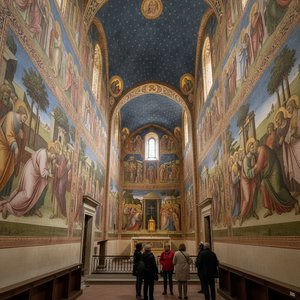
The Proto-Renaissance Revolution: How Giotto Shattered the Mold to Create Modern Visual Impact
Discover how the Proto-Renaissance shattered artistic norms. Explore Giotto’s revolutionary shift from flat Byzantine icons to raw human emotion and naturalism—the true origin of modern visual impact and storytelling in art history.

Gothic Vibes: From Dark Shadows to Bold Modern Edge | The Ultimate Trend Forecast
Explore the evolution of Gothic vibes, from historical shadows to bold modern edge. Discover how dark aesthetics, noir interiors, and contemporary subcultures are redefining modern design through a high-impact, trend-focused lens.
Proto-Renaissance Masters: 10 Artworks That Changed History | OriginalUniqueArt
Journey back to the dawn of Renaissance art! Explore 10 iconic Proto-Renaissance masterpieces by Giotto, Cimabue & Duccio. Discover their stories, techniques & lasting impact. Find museum-quality reproductions for your home at OriginalUniqueArt.com
أفضل 25 لوحة لجوتو دي بوندوني: تحف فنية لتزيين منزلك بأناقة
اكتشف أروع 25 لوحة لجوتو دي بوندوني، رائد فن عصر النهضة. استكشف قصصًا فنية خالدة وتقنيات فريدة وألوانًا آسرة. احصل على نسخ عالية الجودة لتزيين منزلك بأناقة رفيعة على OriginalUniqueArt.com
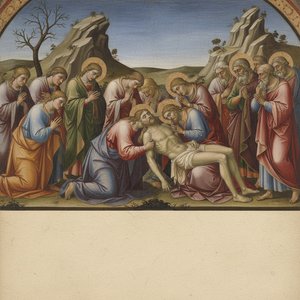
Giotto di Bondone: Revolutionizing Late Medieval Painting through Narrative Innovation
Explore the revolutionary art of Giotto di Bondone! Discover his groundbreaking techniques, iconic frescoes like those in the Arena Chapel, and lasting impact on Renaissance painting. A deep dive for art enthusiasts.




![سكروفيني - [05] - حلم يواكيم](/media/artworks/images-thumb/8f/67/8f67bb5da87296bd452b3f0b237b528d.jpg)


