

 معاينة الحجم الواقعي
 إرسال
إرسال مشاركة
 عرض التفاصيل
 دليل الأعمال الفنية للطلاب

 تحميل
تحميل
 قطع مشابهة
 الأشعة السينية
 عرض شرائح متتابع
 الإحصائيات
Inconstancy
 Proto-Renaissance
 1306
1306 120.0 x 55.0 cm
 اقرأ المزيد
طباعة جيلي / مطبوعات فنية
طباعة جيكلي أو كانفاس بجودة المتاحف، مع سرعة في التنفيذ وخيارات متنوعة للتشطيب. ( اطلب نسخة مرسومة يدويًا التحويل إلى الصورة الرقمية)




P118B E£10

P118H E£10

P118W E£10

P438Z E£10

P508JH E£12

P508YH E£12

P805H E£10

P805Z E£10

P919BZ E£10

P919G E£10

P919XJ E£10

P959ZH E£10

P968JZ E£12

W106C E£8

W218G E£10

W218JH E£8

W218Y E£10

W307PJ E£10

W316G E£10

W316PJ E£8

W316Y E£10

W398PJ E£8

W4111J E£10

W500HY E£15

W500JH E£15

W692G E£12

W849H E£8

W940BG E£15

W953PJ E£8




اختر من بين أحجامنا المُعدّة مسبقاً والتي تتوافق مع النسب الأصلية للعمل الفني.

أدخل العرض والارتفاع اللذين تحتاجهما، ليتناسب مع إطارك أو جدارك. يمكن قص المطبوعة فقط، ولا يمكن أبداً جعلها أكبر من الصورة الأصلية، لذا فإن أي مقاس بشكل مختلف سيؤدي إلى فقدان جزء من الصورة. سنرسل لك نموذجاً رقمياً تجريبياً لاعتماده قبل البدء في عملية الطباعة. الصورة المعروضة في هذه الصفحة لا توضح القص الفعلي — النموذج التجريبي فقط هو ما يظهر ذلك.
توصيل عالمي إلى خلال أسبوعين بدلاً من المدة القياسية البالغة 4/5 أسابيع. (21 أكتوبر)

شحن سريع ومجاني لجميع أنحاء العالم

قماش كتان فاخر

تأمين شامل على الشحن

ضمان استرداد الرسوم الجمركية

ضمان دقة مطابقة الألوان

سياسة الإرجاع خلال 100 يوم (في حالات العيوب فقط)

ضمان استرداد نقدي بنسبة 100%

عرض خصم الكميات
 خيار الزجاج متاح فقط للمقاسات التي تقل عن 110 سم

Inconstancy
طباعة جيلي / مطبوعات فنية
مقاس النسخة المطبوعة
-


إجمالي السعر
E£ 4131
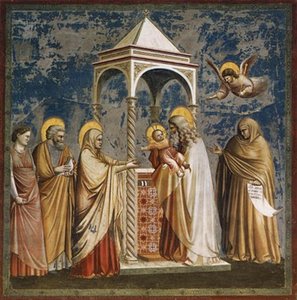
The Weight of Transient Beauty: Giotto’s “Inconstancy”
Giotto di Bondone's "Inconstancy," painted in 1306, isn’t merely a depiction of a woman reaching towards the heavens; it’s a profound meditation on the fleeting nature of earthly desires and the inherent instability of human emotion. This fresco, housed within the evocative Scrovegni Chapel in Padua, Italy – a space itself steeped in religious significance – represents a pivotal moment in art history: Giotto's decisive break from the rigid conventions of Byzantine painting and his courageous step toward a more naturalistic and emotionally resonant style. The work’s power lies not just in its technical brilliance but also in its ability to resonate with viewers across centuries, prompting reflection on our own experiences of longing and loss.
The central figure, draped in flowing white garments that seem to ripple with an unseen current, embodies this very concept of “Inconstancy.” Her arms are outstretched, not in supplication or triumph, but in a gesture of desperate yearning – as if she’s grasping for something just beyond her reach. The red background, a bold and dramatic choice for the time, serves to heighten the sense of urgency and instability. It's a color often associated with passion, danger, and even sacrifice, mirroring the volatile emotions at play within the scene. Notice how Giotto masterfully uses chiaroscuro – the interplay of light and shadow – to sculpt the figure’s form, lending her an almost ethereal quality while simultaneously emphasizing her vulnerability.
Proto-Renaissance Realism and Emotional Depth
Giotto's genius lay in his ability to infuse his figures with a palpable sense of humanity. Unlike the stylized, flattened forms characteristic of Byzantine art, Giotto’s figures possess volume, weight, and a remarkable degree of realism. He achieves this through careful observation of anatomy, subtle shifts in pose, and an innovative use of perspective – techniques that would become hallmarks of the Renaissance. “Inconstancy” is a prime example of this shift; the woman's posture isn’t rigidly posed but conveys a sense of movement, struggle, and profound emotional intensity.
The surrounding figures—a man on the left and two others to the right—add layers of complexity to the scene. They aren’t presented as active participants but rather as witnesses to this woman's yearning, their expressions hinting at a shared understanding of the ephemeral nature of desire. This compositional choice suggests that inconstancy isn’t an isolated experience but a universal human condition, one that touches us all.
Symbolism and Allegory
The fresco is deeply allegorical, representing not just the vice of “Inconstancy” but also broader themes of love, loss, and the passage of time. The outstretched arms symbolize the reaching for unattainable ideals – a common motif in medieval art reflecting the tension between earthly desires and spiritual aspirations. The very act of reaching implies a failure, a recognition that fulfillment is often elusive. Some scholars interpret the red background as representing the blood shed in pursuit of these fleeting passions, further emphasizing the cost associated with such pursuits.
Giotto’s deliberate use of color and composition reinforces this symbolic message. The white of the woman's clothing represents purity and innocence, while the red backdrop symbolizes passion and its potential for destruction. The overall effect is a powerful visual metaphor that invites viewers to contemplate the complexities of human emotion and the bittersweet nature of existence.
A Timeless Masterpiece – Reproduced with Care
OriginalUniqueArt offers meticulously crafted hand-painted reproductions of Giotto’s “Inconstancy,” capturing the essence of this extraordinary work in stunning detail. We employ traditional fresco techniques, using archival-quality pigments and canvas to faithfully recreate Giotto's original vision. Each reproduction is a testament to our commitment to preserving artistic heritage while providing collectors with exquisite works of art for their homes or offices. The size 120 x 55 cm version offers an intimate scale, perfect for contemplation, while larger formats allow the full impact of Giotto’s masterful composition to be appreciated. Bring this poignant and timeless masterpiece into your space – a reminder of the beauty and fragility of human experience.
الأسئلة والأجوبة
هل يمكنني مشاهدة "Inconstancy" كعرض شرائح بملء الشاشة؟
يتوفر عرض متتابع للصور في صفحة عرض متتابع الخاصة بـ "Inconstancy" للفنان جوتو دي بوندوني.
إلى أي مرحلة من مسيرة جوتو دي بوندوني المهنية تنتمي لوحة "Inconstancy" (1306)؟
تعد لوحة "Inconstancy"، التي أُبدعت في عام 1306، من أعمال حقبة Proto-Renaissance في مسيرة جوتو دي بوندوني الفنية.
أين يمكنني العثور على أعمال فنية مشابهة لـ "Inconstancy" للفنان جوتو دي بوندوني؟
تستعرض صفحة أعمال مشابهة لعمل "Inconstancy" للفنان جوتو دي بوندوني أعمالاً فنية ذات صلة.
نبذة عن الفنان
جوتو دي بوندوني: رائد الواقعية والتعبير في الفن الإيطالي
في قلب توسكانا، وعلى سفوح التلال التي تحتضن فلورنسا، وُلد جوتو دي بوندوني حوالي عام 1267، ليصبح أحد أكثر الشخصيات تأثيرًا في تاريخ الفن. لم يكن مجرد فنان، بل كان ثورة بصرية، جسد التحول من القيود الأسلوبية للعصور الوسطى إلى آفاق عصر النهضة. تقول الأسطورة أن جوتو، وهو صبي يرعى الغنم، رسم أغنامه على الصخور بدقة مذهلة، لفتت انتباه الفنان العظيم تشيمابوي، الذي أخذه تحت رعايته. سواء كانت هذه القصة حقيقية أم مجرد رمز، فإنها تلخص جوهر موهبة جوتو: قدرة فطرية على التقاط العالم الطبيعي بعمق عاطفي وواقعية لم يسبق لها مثيل.
تعلم جوتو من تشيمابوي تقنيات الرسم، لكنه سرعان ما تجاوز أستاذه. كان الفن البيزنطي السائد في ذلك الوقت يعتمد على شخصيات مجردة، ومنظور مسطح، وخلفيات ذهبية فاخرة – رموز للتسامي الروحي أكثر من كونها تمثيلات دنيوية. بينما سعى جوتو إلى تصوير البشرية ليس كأيقونات أثيرية، بل كأفراد يتمتعون بمشاعر حقيقية، ويعيشون في فضاء ملموس. بدأ يلاحظ الضوء والظل ليس كمجرد عناصر زخرفية، بل كأدوات لنحت الأشكال وخلق العمق. هذا الميل نحو الواقعية الناشئة كان واضحًا في مساهماته في الفسيفساء في الكنيسة العلوية لسان فرانسيس في أسيزي – على الرغم من أن نسبة جوتو فيها لا تزال موضع نقاش، إلا أن العديد من العلماء يعترفون بلمسته في مشاهد تظهر انحرافًا ملحوظًا عن الجماليات البيزنطية السائدة. لم يكن جوتو يرفض التقاليد فحسب، بل كان يبني عليها، ويغرس الأشكال الراسخة بحس إنساني جديد ورنين عاطفي.
الفضاء والعمق: الفسيفساء في كنيسة سكروفيجي
تعتبر الفسيفساء في كنيسة سكروفيجي (المعروفة أيضًا باسم كنيسة الساحة) في بادوا تحفة فنية لا مثيل لها، وهي تتويج لرحلة جوتو الفنية. بين عامي 1305 و 1310، حول جوتو هذه الكنيسة الصغيرة إلى عالم من المشاهد المذهلة التي تصور قصة حياة المسيح والعذراء مريم. لم تكن هذه الفسيفساء مجرد زخرفة دينية؛ بل كانت سردًا بصريًا قويًا، مليئًا بالعواطف والتفاصيل الواقعية. الشخصيات ليست مجرد رموز مقدسة، بل هي بشر حقيقيون يعانون ويحبون ويفرحون ويحزنون. يستخدم جوتو المنظور بطريقة مبتكرة لخلق وهم بالعمق، مما يجذب المشاهد إلى قلب الحدث. المشهد الجذّاب للحكم الأخير، الذي يغطي أحد جدران الكنيسة بأكملها، هو شهادة قوية على مهارة جوتو في تصوير كل من العظمة الإلهية والضعف البشري.
ما وراء الفسيفساء: الهندسة المعمارية والتأثير الدائم
لم يقتصر إبداع جوتو على الفسيفساء؛ فقد كان أيضًا مهندسًا معماريًا موهوبًا. في عام 1334، تم تكليفه بتصميم الجرس (البرج) لكاتدرائية فلورنسا، وهو مشروع أظهر نهجه المبتكر في الشكل المعماري. على الرغم من وفاته قبل اكتماله، إلا أن تصاميمه وضعت الأساس لهذا المعلم الفلورنسي الشهير. كان تأثيره على الأجيال اللاحقة من الفنانين لا يُقاس. لقد جسر الفجوة بين العصور الوسطى وعصر النهضة، ومهد الطريق لإنجازات فنانين عظماء مثل ماساشيو وليوناردو دا فينشي ومايكل أنجلو. وصف جورجيو فاساري، في كتابه "حياة الفنانين"، جوتو بأنه "منحه الفن العظيم تقنية الرسم من الحياة"، وهو شهادة على تأثيره العميق على مسار الفن الغربي.
إرث جوتو: نقطة تحول في تاريخ الفن
لم يقتصر إرث جوتو على التقنيات الجديدة التي قدمها، بل امتد إلى تغيير الطريقة التي نظر بها الناس إلى الفن. لقد أظهر أن الفن يمكن أن يكون أكثر من مجرد تمثيل رمزي للعالم الروحي؛ يمكن أن يكون وسيلة للتعبير عن المشاعر الإنسانية، ورواية القصص، والاحتفاء بجمال العالم المادي.
- ثورة في الرسم: تحول من التجريد البيزنطي إلى الواقعية والتعبير العاطفي.
- رائد المنظور: قدم تقنيات لخلق العمق والوعي المكاني في اللوحات.
- سرد القصص الماهر: ابتكر حكايات مقنعة من خلال دورات الفسيفساء، مثل كنيسة سكروفيجي.
- مساهمات معمارية: صمم الجرس لكاتدرائية فلورنسا، مما يدل على مهاراته المعمارية.

جوتو دي بوندوني
1267 - 1337 , إيطاليا
لمحة سريعة
- أعمال فنية بارزة:
- كنيسة سكروفيني
- الماドンنا في أوجنيسانتي
- برج الجرس
- الاسم الكامل: جيوتو دي بوندوني
- الجنسية: إيطالي
- الحركة الفنية: النهضة المبكرة
- الفنانون المؤثرون: ['سيمابوي']
- الفنانون المتأثرون:
- ماسّاشيو
- النهضة الفنية
- تاريخ الميلاد: ج. 1267
- مكان الميلاد: فلورنسا، إيطاليا
مقالات ذات صلة

OriginalUniqueArt.com F.A.Q.: Elevating Interiors with Bespoke Wall Murals & Masterpiece Frescoes
Discover the pinnacle of bespoke interior transformation with OriginalUniqueArt.com. Our master fresco artists create exquisite, hand-painted wall murals and ceiling masterpieces tailored to your estate. Elevate your architectural space with timeless, museum-quality artistry.




![سكروفيني - [05] - حلم يواكيم](/media/artworks/images-thumb/8f/67/8f67bb5da87296bd452b3f0b237b528d.jpg)


