

 معاينة الحجم الواقعي
 إرسال
إرسال مشاركة
 عرض التفاصيل
 دليل الأعمال الفنية للطلاب

 تحميل
تحميل
 قطع مشابهة
 الأشعة السينية
 عرض شرائح متتابع
 الإحصائيات
The Annunciation
 Acrylic On Canvas
- WallArt
- Renaissance
 19.0 x 22.0 cm
 الكوبراستيشكابينيت
 اقرأ المزيد
طباعة جيلي / مطبوعات فنية
طباعة جيكلي أو كانفاس بجودة المتاحف، مع سرعة في التنفيذ وخيارات متنوعة للتشطيب. ( اطلب نسخة مرسومة يدويًا التحويل إلى الصورة الرقمية)




P118B E£10

P118H E£10

P118W E£10

P438Z E£10

P508JH E£12

P508YH E£12

P805H E£10

P805Z E£10

P919BZ E£10

P919G E£10

P919XJ E£10

P959ZH E£10

P968JZ E£12

W106C E£8

W218G E£10

W218JH E£8

W218Y E£10

W307PJ E£10

W316G E£10

W316PJ E£8

W316Y E£10

W398PJ E£8

W4111J E£10

W500HY E£15

W500JH E£15

W692G E£12

W849H E£8

W940BG E£15

W953PJ E£8




اختر من بين أحجامنا المُعدّة مسبقاً والتي تتوافق مع النسب الأصلية للعمل الفني.

أدخل العرض والارتفاع اللذين تحتاجهما، ليتناسب مع إطارك أو جدارك. يمكن قص المطبوعة فقط، ولا يمكن أبداً جعلها أكبر من الصورة الأصلية، لذا فإن أي مقاس بشكل مختلف سيؤدي إلى فقدان جزء من الصورة. سنرسل لك نموذجاً رقمياً تجريبياً لاعتماده قبل البدء في عملية الطباعة. الصورة المعروضة في هذه الصفحة لا توضح القص الفعلي — النموذج التجريبي فقط هو ما يظهر ذلك.
توصيل عالمي إلى خلال أسبوعين بدلاً من المدة القياسية البالغة 4/5 أسابيع. (24 أكتوبر)

شحن سريع ومجاني لجميع أنحاء العالم

قماش كتان فاخر

تأمين شامل على الشحن

ضمان استرداد الرسوم الجمركية

ضمان دقة مطابقة الألوان

سياسة الإرجاع خلال 100 يوم (في حالات العيوب فقط)

ضمان استرداد نقدي بنسبة 100%

عرض خصم الكميات
 خيار الزجاج متاح فقط للمقاسات التي تقل عن 110 سم

The Annunciation
طباعة جيلي / مطبوعات فنية
مقاس النسخة المطبوعة
-


إجمالي السعر
E£ 4136
A Moment of Divine Revelation: Exploring Vasari’s ‘The Annunciation’
Giorgio Vasari's “The Annunciation,” painted circa 1567, isn’t merely a depiction of a biblical scene; it’s a carefully constructed tableau brimming with symbolic weight and technical mastery. This remarkable work, often considered a pivotal study for a larger ceiling painting, offers a rare glimpse into the artist’s process – a testament to his dedication to capturing not just likeness but also the profound emotional resonance of faith. The image, rendered in the delicate hues of carta azzurra (azure paper), immediately draws the eye with its ethereal quality and remarkable sense of spatial depth.
Vasari’s choice of blue pigment is crucial to understanding the painting's impact. The specific shade, a pale, almost luminous azure, was highly prized in Renaissance Italy for its ability to create an airy, atmospheric effect. It’s not simply a color; it’s a key element in conveying the divine presence and the sense of otherworldly grace that permeates the scene. The artist skillfully employs washes of ink and delicate highlights – a technique reminiscent of tempera painting – to build up layers of texture and luminosity, avoiding the heavy impasto favored by some of his contemporaries. This restrained approach allows for an astonishing level of detail, particularly in the rendering of Mary’s face and the angel Gabriel's flowing robes.
Architectural Echoes: Composition and Spatial Dynamics
Beyond its exquisite color palette, “The Annunciation” is distinguished by its sophisticated architectural design. Vasari masterfully integrates architectural elements – a coffered ceiling, a portal in the background, and a tent-shaped baldachin – to reinforce the composition’s clarity and stability. These aren't merely decorative flourishes; they serve as visual anchors, guiding the viewer’s eye through the scene and creating a sense of depth and perspective. The low vantage point, characteristic of ceiling paintings, emphasizes the scale of the figures and the grandeur of the event. Notice how Vasari uses linear perspective to create the illusion of receding space – the distant portal subtly diminishing in size, drawing us into the narrative.
The arrangement of the figures is equally deliberate. Gabriel, positioned on the left, extends his arm towards Mary, who sits serenely in the center of the frame. The subtle gestures and expressions convey a sense of reverence and anticipation. Even the secondary figures – a man near the top-left corner and another at the bottom-right – contribute to the scene’s dynamism, suggesting a broader context and inviting contemplation. The inclusion of a simple chair and vase adds a touch of domesticity, grounding the divine event within a recognizable human setting.
A Renaissance Masterpiece: Context and Legacy
Giorgio Vasari (1511-1574) was more than just a painter; he was a polymath – an architect, sculptor, historian, and biographer. His “Lives of the Most Excellent Painters, Sculptors, and Architects,” published in 1550, established a framework for understanding Renaissance art that continues to influence scholars today. Vasari’s work profoundly shaped our perception of the period, elevating the status of artists and establishing Florence as the epicenter of artistic innovation. “The Annunciation” exemplifies his commitment to capturing both the beauty and the spiritual significance of religious subjects.
Further research reveals that this painting was originally intended for a ceiling in the Chapel of Santa Michele in the Torre Pia, Vatican Palace, alongside three other roundels depicting the Nativity, the Annunciation, Zacharias and the Angel, and the Liberation of St. Peter. The rediscovery of these related works has illuminated Vasari’s artistic process and provided valuable insights into the history of Renaissance art. The image's presence in the Louvre Museum and its detailed documentation through online resources – such as WikiArt and Google Arts & Culture – ensure that this remarkable masterpiece remains accessible to a global audience.
Reproductions and Inspiration
A high-quality reproduction of Vasari’s “The Annunciation” offers a stunning opportunity to bring the drama and beauty of this Renaissance painting into your home or office. The delicate color palette, masterful composition, and profound symbolism will undoubtedly captivate viewers and evoke a sense of serenity and contemplation. Consider commissioning a hand-painted replica – a faithful recreation that captures the essence of Vasari’s original work, allowing you to experience the artistry firsthand.
الأسئلة والأجوبة
من الذي يبيع نسخاً مرسومة يدوياً من "The Annunciation" للفنان جورجيو فاساري؟
تتوفر النسخ المرسومة يدوياً من "The Annunciation" للفنان جورجيو فاساري للبيع عبر هذا الموقع: نسخة زيتية مرسومة يدوياً على قماش الكتان، ويمكن طلبها من خلال صفحة نسخة زيتية مرسومة يدوياً.
هل يمكنني استخدام تقنية الواقع المعزز لرؤية "The Annunciation" للفنان جورجيو فاساري في غرفتي؟
تتوفر ميزة المعاينة بالواقع المعزز لـ "The Annunciation": حيث تعرض صفحة معاينة الواقع المعزز العمل الفني في مساحتك الخاصة عبر جهاز متوافق.
ما هي المواد المستخدمة في صنع "The Annunciation"؟
استخدم جورجيو فاساري تقنية Acrylic On Canvas في عمل "The Annunciation"، وتحدد هذه التقنية الطبيعة المادية للعمل الأصلي.
نبذة عن الفنان
حياة جورجيو فاساري: نسيج من عصر النهضة
ولد جورجيو فاساري في مدينة أريتزو، توسكانا، في 30 يوليو 1511، ولم يكن مجرد رسام؛ بل كان تجسيدًا حقيقيًا لروح عصر النهضة الإيطالي. تشكلت حياته كنسيج نابض بالحياة من الإبداع الفني والابتكار المعماري والكتابة التاريخية الثاقبة وتفانٍ لا يتزعزع في الاحتفاء بالأساتذة الذين سبقوه. منذ تدريبه المبكر على يد غولييلمو دا مارسيليا، وهو حرفي ماهر في الزجاج الملون، تم توجيه مسار جورجيو الشاب نحو الفنون البصرية. ومع ذلك، كانت انتقاله إلى فلورنسا في سن السادسة عشرة هي التي أشعلت إمكاناته حقًا. من خلال انغماسه في الدائرة الديناميكية لأندريا ديل سارتو واستيعابه تأثيرات روسو فيورنتينو وجاكوبو بونتورمو، بدأ فاساري رحلة جعلته أحد أكثر الشخصيات نفوذاً في عصره. تميزت سنواته التكوينية أيضًا برعاية وصداقة عائلة ميديشي القوية، وهي علاقة شكلت كلًا من حياته المهنية ومنظوره حول دور الفن في المجتمع.يد الفنان وعينه
غالبًا ما تُصنف الأسلوبية الفنية لفاساري على أنها مانيريستية، مما يعكس الاتجاهات الجمالية السائدة في منتصف القرن السادس عشر. تتميز لوحاته بالشخصيات الممدودة والتكوينات الديناميكية واستخدام متطور للألوان - وهي صفات كانت موضع تقدير كبير خلال حياته. في حين أنه ربما لم يحقق نفس المستوى من الشهرة الدائمة مثل بعض الفنانين الذين وثقهم، إلا أن مهارة فاساري كانت لا يمكن إنكارها. تقدم الأعمال البارزة مثل *استوديو الرسام*، وهي جدارية موجودة في كازا فاساري في أريتزو، لمحة رائعة عن الممارسات الفنية في ذلك الوقت. يوضح الحجم الهائل والطموح لجدارياته لبالاتسو فيكيو في فلورنسا، التي تم تنفيذها بين عامي 1555 و 1572، إتقانه للأنظمة الزخرفية واسعة النطاق. أداة عمله الضخمة النهائية، *الدينونة الأخيرة*، التي تزين قبة كاتدرائية فلورنسا - والتي أكملها فيديريكو زوكاري بعد وفاته - تقف بمثابة شهادة على التزامه الثابت بالرؤى الفنية الكبرى. بالإضافة إلى الرسم، كانت مساهمات فاساري المعمارية مهمة بنفس القدر. صمم الشرفة الأنيقة لبالاتزو ديلي أوفيزي، وحولها إلى ساحة عامة وخلق رابطًا حيويًا داخل المشهد الحضري لفلورنسا. ربما اشتهر بتصوره والإشراف على بناء ممر فاساري، وهو ممر سري يربط معرض أوفيزي ببالاتزو بيتي - وهو إنجاز هندسي ومعماري رائع يستمر في جذب الزوار حتى اليوم.مؤرخ يصوغ إرثًا
ومع ذلك، ربما يكون فاساري قد ضمن إرثه الدائم كمؤرخ فني. عمله الضخم، *حياة الفنانين والرسامين والنحاتين الأكثر تميزًا*، الذي نُشر عام 1550 (مع نسخة منقحة في عام 1568)، أحدث ثورة في الطريقة التي تم فهم الفن وتقديره بها. لم يكن هذا النص الرائد مجرد مجموعة من السير الذاتية؛ بل أسس إطارًا سرديًا لتطوير فن عصر النهضة الإيطالي، وتتبع تطوره من الأساتذة الأوائل مثل تشيمابوي وجوتو إلى معاصريه مايكل أنجلو ورافائيل. قدم عمل فاساري مفهوم "عصر النهضة" - وهي ولادة جديدة للأفكار الكلاسيكية - ووضع الأساس لتاريخ الفن الحديث كتخصص أكاديمي. بينما يقر البعض بأن حسابات فاساري ليست خالية من التحيزات وعدم الدقة، خاصة فيما يتعلق بالفنانين الذين سبقوا عصره، إلا أن تأثير *الحياة* لا يزال عميقًا. لقد قدم سياقًا تاريخيًا حاسمًا للإبداع الفني، ورفع مكانة الفنانين من الحرفيين المهرة إلى الشخصيات الفكرية الجديرة بالاهتمام العلمي.التأثيرات والأهمية الدائمة
تشكل تطور فاساري الفني بشكل كبير من خلال تعرضه لأعمال أساتذة عصر النهضة. أثبتت زيارته لروما عام 1529، حيث درس فن رافائيل وغيره من فنانين عصر النهضة العليا، أنها محورية. استوعب مبادئهم في التكوين والدقة التشريحية والجمال المثالي، ودمجها في أسلوبه الخاص. مارس مايكل أنجلو، الذي أعجب به فاساري بشدة، تأثيرًا قويًا على كل من لوحاته وهندسته المعمارية. يتضح العظمة والحيوية المميزة لعمل مايكل أنجلو في العديد من مشاريع فاساري. بالإضافة إلى الفنانين المحددين، أثرت التيارات الفكرية الأوسع لعصر النهضة - الإنسانية والتعلم الكلاسيكي واهتمام متجدد بالملاحظة التجريبية - أيضًا على نهج فاساري للفن والتاريخ. توفي جورجيو فاساري في 27 يونيو 1574 في فلورنسا، تاركًا وراءه إرثًا متعدد الأوجه يستمر في الرنين اليوم. لم يكن مجرد فنان ومعماري موهوبين فحسب، بل كان أيضًا مؤرخًا رائدًا ساهمت كتاباته في تشكيل فهمنا لأحد التحولات الأكثر أهمية في تاريخ الفن الغربي. لا يزال عمله ضروريًا لأي شخص يسعى إلى استكشاف التراث الثقافي الغني لعصر النهضة الإيطالي.
جورجيو فاساري
1511 - 1574 , إيطاليا
لمحة سريعة
- الأعمال البارزة:
- استوديو الرسام
- الحكم الأخير
- الاسم الكامل: جورجيو فاساري
- الجنسية: إيطالي
- الحركة الفنية: مانيريزم
- الفنانون المؤثرون:
- أندريا ديل سارتو
- رافائيل
- مايكل أنجلو
- الفنانون المتأثرون: ['تاريخ فن النهضة']
- تاريخ الميلاد: 30 يوليو 1511
- تاريخ الوفاة: 27 يونيو 1574
- مكان الميلاد: أريزو، إيطاليا
مقالات ذات صلة

Slate Blue Masterpieces: 10 Iconic Paintings & Timeless Home Decor Ideas
Immerse yourself in the captivating world of slate blue! Explore 10 iconic paintings by Monet, Van Gogh & Renoir. Discover their stories, techniques & find museum-quality art reproductions for your home at .

Ephemeral Expressions: Exploring the Nuances of Ink on Paper Through History & Contemporary Art
Explore the captivating world of ink wash painting – from its ancient origins to contemporary masters. Discover techniques, symbolism & conservation insights with OriginalUniqueArt.com.

The Alchemy of Ink: Mastering the Timeless Beauty and Art History of Paper and Brush
Embark on a sophisticated exploration of ink wash painting and Sumi-e. Uncover the profound historical lineages, Zen philosophies, and technical mastery behind this timeless medium in our authoritative guide for fine art enthusiasts.

Serene Blue Backgrounds: Discover Soulful Art to Transform Your Space with Timeless Elegance
Transform your home with soulful blue art. From serene Monet impressions to modern textured sculptures, discover curated masterpieces designed to inspire calm. Explore expert art consultations and bespoke hand-painted reproductions to create your personal sanctuary.
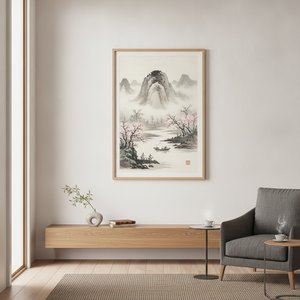
The Beauty of Ink Wash: Discover Serene & Soulful Art for Your Home
Discover the tranquil beauty of ink wash painting. Explore how Sumi-e and monochrome landscapes bring Zen-inspired serenity and soulful elegance to your home decor through expert curation and timeless East Asian aesthetics.

