معاينة الحجم الواقعي
 إرسال
إرسال مشاركة
 عرض التفاصيل
 دليل الأعمال الفنية للطلاب

 تحميل
تحميل
 قطع مشابهة
 الأشعة السينية
 عرض شرائح متتابع
 الإحصائيات
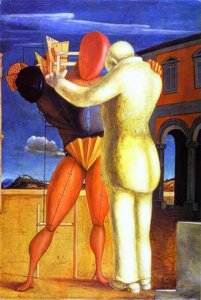
The Troubadour

 اقرأ المزيد
إن العمل الفني المعروض في هذه الصفحة محمي بموجب قوانين حقوق الطبع والنشر، مما يعني أنه لا يحق لنا قانوناً إنشاء أو بيع نسخ مطابقة له. وتُطبق هذه الحماية بموجب الاتفاقيات الدولية مثل الـ اتفاقية برن ووفقاً للقوانين الوطنية، بما في ذلك تلك المنصوص عليها في قانون حقوق الطبع والنشر في الولايات المتحدة - الباب 17.
وكبديل قانوني ومحترم، نقدم أعمالاً فنية مخصصة ومرسومة يدوياً مستوحاة من العمل الأصلي. حيث يقوم فنانونا المهرة والمحترفون بدراسة أسلوب العمل الأصلي، وأجوائه، وجوهره الفني بعناية فائقة لابتكار قطعة جديدة وفريدة تثير الشعور ذاته - مع بقائها عملاً أصيلاً بحد ذاته.
تتوافق هذه الطريقة تماماً مع لوائح حقوق النشر لأنها لا تتضمن نسخ أو تكرار العمل الفني المحمي، بل هي إعادة تفسير إبداعية؛ أي أنها لوحة جديدة مستوحاة من الأصل ولكنها ليست مطابقة له.
نسخة زيتية مصنوعة يدوياً
لوحة زيتية مرسومة يدوياً على الكانفاس بالمقاس والإطار الذي تفضله، تُنفذ حسب الطلب على أيدي فنانينا. ( التبديل إلى المطبوعات التحويل إلى الصورة الرقمية)




P118B E£10

P118H E£10

P118W E£10

P438Z E£10

P508JH E£12

P508YH E£12

P805H E£10

P805Z E£10

P919BZ E£10

P919G E£10

P919XJ E£10

P959ZH E£10

P968JZ E£12

W106C E£8

W218G E£10

W218JH E£8

W218Y E£10

W307PJ E£10

W316G E£10

W316PJ E£8

W316Y E£10

W398PJ E£8

W4111J E£10

W500HY E£15

W500JH E£15

W692G E£12

W849H E£8

W940BG E£15

W953PJ E£8




اختر من بين أحجامنا المُعدّة مسبقاً والتي تتوافق مع النسب الأصلية للعمل الفني.

أدخل العرض والارتفاع اللذين تحتاجهما، ليتناسب العمل مع إطارك أو جدارك. وبما أن هذه اللوحة مرسومة يدوياً، ففي حال اختيار مقاس بشكل مختلف، يمكن للفنان رسم مساحة إضافية حول الصورة أو تقليصها قليلاً — الخيار لك. سنرسل لك نموذجاً رقمياً تجريبياً لاعتماده قبل البدء في الرسم. علماً بأن الصورة المعروضة في هذه الصفحة لا تعكس النتيجة النهائية الحقيقية — فالنموذج التجريبي هو الوحيد الذي يوضح ذلك بدقة.
بعد إتمام الطلب، سيرسل فريق OriginalUniqueArt.com بريداً إلكترونياً للعميل لطلب التعليمات وتزويده بمعاينة تجريبية (mockup).
توصيل عالمي إلى خلال 3 إلى 4 أسابيع بدلاً من المدة المعتادة البالغة 5 أسابيع. (27 أكتوبر). جودة لا تهاون فيها.

شحن سريع ومجاني لجميع أنحاء العالم

قماش كتان فاخر

تأمين شامل على الشحن

ضمان استرداد الرسوم الجمركية

ضمان دقة مطابقة الألوان

سياسة الإرجاع خلال 100 يوم (في حالات العيوب فقط)

ضمان استرداد نقدي بنسبة 100%

عرض خصم الكميات
 خيار الزجاج متاح فقط للمقاسات التي تقل عن 110 سم

The Troubadour
وسيط إعادة الإنتاج
مقاس النسخة المطبوعة
-


إجمالي السعر
E£ 15513
Giorgio De Chirico’s “Il Trovatore”: A Dreamscape of Medieval Echoes
The painting "Il Trovatore," created circa 1950-1955 by Giorgio de Chirico, stands as a cornerstone of Metaphysical Art—a movement that profoundly challenged the conventions of Surrealism and cemented De Chirico’s place among the most influential artists of the 20th century. More than just an image, it's a meticulously crafted illusion designed to unsettle the viewer and invite contemplation on themes of memory, alienation, and the elusive nature of reality. This essay delves into the intricacies of this iconic artwork, exploring its visual language, historical significance, and enduring emotional resonance.- Subject Matter: At first glance, “Il Trovatore” presents a stark juxtaposition between medieval armor and modern architectural elements—a statue or sculpture dominates the composition, embodying an archaic figure amidst a desolate Roman piazza bathed in the fading light of sunset. This deliberate pairing underscores De Chirico’s fascination with reconciling disparate temporal realms, mirroring Nietzsche's exploration of eternal recurrence.
- Style & Technique: De Chirico’s signature style—characterized by flattened perspectives, geometric abstraction, and unsettling stillness—is powerfully evident in “Il Trovatore.” The artist employs a muted palette dominated by ochre hues and deep shadows, creating an atmosphere of profound melancholy and mystery. Precise brushstrokes contribute to the painting's textural richness, emphasizing the sculptural quality of both the statue and the surrounding environment.
- Historical Context: Painted during De Chirico’s “New” Metaphysical period—following a hiatus from Surrealism—the artwork reflects a renewed engagement with his earlier stylistic explorations. Influenced by thinkers like Nietzsche and Schopenhauer, De Chirico sought to capture the psychological landscape of the subconscious mind, mirroring the anxieties of postwar Europe. The painting's formal vocabulary anticipates developments in Pop Art, signaling a rejection of artistic dogma and embracing repetition as a means of conveying profound ideas.
- Symbolism: The statue itself—a nameless figure clad in medieval armor—represents an idealized past confronting the bleak realities of the present. Its facelessness symbolizes the loss of identity and reinforces De Chirico’s preoccupation with existential questions. Furthermore, the geometric forms—triangular supports and measuring instruments—echo classical architectural principles, hinting at a yearning for order amidst chaos. The statue's stance subtly resembles that of the Italian contrapposto as he rests most of his weight on his left foot, suggesting that he is both brave and strong and instilling him with a superhero-like quality.
- Emotional Impact: “Il Trovatore” succeeds in eliciting a visceral response from the viewer—a feeling of disorientation, unease, and profound contemplation. The painting’s luminous sky contrasts sharply with the shadowed piazza, amplifying the sense of solitude and highlighting the statue's enigmatic gaze. Like Picasso’s Guernica, De Chirico’s masterpiece confronts viewers with uncomfortable truths about human existence, prompting reflection on themes of memory, loss, and the elusive nature of time.
Exploring De Chirico’s Metaphysical Vision
Giorgio de Chirico's Metaphysical Art sought to transcend representational illusionism, delving into the realm of psychological experience—a radical departure from prevailing artistic trends. Inspired by Nietzsche’s concept of eternal recurrence and Schopenhauer’s pessimism, De Chirico aimed to depict not what *is*, but what *might be,* capturing fleeting glimpses of subconscious thought and emotion. This approach is powerfully realized in “Il Trovatore,” where the artist abandons conventional perspective and employs geometric abstraction to convey a sense of timelessness and unease—a hallmark of his distinctive artistic vision.The Influence of Nietzsche & Schopenhauer
De Chirico’s intellectual engagement with philosophers like Friedrich Nietzsche and Arthur Schopenhauer profoundly shaped his artistic sensibilities. Nietzsche's assertion that life is an endless repetition of finite moments fueled De Chirico’s fascination with cyclical patterns and the exploration of psychological states—themes central to “Il Trovatore.” Similarly, Schopenhauer’s pessimistic worldview—characterized by a belief in the inherent suffering of existence—influenced De Chirico’s use of muted colors and unsettling imagery. These philosophical currents served as guiding forces for De Chirico's artistic endeavors, informing his stylistic choices and enriching the symbolic depth of his paintings.A Precursor to Pop Art: Embracing Repetition & Challenging Artistic Conventions
“Il Trovatore” represents a pivotal moment in De Chirico’s artistic trajectory—a return to his earlier style after a period of experimentation with Surrealism. Recognizing the limitations of representational illusionism, De Chirico championed repetition as a means of conveying profound ideas—a strategy that foreshadowed developments in Pop Art and signaled a rejection of artistic dogma. Like Andy Warhol's silkscreen canvases, “Il Trovatore” deliberately confronts viewers with familiar images rendered in strikingly simple forms—a deliberate provocation against the prevailing aesthetic sensibilities of the time.الأسئلة والأجوبة
ما مدى تشبع الألوان في "The Troubadour" للفنان جورجيو دي تشيريكو؟
تتميز لوحة "The Troubadour" للفنان جورجيو دي تشيريكو بدرجة تشبع تبلغ Clear Color Presence.
ما هو الموضوع والأجواء التي يجمع بينها "The Troubadour" للفنان جورجيو دي تشيريكو؟
تُصور "The Troubadour" للفنان جورجيو دي تشيريكو موضوعات roman architecture, wooden mannequin, medieval armor, futuristic figure, symbolic landscape, existentialism, dreamlike atmosphere، في أجواء Mystical. ويصف الموضوع والأجواء معاً هذا العمل الفني.
أين يمكنني شراء نسخة مطبوعة من "The Troubadour" للفنان جورجيو دي تشيريكو؟
يمكن طلب نسخة مطبوعة من "The Troubadour" للفنان جورجيو دي تشيريكو مباشرة عبر صفحة مطبوعة فنية فاخرة الخاصة بها: مطبوعة فنية فاخرة على قماش قطني أو ورق كانفاس أرشيفي.
نبذة عن الفنان
جورجيو دي كيريكو: بين الواقع والغموض المطلق
في قلب مدينة فولوس اليونانية، وُلد جيوزيبي ماريا ألبرتو جورجيو دي كيريكو في عام 1888، لآباء إيطاليين. نشأ الفنان في بيئة غنية بالتراث الكلاسيكي والغموض، حيث شكلت جذوره الإيطالية وعلاقاته اليونانية نقطة انطلاق رحلته الفنية الفريدة. بعد دراسته الأولية في أثينا، انتقل دي كيريكو إلى ميونيخ، حيث انغمس في المشهد الفني الأوروبي النابض بالحياة. هناك، اكتشف أعمال أرنولد بوكلين وماكس كلينجر، اللذين تركا بصمة عميقة على رؤيته الفنية المتطورة. لم يكن التأثير الفني وحده هو الذي شكل دي كيريكو؛ بل كانت الأفكار الفلسفية التي استلهمها من كتابات فريدريك نيتشه وأرثر شوبنهاور وأوتو فايننجر، والتي تعمق في موضوعات الوجودية والعبثية والسعي وراء المعنى في عالم يبدو فاقدًا له. هذه الأفكار ستصبح حجر الزاوية في رؤيته الفنية الرائدة.ولادة التصوير الميتافيزيقي: تحويل الواقع إلى حلم
في عام 1909 تقريبًا، بدأت أسلوب فريد بالظهور من خلال استكشافات دي كيريكو – وهو أسلوب أسماه بنفسه "التصوير الميتافيزيقي". لم يكن هذا مجرد ابتكار فني؛ بل كان محاولة عميقة لالتقاط الحقائق الخفية التي تكمن وراء سطح الحياة اليومية، للكشف عن الشعرية المقلقة التي تتربص في المساحات المألوفة. كانت الزيارة الحاسمة إلى فلورنسا وتجربة في ساحة سانتا كروتش هي الشرارة التي أشعلت سلسلة "الميادين الحضرية الميتافيزيقية" الشهيرة. تتميز هذه اللوحات بهدوئها الغريب، وظلالها الدرامية الطويلة، والمنظورات غير المنطقية، ووجود العمارة الكلاسيكية جنبًا إلى جنب مع عناصر مزعجة مثل الدمى التي لا تملك وجوهًا والتماثيل الشاهقة. التأثير عميق ومزعج، ويستحضر إحساسًا بالحنين والعزلة ورغبة لا تطاق في شيء مفقود أو غير قابل للتحقيق. أسس دي كيريكو "مدرسة التصوير الميتافيزيقي"، مما أثر بعمق على الواقعية الفائقة، على الرغم من أنه سرعان ما ابتعد عن تفسيراتهم لعمله. لم تهدف لوحاته إلى أن تكون مجرد صور للأحلام، بل محاولات لتصوير واقع يتجاوز العالم المرئي – عالم تتلاشى فيه المساحة والزمان، وتتداخل فيه الحدود بين الوعي واللاوعي.تحول فني: من الميتافيزيقا إلى الكلاسيكية الجديدة
بعد الحرب العالمية الأولى، شهد مسار دي كيريكو الفني تحولًا غير متوقع. رفض نهجه الميتافيزيقي السابق، واحتضن بدلاً من ذلك أسلوبًا أكثر تقليدية، مستوحى من الكلاسيكية الجديدة والباروك. أثار هذا التحول انتقادات واسعة النطاق؛ فقد اتهمه الكثيرون بالتخلي عن الروح المبتكرة التي حددت عمله المبكر. ومع ذلك، ظل دي كيريكو ثابتًا في اختياراته الفنية، حيث أعاد زيارة الموضوعات من الماضي ولكن بتعبير جمالي مختلف تمامًا. استمر في الرسم والمعرض بشكل مثمر طوال حياته، واستكشف أنماطًا ومواضيع مختلفة مع الحفاظ على التزام دائم بالمهارة التقنية والحرفية.التأثير والإرث الدائم
يعتبر عمل دي كيريكو جسرًا حيويًا بين حركة الرمزية في أواخر القرن التاسع عشر وصعود الواقعية الفائقة في أوائل القرن العشرين. تأثر بشكل مباشر بفنانين مثل أرنولد بوكلين وماكس كلينجر، اللذين تركا بصمة على اهتمامه بالأسطورة والعقل الباطن. قدمت له فلسفة نيتشه وشوبنهاور إطارًا لاستكشاف موضوعات القلق الوجودي والغربة والبحث عن المعنى في عالم يبدو فاقدًا له. ومع ذلك، امتد تأثير دي كيريكو إلى ما هو أبعد من الواقعية الفائقة. تأثر الفنانون مثل رينيه ماغريت وسلفادور دالي بشكل كبير بلوحاته الميتافيزيقية، وتبنوا تقنياته في التضاد والمنظور غير المنطقي والصور الرمزية لإنشاء عوالمهم الخاصة التي لا تشبه الواقع. كما أثر عمله على حركات لاحقة مثل الواقعية السحرية، والتي سعت إلى تصوير الواقع اليومي بإحساس غامض وعميق من الغموض النفسي.التأثيرات الفنية والفكرية
- تأثر بـ: أرنولد بوكلين، ماكس كلينجر، فريدريك نيتشه، آرثر شوبنهاور.
- أثر في: الواقعية الفائقة، وخاصة الفنانين مثل رينيه ماغريت وسلفادور دالي. كما أثر عمله على حركات لاحقة مثل الواقعية السحرية.

جورجيو دي تشيريكو
1888 - 1978 , اليونان
لمحة سريعة
- Artistic Movement Or Style: الرسم الكوني
- Artists Who Influenced This Artist:
- آرنولد بوكلين
- ماكس كلينجر
- فريدريك نيتشه
- Date Of Birth: ١٠ يوليو ١٨٨٨
- Date Of Death: ٢٠ نوفمبر ١٩٧٨
- Full Name: جورجيو دي تشيريكو
- Nationality: إيطالي
- Notable Artworks:
- المُتعب الفيلسوف
- اللغز بعد الظهر الخريفي
- أغنية الحب
- Place Of Birth: فولوس، اليونان
مقالات ذات صلة

أفضل 25 لوحة لفنانٍ عبقري: جوايا يلامس الروح بالفن والتاريخ
اكتشف 25 تحفة فنية لفنان العبقري جوايا! رحلة في عالم لوحاته المؤثرة، من الرومانسية إلى الواقعية. احصل على نسخ عالية الجودة لديكور منزلك الفاخر على OriginalUniqueArt.com
Beyond Reality: Discover the Haunting Beauty and Philosophical Depth of Metaphysical Art
Explore the haunting beauty of Metaphysical Art. Delve into Giorgio de Chirico’s dreamlike landscapes, the movement's profound connection to Surrealism, and the philosophical mysteries hidden within its eerie, silent piazzas.

Beyond Reality's Veil: Exploring the Enigmatic World of Metaphysical Art
Explore the captivating world of Metaphysical art with OriginalUniqueArt. Discover Giorgio de Chirico's iconic paintings, philosophical influences & lasting impact on Surrealism. Expert insights for collectors.

Bronze Sculptures That Defined Art History | OriginalUniqueArt
Journey through art history with our Top 10 bronze sculptures! Explore masterpieces by Rodin, Michelangelo & more. Discover stories behind iconic statues and find museum-quality reproductions for your home decor at OriginalUniqueArt.com.
Giorgio de Chirico: Metaphysical Realities & the Poetics of Absence
Explore the captivating world of Giorgio de Chirico and his groundbreaking Metaphysical painting movement. Discover the philosophical depths & surreal imagery that influenced generations of artists. Learn more at OriginalUniqueArt.