معاينة الحجم الواقعي
 إرسال
إرسال مشاركة
 عرض التفاصيل
 دليل الأعمال الفنية للطلاب

 تحميل
تحميل
 قطع مشابهة
 الأشعة السينية
 عرض شرائح متتابع
 الإحصائيات
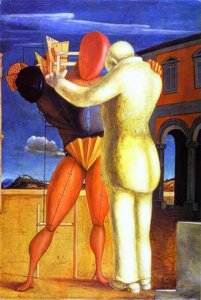
Self Portrait in the Studio


 اقرأ المزيد
طباعة جيلي / مطبوعات فنية
طباعة جيكلي أو كانفاس بجودة المتاحف، مع سرعة في التنفيذ وخيارات متنوعة للتشطيب. ( اطلب نسخة مرسومة يدويًا التحويل إلى الصورة الرقمية)




P118B $10

P118H $10

P118W $10

P438Z $10

P508JH $12

P508YH $12

P805H $10

P805Z $10

P919BZ $10

P919G $10

P919XJ $10

P959ZH $10

P968JZ $12

W106C $8

W218G $10

W218JH $8

W218Y $10

W307PJ $10

W316G $10

W316PJ $8

W316Y $10

W398PJ $8

W4111J $10

W500HY $15

W500JH $15

W692G $12

W849H $8

W940BG $15

W953PJ $8




اختر من بين أحجامنا المُعدّة مسبقاً والتي تتوافق مع النسب الأصلية للعمل الفني.

يمكنك إدخال أبعاد خاصة لتناسب إطاراً أو مساحة معينة. وفي حال عدم تطابق الحجم المختار مع نسب الصورة الأصلية، سنقوم إما بقص العمل الفني أو تمديد الصورة باستخدام حافة معكوسة أو لون مصمت. وسيتم إرسال نموذج تجريبي رقمي لاعتمادك قبل بدء عملية الإنتاج.
يرجى ملاحظة أن المعاينة على الشاشة لا تعكس عملية القص أو التمديد الفعلية؛ حيث سيوضح النموذج التجريبي فقط التكوين النهائي بدقة.
وعلى الرغم من توفر أحجام مخصصة، إلا أننا نوصي باختيار أبعاد من القائمة المحددة مسبقاً للحفاظ على النسب الأصلية.
توصيل عالمي إلى خلال أسبوعين بدلاً من المدة القياسية البالغة 4/5 أسابيع. (26 سبتمبر)

شحن سريع ومجاني لجميع أنحاء العالم

قماش كتان فاخر

تأمين شامل على الشحن

ضمان استرداد الرسوم الجمركية

ضمان دقة مطابقة الألوان

سياسة الإرجاع خلال 100 يوم (في حالات العيوب فقط)

ضمان استرداد نقدي بنسبة 100%

عرض خصم الكميات
 خيار الزجاج متاح فقط للمقاسات التي تقل عن 110 سم

Self Portrait in the Studio
طباعة جيلي / مطبوعات فنية
مقاس النسخة المطبوعة
-


إجمالي السعر
$ 80
Giorgio de Chirico’s “Self Portrait in the Studio” – A Dreamscape of the Mind
Giorgio de Chirico's "Self Portrait in the Studio," painted in 1935, isn’t merely a depiction of an artist at work; it’s a meticulously crafted portal into the subconscious. This enigmatic piece, rendered in his signature Neo-Baroque style, embodies the core tenets of his groundbreaking Metaphysical art movement – a realm where reality and dream intertwine, creating an atmosphere of unsettling beauty and profound philosophical inquiry. The painting immediately draws the viewer in with its muted palette of ochres, browns, and greys, punctuated by the stark white of the artist’s shirt and the luminous glow emanating from his easel. It's a scene steeped in quiet contemplation, yet brimming with latent tension, as if waiting for a revelation to emerge.
De Chirico’s studio is not a conventional space; it’s a carefully constructed stage for psychological exploration. The background reveals a collection of canvases – hints of unfinished works suggesting the ongoing process of creation and the artist's restless mind. A statue, rendered in a classical style but possessing an unsettlingly vacant expression, stands as a silent observer, perhaps representing the idealized form against which de Chirico’s own artistic endeavors are measured. The inclusion of this figure adds to the overall sense of isolation and introspection, highlighting the solitary nature of the creative process.
The Language of Metaphysical Realism
De Chirico's mastery lies in his ability to evoke a specific mood through precise detail and carefully considered composition. Notice the deliberate use of perspective – subtly distorted and creating an almost claustrophobic effect, mirroring the feeling of being trapped within one’s own thoughts. The lighting is crucial; it’s not natural light but rather an internal illumination, as if the artist's imagination itself casts a glow upon his surroundings. This technique, central to Metaphysical art, aims to capture the subjective experience of reality – how our perceptions can be radically altered by emotion and memory.
The painting’s color palette contributes significantly to its unsettling atmosphere. The muted tones create a sense of stillness and melancholy, while the stark white highlights the artist's face and the easel, drawing attention to his act of creation. This deliberate restraint amplifies the emotional impact, suggesting that beneath the surface lies a complex web of anxieties and desires. De Chirico’s use of oil paint allows for rich textures and subtle gradations of color, further enhancing the painting’s tactile quality and inviting close examination.
Symbolism and Philosophical Resonance
“Self Portrait in the Studio” is deeply rooted in de Chirico's philosophical influences. He was profoundly affected by the writings of Friedrich Nietzsche and Arthur Schopenhauer, particularly their explorations of existentialism, irrationality, and the subjective nature of reality. The painting can be interpreted as a visual representation of this intellectual framework – a meditation on the relationship between the conscious and unconscious mind. The statue, with its blank stare, could symbolize the unattainable ideal or the limitations of human understanding.
Furthermore, de Chirico’s fascination with Roman ruins and classical mythology is evident in the painting's composition and subject matter. The studio itself evokes a sense of timelessness, reminiscent of ancient spaces filled with echoes of the past. The mannequin-like figure, a recurring motif in his work, represents an idealized form stripped of its humanity – a symbol of artistic aspiration and perhaps even the artist’s own fragmented self.
Bringing De Chirico's Vision Home
OriginalUniqueArt offers exquisite hand-painted reproductions of “Self Portrait in the Studio,” allowing you to experience the depth and complexity of this iconic artwork firsthand. Our skilled artists meticulously recreate de Chirico’s nuanced techniques, capturing the painting’s haunting atmosphere and philosophical resonance with remarkable fidelity. Whether displayed in a contemporary interior or a classic setting, a OriginalUniqueArt reproduction will serve as a captivating conversation piece – a window into the mind of one of art history's most enigmatic figures.
Consider how this artwork can enrich your space, prompting reflection on themes of creativity, isolation, and the elusive nature of reality. Explore our collection today and bring the dreamscape of Giorgio de Chirico into your world.
نبذة عن الفنان
جورجيو دي كيريكو: بين الواقع والغموض المطلق
في قلب مدينة فولوس اليونانية، وُلد جيوزيبي ماريا ألبرتو جورجيو دي كيريكو في عام 1888، لآباء إيطاليين. نشأ الفنان في بيئة غنية بالتراث الكلاسيكي والغموض، حيث شكلت جذوره الإيطالية وعلاقاته اليونانية نقطة انطلاق رحلته الفنية الفريدة. بعد دراسته الأولية في أثينا، انتقل دي كيريكو إلى ميونيخ، حيث انغمس في المشهد الفني الأوروبي النابض بالحياة. هناك، اكتشف أعمال أرنولد بوكلين وماكس كلينجر، اللذين تركا بصمة عميقة على رؤيته الفنية المتطورة. لم يكن التأثير الفني وحده هو الذي شكل دي كيريكو؛ بل كانت الأفكار الفلسفية التي استلهمها من كتابات فريدريك نيتشه وأرثر شوبنهاور وأوتو فايننجر، والتي تعمق في موضوعات الوجودية والعبثية والسعي وراء المعنى في عالم يبدو فاقدًا له. هذه الأفكار ستصبح حجر الزاوية في رؤيته الفنية الرائدة.ولادة التصوير الميتافيزيقي: تحويل الواقع إلى حلم
في عام 1909 تقريبًا، بدأت أسلوب فريد بالظهور من خلال استكشافات دي كيريكو – وهو أسلوب أسماه بنفسه "التصوير الميتافيزيقي". لم يكن هذا مجرد ابتكار فني؛ بل كان محاولة عميقة لالتقاط الحقائق الخفية التي تكمن وراء سطح الحياة اليومية، للكشف عن الشعرية المقلقة التي تتربص في المساحات المألوفة. كانت الزيارة الحاسمة إلى فلورنسا وتجربة في ساحة سانتا كروتش هي الشرارة التي أشعلت سلسلة "الميادين الحضرية الميتافيزيقية" الشهيرة. تتميز هذه اللوحات بهدوئها الغريب، وظلالها الدرامية الطويلة، والمنظورات غير المنطقية، ووجود العمارة الكلاسيكية جنبًا إلى جنب مع عناصر مزعجة مثل الدمى التي لا تملك وجوهًا والتماثيل الشاهقة. التأثير عميق ومزعج، ويستحضر إحساسًا بالحنين والعزلة ورغبة لا تطاق في شيء مفقود أو غير قابل للتحقيق. أسس دي كيريكو "مدرسة التصوير الميتافيزيقي"، مما أثر بعمق على الواقعية الفائقة، على الرغم من أنه سرعان ما ابتعد عن تفسيراتهم لعمله. لم تهدف لوحاته إلى أن تكون مجرد صور للأحلام، بل محاولات لتصوير واقع يتجاوز العالم المرئي – عالم تتلاشى فيه المساحة والزمان، وتتداخل فيه الحدود بين الوعي واللاوعي.تحول فني: من الميتافيزيقا إلى الكلاسيكية الجديدة
بعد الحرب العالمية الأولى، شهد مسار دي كيريكو الفني تحولًا غير متوقع. رفض نهجه الميتافيزيقي السابق، واحتضن بدلاً من ذلك أسلوبًا أكثر تقليدية، مستوحى من الكلاسيكية الجديدة والباروك. أثار هذا التحول انتقادات واسعة النطاق؛ فقد اتهمه الكثيرون بالتخلي عن الروح المبتكرة التي حددت عمله المبكر. ومع ذلك، ظل دي كيريكو ثابتًا في اختياراته الفنية، حيث أعاد زيارة الموضوعات من الماضي ولكن بتعبير جمالي مختلف تمامًا. استمر في الرسم والمعرض بشكل مثمر طوال حياته، واستكشف أنماطًا ومواضيع مختلفة مع الحفاظ على التزام دائم بالمهارة التقنية والحرفية.التأثير والإرث الدائم
يعتبر عمل دي كيريكو جسرًا حيويًا بين حركة الرمزية في أواخر القرن التاسع عشر وصعود الواقعية الفائقة في أوائل القرن العشرين. تأثر بشكل مباشر بفنانين مثل أرنولد بوكلين وماكس كلينجر، اللذين تركا بصمة على اهتمامه بالأسطورة والعقل الباطن. قدمت له فلسفة نيتشه وشوبنهاور إطارًا لاستكشاف موضوعات القلق الوجودي والغربة والبحث عن المعنى في عالم يبدو فاقدًا له. ومع ذلك، امتد تأثير دي كيريكو إلى ما هو أبعد من الواقعية الفائقة. تأثر الفنانون مثل رينيه ماغريت وسلفادور دالي بشكل كبير بلوحاته الميتافيزيقية، وتبنوا تقنياته في التضاد والمنظور غير المنطقي والصور الرمزية لإنشاء عوالمهم الخاصة التي لا تشبه الواقع. كما أثر عمله على حركات لاحقة مثل الواقعية السحرية، والتي سعت إلى تصوير الواقع اليومي بإحساس غامض وعميق من الغموض النفسي.التأثيرات الفنية والفكرية
- تأثر بـ: أرنولد بوكلين، ماكس كلينجر، فريدريك نيتشه، آرثر شوبنهاور.
- أثر في: الواقعية الفائقة، وخاصة الفنانين مثل رينيه ماغريت وسلفادور دالي. كما أثر عمله على حركات لاحقة مثل الواقعية السحرية.

جورجيو دي تشيريكو
1888 - 1978 , اليونان
لمحة سريعة
- Artistic Movement Or Style: الرسم الكوني
- Artists Who Influenced This Artist:
- آرنولد بوكلين
- ماكس كلينجر
- فريدريك نيتشه
- Date Of Birth: ١٠ يوليو ١٨٨٨
- Date Of Death: ٢٠ نوفمبر ١٩٧٨
- Full Name: جورجيو دي تشيريكو
- Nationality: إيطالي
- Notable Artworks:
- المُتعب الفيلسوف
- اللغز بعد الظهر الخريفي
- أغنية الحب
- Place Of Birth: فولوس، اليونان
مقالات ذات صلة
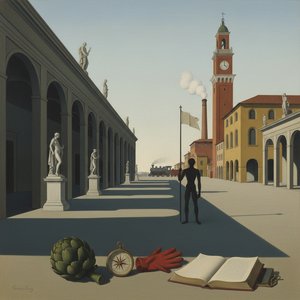
Giorgio de Chirico: Metaphysical Realities & the Poetics of Absence
Explore the captivating world of Giorgio de Chirico and his groundbreaking Metaphysical painting movement. Discover the philosophical depths & surreal imagery that influenced generations of artists. Learn more at OriginalUniqueArt.

Beyond Reality's Veil: Exploring the Enigmatic World of Metaphysical Art
Explore the captivating world of Metaphysical art with OriginalUniqueArt. Discover Giorgio de Chirico's iconic paintings, philosophical influences & lasting impact on Surrealism. Expert insights for collectors.
Beyond Reality: Discover the Haunting Beauty and Philosophical Depth of Metaphysical Art
Explore the haunting beauty of Metaphysical Art. Delve into Giorgio de Chirico’s dreamlike landscapes, the movement's profound connection to Surrealism, and the philosophical mysteries hidden within its eerie, silent piazzas.

About Us
Discover our story! We bring world-class art into your life through expert curation, personalized creations, and free previews. Trusted by individuals and businesses since 2000.

أفضل 25 لوحة لفنانٍ عبقري: جوايا يلامس الروح بالفن والتاريخ
اكتشف 25 تحفة فنية لفنان العبقري جوايا! رحلة في عالم لوحاته المؤثرة، من الرومانسية إلى الواقعية. احصل على نسخ عالية الجودة لديكور منزلك الفاخر على OriginalUniqueArt.com