 معاينة الحجم الواقعي
 مشاركة
 مشاركة
 التفاصيل
 دليل
دليل

 تحميل الملف
 قطع مشابهة
 الأشعة السينية
 عرض شرائح
 الأسئلة والأجوبة
 الإحصائيات
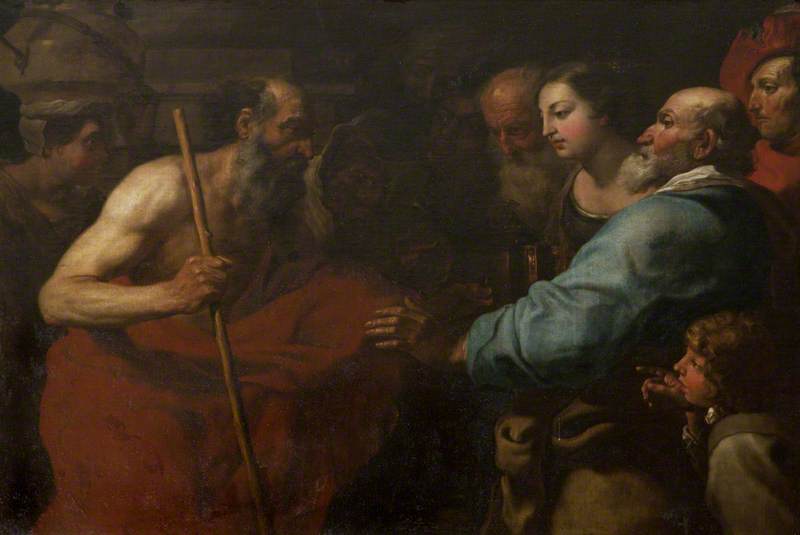
Diogenes with His Lantern

- 115.0 x 163.0 cm

 عرض المزيد
احصل على ملف جاهز للطباعة يتجاوز بمراحل جودة المعاينة عبر الإنترنت؛ فكل صورة رقمية نبيعها مستمدة من نسخة أصلية عالية الدقة في قاعدة بياناتنا — يتراوح عرضها عادةً بين 5,000 إلى 15,000 بكسل — مما يتيح لك الطباعة بأحجام كبيرة، أو الاقتصاص بدقة، أو إعادة إنتاج التفاصيل الدقيقة بكل ثقة.
لا تخرج أي صورة من استوديو الخاص بنا دون أن تمر بعملية معالجة دقيقة؛ حيث يقوم خبير رقمي بمطابقة الألوان مع اللوحة الأصلية وتصحيحها عند الضرورة، ثم يعمل على تحسين الوضوح والتفاصيل باستخدام أدوات ترميم احترافية — مع الحفاظ دائماً على أمانة نقل ضربات فرشاة الفنان وأسلوبه. والنتيجة هي صورة تبدو كأنها اللوحة ذاتها، وليست مجرد مسح ضوئي خاضع للفلاتر.
تتم عملية الاعتماد قبل الإتمام النهائي: حيث يرسل خبيرنا الصورة عبر البريد الإلكتروني في غضون 72 ساعة لمراجعتها من قبلك. هل لم تنل النتيجة إعجابك؟ يمكنك طلب تحسينات أو تصحيحات، أو طلب استرداد الأموال إذا لم تكن الجودة بالمستوى المطلوب.
هذه هي الجودة التي يعتمد عليها الناشرون، واستوديوهات التصميم، والمعارض، والمطابع.
صورة رقمية
حمّل ملفاً عالي الدقة للعرض الشخصي، والطباعة، والمشاريع الإبداعية. ( التبديل إلى نسخة مطبوعة شراء لوحة مرسومة يدويًا)
مزايا مُضمّنة مع كل طلب صورة رقمية
تسليم رقمي احترافي ومضمون
عندما تختار OriginalUniqueArt.com، فأنت لا تحصل على مجرد صورة فحسب، بل ستحصل على عمل فني رقمي مُحسّن باحترافية، صُمم بدقة متناهية ومصحوب بضمان الرضا. إليك كل ما يتضمنه طلبك تلقائياً:

تسليم سريع عبر البريد الإلكتروني
ستصلك ملفات صورك الرقمية عالية الدقة عبر البريد الإلكتروني في غضون 72 ساعة من إتمام الطلب - لتكون جاهزة للاستخدام الفوري.

ملف رقمي مُعزز بالذكاء الاصطناعي
يتم تحسين عملك الفني باحترافية باستخدام أدوات الذكاء الاصطناعي المتقدمة والتحرير اليدوي، لضمان أقصى درجات التفاصيل والوضوح ودقة الألوان.

إعادة إرسال مجانية مدى الحياة
هل حذفت ملفك أو فقدته عن طريق الخطأ؟ لا تقلق - سنعيد إرساله إليك في أي وقت، مجاناً.

بدون رسوم استيراد - على الإطلاق
استمتع بأعمالك الفنية فوراً دون أي رسوم جمركية أو ضرائب أو مصاريف شحن - فالتحميلات الرقمية دائماً ما تكون معفاة من الضرائب.

ضمان دقة الألوان
نضمن لك دقة انعكاس الألوان الأصلية في صورتك الرقمية بأقصى قدر ممكن، وذلك باستخدام أدوات احترافية وتقنيات متطورة لإدارة الألوان.

ضمان الرضا لمدة 100 يوم
إذا لم تكن راضياً عن صورتك الرقمية، فسنقوم بتعديلها أو استرداد 100% من قيمتها خلال 100 يوم - دون طرح أي أسئلة.

ضمان استرداد نقدي بنسبة 100%
لم تكن راضياً؟ استرد كامل المبلغ خلال 100 يوم من استلام ملفك الرقمي - دون طرح أي أسئلة.

خصومات الطلبات الكبيرة
اشتري 3 صور، ووفر 10% - اشتري 5، ووفر 15% - اشتري +10، ووفر 20%. مثالية للمشاريع الإبداعية، والمعارض، والوكالات.
السيرة الذاتية للفنان
Early Life and Apprenticeship in Genoa
Gioacchino Assereto, born in Genoa around 1600, emerged as a pivotal figure in the city’s artistic landscape during the early Baroque period. His journey began at the tender age of twelve when he entered the workshop of Luciano Borzone, a respected painter known for his religious works and dynamic compositions. This initial apprenticeship laid the foundation for Assereto's technical skills, but it was his subsequent training with Giovanni Andrea Ansaldo, beginning around 1614, that truly shaped his artistic direction. Ansaldo’s studio provided a more rigorous environment, fostering a deeper understanding of anatomy, perspective, and the nuances of oil painting. Crucially, Assereto also benefited from attending the *Accademia del Nudo*, an institution established by Giancarlo Doria dedicated to the study of the human form through life drawing – a practice essential for mastering the realistic depiction of figures that would become a hallmark of his style. Genoa in this era was a bustling port city, a crossroads of cultures and ideas, and Assereto’s early exposure to diverse influences undoubtedly contributed to his evolving artistic sensibility. He quickly established himself as a promising talent within the Genoese art scene, absorbing the prevailing trends while simultaneously forging his own unique path.The Roman Sojourn and Embracing Caravaggism
By 1639, Assereto’s reputation had grown sufficiently to warrant a journey to Rome – a pilgrimage undertaken by many aspiring artists of the time seeking inspiration from the masters and exposure to new artistic currents. This trip proved transformative for the Genoese painter. He immersed himself in the studios of various Roman artists, encountering works that broadened his horizons and challenged his existing aesthetic principles. Notably, he connected with fellow Genoese painters already working in Rome, including Luca Saltarello, Giovanni Maria Bottalla, Giovanni Benedetto Castiglione, and Giovanni Andrea Podestà, forming a network of artistic exchange. However, the most profound impact came from his engagement with the burgeoning realism of Caravaggio’s followers. The dramatic use of *chiaroscuro* – the stark contrast between light and shadow – and the intensely naturalistic portrayal of figures captivated Assereto. He began to incorporate these elements into his own work, moving away from the more idealized forms of earlier Baroque painting towards a grittier, more emotionally resonant style. This embrace of Caravaggism wasn’t merely stylistic; it reflected a broader shift in artistic priorities, emphasizing direct observation and psychological depth over elaborate ornamentation.Mature Style and Genoese Commissions
Returning to Genoa, Assereto embarked on a period of prolific activity, securing numerous commissions that cemented his position as the city’s leading history painter. The 1640s saw him particularly engaged in fresco work, adorning churches and palazzi with large-scale compositions depicting religious narratives and historical events. His paintings from this decade demonstrate a masterful command of both *chiaroscuro* and *sfumato*, creating a sense of drama and atmosphere that drew viewers into the scene. He wasn’t simply replicating Caravaggio's techniques, however; Assereto infused his work with a distinctly Genoese sensibility – a heightened attention to detail in costumes and settings, reflecting the city’s mercantile culture and its appreciation for material wealth. His success was such that he established a busy studio, producing numerous copies of his works, often under the guidance of his son, Giuseppe Assereto. This proliferation of copies speaks not only to the demand for his paintings but also to their inherent appeal – they resonated with contemporary audiences who valued both technical skill and emotional impact.Legacy and Historical Significance
Raffaele Soprani, a prominent Genoese biographer writing during Assereto’s lifetime, lauded him as “incomparable,” a testament to the artist's widespread recognition and influence. While perhaps an exaggeration, Soprani’s praise reflects the genuine esteem in which Assereto was held by his peers and patrons. His paintings stand as compelling examples of Baroque art in Genoa, bridging the gap between earlier traditions and the more radical innovations of Caravaggism. He excelled at depicting both religious and historical subjects, but it was his portraits that often revealed a keen psychological insight into his sitters. Assereto’s contribution lies not only in his technical virtuosity – his ability to render textures, light, and shadow with remarkable precision – but also in his capacity to imbue his paintings with emotion and narrative power. He left behind a substantial body of work that continues to captivate viewers today, offering a glimpse into the artistic and cultural life of 17th-century Genoa. His influence can be seen in the works of subsequent Genoese painters, who continued to explore the dramatic possibilities of *chiaroscuro* and realism. Assereto’s paintings remain vital for understanding the development of Baroque art in Italy, showcasing a unique blend of local traditions and international influences.
Gioacchino Assereto
1600 - 1649
لمحة سريعة
- Artistic Movement Or Style: Baroque, Caravaggism
- Artists Or Movements Influenced By This Artist: ['Giuseppe Assereto']
- Artists Who Influenced This Artist:
- Luciano Borzone
- Giovanni Andrea Ansaldo
- Date Of Birth: 1600
- Date Of Death: 1649
- Full Name: Gioacchino Assereto
- Nationality: Italian
- Notable Artworks: ['The Lamentation']
- Place Of Birth: Genoa, Italy