Northern Renaissance · 1598
Forest Landscape (جيليس فان كونينكلو, 1598)
أبدع جيليس فان كونينكلو (1544–1607) في Forest Landscape. يعود تاريخها إلى 1598. تنتمي إلى حركة Northern Renaissance. صُنعت من Oil On Panel. تُحفظ في Liechtenstein Museum في فيينا, النمسا. أبعادها 42 × 61 cm
- 1598
- Oil On Panel
- 42 × 61 cm
- Liechtenstein Museum, فيينا

 معاينة الحجم الواقعي

 لوحة زيتية مرسومة يدوياً
 مشاركة
 مشاركة
 ورقة الحقائق


 تحميل الملف
 قطع مشابهة
 الأشعة السينية
 عرض شرائح
 الأسئلة والأجوبة

 الإحصائيات
Forest Landscape باختصار
- العنوان
- Forest Landscape
- الفنان
- جيليس فان كونينكلو (1544–1607)
- تاريخ ميلاد الفنان
- أنتويرب, بلجيكا
- التاريخ
- 1598
- الوسيط الفني
- Oil On Panel
- الأبعاد
- 42 × 61 cm
- أين يمكن مشاهدتها
- Liechtenstein Museum, فيينا, النمسا
- الحركة
- Northern Renaissance
- الحقبة
- Early Modern
- الموضوع
- forest landscape, dark woods, path, village view, atmospheric, tranquility
ماذا يصور Forest Landscape؟
Identification of the Forest Landscape Artwork
The artwork titled Forest Landscape is a painting by the Flemish artist Gillis Van Coninxloo. Executed in 1598, this work is an oil on panel. The physical dimensions of the piece are 42 x 61 cm. It is currently held within the Liechtenstein Museum in Vienna, Austria.
This specific composition depicts a dense woodland environment. The scene features a winding path that leads into a thicket of trees. The foliage consists of various shades of green, while the trunks and branches create a heavy canopy overhead. In the background, a small village is visible through the gaps in the trees, providing a sense of distance within the forest setting.
The subject matter focuses on the natural world, specifically the textures of bark, leaves, and moss. A single, small human figure is positioned beneath a tree within the landscape. The composition utilizes a dark palette of browns, greens, and ochres to define the wooded area. Light filters through the upper branches, creating a contrast between the shadowed recesses of the undergrowth and the illuminated patches of the clearing.
Composition and Visual Elements
The composition is largely symmetrical, organized around a winding path that leads the eye toward the center of the image. This path cuts through a dense woodland, where the trunks and branches of trees intertwine to form a thick canopy overhead. Only a few small patches of sky are visible through the gaps in the foliage. Within this enclosed space, a single tiny human figure reclines beneath a tree, positioned near the center of the scene. The scale of the trees and the surrounding undergrowth dwarfs the figure, emphasizing the vastness of the natural environment.
Color is concentrated in the various hues of green found in the leaves and the mossy textures of the forest floor. These greens contrast with the dark browns and ochres of the tree trunks and the earth. In the background, a small village is visible through the trees, providing a sense of distance and depth. The lighting creates a chiaroscuro effect, with strong contrasts between the deep shadows of the thickets and the light that filters through the canopy onto the path and the reclining figure.
Technique and Artistic Style
The artist utilized oil on panel to establish a sense of depth and a tangible texture across the surface. The application of paint likely involves multiple layers and glazing, a method used to achieve a specific luminosity within the darker sections of the composition. This technique allows light to appear as though it is filtering through the canopy, creating a chiaroscuro effect through the deliberate placement of light and shadow. The resulting atmosphere is defined by a palette of dark colors and a high degree of intricate detail.
The composition is built upon a dense arrangement of ancient oaks and thick undergrowth. There is a clear priority placed on the textural richness of the natural elements, specifically the bark of the trees, the individual leaves, and the presence of moss. These organic forms are rendered with meticulous care, contributing to the overall density of the woodland scene. The interplay of light and shadow defines the verticality of the trunks and the irregular shapes of the foliage, emphasizing the physical presence of the forest environment.
Artistic Influence and Legacy
Gillis Van Coninxloo occupied a central position in the evolution of Northern landscape art. His technical approach functioned as a bridge between the intricate traditions of Mannerism and the atmospheric depth characteristic of the early Baroque. Through his development of the forest landscape, he moved away from panoramic vistas toward intimate, enclosed woodland scenes. This shift prioritized the textural details of bark, leaves, and moss, often submerging small human figures within an expansive, detailed natural environment.
The influence of his method extended to several prominent painters of the period. Jan Brueghel the Elder and Pieter Schoubroeck were among those affected by his stylistic developments. His approach to dense, immersive woodland compositions also impacted the work of Roeland Savery and various other Flemish and Dutch landscape painters. This specific work, created about 1598, represents his technical skill and craftsmanship in rendering the natural world.
أي متحف يضم Forest Landscape؟
Liechtenstein Museum
فيينا, النمسا
جوهرة من روعة الباروك الفييناوية في قلب شارع "رينغشتراسه" التاريخي بمدينة فيينا، يتربع متحف ليختنشتاين ضمن إطار معماري يعد تحفة فنية قائمة بذاتها، تضاهي في قيمتها الكنوز التي تحرسها. فمن داخل قصر "ليختنشتاين" المهيب، ينطلق المتحف ليقدم رحلة غامرة في أعماق الأناقة الأرستقراطية والإرث العميق لآل ليختنشتاين. ومع اقتراب الزوار من هذا الصرح القصري، تستقبلهم العظمة المعمارية لحقبة غابرة، حيث تهمس كل حافة مذهبة وكل درج مهيب بحكايات من الهيبة الإمبراطورية.


صور عالية الدقة لـ Forest Landscape

جيليس فان كونينكلو, Forest Landscape (1598), Liechtenstein Museum. ملك عام
أسئلة وإجابات حول Forest Landscape
أين تُعرض "Forest Landscape" للفنان جيليس فان كونينكلو اليوم؟
تُعرض لوحة "Forest Landscape" للفنان جيليس فان كونينكلو في Liechtenstein Museum, فيينا, النمسا. ويشير وصف المتحف إلى العمل الأصلي، وليس إلى النسخ المطبوعة.
في أي عام أُبدع العمل "Forest Landscape" للفنان جيليس فان كونينكلو؟
أُبدع العمل الفني "Forest Landscape" للفنان جيليس فان كونينكلو في عام 1598.
ما هي التقنية المستخدمة في "Forest Landscape" للفنان جيليس فان كونينكلو؟
استخدم جيليس فان كونينكلو تقنية Oil On Panel في عمل "Forest Landscape"، وهي التقنية التي تحدد الطبيعة المادية للعمل الأصلي.
ما هي أبعاد "Forest Landscape" للفنان جيليس فان كونينكلو في الواقع؟
تبلغ أبعاد "Forest Landscape" في شكلها الأصلي 42 x 61 cm. وتُعد الأبعاد الأصلية مرجعاً مفيداً عند اختيار حجم النسخة المطبوعة.
ماذا يصور "Forest Landscape"؟
تتمثل موضوعات "Forest Landscape" في forest landscape, dark woods, path, village view, atmospheric, tranquility, nature scene, 16th century.
هل العمل "Forest Landscape" ضمن الملكية العامة؟
أما بخصوص حقوق الطبع والنشر، فإن "Forest Landscape" تندرج ضمن ملك عام - انتهت مدة حماية حقوق الطبع والنشر الخاصة به.
من أبدع "Forest Landscape"؟
تم إبداع "Forest Landscape" بواسطة جيليس فان كونينكلو. وتصف المعلومات الواردة في هذه الصفحة العمل الأصلي لـ جيليس فان كونينكلو.
إلى أي أسلوب ينتمي "Forest Landscape"؟
ينتمي العمل "Forest Landscape" إلى مدرسة Northern Renaissance، وهي المدرسة التي تمثل التقليد الفني الذي يندرج ضمنه هذا العمل.
إلى أي مرحلة من مراحل تطور جيليس فان كونينكلو ينتمي العمل "Forest Landscape"؟
تندرج لوحة "Forest Landscape" ضمن مرحلة Late 16th Century من مسيرة جيليس فان كونينكلو المهنية، وهي مرحلة تتيح مقارنة هذا العمل بأعمال الفنان الأخرى.
عن الفنان، جيليس فان كونينكلو
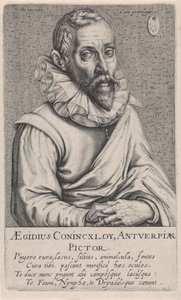
1544–1607, بلجيكا
جيليس فان كونينكلو
سيد العالم الأخضر يبرز جيليس فان كونينكلو كشخصية محورية في تطور فن المناظر الطبيعية في الشمال، حيث عمل كجسر حيوي يربط بين تقاليد المدرسة المانييرية المعقدة وبين العمق الجوي المتنامي في عصر الباروك المبكر. ولد في أنتويرب ببلجيكا، وكانت حياته متشابكة بعمق مع الإرث الفني الغني للأراضي المنخفضة. وبصفته ابن رسام، انغمس في عالم كانت فيه الحرفية والملاحظة الطبيعية أمراً بالغ الأهمية. لقد منحه تدريبه المبكر على يد أساتذة مثل بيتر كويكه فان آيلست الشاب ولينارت كروس أساساً قوياً، ولكن الفترة التي قضاها في ورشة عمل جيليس موستارت هي التي سمحت لموهبته بالازدهار حقاً، مما أتاح له المساهمة في أعمال احترافية مع صقل رؤيته الفريدة.
وأيضاً لـ جيليس فان كونينكلو
 Jonah Preaching to the Ninevites1583
 Woodland with Saint Jerome1583
 Landscape with the judgment of Midas1598
 Landscape with the Judgement of Paris1610
مقالات حول Forest Landscape
 French Barbizon paintersMasterpieces by Théodore Rousseau and Daubigny define the Barbizon School. Explore the full collection online at OriginalUniqueArt.com.
 Enchanted Woodlands: 10 Masterpieces That Capture the Magic of the ForestExplore iconic forest art by Shishkin, Klimt, and Van Gogh. Discover museum-quality masterpieces on OriginalUniqueArt.com.
 Mastering the Horizon: An Art Historian’s Guide to the World's Most Iconic Landscape PaintingsExplore the profound history of landscape painting with our expert guide. From Impressionist light to Chinese traditions, discover the tech…