
 معاينة الحجم الحقيقي
 مشاركة
 مشاركة
 التفاصيل

 تحميل الملف
 قطع مشابهة
 الأشعة السينية
 عرض شرائح
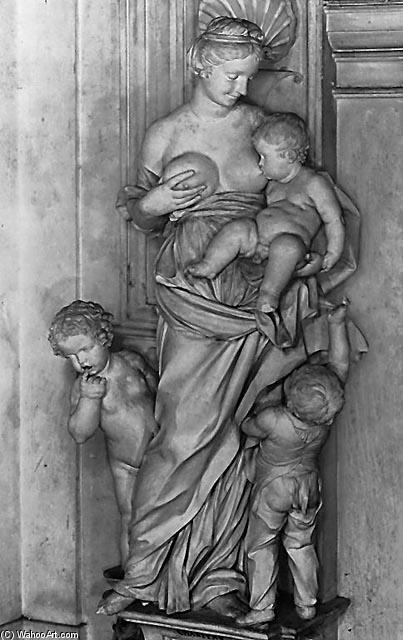
Charity

 عرض المزيد
احصل على صورة رقمية عالية الدقة ومعزّنة، بجودة تفوق بكثير المعاينة عبر الإنترنت.
يتم إعداد كل ملف بعناية فائقة من قبل متخصصينا الداخليين باستخدام أدوات متقدمة ولمسات يدوية خبيرة. نضمن أن تتمتع كل صورة بوضوح استثنائي، ودقة لونية متناهية، وتفاصيل دقيقة.
يتم تسليم الملف النهائي عبر البريد الإلكتروني في غضون 72 ساعة، وهو مُحسَّن للاستخدام الفوري في المجالات المهنية والتحريرية ومجالات الطباعة. هذه هي ذات الجودة التي تعتمد عليها كبرى استوديوهات التصميم ودور النشر والمعارض الفنية المرموقة.
صورة رقمية
حمّل ملفاً عالي الدقة للعرض الشخصي، والطباعة، والمشاريع الإبداعية. ( اشترِ نسخة مطبوعة اشترِ لوحة مرسومة يدويًا)
مزايا مُضمّنة في كل طلب صورة رقمية
تسليم رقمي احترافي، مضمون
عندما تختار OriginalUniqueArt.com، فأنت لا تحصل على مجرد صورة فحسب، بل ستحصل على عمل فني رقمي مُحسّن باحترافية، صُمم بدقة متناهية ومصحوب بضمان الرضا. إليك كل ما يتضمنه طلبك تلقائياً:

تسليم سريع عبر البريد الإلكتروني
ستصلك ملفات صورك الرقمية عالية الدقة عبر البريد الإلكتروني في غضون 72 ساعة من إتمام الطلب - لتكون جاهزة للاستخدام الفوري.

ملف رقمي مُحسّن بالذكاء الاصطناعي
يتم تحسين عملك الفني باحترافية باستخدام أدوات الذكاء الاصطناعي المتقدمة والتحرير اليدوي، لضمان أقصى درجات التفاصيل والوضوح ودقة الألوان.

إعادة إرسال مجانية مدى الحياة
هل حذفت ملفك أو فقدته عن طريق الخطأ؟ لا تقلق - سنعيد إرساله إليك في أي وقت، ومجاناً.

بدون رسوم استيراد - على الإطلاق
استمتع بأعمالك الفنية فوراً دون أي رسوم جمركية أو ضرائب أو مصاريف شحن - فالتحميلات الرقمية دائماً ما تكون معفاة من الضرائب.

ضمان دقة الألوان
نحن نضمن أن تعكس صورتك الرقمية الألوان الأصلية بأقصى قدر ممكن من الدقة، وذلك باستخدام أدوات احترافية وتقنيات إدارة الألوان.

ضمان الرضا لمدة 60 يومًا
إذا لم تكن راضياً عن صورتك الرقمية، فسنقوم بتعديلها أو استرداد 100% من قيمتها خلال 60 يوماً - دون أي أسئلة.

ضمان استعادة الأموال بنسبة % 100
لم تكن راضياً؟ احصل على استرداد كامل المبلغ خلال 60 يومًا من استلام ملفك الرقمي - دون أي أسئلة.

خصومات الطلبات الكبيرة
اشتري 3 صور، ووفر 10% - اشتري 5، ووفر 15% - اشتري +10، ووفر 20%. مثالية للمشاريع الإبداعية، والمعارض، والوكالات.
السيرة الذاتية للفنان
The Meteor in the Sicilian Sky
In the golden, sun-drenched landscape of seventeenth-century Sicily, a singular brilliance emerged that would forever alter the texture of Baroque ornamentation. Rudolf Wittkower famously christened Giacomo Serpotta as a “meteor in the Sicilian sky,” a metaphor that perfectly captures the sudden, dazzling impact of an artist who rose from provincial roots to achieve a level of mastery rarely seen in the history of sculpture. Born in Palermo in 1656, Serpotta did not seek the grand stages of Rome or Florence; instead, he remained anchored to his native island, transforming its churches and oratories into ethereal realms of white, luminous splendor. While the great masters of his era were preoccupied with the heavy permanence of marble, Serpotta found his voice in a far more humble medium: stucco.
Serpotta’s life was deeply intertwined with the very material he mastered. Born into a family of artisans, he learned the rhythm of the workshop from a young age, absorbing the secrets of gypsum and lime. This intimate connection to his craft allowed him to perform what many described as alchemy—turning wet, malleable plaster into scenes of such lifelike vitality that they seemed to breathe within the stone. His early career was marked by collaborations, most notably with Procopio de Ferrari in the decoration of the Chiesa della Madonna dell'Itria in Monreale. However, it was his ability to move beyond mere architectural ornament to create entire, self-contained dramatic worlds that truly set him apart.
A Mastery of Motion and Light
The genius of Serpotta lay in his profound understanding of spatial illusion and the emotive power of light. Unlike the rigid structures of classical sculpture, Serpotta’s work possessed a florid elegance and a sense of weightless movement. He utilized the unique properties of stucco to create deep undercuts and delicate, fluttering drapery that caught the shifting Sicilian sunlight, creating a dance of shadows across the walls of Palermo's most sacred spaces. His compositions were often teeming with life—a profusion of putti, graceful figures, and intricate floral motifs that seemed to erupt from the very architecture itself.
His technical achievements reached breathtaking heights in projects such as the Oratory of San Lorenzo and the Oratory of Santa Cita. In the latter, he achieved a feat of narrative complexity by depicting a massive naval battle, inspired by the Battle of Lepanto, all rendered in the delicate medium of plaster. To witness his work is to experience a sense of organized chaos; the walls appear to quiver with the movement of a crowd, yet every figure is placed with an intuitive sense of balance and grace. This ability to blend the monumental with the minute—to make a heavy wall feel as light as lace—is the hallmark of his unparalleled skill.
Legacy of the Stucco Master
Serpotta’s influence was not merely individual but familial, as he spearheaded a prolific artistic enterprise alongside his brother Giuseppe and his son Procopio. Together, they established a studio that became the heartbeat of Sicilian Baroque decoration, leaving an indelible mark on the religious landscape of Palermo. Though some historians suggest he may have lacked direct exposure to the mainstream currents of the Roman Baroque, his work possesses a distinctive, localized energy that feels entirely original. He did not imitate the grandeur of Bernini; he reimagined it through a Sicilian lens, replacing marble's cold permanence with the radiant, ephemeral glow of white stucco.
The historical significance of Giacomo Serpotta extends far beyond the borders of Sicily. He represents a rare moment in art history where a provincial artist, working in isolation from the major artistic capitals, managed to create a style so potent and recognizable that it redefined the aesthetic of an entire region. His legacy remains etched in the very bones of Palermo’s oratories—a testament to a man who could take the simplest of materials and, through sheer vision, turn them into eternal masterpieces of light and motion.

Giacomo Serpotta
1656 - 1732 , Italy
لمحة سريعة
- Artistic Movement Or Style: Rococo Stucco Sculpture
- Artists Or Movements Influenced By This Artist: ['Caravaggio']
- Artists Who Influenced This Artist: ['Antonio Raggi']
- Date Of Birth: 1656 Palermo Italy
- Date Of Death: 1732
- Full Name: Giacomo Serpotta
- Nationality: Italian
- Notable Artworks:
- Fortitude
- Humility
- Charity
- Place Of Birth: Palermo Sicily

