

 معاينة الحجم الحقيقي
 مشاركة
 مشاركة
 التفاصيل

 تحميل الملف
 قطع مشابهة
 الأشعة السينية
 عرض شرائح
 الإحصائيات
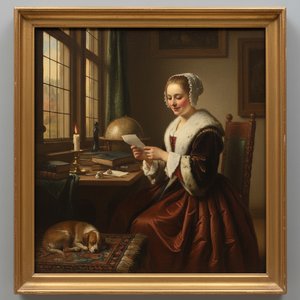
The Dropsical Woman
 Oil On Canvas
- WallArt
- Baroque
 1663
1663 86.0 x 67.0 cm
 متحف اللوفر
 عرض المزيد
نسخة زيتية مصنوعة يدوياً
لوحة زيتية مرسومة يدوياً على الكانفاس بالمقاس والإطار الذي تفضله، تُنفذ حسب الطلب على أيدي فنانينا. ( التحويل إلى المطبوعات الانتقال إلى الصورة الرقمية)




































اختر من بين أحجامنا المُعدّة مسبقًا والتي تتطابق مع النسب الأصلية للعمل الفني.

يمكنك إدخال أبعادك الخاصة لتناسب إطارًا معينًا أو مساحة محددة. وإذا لم يتطابق الحجم الذي اخترته مع نسب الصورة الأصلية، فسنقوم إما بقص العمل الفني أو توسيع اللوحة بإضافة عناصر مرسومة يدويًا. سيتم إرسال نموذج رقمي إليك للموافقة عليه قبل بدء الإنتاج.
يرجى ملاحظة أن المعاينة على الشاشة لا تعكس عملية القص أو التوسيع الفعلية؛ حيث إن النموذج الرقمي وحده هو الذي سيوضح التكوين النهائي بدقة.
وعلى الرغم من توفر أحجام مخصصة، إلا أننا نوصي باختيار أبعاد من القائمة المحددة مسبقًا للحفاظ على النسب الأصلية للعمل الفني.
بعد إتمام الطلب، سيرسل فريق OriginalUniqueArt.com بريداً إلكترونياً للعميل لطلب التعليمات وتزويده بمعاينة تجريبية (mockup).
توصيل عالمي إلى خلال 3 إلى 4 أسابيع بدلاً من المدة المعتادة البالغة 5 أسابيع. (13 سبتمبر). جودة لا تهاون فيها.

شحن سريع ومجاني لجميع أنحاء العالم

قماش كتان عالي الجودة

تأمين شحن شامل

ضمان استرداد الرسوم الجمركية

ضمان مطابقة الألوان الحقيقية

سياسة الإرجاع خلال 100 يوم (في حالات العيوب فقط)

ضمان استرداد نقدي بنسبة 100%

خصم عند طلب عدة قطع
 خيار الزجاج متاح فقط للمقاسات التي تقل عن 110 سم

The Dropsical Woman
خامة إعادة الإنتاج
مقاس النسخة المطبوعة
-


السعر الإجمالي النهائي
$ 350
A Moment Frozen in Time: Gerrit Dou’s “The Dropsical Woman”
The Dutch Golden Age witnessed an explosion of artistic innovation, fueled by burgeoning commerce and intellectual curiosity. Among the luminaries of this era stood Gerrit Dou (1613-1675), a painter whose meticulous approach to genre scenes cemented his reputation as one of Leiden’s most celebrated fijnschilders – “fine painters.” His masterpiece, “The Dropsical Woman,” transcends mere representation; it's an exquisitely crafted tableau that speaks volumes about the anxieties and affections of its time. Painted in 1663, this oil on canvas depicts a poignant domestic scene within a richly appointed bedroom, capturing a fleeting moment of compassion amidst unspoken sorrow.Composition and Technique: Mastery of Light and Illusion
Dou’s technique is characterized by an unparalleled level of detail and realism achieved through painstaking layering and glazing—a hallmark of Leiden’s artistic tradition. The artist skillfully employs chiaroscuro – dramatic contrasts between light and shadow – to sculpt the figures and illuminate the interior space. Notice how a single window casts a warm glow upon the woman’s face, highlighting her serene expression while simultaneously enveloping the room in subdued darkness. This masterful manipulation of light isn't merely aesthetic; it serves to heighten the emotional impact of the scene, emphasizing vulnerability and conveying a palpable sense of melancholy. The artist meticulously renders textures – from the velvety draperies to the smooth skin of the woman – creating an immersive experience for the viewer. Impasto brushstrokes are particularly prominent on the fabrics and walls, adding depth and physicality to the composition. Furthermore, Dou’s use of trompe l'oeil—optical illusions—adds another layer of sophistication, subtly blurring the boundaries between reality and artifice.Historical Context: Anxiety and Domestic Tranquility
“The Dropsical Woman” emerges from a period marked by significant social and intellectual upheaval. The Dutch Republic wrestled with religious tensions following the Thirty Years’ War, grappling with questions of faith and morality. Yet, amidst this turmoil, Dou captures a scene of quiet domesticity—a woman lying in bed attended by her husband and daughter—representing an idealized vision of familial care and devotion. This depiction reflects the prevailing humanist sensibilities of the era, emphasizing human compassion and empathy. The painting’s subject matter speaks to broader themes of illness, grief, and the importance of nurturing relationships during times of hardship. It's a testament to Dou’s ability to distill complex emotions into a single, unforgettable image.Symbolism: Layers of Meaning Beneath the Surface
Beyond its technical brilliance, “The Dropsical Woman” is laden with symbolic significance. The woman’s unconscious posture suggests fragility and vulnerability—a reflection of the anxieties surrounding mortality prevalent during Dou's lifetime. Her husband and daughter offer solace and support, embodying ideals of paternal love and filial piety. The muted color palette contributes to the painting’s somber mood, reinforcing the pervasive atmosphere of sorrow. However, the subtle illumination emanating from the window symbolizes hope—a glimmer of light amidst darkness—suggesting that even in moments of despair, compassion and tenderness endure.Emotional Impact: A Window into Human Experience
Ultimately, “The Dropsical Woman” resonates deeply with viewers because it captures a universal human experience – caring for someone afflicted by illness or grief. Dou’s masterful rendering of emotion transcends time, inviting contemplation on themes of empathy, devotion, and the enduring power of familial bonds. It stands as an exceptional example of Baroque artistry, demonstrating not only technical prowess but also profound insight into the complexities of human psychology. Reproductions of this iconic artwork offer a captivating glimpse into the artistic spirit of the Dutch Golden Age and continue to inspire admiration for its beauty and emotional depth.السيرة الذاتية للفنان
حياة ورسالة جيريت دو: فنان العصر الذهبي الهولندي
ولد جيريت (جيرارد) دو في 7 أبريل عام 1613 في مدينة ليدن الهولندية، ليصبح أحد أبرز فناني العصر الذهبي الهولندي. لم تكن حياته مجرد مسيرة فنية، بل قصة شغف بالتفاصيل وإتقان الضوء والظل، ترك من خلالها إرثًا فنيًا لا يزال يسحر عشاق الفن في جميع أنحاء العالم. توفي دو في 9 فبراير عام 1675، تاركًا وراءه مجموعة رائعة من اللوحات التي تعكس دقة الصنعة وعمق الرؤية.أسلوب دو الفني وتخصصه
تميز أسلوب جيريت دو الفني بالدقة المتناهية والاهتمام بالتفاصيل الصغيرة، وغالبًا ما ركز على مشاهد الحياة اليومية ولوحات "المنشأة" الخادعة للعين. كان إتقانه لتقنية الكياروسكورو (تلاعب الضوء والظل) ملحوظًا بشكل خاص، كما يتضح في لوحاته الليلية المضاءة بالشموع. هذا المزج الفريد من المهارات أكسبه مكانة مرموقة بين فناني مدرسة ليدن الدقيقة ("Leiden Fijnschilders"). لم يكن دو مجرد رسام للمشاهد، بل كان فنانًا يتقن تصوير الجو العام والإحساس بالدفء والحميمية في أعماله.أعماله البارزة والمجموعات الفنية
من بين أشهر أعمال جيريت دو لوحة "عالم الفلك بالشموع"، والتي تعرض براعته في التقاط دقة الضوء والظل وتفاصيل الأدوات العلمية. يمكن مشاهدة هذه اللوحة الرائعة على موقع OriginalUniqueArt.com. بالإضافة إلى ذلك، تضم مجموعة ليدن في نيويورك أعمالًا مهمة للدو وغيره من الفنانين البارزين. يمكن استكشاف المزيد حول المجموعة على موقع OriginalUniqueArt.com. لم تقتصر أعمال دو على هذه اللوحات فحسب، بل شملت أيضًا العديد من الصور الشخصية ولوحات تصوير الحياة الداخلية التي تعكس أسلوبه الفريد ورؤيته المميزة.تأثيره وإرثه الفني
ترك جيريت دو بصمة واضحة على الأجيال اللاحقة من الفنانين، حيث تأثر به تلاميذه مثل فرانس فان ميريس الأكبر وغابرييل متسو. وقد عُرضت أعماله في العديد من المتاحف والمعارض الفنية حول العالم، بما في ذلك متحف هويس تن بوش في لاهاي بهولندا، والذي يضم مجموعة رائعة من الفنون الأوروبية من القرنين السادس عشر والثامن عشر.- حقائق رئيسية: * ولد: 7 أبريل 1613، ليدن، هولندا * توفي: 9 فبراير 1675 * أعمال بارزة: عالم الفلك بالشموع، مشاهد الحياة اليومية، لوحات الليل المضاءة بالشموع * أثر في: فرانس فان ميريس الأكبر، غابرييل متسو وغيرهم
- قراءات موصى بها: * جيريت (جيرارد) دو على OriginalUniqueArt.com * الرسم الهولندي الذهبي على ويكيبيديا
خلاصة
إن مساهمات جيريت (جيرارد) دو المتميزة في العصر الذهبي الهولندي تركت أثرًا لا يُمحى في عالم الفن. لوحاته الرائعة، التي تتميز بتفاصيلها الدقيقة واستخدامه المتقن للضوء والظل، تستمر في إلهام الفنانين وعشاق الفن على حد سواء. لاستكشاف المزيد من أعماله وأعمال فنانين بارزين آخرين، يرجى زيارة موقع OriginalUniqueArt.com.
غيريت دو
1613 - 1675 , هولندا
حقائق سريعة
- أعمال بارزة:
- فلكي في ضوء الشموع
- مشاهد منزلية
- الاسم الكامل: غيريت دو
- الجنسية: هولندي
- الحركة الفنية: فايينسشيلدر
- الفنانون المؤثرون: ['رمبرانت فان رين']
- الفنانون المتأثرون: ['فرانس فان ميريس']
- تاريخ الميلاد: 7 أبريل 1613
- تاريخ الوفاة: 9 فبراير 1675
- مكان الميلاد: لايدن، هولندا
مقالات ذات صلة

Mastering Light & Shadow: A Journey Through the Dutch Golden Age's Luminous Legacy
Embark on a cultural journey through the Dutch Golden Age. Explore the masterful interplay of light and shadow in 17th-century masterpieces, from Rembrandt to Vermeer, and discover how this era of profound realism continues to inspire fine art collectors today.

Golden Light & Dutch Skies: The Timeless Magic of Dutch Golden Age Landscapes
Discover the breathtaking beauty of Dutch Golden Age landscapes. Explore the mastery of light, chiaroscuro, and 17th-century realism through an expert art history lens, celebrating the enduring legacy of the Dutch Masters for discerning collectors and art lovers.

أفضل 10 روائع العصر الذهبي الهولندي: تحف فنية وجماليات منزلية خالدة | OriginalUniqueArt
اكتشف روائع العصر الذهبي الهولندي! استكشف 10 لوحات خالدة لرامبرانت، فيرمير وغيرهم. فن هولندي باروكي، ألوان آسرة وقصص فنية لا تُنسى. احصل على إعادة إنتاج عالية الجودة وتحف فنية لديكور منزلك مع OriginalUniqueArt.com

Golden Age Reflections: Dutch Baroque Painting & Cultural Innovation
Explore the Dutch Golden Age of painting! Discover key artists like Vermeer & ter Borch, their innovative techniques, and the rich cultural context behind these Baroque masterpieces. Learn about collecting & appreciating this iconic art period.
Gerrit Dou: Intimacy & Light in the Dutch Golden Age
Explore the exquisite world of Gerrit Dou, a master of Dutch Golden Age painting. Discover his intimate genre scenes, signature use of light, and lasting legacy. Learn about collecting Dou's works & their value.

