Dutch Golden Age · 1632
Heraklith (جيرار دو, 1632)
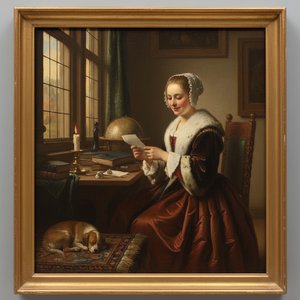
أبدع جيرار دو (1613–1675) في Heraklith. يعود تاريخها إلى 1632. تنتمي إلى حركة Dutch Golden Age. صُنعت من Oil On Canvas. تُحفظ في متحف الإرميتاج في سانت بطرسبرغ, روسيا. أبعادها 61 × 51 cm
- 1632
- Oil On Canvas
- 61 × 51 cm
- متحف الإرميتاج, سانت بطرسبرغ

 معاينة الحجم الواقعي

 لوحة زيتية مرسومة يدوياً
 مشاركة
 مشاركة
 ورقة الحقائق


 تحميل الملف
 قطع مشابهة
 الأشعة السينية
 عرض شرائح
 الأسئلة والأجوبة

 الإحصائيات
Heraklith باختصار
- العنوان
- Heraklith
- الفنان
- جيرار دو (1613–1675)
- تاريخ ميلاد الفنان
- ليدن, هولندا
- التاريخ
- 1632
- الوسيط الفني
- Oil On Canvas
- الأبعاد
- 61 × 51 cm
- أين يمكن مشاهدتها
- متحف الإرميتاج, سانت بطرسبرغ, روسيا
- الحركة
- Dutch Golden Age
- الحقبة
- Early Modern
- الموضوع
- portrait, scholar, globe, knowledge, wisdom, age
ماذا يصور Heraklith؟
Heraklith: A Portrait of Scholarly Reflection
“Heraklith,” painted in 1632 by Gerrit Dou, stands as a testament to the Dutch Golden Age’s fascination with realism and psychological depth. More than just a depiction of an elderly man—likely a scholar or astronomer—it's a carefully constructed tableau designed to convey wisdom, contemplation, and the profound influence of knowledge.
- Subject Matter: The artwork portrays a dignified gentleman seated at a table before him, illuminated by candlelight. His gaze is downward, focused on a globe – a potent symbol representing exploration, scientific inquiry, and an awareness of the vastness of the universe.
- Style & Technique: Dou’s signature ‘fijnschilder’ style—characterized by meticulous detail and masterful chiaroscuro—is evident throughout. The artist employs subtle shading to sculpt the man's face and torso, creating a palpable sense of volume and texture. This technique elevates the portrait beyond mere representation, imbuing it with emotional resonance.
- Composition & Perspective: The oval frame lends an air of formality to the scene, while the shallow perspective draws the viewer’s eye directly to the central figure. Lines delineate facial features and clothing folds, guiding the gaze and reinforcing the composition's balance.
- Color Palette: Dominated by muted browns, creams, and dark reds, the color palette contributes to an atmosphere of solemn dignity. The subdued hues underscore the subject’s intellectual pursuits and evoke a feeling of quiet contemplation.
Exploring Dou’s Mastery of Light & Shadow
Gerrit Dou's unparalleled skill in chiaroscuro—the dramatic interplay between light and shadow—is arguably his most distinctive achievement. As seen prominently in “Heraklith,” this technique isn’t merely decorative; it serves to heighten the emotional impact of the portrait. The candlelight casts a soft glow upon the man’s face, highlighting wrinkles and emphasizing the contours of his features – details that reveal not only physical appearance but also the passage of time and experience.
- Symbolism: Beyond its aesthetic qualities, “Heraklith” carries significant symbolic weight. The globe represents intellectual curiosity and a desire to understand the world around us. It speaks to Dou’s belief in the transformative power of knowledge and invites viewers to consider the profound implications of scientific discovery.
- Historical Context: Painted during the Dutch Golden Age, “Heraklith” reflects the era's burgeoning interest in humanist ideals and its celebration of intellectual achievement. Dou’s work aligns with a broader artistic movement that sought to capture human psychology and emotion with unprecedented accuracy.
A Legacy of Detail & Emotion
"Heraklith" exemplifies Gerrit Dou’s dedication to capturing the essence of his subjects—both physically and psychologically. The artist's meticulous brushwork ensures that every nuance is rendered faithfully, creating a portrait that transcends mere likeness. It’s a piece that invites viewers to pause and contemplate the complexities of human experience, reminding us of the enduring beauty found in quiet reflection and intellectual pursuit.
- Collecting & Inspiration: Reproductions of “Heraklith” offer an opportunity to appreciate Dou's artistic genius and bring a touch of Dutch Golden Age elegance into any interior space. Explore similar artworks at WikiArt.org for further inspiration!
أي متحف يضم Heraklith؟
متحف الإرميتاج
سانت بطرسبرغ, روسيا
Origins and History of the Hermitage Museum The Hermitage Museum began in 1764. Its foundation traces back to the acquisition of a collection of 225 paintings from the Berlin merchant Johann Ernst Gotzkowsky. Catherine the Great initiated this collection, establishing the museum's presence in Saint Petersburg, Russia.


صور عالية الدقة لـ Heraklith

جيرار دو, Heraklith (1632), متحف الإرميتاج. ملك عام
أسئلة وإجابات حول Heraklith
في أي متحف يُعرض العمل الأصلي "Heraklith"؟
تُحفظ النسخة الأصلية من "Heraklith" للفنان جيرار دو في متحف الإرميتاج, سانت بطرسبرغ, روسيا، بينما تتيح لك هذه النسخة المطبوعة عرض العمل الفني في منزلك.
ما هي التقنية المستخدمة في تنفيذ "Heraklith" للفنان جيرار دو؟
ما هي أبعاد العمل الأصلي "Heraklith" للفنان جيرار دو؟
ماذا يصور "Heraklith" للفنان جيرار دو؟
تتمثل موضوعات "Heraklith" في portrait, scholar, globe, knowledge, wisdom, age, reflection, chiaroscuro.
هل يمكن إعادة إنتاج صورة "Heraklith" للفنان جيرار دو بحرية؟
إلى أي تيار فني تنتمي "Heraklith" للفنان جيرار دو؟
ينتمي العمل "Heraklith" إلى مدرسة Dutch Golden Age، وهي المدرسة التي تمثل التقليد الفني الذي يندرج ضمنه هذا العمل.
عن الفنان، جيرار دو

1613–1675, هولندا
جيرار دو
الحياة المبكرة، العائلة والتدريب ولد جيريت دو في السابع من أبريل عام 1613 في مدينة ليدن بهولندا، ونشأ في كنف أسرة كانت فيها الأضواء والزجاج جزءاً لا يتجزأ من تفاصيل الحياة اليومية، حيث كان والده يعمل في مهنة الزجاج والزخرفة على الزجاج. ومن المرجح أن هذا الانكشاف المبكر على التلاعب الدقيق بالضوء من خلال الزجاج قد ساهم في صقل رؤيته الفنية الناشئة؛ فقد كان والده هو من قدم له دروسه الأولى، غارساً في نفسه حساً بالدقة المتناهية التي ستصبح السمة المميزة لأعماله في سنواته اللاحقة. ومع حلول عام 1622، وهو في الرابعة عشرة من عمره، بدأ مرحلة التلمذة الفنية مع نقش النحاس بارثولوميو دوليندو، حيث تعلم على يد دوليندو أساسيات الرسم، وكيفية نقل الأشكال إلى السطح بعناية وقصد فني دقيق. استمر مسار تدريبه عبر العالم المتخصص لصناعة الزجاج، حيث قضى عامين في ورشة الزجاج الملون التابعة لبيتر كووينهورن.
وأيضاً لـ جيرار دو
 A Fisherman's Wife1653
 Self-Portrait1640
 An Evening School1655
 Portrait of an old woman reading1635

مقالات حول Heraklith
 Master of Shadows: The Top 25 Iconic Artworks by Gustave DoréExplore Gustave Doré's legendary engravings and dark Romanticism. Discover all masterpieces on OriginalUniqueArt.com.
 Master of Emotion: The 25 Greatest Artworks by Rogier van der WeydenImmerse yourself in the profound emotion of Rogier van der Weyden. Explore 25 iconic Early Netherlandish masterpieces, from intricate textu…
 Gerrit Dou: Intimacy & Light in the Dutch Golden AgeExplore the exquisite world of Gerrit Dou, a master of Dutch Golden Age painting. Discover his intimate genre scenes, signature use of ligh…