

 معاينة الحجم الواقعي
 إرسال
إرسال مشاركة
 عرض التفاصيل
 دليل الأعمال الفنية للطلاب

 تحميل
تحميل
 قطع مشابهة
 الأشعة السينية
 عرض شرائح متتابع
 الإحصائيات
Courbet

 اقرأ المزيد
إن العمل الفني المعروض في هذه الصفحة محمي بموجب قوانين حقوق الطبع والنشر، مما يعني أنه لا يحق لنا قانوناً إنشاء أو بيع نسخ مطابقة له. وتُطبق هذه الحماية بموجب الاتفاقيات الدولية مثل الـ اتفاقية برن ووفقاً للقوانين الوطنية، بما في ذلك تلك المنصوص عليها في قانون حقوق الطبع والنشر في الولايات المتحدة - الباب 17.
تتوافق هذه الطريقة تماماً مع لوائح حقوق النشر لأنها لا تتضمن نسخ أو تكرار العمل الفني المحمي، بل هي إعادة تفسير إبداعية؛ أي أنها لوحة جديدة مستوحاة من الأصل ولكنها ليست مطابقة له.
طباعة جيلي / مطبوعات فنية
طباعة جيكلي أو كانفاس بجودة المتاحف، مع سرعة في التنفيذ وخيارات متنوعة للتشطيب. ( اطلب نسخة مرسومة يدويًا التحويل إلى الصورة الرقمية)




P118B E£10

P118H E£10

P118W E£10

P438Z E£10

P508JH E£12

P508YH E£12

P805H E£10

P805Z E£10

P919BZ E£10

P919G E£10

P919XJ E£10

P959ZH E£10

P968JZ E£12

W106C E£8

W218G E£10

W218JH E£8

W218Y E£10

W307PJ E£10

W316G E£10

W316PJ E£8

W316Y E£10

W398PJ E£8

W4111J E£10

W500HY E£15

W500JH E£15

W692G E£12

W849H E£8

W940BG E£15

W953PJ E£8




اختر من بين أحجامنا المُعدّة مسبقاً والتي تتوافق مع النسب الأصلية للعمل الفني.

أدخل العرض والارتفاع اللذين تحتاجهما، ليتناسب مع إطارك أو جدارك. يمكن قص المطبوعة فقط، ولا يمكن أبداً جعلها أكبر من الصورة الأصلية، لذا فإن أي مقاس بشكل مختلف سيؤدي إلى فقدان جزء من الصورة. سنرسل لك نموذجاً رقمياً تجريبياً لاعتماده قبل البدء في عملية الطباعة. الصورة المعروضة في هذه الصفحة لا توضح القص الفعلي — النموذج التجريبي فقط هو ما يظهر ذلك.
توصيل عالمي إلى خلال أسبوعين بدلاً من المدة القياسية البالغة 4/5 أسابيع. (25 أكتوبر)

شحن سريع ومجاني لجميع أنحاء العالم

قماش كتان فاخر

تأمين شامل على الشحن

ضمان استرداد الرسوم الجمركية

ضمان دقة مطابقة الألوان

سياسة الإرجاع خلال 100 يوم (في حالات العيوب فقط)

ضمان استرداد نقدي بنسبة 100%

عرض خصم الكميات
 خيار الزجاج متاح فقط للمقاسات التي تقل عن 110 سم

Courbet
طباعة جيلي / مطبوعات فنية
مقاس النسخة المطبوعة
-


إجمالي السعر
E£ 4134
Gerhard Richter’s ‘Courbet’: A Fragmented Reflection on History and Perception
Gerhard Richter's 1965 painting, “Courbet,” isn’t a straightforward depiction of the French Realist Gustave Courbet; rather, it’s an intensely layered meditation on memory, representation, and the fractured nature of historical understanding. This work, rendered in Richter’s signature style – a masterful blend of photorealism and abstract gesture – invites viewers to confront not just an image, but the very process of seeing and remembering. The painting itself is deceptively simple: a vibrant, almost chaotic field of color dominated by reds, yellows, blues, greens, and oranges, punctuated by stark black shapes. These aren’t blended or seamlessly integrated; instead, they appear as fragments, echoes of something lost or obscured.
Richter's early career was profoundly shaped by the tumultuous history of post-war Germany. Born in Dresden in 1932, he grew up amidst displacement and uncertainty, experiences that deeply informed his artistic approach. The painting’s fragmented composition mirrors this sense of dislocation – a visual representation of a past that is never fully accessible or entirely knowable. It's crucial to understand Richter’s context: the immediate post-war period in Germany was characterized by profound division, both physical and ideological. The constant shifting of borders, the trauma of war, and the lingering shadow of Nazi persecution created an atmosphere of instability and questioning. “Courbet” can be interpreted as a visual embodiment of this fractured reality – a painting that resists easy interpretation and demands active engagement from the viewer.
The Technique of Uncertainty: Richter’s Method
Richter's technique is central to understanding the work’s power. He employed a method he termed “photographic process,” which involved creating multiple versions of a single photograph, each subtly different. These variations were then painted onto a canvas, resulting in a composite image that retained traces of the original source while simultaneously introducing an element of uncertainty and ambiguity. In "Courbet," this technique is particularly evident in the layering of colors and the deliberate avoidance of sharp edges. The black shapes aren’t simply outlines; they seem to dissolve into the surrounding hues, blurring the boundaries between representation and abstraction.
The painting's surface itself contributes significantly to its effect. Richter often applied paint with a squeegee or spatula, creating textured surfaces that further disrupt any sense of photographic realism. This tactile quality invites viewers to engage physically with the artwork, adding another layer of sensory experience. The deliberate roughness contrasts sharply with the smooth, almost clinical appearance of many photorealistic paintings, highlighting Richter’s rejection of traditional artistic conventions.
Symbolism and Historical Allusion
The inclusion of “Courbet” in the title is deliberately provocative. Gustave Courbet was a pivotal figure in 19th-century French art, known for his commitment to depicting reality without idealization – a radical stance at the time. He famously painted scenes from everyday life, often featuring working-class subjects, challenging the established norms of academic painting. Richter’s use of Courbet's name suggests a dialogue with this legacy, but also a critical engagement with it. The fragmented nature of the image can be seen as a commentary on the way history is constructed and remembered – through selective narratives and incomplete accounts.
The vibrant colors themselves hold symbolic weight. Red often represents passion, energy, or even danger; yellow suggests optimism and enlightenment, while blue evokes melancholy and introspection. The interplay of these hues creates a complex emotional landscape within the painting, reflecting the multifaceted nature of memory and experience. Furthermore, the black shapes can be interpreted as representing the absence of truth, the shadows that obscure our understanding of the past.
A Timeless Reflection: “Courbet” in the 21st Century
“Courbet” remains a powerfully resonant work today, precisely because it speaks to fundamental questions about perception, representation, and the nature of history. Richter’s exploration of uncertainty continues to resonate with contemporary viewers grappling with issues of truth, authenticity, and the complexities of the modern world. It's a painting that resists easy answers, inviting us to contemplate our own relationship to the past and the ways in which we construct our understanding of reality. A high-quality reproduction captures much of this nuanced complexity, offering a window into Richter’s extraordinary artistic vision.
الأسئلة والأجوبة
ما هو الشعور الذي تثيره ألوان "Courbet" للفنان غيرهارد ريشتر؟
تجمع لوحة "Courbet" للفنان غيرهارد ريشتر بين مجموعة ألوان Dark ونبرة Reflective.
ما هو الطابع العاطفي لـ "Courbet" للفنان غيرهارد ريشتر؟
ينقل عمل "Courbet" للفنان غيرهارد ريشتر نبرة عاطفية Reflective.
ما مدى سطوع "Courbet" للفنان غيرهارد ريشتر؟
تتمتع لوحة "Courbet" للفنان غيرهارد ريشتر بدرجة سطوع تبلغ Dark. ويصف السطوع مقدار الضوء الذي تبدو الألوان عاكسة له.
نبذة عن الفنان
نشأة في ظل الانقسام: سنوات الطفولة وتكوين الفنان جيرهارد ريشتر
تبدو قصة جيرهارد ريشتر متشابكة بعمق مع التاريخ الممزق لألمانيا في القرن العشرين. ولد في دريسدن عام 1932، تطور طفولته في ظل صعود نظام نازي متزايد. شكلت هذه الفترة التكوينية، التي اتسمت بالنزوح – حيث انتقلت عائلته عدة مرات خلال سنوات الحرب – لديه إحساس عميق بعدم اليقين وروح استفسارية كانت ستعمّ عمله الفني لعقود قادمة. سرعان ما أصبحت المناظر الطبيعية الهادئة في طفولته المبكرة في ريشناو ووالترزدورف مضطربة بسبب الصراع، تاركة بصمة لا تمحى على نفسيته. لقد سمحت له والدته بتنمية حب الأدب والموسيقى داخل العائلة، بينما سعى والده إلى التنقل في تعقيدات الحياة تحت الحكم الاستبدادي. هذا الثنائية – القبول العملي للظروف جنبًا إلى جنب مع التوق إلى التعبير الثقافي – أصبح سمة مميزة لنهجه الفني الخاص. بدأ التدريب الرسمي في أكاديمية دريسدن للفنون الجميلة عام 1951، حيث انغمس في تقليد الواقعية الاشتراكية الذي فرضته ألمانيا الشرقية. ومع ذلك، حتى داخل هذا البيئة المقيدة، اشتعلت الرغبة في الحرية الفنية، مدفوعة بخيبة أمل متزايدة في القيود الأيديولوجية ورغبة في استكشاف إمكانيات إبداعية أكثر اتساعًا.الهروب من القيود: دوسلدورف واستكشاف الأسلوب
أثبت عام 1961 أنه نقطة تحول حاسمة. اتخذ ريشتر، مع زوجته ماريان إيفينجر، قرارًا جريئًا بالفرار من ألمانيا الشرقية، والبحث عن ملاذ في مشهد الفن المزدهر في دوسلدورف. لقد أشارت هذه الخطوة إلى تحول جذري في مساره الفني. قدم المشهد الألماني الغربي بيئة مُحررة حيث لم يُسمح بالتجريب والابتكار فحسب، بل شُجع أيضًا بنشاط. في دوسلدورف، واجه مجتمعًا نابضًا بالحياة من الفنانين الذين يتصارعون مع أسئلة الهوية والتمثيل وتراث التاريخ. بدأ بسرعة في تفكيك القواعد الأسلوبية الصارمة للواقعية الاشتراكية، وانطلق في فترة استكشاف مكثفة ستحدد عمله الناضج المبكر. شهدت هذه الحقبة تذبذبه بين مناهج تبدو متباينة – من الواقعية التصويرية، التي تعيد ببراعة صورًا فوتوغرافية بدقة مذهلة، إلى تركيبات مجردة تتميز بألوان جريئة ولطمس ديناميكي. أدت علاقته بسيجمار بولكه إلى صياغة مصطلح "الواقعية الرأسمالية"، وهو تصنيف غامض عن عمد يعكس شكوكهم المشتركة تجاه الأعراف الفنية الراسخة واقتباسهم للصور من الإعلانات ووسائل الإعلام الجماعية. لم يكن هذا يتعلق بإيجاد *أسلوب*، بل بتحدي فكرة التماسك الأسلوبي نفسه، وتبني التناقض كمبدأ أساسي.تلطيخ الحدود: الواقعية التصويرية والتجريد وفرصة الصدفة
توسع المفردات الفنية لريشتر خلال الستينيات وما بعدها، ليشمل مجموعة مذهلة من التقنيات والمواضيع. أعماله الواقعية التصويرية، غالبًا ما تعتمد على صور عائلية أو صور من الصحف، ليست مجرد نسخ للواقع ولكنها تحقيقات في طبيعة الإدراك والتمثيل. من خلال إعادة تقديم هذه الصور بميلان تقريبًا سريري، يجبر المشاهدين على مواجهة الغموض المتأصل في حقيقة التصوير الفوتوغرافي. في الوقت نفسه، تعمق ريشتر في التجريد، وخلق لوحات متعددة الطبقات بألوان نابضة بالحياة وعلامات إيماءية. غالبًا ما يتم إنشاء هذه الأعمال المجردة باستخدام تقنية فريدة تتضمن استخدام مكشطات – وهي أدوات تستخدم عادة لتنظيف النوافذ – والتي يسحبها عبر سطح اللوحة، ويتلاعب بالطلاء بطرق غير متوقعة. هذا الاحتضان للصدفة والعفوية هو جوهر فلسفته الفنية، مما يسمح له بالتخلي عن السيطرة ودعوة النتائج غير المتوقعة. تحدي أعماله "مخططات الألوان" - ترتيبات منهجية من المربعات الملونة – لمفاهيم التعبير الفني التقليدية، وتسأل عن تعريف الرسم نفسه. هذه الأعمال ليست حول تفضيلات الجمال الفردية ولكنها تتعلق باستكشاف خصائص اللون وإمكانياته التنظيمية.الإرث والتأثير: سيد الفن المعاصر
إن تأثير جيرهارد ريشتر على فنون العصر الحديث لا يمكن إنكاره. إن استعداده لتحدي التقاليد، وتجربته التي لا هوادة فيها مع التقنية، وانخراطه العميق في الموضوعات التاريخية والسياسية قد أسس له مكانة أحد أهم الفنانين في عصرنا. لقد قاوم باستمرار السعي إلى التصنيف السهل، متحديًا المحاولات لوضع عمله في إطار عمل أسلوبي واحد. هذا الرفض للتحديد، جنبًا إلى جنب مع براعته التقنية وصرامته الفكرية، أكسبه استحسانًا نقديًا ونجاحًا تجاريًا واسع النطاق – غالبًا ما تحقق أعماله أسعارًا قياسية في المزادات. ومع ذلك، فإن الأهم من القيمة السوقية يكمن معنى أعمق. يتحدث فن ريشتر عن تعقيدات الوجود الحديث، ويتصارع مع قضايا الذاكرة والهوية والبحث عن المعنى في عالم مجزأ. إنه لا يقدم إجابات بل يطرح أسئلة، ويدعو المشاهدين إلى مواجهة مفاهيمهم المسبقة والانخراط في حوار نقدي. يمكن رؤية تأثيره في عمل العديد من الفنانين الذين ساروا على خطاه، مفتونين بتقنياته المبتكرة والتزامه الثابت بالاستكشاف الفني. إن إرث ريشتر لا يتعلق ببساطة بإنشاء كائنات جميلة؛ بل يتعلق بتوسيع إمكانيات الرسم نفسه. إنه يظل قوة حيوية في فن العصر الحديث، حيث يستمر في إلهام وإثارة الجماهير بعمليته الصعبة والعميقة الرنين.
غيرهارد ريشتر
1932 - , ألمانيا
لمحة سريعة
- أعمال فنية بارزة:
- لوحة مجردة 610-1
- جليبت
- س. مع طفل
- 18 أكتوبر 1977
- الاسم الكامل: غيرهارد ريشتر
- الجنسية: ألمانية
- الحركة الفنية أو النمط:
- التصوير الفوتوغرافي الواقعي
- التجريد
- الواقعية الرأسمالية
- الفنانون أو الحركات المتأثرة بهذا الفنان: رسامو معاصرون
- الفنانون الذين أثروا في هذا الفنان:
- بابلو بيكاسو
- جان أرب
- تاريخ الميلاد: 9 فبراير 1932
- مكان الميلاد (مدينة وبلد): درسدن، ألمانيا
مقالات ذات صلة

Kandinsky's Masterpieces: 25 Paintings That Define Abstract Art | OriginalUniqueArt
Journey through Wassily Kandinsky's 25 most iconic abstract paintings. Explore his revolutionary use of color, form & spiritual expressionism. Find museum-quality Kandinsky reproductions and elevate your home decor with OriginalUniqueArt.com. Discover all masterpieces on OriginalUniqueArt.com!

أعلى 10 روائع تحدد الرمزية التعبيرية: رحلة في الفن الراقي و لوحات مميزة
اكتشف روائع الرمزية التعبيرية! استكشف 10 لوحات أيقونية مع جاكسون بولوك ومارك روثكو. قصص فنانين، تقنيات فريدة، وأعمال خالدة. احصل على لوحات مميزة لديكور منزلك الفاخر. تسوق الآن على OriginalUniqueArt.com!

Romantic Realism's Finest: 10 Masterpieces for Your Home | OriginalUniqueArt
Explore 10 defining masterpieces of Romantic Realism! Discover Courbet, Millet & Daumier's powerful paintings—capturing emotion and social realities. Find museum-quality reproductions for your home at OriginalUniqueArt.com.

Gerhard Richter: A Retrospective on Abstraction, Memory & the Photographic Source
Explore the profound world of Gerhard Richter's abstract paintings. Discover his techniques, influences, and lasting impact on contemporary art – a guide for discerning collectors.
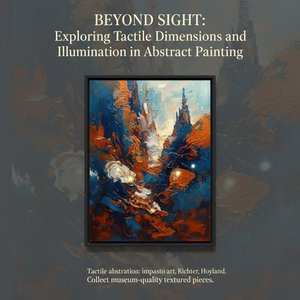
Beyond Sight: Exploring Tactile Dimensions and Illumination in Abstract Painting
Explore the captivating world of tactile abstraction! Discover impasto techniques, influential artists like Richter & Hoyland, and expert insights for collecting textured art. Elevate your space with museum-quality pieces.


