

 معاينة الحجم الواقعي
 إرسال
إرسال مشاركة
 عرض التفاصيل
 دليل الأعمال الفنية للطلاب

 تحميل
تحميل
 قطع مشابهة
 الأشعة السينية
 عرض شرائح متتابع
 الإحصائيات
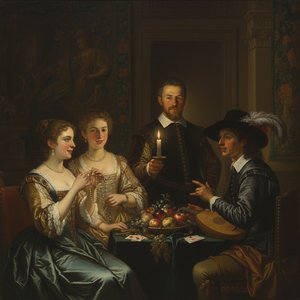
The Visit
 Oil On Canvas
- WallArt
- Dutch Golden Age Genre
 78.0 x 74.0 cm
 Staatliches Museum
 اقرأ المزيد
طباعة جيلي / مطبوعات فنية
طباعة جيكلي أو كانفاس بجودة المتاحف، مع سرعة في التنفيذ وخيارات متنوعة للتشطيب. ( اطلب نسخة مرسومة يدويًا التحويل إلى الصورة الرقمية)




P118B E£10

P118H E£10

P118W E£10

P438Z E£10

P508JH E£12

P508YH E£12

P805H E£10

P805Z E£10

P919BZ E£10

P919G E£10

P919XJ E£10

P959ZH E£10

P968JZ E£12

W106C E£8

W218G E£10

W218JH E£8

W218Y E£10

W307PJ E£10

W316G E£10

W316PJ E£8

W316Y E£10

W398PJ E£8

W4111J E£10

W500HY E£15

W500JH E£15

W692G E£12

W849H E£8

W940BG E£15

W953PJ E£8




اختر من بين أحجامنا المُعدّة مسبقاً والتي تتوافق مع النسب الأصلية للعمل الفني.

أدخل العرض والارتفاع اللذين تحتاجهما، ليتناسب مع إطارك أو جدارك. يمكن قص المطبوعة فقط، ولا يمكن أبداً جعلها أكبر من الصورة الأصلية، لذا فإن أي مقاس بشكل مختلف سيؤدي إلى فقدان جزء من الصورة. سنرسل لك نموذجاً رقمياً تجريبياً لاعتماده قبل البدء في عملية الطباعة. الصورة المعروضة في هذه الصفحة لا توضح القص الفعلي — النموذج التجريبي فقط هو ما يظهر ذلك.
توصيل عالمي إلى خلال أسبوعين بدلاً من المدة القياسية البالغة 4/5 أسابيع. (23 أكتوبر)

شحن سريع ومجاني لجميع أنحاء العالم

قماش كتان فاخر

تأمين شامل على الشحن

ضمان استرداد الرسوم الجمركية

ضمان دقة مطابقة الألوان

سياسة الإرجاع خلال 100 يوم (في حالات العيوب فقط)

ضمان استرداد نقدي بنسبة 100%

عرض خصم الكميات
 خيار الزجاج متاح فقط للمقاسات التي تقل عن 110 سم

The Visit
طباعة جيلي / مطبوعات فنية
مقاس النسخة المطبوعة
-


إجمالي السعر
E£ 4136
A Window Into Seventeenth-Century Domestic Life: Exploring Gerard Ter Borch’s “The Visit”
Gerard ter Borch, a pivotal figure in Dutch Golden Age art history, stands as a beacon of psychological realism and meticulous observation within the genre of domestic painting. Born in Zwolle in 1617, he embarked on an artistic journey that traversed Europe, absorbing influences from diverse artistic traditions – notably the Baroque – shaping his distinctive style and cementing his legacy as one of the era’s foremost masters. His sister, Gesina ter Borch, also pursued a career in painting, fostering a familial commitment to artistic excellence that would resonate throughout their lives. Ter Borch's oeuvre is characterized by an unparalleled sensitivity to capturing subtle emotions and nuanced interactions within seemingly commonplace settings—a hallmark that distinguishes him from many of his contemporaries.Composition and Technique: Mastering Light and Texture
“The Visit,” painted circa 1655, exemplifies ter Borch’s masterful command of technique. Executed in oil on canvas – a medium favored for its ability to achieve remarkable luminosity and textural detail – the artwork presents four figures engaged in conversation within a richly furnished bedroom. The artist skillfully employs chiaroscuro—the dramatic interplay between light and shadow—to sculpt the forms of the women seated on a bench and the men standing nearby, creating an illusionistic depth that draws the viewer into the scene. Ter Borch’s meticulous brushwork captures the delicate weave of fabric, the sheen of polished surfaces, and the subtle nuances of skin tones with astonishing accuracy. This painstaking attention to detail underscores ter Borch's dedication to portraying reality as faithfully as possible—a cornerstone of his artistic philosophy.Symbolism Within Everyday Reality: Decoding Gestures and Expressions
Beyond its technical brilliance, “The Visit” is laden with symbolic significance. The bed draped in a scarlet blanket serves as a visual anchor, representing comfort, intimacy, and perhaps even unspoken desires. The postures and gestures of the figures convey a complex tapestry of emotions—ranging from polite cordiality to veiled apprehension—reflecting the psychological depth that ter Borch sought to achieve. Scholars have interpreted subtle facial expressions and glances as indicators of hidden agendas and unspoken feelings, prompting ongoing debate about the artwork’s intended message. Ter Borch's ability to transform ordinary domestic life into a vehicle for profound emotional exploration distinguishes him from many other artists of his time.Historical Context: Reflecting Dutch Society’s Values
“The Visit” emerged during a period of considerable social and intellectual ferment in Holland—the Dutch Golden Age (approximately 1648-1702). This era witnessed unprecedented economic prosperity, fueled by maritime trade and colonial expansion, fostering a vibrant cultural landscape characterized by artistic innovation and humanist ideals. Genre painting flourished as a response to the prevailing fascination with portraying the realities of everyday life—a deliberate departure from grand mythological narratives favored by earlier Baroque artists. Ter Borch’s work reflects the Dutch obsession with moral virtue and social decorum—values that underpinned the nation's reputation for stability and sophistication.Emotional Resonance: Capturing Transient Moments
Ultimately, “The Visit” transcends its formal qualities to evoke a powerful emotional response in the viewer. The artwork captures a fleeting moment of human connection—a conversation between friends or family members—rendered with breathtaking tenderness and sensitivity. Ter Borch’s masterful depiction of psychological realism invites contemplation about the complexities of human relationships and the enduring power of unspoken emotions. Like many of his contemporaries, ter Borch aimed to elevate genre painting beyond mere visual representation, transforming it into a medium for conveying profound truths about the human condition—a testament to his artistic genius and lasting influence on art history.Location: Staatliches Museum Schwerin
The Staatliches Museum Schwerin houses an impressive collection of artworks from various periods and styles. You can find more information about the museum on Wikipedia: https://en.wikipedia.org/wiki/Staatliches_Musالأسئلة والأجوبة
ما مدى سطوع "The Visit" للفنان جيرارد تير بورخ؟
تُظهر ألوان "The Visit" سطوعاً بمستوى Dark.
ما الذي تشترك فيه "The Visit" مع بقية أعمال جيرارد تير بورخ؟
ينتمي العمل "The Visit" إلى أعمال جيرارد تير بورخ ضمن مدرسة Dutch Golden Age Genre، والتي تشمل موضوعاتها المسجلة domestic intimacy, psychological realism, genre painting style, dutch artistic heritage, symbolic interior space.
هل يمكنني رؤية عرض بالأشعة السينية لـ "The Visit" للفنان جيرارد تير بورخ؟
تُعد صفحة الأشعة السينية لعمل "The Visit" للفنان جيرارد تير بورخ عرضاً تفاعلياً يتيح لك التمرير عبر إحدى عشر طبقة بصرية لصورة العمل الفني، بما في ذلك عرض بأسلوب الأشعة السينية (X-ray).
نبذة عن الفنان
رائد الرسم النوعي الهولندي
جيرارد تير بورخ، تلك الشخصية البارزة في العصر الذهبي الهولندي، ترك بصمة لا تُمحى في عالم الفن من خلال لوحاته النوعية التي تجسد تفاصيل الحياة. وُلد في ديسمبر 1617 ورحل عن عالمنا في 8 ديسمبر 1681، لتكون حياته بمثابة شهادة حية على براعته الفنية الاستثنائية.النشأة والتأثيرات الأولى
لم تُوثق تفاصيل حياة تير بورخ المبكرة بدقة كبيرة، ولكن من المعروف أنه جاب أرجاء أوروبا في رحلات واسعة شملت لندن وألمانيا وفرنسا وإسبانيا وإيطاليا؛ هذا الانفتاح الثقافي وسّع آفاقه الفنية وصقل أسلوبه الفريد. ولم يكن فنياً وحيداً في مسيرته، فقد سلكت شقيقته جيسينا تير بورخ طريق الرسم أيضاً، مما عزز الميول الفنية المتأصلة في عائلته.أعمال وإنجازات خالدة
تتجلى عبقرية تير بورخ في مجموعة من الروائع التي لا تُنسى، ومن أبرزها لوحة الرسالة، وهي تحفة فنية تستعرض مهارته الفائقة في التقاط الملامح الدقيقة للملمس والضوء. كما تبرز لوحة المحادثة اللطيفة، التي حُفرت بواسطة يوهان جورج ويله، لتجسد قدرة الفنان المذهلة على نقل المشاعر الدقيقة والمعقدة. وفي أعماله المبكرة، نجد لوحة رجل على حصان (1634) التي أظهرت موهبته الناشئة، وصولاً إلى لوحة وصول أدريان باو إلى مونستر (1646)، وهي قطعة هامة تسلط الضوء على قدراته السردية في الرسم.متاحف ومجموعات تحتضن إرثه
ينتشر إرث تير بورخ في أعرق المتاحف العالمية؛ حيث يضم متحف الهيرميتاج واحدة من أكبر مجموعاته بستة أعمال فنية، بينما يعرض متحف برلين ست قطع فنية تبرز جاذبيته الدولية، ويحتضن مركز جيتي ثلاثاً من لوحاته ضمن مجموعته المرموقة.الأثر والخلود
إن تأثير تير بورخ على الرسامين الهولنديين، أمثال غابرييل ميتسو، وجيريت دو، وإيغلون فان دير نيير، ويوهانس فيرمير، هو أمر موثق وملموس؛ فقد جعل منه نهجه المبتكر في الرسم النوعي شخصية محورية في تاريخ الفن.- للمزيد حول حياة وأعمال تير بورخ، تفضل بزيارة https://OriginalUniqueArt.com/@/gerard-ter-borch
- استكشف متحف بويجمان فان بينينجن في روتردام، هولندا، الذي يضم أعمالاً لمعاصري تير بورخ عبر الرابط: https://OriginalUniqueArt.com/@@/a@d3arrk-museum-boijmans-van-beuningen-rotterdam-netherlands
- تعرف أكثر على العصر الذهبي الهولندي وأبرز فنانيه عبر https://en.wikipedia.org/wiki/dutch_golden_age

جيرارد تير بورخ
1617 - 1681 , هولندا
لمحة سريعة
- أعمال فنية بارزة:
- الرسالة
- المحادثة اللطيفة
- رجل على حصان
- وصول أدريان باو إلى مونستر
- الاسم الكامل: جيرارد تير بورخ
- الجنسية: هولندي
- الحركة الفنية أو الأسلوب: لوحة النوع (Genre painting)
- الفنانون أو الحركات المتأثرة بهذا الفنان: ['دييغو فيلازكيز']
- الفنانون الذين أثروا في هذا الفنان:
- غابرييل ميتسو
- غيريت دو
- إيغلون فان دير نيير
- يوهانس فيرمير
- تاريخ الميلاد: ديسمبر 1617
- تاريخ الوفاة: 8 ديسمبر 1681
- مكان الميلاد: زويل، هولندا
مقالات ذات صلة

Gerard ter Borch: Intimacy & Light in the Dutch Golden Age
Explore the captivating world of Gerard ter Borch, a master of Dutch Golden Age genre painting. Discover his intimate scenes, masterful light, and lasting influence on art history. Learn more at OriginalUniqueArt.

Golden Age Reflections: Dutch Baroque Painting & Cultural Innovation
Explore the Dutch Golden Age of painting! Discover key artists like Vermeer & ter Borch, their innovative techniques, and the rich cultural context behind these Baroque masterpieces. Learn about collecting & appreciating this iconic art period.
Gerard van Honthorst: Illuminating the Dutch Golden Age with Caravaggism & Courtly Grace
Explore the captivating world of Gerard van Honthorst, a Dutch Golden Age master renowned for his dramatic chiaroscuro & courtly portraits. Discover his life, art, and lasting influence on Baroque painting.

Chiaroscuro and Character: A Definitive Guide to Light and Shadow in the Dutch Baroque Era
Explore the dramatic mastery of the Dutch Baroque era. Discover how masters like Rembrandt used chiaroscuro to transform everyday life into timeless art. An expert guide for collectors and enthusiasts seeking to understand the profound interplay of light and shadow.

Dutch Baroque Masters: 10 Paintings That Shaped an Era | OriginalUniqueArt
Journey through the Golden Age with our guide to the Top 10 Dutch Baroque masterpieces! Explore iconic paintings by Rembrandt, Vermeer & Frans Hals. Find museum-quality art reproductions and elevate your home decor at OriginalUniqueArt.com.
