 معاينة الحجم الحقيقي
 مشاركة
 مشاركة
 التفاصيل

 تحميل الملف
 قطع مشابهة
 الأشعة السينية
 عرض شرائح
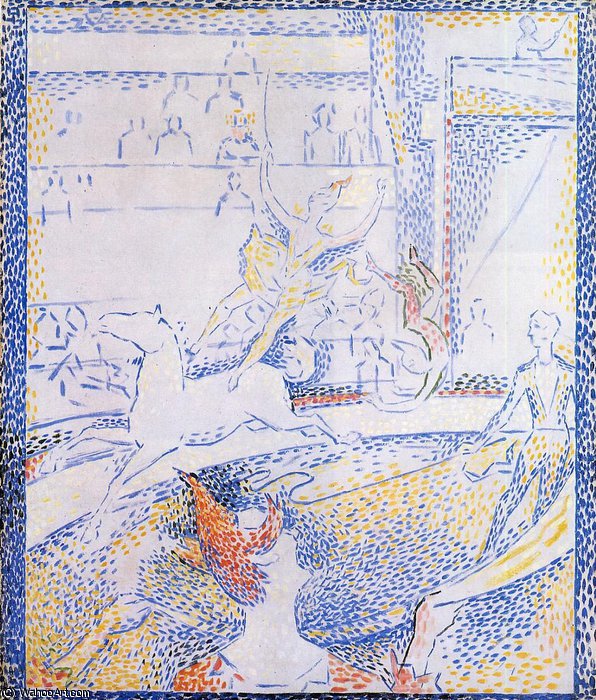
The Circus (Study)

 عرض المزيد
طباعة جيلي / مطبوعات فنية
طباعة جيكلي أو كانفاس بجودة المتاحف، مع سرعة في التنفيذ وخيارات متنوعة للتشطيب. ( اشترِ لوحة مرسومة يدويًا اشترِ الصورة)




P118B $10

P118H $10

P118W $10

P438Z $10

P508JH $12

P508YH $12

P805H $10

P805Z $10

P919BZ $10

P919G $10

P919XJ $10

P959ZH $10

P968JZ $12

W106C $8

W218G $10

W218JH $8

W218Y $10

W307PJ $10

W316G $10

W316PJ $8

W316Y $10

W398PJ $8

W4111J $10

W500HY $15

W500JH $15

W692G $12

W849H $8

W940BG $15

W953PJ $8




اختر من بين أحجامنا المُعدّة مسبقًا والتي تتطابق مع النسب الأصلية للعمل الفني.

يمكنك إدخال أبعادك الخاصة لتناسب إطاراً أو مساحة معينة. وإذا لم يتطابق الحجم الذي اخترته مع نسب الصورة الأصلية، فسنقوم إما بقص العمل الفني أو تمديد الصورة باستخدام حافة معكوسة أو بلون مصمت. سيتم إرسال نموذج تجريبي رقمي لاعتمادك قبل بدء الإنتاج.
يرجى ملاحظة أن المعاينة على الشاشة لا تعكس عملية القص أو التمديد الفعلية؛ حيث سيوضح النموذج التجريبي فقط التكوين النهائي بدقة.
وعلى الرغم من توفر أحجام مخصصة، إلا أننا نوصي باختيار أبعاد من القائمة المحددة مسبقاً للحفاظ على النسب الأصلية.
توصيل عالمي إلى خلال أسبوعين بدلاً من المدة القياسية البالغة 4/5 أسابيع. 17 أغسطس

شحن سريع ومجاني لجميع أنحاء العالم

قماش كتان عالي الجودة

تأمين شحن شامل

ضمان استرداد الرسوم الجمركية

ضمان مطابقة الألوان الحقيقية

سياسة الإرجاع خلال 60 يومًا (في حالات العيوب فقط)

ضمان استرداد نقدي بنسبة 100%

خصم عند طلب عدة قطع
 خيار الزجاج متاح فقط للمقاسات التي تقل عن 110 سم

The Circus (Study)
طباعة جيلي / مطبوعات فنية
مقاس النسخة المطبوعة
-


السعر الإجمالي النهائي
$ 80
وصف القطعة الفنية
Georges Pierre Seurat: A Pioneer of Luminous Precision
Georges Pierre Seurat, born in Paris on December 2, 1859, stands as a monumental figure in the artistic landscape of late nineteenth-century France—a pivotal innovator who irrevocably altered painting’s trajectory toward modern art. His tragically brief career – spanning just over a decade – nevertheless cemented his legacy through the audacious development of Pointillism, a revolutionary technique rooted in scientific observation and driven by an unwavering commitment to capturing optical reality. Seurat's story isn’t merely one of artistic accomplishment; it’s a testament to intellectual curiosity, meticulous dedication, and a profound sensitivity to the transformative power of light and color—qualities that distinguished him from his contemporaries and continue to resonate powerfully with audiences worldwide. His formative years were marked by a comfortable upbringing fostered by his father, Antoine Chrysostome Seurat, who transitioned from legal profession to property speculation, providing Georges with invaluable resources for pursuing his artistic ambitions. Early exposure to art education ignited a lifelong passion, propelling him toward formal training and establishing the bedrock of his future creative explorations. He began honing his skills at the École Supérieure des Beaux-Arts in Paris, immersing himself in the burgeoning Impressionist movement while simultaneously grappling with the intellectual currents shaping European thought. This dual engagement—aesthetic appreciation alongside scientific inquiry—would prove instrumental in formulating the groundbreaking principles underpinning Pointillism.The Birth of Pointillism: Science Meets Art
Seurat’s artistic breakthrough arrived not from spontaneous inspiration but from a deliberate confrontation with the theories of Eugène Chevreuil and Michel Guérard Du Maurier regarding color perception. These scientists championed the idea that color is perceived as resulting from the blending of wavelengths emitted by objects, rather than through pigment mixing—a concept radically opposed to the Impressionists’ focus on capturing fleeting atmospheric effects. Recognizing the potential for translating scientific understanding into artistic practice, Seurat embarked upon a systematic investigation into optical illusion and developed Pointillism as his response. This technique involved applying tiny dots of pure color onto canvas, meticulously arranged according to mathematical calculations designed to maximize luminosity and achieve an astonishingly vibrant visual experience. Unlike Impressionists who blended pigments on the palette to create tonal variations, Seurat painstakingly built up images through successive layers of dots—a process that demanded immense patience and precision. The resulting paintings shimmer with an ethereal glow, capturing not merely what the eye sees but how it perceives color itself—a feat previously unattainable by conventional artistic methods.“Cirque”: A Symphony of Color and Observation
Among Seurat’s most celebrated works is “Cirque,” completed in 1887-8. This captivating Post-Impressionist masterpiece exemplifies the artist's mastery of Pointillism and offers a glimpse into his meticulous approach to artistic representation. The painting depicts a lively circus performance, capturing the energy and excitement of the spectacle with remarkable detail. Seurat’s careful observation informs every aspect of the composition—from the positioning of figures to the rendering of textures—resulting in an image that vibrates with color and movement. The scene unfolds against a backdrop of hazy sky tones, punctuated by bold splashes of crimson, ochre, and lemon yellow. These colors are applied as individual dots, strategically placed to create an illusion of blending and luminosity—a technique that distinguishes “Cirque” from the Impressionists’ softer palettes. Seurat's meticulous attention to light and color is palpable throughout the canvas, conveying not only a visual depiction but also an emotional resonance—a feeling of dynamism and wonder inspired by the spectacle before him. It stands as a testament to Seurat’s unwavering belief in the transformative power of scientific understanding applied to artistic expression.Legacy and Inspiration
Georges Pierre Seurat's contribution to art history transcends mere stylistic innovation; he fundamentally reshaped our perception of painting itself. His pioneering work paved the way for Fauvist artists like Henri Matisse and André Derain, who embraced bold color palettes and simplified forms—marking a decisive break from Impressionism’s aesthetic conventions. Today, “Cirque” continues to inspire artists and designers alike, serving as a powerful reminder that beauty can emerge from rigorous intellectual inquiry. Reproductions of this iconic artwork offer an opportunity to experience Seurat's luminous precision firsthand, elevating interior spaces with its vibrant hues and captivating composition—a timeless masterpiece embodying the spirit of artistic revolution.السيرة الذاتية للفنان
جورج سيوارت: رائد الدقة الضوئية ونافذة على الحياة الحديثة
في قلب باريس، في الثاني من ديسمبر عام 1859، بزغ نجم جورج بيير سيوارت، الفنان الذي أحدث ثورة في عالم الفن، ليس فقط بتقنياته المبتكرة بل برؤيته الفريدة للحياة العصرية. لم يكن سيوارت مجرد رسام، بل كان باحثًا دقيقًا، وعالمًا للألوان، وفنانًا يسعى إلى ترجمة العالم المرئي إلى لغة بصرية جديدة تمامًا. نشأ في كنف أسرة ميسورة الحال، أتاح له ذلك الحصول على تعليم فني جيد، بدءًا من دروس النحت والتصوير، وصولًا إلى دراسته في أكاديمية الفنون الجميلة، حيث اكتسب أساسًا متينًا في الرسم التقليدي. لكن سيوارت لم يكتفِ بالتقاليد الأكاديمية؛ بل سرعان ما بدأ في التساؤل عن القيود المفروضة عليها، وبحث عن طريقة أكثر علمية للتعبير عن رؤيته الفنية.من الجذور الأكاديمية إلى كرومولومينارزم
لم يكن التحول نحو أسلوبه المميز مفاجئًا، بل كان تطورًا تدريجيًا نابعًا من شغفه بالمعرفة والبحث العلمي. انغمس سيوارت في دراسة نظريات الألوان، مستلهمًا من أعمال علماء مثل ميشال شيفريول وأوجدن رود، اللذين استكشافا التأثيرات البصرية للألوان المتجاورة. هذا الغوص العميق في علم الألوان قاده إلى تطوير تقنية كرومولومينارزم – علم الألوان – وتطبيقها العملي من خلال النقطية. الفكرة بسيطة ظاهريًا: تطبيق نقاط صغيرة منفصلة من الألوان النقية على القماش، بحيث يدمجها عين المشاهد بصريًا لخلق تأثير متوهج وحيوي. لم يكن هذا مجرد أسلوب فني جديد، بل كان محاولة لفهم كيفية إدراك العين البشرية للضوء والألوان، وتسخير هذه المعرفة لإنشاء تجربة بصرية أكثر ديناميكية وجاذبية.محطات الابتكار: أعمال رئيسية ورؤية فنية
تجسدت قمة هذا البحث والتجريب في عمله الضخم "أحد الأحد بعد ظهرًا في جزيرة غراند جاتيه (1884-1886)"، وهو تحفة فنية أعلنت عن ميلاد الواقعية الجديدة. يصور هذا العمل الشهير باريسيين يستمتعون ببعد ظهر مشمس على ضفاف نهر السين، ويُظهر سيوارت تقنية النقطية بأبهى صورها. تبدو الشخصيات وكأنها تتلألأ وتنبض بالحياة، مما يخلق جوًا من السكون والهدوء. "حوريات في أسنيير (1884)"، عمل آخر مهم، استكشف موضوعات الراحة والحياة العصرية بأسلوبه المميز، مسبقًا النهج الأكثر دقة الذي نراه في *غراند جاتيه*. حتى تصويره للحياة الباريسية الحديثة، مثل "برج إيفل (1889)"، تحول من خلال تقنيته الفريدة، مما يجمع بين الحداثة الصناعية والابتكار الفني. هذه الأعمال لم تكن مجرد تمثيلات للمشاهد؛ بل كانت تجارب بصرية مدروسة بعناية، مصممة لاستكشاف إمكانات اللون والإدراك.إرث دائم: التأثير والأهمية التاريخية
على الرغم من حياته القصيرة – توفي سيوارت في سن مبكرة تبلغ 31 عامًا – كان تأثيره على عالم الفن عميقًا وواسع النطاق. تحدى عمله الأعراف الفنية التقليدية، ومهد الطريق أمام العديد من الحركات اللاحقة. أثرت رؤيته في الفنانين الانطباعيين الجدد، الذين تبنوا الألوان الجريئة والضربات الواضحة، وفي الفنانين التكعيبيين، الذين فككوا الأشكال إلى عناصر هندسية، وفي فنانين التعبيرية التجريدية، الذين أولوا الأولوية للكثافة العاطفية والإيماءات العفوية. لم يقتصر تأثيره على الجانب التقني فحسب؛ بل ترك وراءه مجموعة من الأعمال التي تلتقط جوهر الحياة الحديثة بدقة وجمال لا مثيل لهما، مما رسخ مكانته كواحد من رواد الفن الحديث. إن لوحاته تظل شهادة على قوة الملاحظة والتجريب والرغبة الإنسانية الدائمة في فهم العالم من خلال عدسة التعبير الفني.
جورج سيوْرا
1859 - 1891 , فرنسا
حقائق سريعة
- أعمال فنية بارزة:
- بعد ظهر أحد في جزيرة غراند جاتيه
- حوريات أسنيير
- البرج الحديدي
- الاسم الكامل: جورج بيير سورا
- الجنسية: فرنسي
- الحركة الفنية: الانطباعية الجديدة، النقطوية
- تاريخ الميلاد: 2 ديسمبر 1859
- فنانون أثروا فيه:
- ميشيل شيفريول
- أوجدن رود
- فنانون أو حركات تأثرت به:
- الفوفية
- التكعيبية
- التعبيرية التجريدية
- مكان الميلاد: باريس، فرنسا
مقالات ذات صلة

أعمال جورج سورا الخالدة: 25 تحفة فنية تزين منزلك بلمسة فنية راقية
اكتشف 25 تحفة فنية آسرة لجورج سورا، رائد النقطية والانطباعية الجديدة. استكشف قصص لوحاته الخالدة وألوانها المذهلة. احصل على إعادة إنتاج عالية الجودة لديكور منزلي فاخر على OriginalUniqueArt.com
أروع 25 لوحة لرينوار: رحلة في عالم الضوء والجمال | OriginalUniqueArt
اكتشف روعة أعمال رينوار! استكشف 25 لوحة انطباعية خالدة، ورحلة الفنان في عالم الضوء والجمال. طباعة فنية عالية الجودة لديكور منزلي فاخر على OriginalUniqueArt.com.
The Symphony of Dots: Unveiling the Luminous Magic and Optical Brilliance of Pointillism
Discover the luminous magic of Pointillism and the scientific brilliance of Georges Seurat. Explore our exquisite, hand-painted oil reproductions, meticulously crafted to bring the timeless elegance and optical beauty of Neo-Impressionism into your home with museum-grade quality.

أعلى 10 لوحات طبعت "المشهد الانطباعي": رحلة فنية في عالم الفن الراقي و الديكور
اكتشفوا 10 روائع فنية رسمت "المشهد الانطباعي"! رحلة في عالم مونيه، رينوار و بيسار. استلهموا ألوان الطبيعة و تقنيات الفنانين. ديكور منزلي راقي و لوحات زيتية مميزة. تسوقوا أعمالًا فنية أصيلة على OriginalUniqueArt.com

Impressionistic Realism's Finest: 10 Masterpieces for Your Home | OriginalUniqueArt
Journey through Impressionistic Realism with 10 iconic masterpieces by Monet, Renoir & Van Gogh. Explore art history, techniques & find museum-quality reproductions for your home at OriginalUniqueArt.com. Discover all masterpieces online!