معاينة الحجم الواقعي
 مشاركة
 مشاركة
 التفاصيل
 دليل
دليل

 تحميل الملف
 قطع مشابهة
 الأشعة السينية
 عرض شرائح
 Q&A
Q&A الإحصائيات
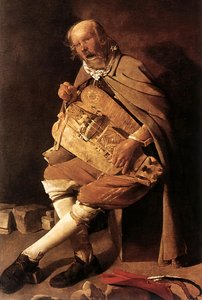
The Dice Players

- 92.0 x 131.0 cm


 عرض المزيد
طباعة جيلي / مطبوعات فنية
طباعة جيكلي أو كانفاس بجودة المتاحف، مع سرعة في التنفيذ وخيارات متنوعة للتشطيب. ( شراء لوحة مرسومة يدويًا الانتقال إلى الصورة الرقمية)




P118B E£10

P118H E£10

P118W E£10

P438Z E£10

P508JH E£12

P508YH E£12

P805H E£10

P805Z E£10

P919BZ E£10

P919G E£10

P919XJ E£10

P959ZH E£10

P968JZ E£12

W106C E£8

W218G E£10

W218JH E£8

W218Y E£10

W307PJ E£10

W316G E£10

W316PJ E£8

W316Y E£10

W398PJ E£8

W4111J E£10

W500HY E£15

W500JH E£15

W692G E£12

W849H E£8

W940BG E£15

W953PJ E£8




اختر من بين أحجامنا المُعدّة مسبقاً والتي تتوافق مع النسب الأصلية للعمل الفني.

أدخل العرض والارتفاع المطلوبين ليتناسب المقاس مع إطارك أو جدارك. يرجى الملاحظة أن المطبوعة يمكن قصها فقط ولا يمكن تكبيرها لتتجاوز أبعاد الصورة الأصلية، لذا فإن اختيار مقاس بأبعاد مختلفة سيؤدي إلى فقدان جزء من الصورة. سنرسل لك نموذجاً رقمياً تجريبياً لاعتماده قبل البدء في عملية الطباعة. الصورة المعروضة في هذه الصفحة لا توضح شكل القص الفعلي — النموذج التجريبي فقط هو ما يظهر ذلك بدقة.
توصيل عالمي إلى خلال أسبوعين بدلاً من المدة القياسية البالغة 4/5 أسابيع. (3 نوفمبر)

شحن سريع ومجاني لجميع أنحاء العالم

قماش كتان عالي الجودة

تأمين شامل على الشحن

ضمان استرداد الرسوم الجمركية

ضمان مطابقة الألوان الحقيقية

سياسة الإرجاع خلال 100 يوم (في حالات العيوب فقط)

ضمان استرداد نقدي بنسبة 100%

خصم عند طلب كميات
 خيار الزجاج متاح فقط للمقاسات التي تقل عن 110 سم

The Dice Players
طباعة جيلي / مطبوعات فنية
مقاس النسخة المطبوعة
-


إجمالي السعر النهائي
E£ 4184
A Moment Frozen in Shadow: Georges de La Tour’s ‘The Dice Players’
Georges de La Tour's “The Dice Players,” completed around 1650, is more than just a depiction of gambling; it’s an arresting exploration of faith and human vulnerability rendered with the masterful precision characteristic of Tenebrism—a technique that elevates this seemingly simple scene into a profound meditation on spirituality. Painted in stark contrast between light and darkness, the artwork exemplifies the Baroque aesthetic's preoccupation with dramatic emotion and psychological depth.The Anatomy of Darkness: Tenebrism Technique
De La Tour’s signature style is undeniably Tenebrism, derived from Italian “tenebroso,” meaning shadowy or dusky. This method involves plunging the majority of the canvas into impenetrable darkness—almost absolute black—while strategically illuminating select areas with pools of intense light emanating from a single candle. The candlelight casts dramatic shadows across the faces and hands of the players, emphasizing their concentration and highlighting the vulnerability inherent in their pursuit of fortune. Notice how the artist meticulously renders the textures of fabric and skin, capturing subtle nuances that contribute to the overall realism despite the pervasive gloom. This careful attention to detail underscores De La Tour’s commitment to portraying human experience with unflinching honesty.A Scene Steeped in Religious Symbolism
While ostensibly depicting a mundane activity—dice playing—the painting resonates with deeper religious symbolism. The darkened room itself can be interpreted as representing purgatory, the shadowy recesses of the soul awaiting redemption. The candle flame symbolizes divine grace and illuminates the players’ faces, suggesting that even amidst worldly pursuits, faith remains present. Furthermore, the dice themselves are often associated with chance and fate—themes central to Christian theology concerning God's providence. De La Tour subtly invites contemplation on these concepts, elevating the scene beyond mere entertainment into a visual parable.Historical Context: The Quiet Reformation
“The Dice Players” emerged during the turbulent period of the French Reformation (1562-1648), when Catholicism and Protestantism clashed violently across Europe. Despite the outward appearance of piety—the candlelit interior, the solemn expressions of the figures—there’s an underlying tension within the artwork. The players are absorbed in their game, seemingly oblivious to the spiritual implications of their actions. This juxtaposition speaks to the anxieties of the time – a questioning spirit challenging established dogma and prompting reflection on moral responsibility. De La Tour's depiction captures this subtle unease, reflecting the broader societal debates surrounding faith and morality prevalent during his era.Emotional Resonance: Intimacy and Vulnerability
Ultimately, “The Dice Players” succeeds in conveying a powerful emotional resonance. The artist’s masterful use of chiaroscuro creates an atmosphere of palpable intimacy—we are drawn into the players' world, witnessing their intense focus and confronting their vulnerability. There is no grand gesture or triumphant proclamation; instead, De La Tour presents us with a quiet tableau that speaks volumes about human nature. It’s a painting that lingers in the mind long after viewing, prompting reflection on themes of ambition, faith, and the inescapable realities of mortality—a testament to De La Tour's enduring artistic vision.الأسئلة والأجوبة
ما هي العاطفة التي يجسدها عمل Baroque Dramatic Light بعنوان "The Dice Players"؟
تجسد لوحة "The Dice Players" نبرة عاطفية Mysterious تنتمي إلى حركة Baroque Dramatic Light.
كيف يمكن وصف لوحة ألوان "The Dice Players" للفنان جورج دي لا تور؟
تتميز ألوان "The Dice Players" بلوحة ألوان من نوع Earthy، وهو تصنيف يبرز عائلات الألوان المهيمنة في العمل.
من أي بلد ينتمي عمل Baroque Dramatic Light بعنوان "The Dice Players"؟
أبدع جورج دي لا تور لوحة "The Dice Players"، وهو من مواليد فرنسا، وذلك ضمن حركة Baroque Dramatic Light. وتربط أصول الفنان هذا العمل بحركة Baroque Dramatic Light كما يمارسها فنانون من فرنسا.
السيرة الذاتية للفنان
جورج دي لا تور: رسام الظلال والشموع
في قلب فرنسا الباروكية، يبرز اسم جورج دي لا تور كواحد من أكثر الفنانين إلهامًا وتأثيرًا. وُلد في بلدة صغيرة تدعى فيك-سور-سيل في منطقة لورين عام 1593، عاش حياة تتسم بالغموض والهدوء، لكن أعماله الفنية تتحدث بصوت عالٍ عن الإيمان والتأمل العميق. لم يكن جورج دي لا تور فنانًا مولودًا في كنف الفن؛ كان ابنه خباز، لكن يبدو أن جذور أمه تنتمي إلى طبقة النبلاء، وهو ما قد يفسر الأناقة والوقار الذي يميز شخصياته. في عام 1617، تزوج من ديان لو نيرف واستقر في مدينة لونيفيل، حيث قضى معظم حياته المهنية، مقدمًا أعماله للملك لويس الثالث عشر وأمراء لورين. هذا الدعم الملكي سمح له بالازدهار، لكن أعظم إبداعاته ظهرت في تصوير المشاهد المنزلية والدينية الهادئة.
من Caravaggio إلى النور الفرنسي: التأثيرات والتطور الفني
لم يكن جورج دي لا تور فنانًا ثوريًا يسعى إلى كسر القواعد، بل كان سيدًا في دمج التأثيرات المختلفة لخلق أسلوبه الفريد. يظهر تأثير كارافاجيو الإيطالي بوضوح في استخدامه المذهل للـ "كياروسكورو" - التباين الحاد بين الضوء والظل - الذي يضفي على لوحاته دراما وعمقًا عاطفيًا. لكن دي لا تور لم يقلد ببساطة؛ بل صقل هذا الأسلوب من خلال عدسة الفنانين الهولنديين الذين تأثروا بكارافاجيو، وخاصةً أولئك المرتبطين بمدرسة أوتريخت. هذا المزيج الفريد أدى إلى أسلوب يتميز بالقوة والهدوء في آن واحد. في أعماله المبكرة، نرى تأثيرًا قويًا من مدرسة أوتريخت، مع ألوان أكثر حيوية وحركة أكبر. لكن مع مرور الوقت، اتجه نحو جمالية أكثر بساطة وتأملًا، حيث قلل من التفاصيل غير الضرورية وركز على الأشكال الأساسية، مما يضفي على أعماله إحساسًا بالخلود والعمق الشخصي.
نور الشموع والتأمل: الأعمال الرئيسية والمواضيع المتكررة
تتميز لوحات جورج دي لا تور ببراعته الاستثنائية في استخدام نور الشموع، الذي لم يستخدمه فقط كمصدر للإضاءة، بل كرمز للنعمة الإلهية والاستنارة الروحية. غالبًا ما تدور أحداث لوحاته في الليل، حيث تُغمر الشخصيات في وهج دافئ ومتذبذب لشمعة أو مصباح واحد. يخلق هذا الجو جوًا من الحميمة والتأمل العميق، ويدعو المشاهد إلى مشاركة التجربة العاطفية للشخصيات. "المنجمّة" (The Fortune-Teller)، التي رسمها حوالي عام 1630، تجسد هذا الأسلوب المبكر - مشهد نوعي حيوي يتم تصويره بدقة وإضاءة درامية. لكن لوحاته الدينية المتأخرة هي التي تظهر حقًا عبقريته. "تضرع الرعاة" (Adoration of the Shepherds)، التي رسمها حوالي عام 1640، يوضح قدرته على إضفاء صدى عاطفيًا عميقًا على موضوع تقليدي. الشخصيات ليست مثالية أو بطولية؛ إنهم أناس عاديون متواضعون في حضور المقدس. "دموع القديس بطرس" (The Tears of Saint Peter)، التي رسمت في ستينيات القرن السابع عشر، هي مثال مؤثر بشكل خاص على بصيرته النفسية - حيث يتم تصوير حزن الرسول بدقة وسرعة مذهلة. "القديس يوسف النجار"، وهو عمل أيقوني آخر، يصور مشهدًا منزليًا هادئًا، مما يسلط الضوء على قدرته على التقاط الكرامة الهادئة للحياة اليومية.
إرث مُعاد اكتشافه: الأهمية التاريخية والجاذبية الدائمة
على الرغم من أنه حقق اعترافًا خلال حياته - حيث عُين "رسامًا للملك" من قبل لويس الثالث عشر في عام 1638 - إلا أن أعمال جورج دي لا تور سقطت في نسبيان بعد وفاته عام 1652. لعقود، أسيء تفسير العديد من لوحاته ونسبها إلى فنانين آخرين، وتلاشى اسمه من الذاكرة الفنية. لم يكن حتى أوائل القرن العشرين أن بذلت جهودًا متضافرة لإعادة اكتشاف وتقييم أعماله، بقيادة علماء مثل هرمان فوس. كشفت هذه العملية عن فنان يتمتع بأصالة وعمق استثنائيين، وأعماله جسر بين Caravaggism والباروك الفرنسي الكلاسيكي. إن استخدامه المبتكر للضوء والظل، جنبًا إلى جنب مع بصيرته النفسية في تصوير الشخصيات، لا يزال يأسر الجماهير حتى اليوم. تقدم لوحاته لمحة عن الحياة والروحانية الفرنسية في القرن السابع عشر، مما يعكس كل من الفervor الديني والواقع الاجتماعي في عصره. يبقى جورج دي لا تور محتفى به لقدرته على إضفاء معنى وعمق عاطفي على المشاهد اليومية، وهو ما يذكرنا بأنه حتى في أحلك الأوقات، هناك دائمًا أمل يمكن العثور عليه في نور الإيمان والاتصال البشري المتوهج.

جورج دي لا تور
1593 - 1652 , فرنسا
حقائق سريعة
- أعمال فنية بارزة:
- قارئة الحظ
- عبادة الرعاة
- دموع القديس بطرس
- القديس يوسف النجار
- الاسم الكامل: جورج دي لا تور
- الجنسية: فرنسي
- الحركة الفنية: باروكي، تنبريزم
- تاريخ الميلاد: 13 مارس 1593
- حركات فنية أو فنانون تأثروا به: ['الفرنسية الكلاسيكية']
- فنانون أثروا فيه:
- كارافاجيو
- هندريك تيربروجين
- مكان الميلاد: فيك-سور-سيل، فرنسا
مقالات ذات صلة

Maurice Quentin de La Tour: Light, Shadow & the Rococo Portrait
Explore the captivating world of Maurice Quentin de La Tour, a master of Rococo portraiture. Discover his innovative pastel techniques, intimate depictions of French aristocracy, and lasting artistic legacy. Learn more at OriginalUniqueArt.

أعمال جورج براك الخالدة: 25 تحفة فنية تزين منزلك بلمسة فنية راقية
اكتشف 25 تحفة فنية لجورج براك، رائد الت تكعيبية. تعرف على قصص لوحاته الخالدة وألوانها الفريدة. طباعة لوحات أصلية عالية الجودة لديكور منزلي فاخر. استكشف المجموعة الكاملة الآن على OriginalUniqueArt.com!

أعمال جورج سورا الخالدة: 25 تحفة فنية تزين منزلك بلمسة فنية راقية
اكتشف 25 تحفة فنية آسرة لجورج سورا، رائد النقطية والانطباعية الجديدة. استكشف قصص لوحاته الخالدة وألوانها المذهلة. احصل على إعادة إنتاج عالية الجودة لديكور منزلي فاخر على OriginalUniqueArt.com

أفضل 25 لوحة لفنانٍ عبقري: جوايا يلامس الروح بالفن والتاريخ
اكتشف 25 تحفة فنية لفنان العبقري جوايا! رحلة في عالم لوحاته المؤثرة، من الرومانسية إلى الواقعية. احصل على نسخ عالية الجودة لديكور منزلك الفاخر على OriginalUniqueArt.com
Georges de La Tour: Luminosity, Spirituality & Realism in Baroque Painting
Discover the captivating world of Georges de La Tour, a Baroque master renowned for his dramatic chiaroscuro & spiritual realism. Explore key works, influences, and his remarkable rediscovery. Learn more at OriginalUniqueArt.