Cubist Fauvism
tenora (جورج براك)
أبدع جورج براك (1882–1963) في tenora. تنتمي إلى حركة Cubist Fauvism. صُنعت من Mixed Media.
- Mixed Media

 معاينة الحجم الواقعي

 لوحة زيتية مرسومة يدوياً
 مشاركة
 مشاركة
 ورقة الحقائق


 تحميل الملف
 قطع مشابهة
 الأشعة السينية
 عرض شرائح
 الأسئلة والأجوبة

 الإحصائيات
tenora باختصار
- العنوان
- tenora
- الفنان
- جورج براك (1882–1963)
- تاريخ ميلاد الفنان
- أرجنتوي, فرنسا
- الوسيط الفني
- Mixed Media
- الحركة
- Cubist Fauvism
- الحقبة
- Modern
- الموضوع
- painting, paper, frame, texture, composition, abstraction
ماذا يصور tenora؟
A Symphony of Texture and Silence
In the quiet realm of Georges Braque’s "Tenora," we encounter a masterpiece that defies the immediate expectations of the eye. At first glance, the composition presents a deceptive simplicity, a monochrome meditation that seems to strip away the distractions of the physical world. Yet, beneath this austere surface lies a profound exploration of texture and presence. The work functions as a tactile landscape, where the absence of vibrant color allows the viewer to focus entirely on the rhythmic dance of light across heavy, sculptural brushstrokes. It is an invitation to slow down, to move past the superficial, and to engage with the very materiality of paint itself. For the discerning collector or interior designer, this piece offers a sophisticated anchor—a work of quiet intensity that commands attention through its subtle complexity rather than through loud, competing hues.
The technique employed in "Tenora" is nothing short of visceral. Braque utilizes a thick impasto, applying layers of pigment so substantial that they create palpable ridges and valleys upon the canvas. This method transforms the painting from a mere two-dimensional image into a three-dimensional object, where shadows are cast by the paint itself. This interplay of light and shadow is further heightened by the artist's mastery of grayscale, creating a range of tones that feel both weighty and ethereal. The surface becomes a topographical map of the artist's creative struggle, capturing the energy of every stroke and the deliberate placement of every layer. Such textural depth makes a high-quality reproduction particularly rewarding, as it allows the play of ambient light in a room to interact with the simulated relief of the brushwork.
The Echoes of Fauvism and the Birth of Modernity
To understand "Tenora," one must look back to the radical shifts occurring in the French avant-garde at the turn of the 20th century. While Braque would later become a titan of Cubism, this work resonates with the lingering spirit of Fauvism. During this era, artists sought to liberate color from its descriptive duties, using it instead as a direct conduit for emotion. In "Tenora," even within a restricted palette, we feel that same expressive rebellion. The painting does not seek to mirror a recognizable object with photographic accuracy; rather, it seeks to capture the essence of a moment. There is a historical weight to this piece, as it sits at the crossroads of tradition and revolution, embodying the transition from the atmospheric preoccupations of Impressionism to the structural, intellectual rigor of the modern age.
The title itself, referencing the tenora—a traditional Catalan woodwind instrument—adds a layer of haunting symbolism. Though the instrument may not be explicitly rendered in a naturalistic fashion, its presence is felt through the rhythmic, melodic quality of the composition. The painting becomes a visual music, where the thick strokes act as notes and the tonal shifts serve as crescendos and decrescendos. This connection to folk tradition and auditory sensation imbues the work with a soulful, human element that balances its intellectual complexity. For those looking to infuse a space with culture and depth, "Tenora" provides more than just decoration; it offers a window into a pivotal moment of human expression, making it an enduring choice for any curated collection.
صور عالية الدقة لـ tenora

Protected by copyright: these files are for personal reference, not a licence to republish.
جورج براك, tenora.
أسئلة وإجابات حول tenora
ما هي التقنية المستخدمة في تنفيذ "tenora" للفنان جورج براك؟
ما هي الموضوعات التي يتناولها "tenora" للفنان جورج براك؟
هل "tenora" للفنان جورج براك ضمن الملكية العامة؟
من هو الفنان الذي يُنسب إليه العمل "tenora"؟
إلى أي تيار فني تنتمي "tenora" للفنان جورج براك؟
إلى أي مرحلة من مراحل تطور جورج براك ينتمي العمل "tenora"؟
ما سبب الوضع الحالي لحقوق الطبع والنشر لـ "tenora"؟
تعتمد حالة حقوق الطبع والنشر لـ "tenora" - لا تزال محمية بموجب حقوق الطبع والنشر - على تاريخ وفاة الفنان في 1963.
ما الذي يجمع بين "tenora" وبقية أعمال جورج براك؟
كيف تندرج لوحة "tenora" ضمن الموضوعات المتكررة لدى جورج براك؟
يصور "tenora" موضوعات painting, paper, frame, texture, composition, abstraction, geometric، بينما تتمثل الثيمات المتكررة لدى جورج براك في fauvist expressionism, formal experimentation, analytical cubism, avant-garde tradition, iconic representation. وتُظهر المقارنة بينهما مدى ارتباط هذا العمل بالموضوعات المعتادة للفنان.
عن الفنان، جورج براك
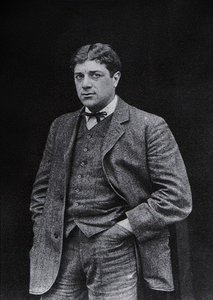
1882–1963, فرنسا
جورج براك
البدايات المبكرة والأسس الفنية وُلد جورج براك في مدينة أرغنتوي بفرنسا عام 1882، وقضى سنواته الأولى في مدينة لو هافر، حيث نشأ في كنف عائلة اتسمت حياتها بالانشغال العملي بفنون الديكور واللون. وبحكم نشأته في عائلة من رسامي المنازل والمزخرفين، انغمس براك في الواقع الملموس لحرفته منذ نعومة أظفاره، مما أضفى على تكوينه أساساً متيناً من الحرفية التقنية التي صقلت رؤيته الفنية لاحقاً وألهمت أسلوبه في التعامل مع اللوحة. وقبل أن يشرع في خوض غمار الفنون الجميلة، سلك براك المسار التقليدي الذي اتبعته عائلته، حيث بدأ حياته المهنية كمتدرب في مهنة طلاء المنازل والديكور. ولم تكن هذه الفترة من العمل اليدوي مجرد مرحلة عابرة، بل غرست في وجدانه فهماً عميقاً لطبيعة المواد والخصائص الفيزيائية للأسطح؛ إذ منحت هذه التدريبات العملية منظوراً واقعياً حول كيفية تفاعل الأصباغ مع الملامس المختلفة، وهي الحساسية الفنية التي ميزت تجاربه اللاحقة في استكشاف المادية والكتلة.
وأيضاً لـ جورج براك
 الماندولا1910
 رجل يعزف على الجيتار1914
 المنازل في إستاك
 ميناء في نورماندي1909
مقالات حول tenora
 Quietude on Canvas: Examining Serenity in Classical LandscapesExplore how masters like Dürer and Corot capture profound stillness through landscape. Discover the art of visual tranquility today.
 أعمال جورج براك الخالدة: 25 تحفة فنية تزين منزلك بلمسة فنية راقيةاكتشف 25 تحفة فنية لجورج براك، رائد الت تكعيبية. تعرف على قصص لوحاته الخالدة وألوانها الفريدة. طباعة لوحات أصلية عالية الجودة لديكور منزلي …
 Georges Braque: The Architect of Form and the Soul of Cubist RevolutionExplore the profound legacy of Georges Braque, a master of Cubism. Discover how his technical craftsmanship and collaboration with Picasso …