Cubism · 1913
Guitar ''Program statue d'epouvante'' (جورج براك, 1913)
أبدع جورج براك (1882–1963) في Guitar ''Program statue d'epouvante''. يعود تاريخها إلى 1913. تنتمي إلى حركة Cubism. صُنعت من Acrylic On Canvas. أبعادها 73 × 100 cm
- 1913
- Acrylic On Canvas
- 73 × 100 cm

 معاينة الحجم الواقعي

 لوحة زيتية مرسومة يدوياً
 مشاركة
 مشاركة
 بطاقة المعلومات


 تحميل الملف
 قطع مشابهة
 الأشعة السينية
 عرض شرائح
 الأسئلة والأجوبة

 الإحصائيات
Guitar ''Program statue d'epouvante'' باختصار
- العنوان
- Guitar ''Program statue d'epouvante''
- الفنان
- جورج براك (1882–1963)
- تاريخ ميلاد الفنان
- أرجنتوي, فرنسا
- التاريخ
- 1913
- الوسيط الفني
- Acrylic On Canvas
- الأبعاد
- 73 × 100 cm
- الحركة
- Cubism
- الحقبة الزمنية
- Modern
- الموضوع
- cubist still life, geometric forms, musical instruments, art & intellectuals, fragmented composition, muted color palette
ماذا يصور Guitar ''Program statue d'epouvante''؟
A Cubist Still Life: Deconstructing Form in Braque’s ‘Guitar ''Program statue d'epouvante''’
Georges Braque’s *Guitar ''Program statue d'epouvante''* (1913) is a pivotal example of Analytical Cubism, showcasing the artist’s revolutionary approach to representation. Measuring 73 x 100 cm, this work isn’t merely a depiction of objects; it’s an intellectual exploration of form and perception, inviting viewers into a fragmented world where reality is dissected and reassembled.Subject & Composition: A Dialogue Between Art Forms
The artwork presents a still life featuring an acoustic guitar alongside a stack of books. However, Braque doesn't offer a traditional rendering. Instead, both objects are broken down into geometric shapes – rectangles, triangles, and overlapping planes – creating a dynamic composition within a circular frame. The arrangement isn’t accidental; it suggests a deliberate interplay between musicality (the guitar) and intellectual pursuit (the books), hinting at the interconnectedness of artistic disciplines. The title itself, translating to “Program statue of fright,” adds an intriguing layer, suggesting a conceptual framework or perhaps even a playful subversion of traditional still life conventions.Style & Technique: The Essence of Analytical Cubism
*Guitar ''Program statue d'epouvante''* exemplifies the core tenets of Analytical Cubism. Braque, alongside Pablo Picasso, pioneered this style by rejecting traditional perspective and embracing multiple viewpoints simultaneously. The color palette is deliberately restrained – muted browns, grays, and off-whites dominate – emphasizing form over coloristic expression. The technique relies heavily on layering pencil or charcoal strokes to build up tones and textures, creating a sense of solidity despite the fragmented forms. Lines are sharply defined, further contributing to the geometric abstraction. This isn’t about replicating what the eye sees but rather conveying an object's essential structure through intellectual analysis.Historical Context: A Revolution in Visual Language
Created during a period of intense artistic experimentation, this work reflects the radical shifts occurring in early 20th-century art. Braque and Picasso were challenging centuries-old conventions of representation, influenced by Paul Cézanne’s emphasis on geometric forms and their own shared explorations. The emergence of Cubism marked a turning point in art history, paving the way for abstract art movements that would follow. 1913 was a crucial year; it saw the full development of Analytical Cubism before Braque began to incorporate collage elements into his work.Symbolism & Emotional Impact: Beyond Representation
While seemingly abstract, *Guitar ''Program statue d'epouvante''* carries symbolic weight. The guitar, a symbol of artistic expression and harmony, is deconstructed alongside the books, representing knowledge and intellect. This juxtaposition suggests a contemplation on the nature of creativity itself – how ideas are formed, broken down, and reassembled. The overall effect isn’t necessarily emotional in a traditional sense; rather, it evokes a feeling of intellectual curiosity and invites viewers to actively participate in deciphering the artwork's meaning. The flattened perspective and lack of strong shadows contribute to a sense of ambiguity and spatial disorientation, challenging our perceptions of reality.For Collectors & Designers
This piece, or a high-quality reproduction, would be a striking addition to any collection focused on modern art. Its muted palette and geometric forms lend themselves well to contemporary interiors, adding a sophisticated touch without overwhelming the space.- Ideal for: Modern living rooms, studies, or galleries.
- Complements: Minimalist furniture, neutral color schemes, and other abstract artworks.
- Considerations: The artwork’s intellectual nature makes it a conversation starter and a focal point for contemplation.
صور عالية الدقة لـ Guitar ''Program statue d'epouvante''
محمية بموجب حقوق الطبع والنشر: هذه الملفات مخصصة للاطلاع الشخصي فقط، ولا تُعد ترخيصاً لإعادة النشر.
جورج براك, Guitar ''Program statue d'epouvante'' (1913).
أسئلة وإجابات حول Guitar ''Program statue d'epouvante''
في أي عام أُنجز "Guitar ''Program statue d'epouvante''"؟
تاريخ إبداع "Guitar ''Program statue d'epouvante''" للفنان جورج براك يعود إلى عام 1913.
ما هي التقنية المستخدمة في "Guitar ''Program statue d'epouvante''" للفنان جورج براك؟
استخدم جورج براك تقنية Acrylic On Canvas في عمل "Guitar ''Program statue d'epouvante''"، وهي التقنية التي تحدد الطبيعة المادية للعمل الأصلي.
ما هي أبعاد "Guitar ''Program statue d'epouvante''" للفنان جورج براك في الواقع؟
تبلغ أبعاد "Guitar ''Program statue d'epouvante''" في شكلها الأصلي 73 x 100 cm. وتُعد الأبعاد الأصلية مرجعاً مفيداً عند اختيار حجم النسخة المطبوعة.
ماذا يصور "Guitar ''Program statue d'epouvante''"؟
تُصور "Guitar ''Program statue d'epouvante''" للفنان جورج براك: cubist still life, geometric forms, musical instruments, art & intellectuals, fragmented composition, muted color palette, spatial ambiguity.
هل العمل "Guitar ''Program statue d'epouvante''" ضمن الملكية العامة؟
حالة حقوق الطبع والنشر لـ "Guitar ''Program statue d'epouvante''" للفنان جورج براك: العمل يقع ضمن لا تزال محمية بموجب حقوق الطبع والنشر، وهو ما يحدد مدى إمكانية إعادة إنتاج الصورة بحرية.
من هو الفنان الذي أبدع "Guitar ''Program statue d'epouvante''"؟
يُنسب العمل "Guitar ''Program statue d'epouvante''" إلى جورج براك.
إلى أي حركة فنية ينتمي العمل "Guitar ''Program statue d'epouvante''" للفنان جورج براك؟
تنتمي "Guitar ''Program statue d'epouvante''" للفنان جورج براك إلى حركة Cubism، التي تمنح العمل سياقه الأسلوبي.
إلى أي مرحلة من مسيرة جورج براك الفنية تنتمي لوحة "Guitar ''Program statue d'epouvante''"؟
تندرج لوحة "Guitar ''Program statue d'epouvante''" ضمن مرحلة Early Cubism من مسيرة جورج براك المهنية، وهي مرحلة تتيح مقارنة هذا العمل بأعمال الفنان الأخرى.
كم كان عمر جورج براك عند إبداع "Guitar ''Program statue d'epouvante''"؟
أبدع جورج براك لوحة "Guitar ''Program statue d'epouvante''" وهو في سن 31. وُلد الفنان في 1882 ويعود تاريخ هذا العمل إلى 1913.
عن الفنان، جورج براك
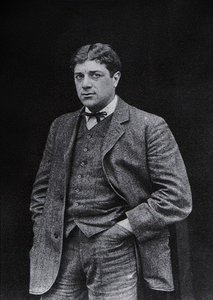
1882–1963, فرنسا
جورج براك
البدايات المبكرة والأسس الفنية وُلد جورج براك في مدينة أرغنتوي بفرنسا عام 1882، وقضى سنواته الأولى في مدينة لو هافر، حيث نشأ في كنف عائلة اتسمت حياتها بالانشغال العملي بفنون الديكور واللون. وبحكم نشأته في عائلة من رسامي المنازل والمزخرفين، انغمس براك في الواقع الملموس لحرفته منذ نعومة أظفاره، مما أضفى على تكوينه أساساً متيناً من الحرفية التقنية التي صقلت رؤيته الفنية لاحقاً وألهمت أسلوبه في التعامل مع اللوحة. وقبل أن يشرع في خوض غمار الفنون الجميلة، سلك براك المسار التقليدي الذي اتبعته عائلته، حيث بدأ حياته المهنية كمتدرب في مهنة طلاء المنازل والديكور. ولم تكن هذه الفترة من العمل اليدوي مجرد مرحلة عابرة، بل غرست في وجدانه فهماً عميقاً لطبيعة المواد والخصائص الفيزيائية للأسطح؛ إذ منحت هذه التدريبات العملية منظوراً واقعياً حول كيفية تفاعل الأصباغ مع الملامس المختلفة، وهي الحساسية الفنية التي ميزت تجاربه اللاحقة في استكشاف المادية والكتلة.
أعمال أخرى لـ جورج براك
 الماندولا1910
 رجل يعزف على الجيتار1914
 المنازل في إستاك
 ميناء في نورماندي1909
مقالات حول Guitar ''Program statue d'epouvante''
 Mastering Cubism: The Top 25 Essential Georges Braque ArtworksJourney through the revolutionary world of Georges Braque. Explore 25 iconic Cubist masterpieces, from geometric abstractions to Fauvist co…
 Georges Braque: The Architect of Form and the Soul of Cubist RevolutionExplore the profound legacy of Georges Braque, a master of Cubism. Discover how his technical craftsmanship and collaboration with Picasso …
 Beyond Representation: Decoding Emotion and Meaning in Modern Abstract ArtExplore the profound world of Abstract Expressionism with OriginalUniqueArt. Discover its history, emotional power & key artists like Pollo…