Analytical Cubism · 1914
Bottle (جورج براك, 1914)
أبدع جورج براك (1882–1963) في Bottle. يعود تاريخها إلى 1914. تنتمي إلى حركة Analytical Cubism. صُنعت من Charcoal. أبعادها 47 × 65 cm
- 1914
- Charcoal
- 47 × 65 cm

 معاينة الحجم الواقعي

 لوحة زيتية مرسومة يدوياً
 مشاركة
 مشاركة
 ورقة الحقائق


 تحميل الملف
 قطع مشابهة
 الأشعة السينية
 عرض شرائح
 الأسئلة والأجوبة

 الإحصائيات
Bottle باختصار
- العنوان
- Bottle
- الفنان
- جورج براك (1882–1963)
- تاريخ ميلاد الفنان
- أرجنتوي, فرنسا
- التاريخ
- 1914
- الوسيط الفني
- Charcoal
- الأبعاد
- 47 × 65 cm
- الحركة
- Analytical Cubism
- الحقبة
- Modern
- الموضوع
- cubist composition, bottle motif, charcoal texture, multiple perspectives, geometric forms, spatial illusion
ماذا يصور Bottle؟
A Fragmented Perspective
In this 1914 work, we find ourselves looking at a scene that has been carefully dismantled and reassembled. The composition centers on a bowl and various bottles, yet they do not sit in a traditional, stable space. Instead, Georges Braque uses charcoal to break these objects into geometric planes—cubes, cylinders, and cones—that overlap and intersect. This approach rejects the illusion of depth found in older traditions. You see multiple viewpoints at once. The grainy texture of the charcoal emphasizes the fractured surfaces of the bottles and the bowl, making the physical process of the artist's eye visible on the surface.
The palette is intentionally restrained, relying on a monochrome range of black and white. This lack of color directs our attention toward form and structure rather than light or atmosphere. By stripping away the distractions of hue, the work focuses on the intellectual challenge of piecendo together the image as we perceive it.
Context and Quiet Intensity
The year 1914 brought significant upheaval to Europe with the outbreak of World War I, and this sense of instability is felt in the very way the forms are broken. Rather than turning to grand or dramatic narratives, Braque explores subtle shifts in space and form. There is a certain seriousness here, an uncompromising honesty about how we actually perceive reality through fragmented glimpses.
Within the composition, the inclusion of books adds a layer of quiet contemplation. They suggest a moment of intellectual inquiry amidst a period of great external chaos. The bottle itself carries a sense of containment and vulnerability. There is no need for loud gestures; the work achieves its impact through a steady, inward gaze. It invites us to consider how we interpret the world around us when the familiar shapes of our reality begin to shift and overlap.
صور عالية الدقة لـ Bottle
محمية بموجب حقوق الطبع والنشر: تُعرض الصورة لغرض المرجعية فقط.
مقاسات أخرى، واقتطاعات، واقتباس →جورج براك, Bottle (1914).
أسئلة وإجابات حول Bottle
في أي عام أُبدعت "Bottle" للفنان جورج براك؟
ما هي التقنية المستخدمة في صنع "Bottle"؟
نُفذت لوحة "Bottle" باستخدام Charcoal.
ما هي أبعاد "Bottle" للفنان جورج براك في الواقع؟
ما هي الموضوعات التي يتناولها "Bottle" للفنان جورج براك؟
هل يمكن إعادة إنتاج صورة "Bottle" للفنان جورج براك بحرية؟
من هو الفنان الذي أبدع "Bottle"؟
إلى أي حركة فنية ينتمي العمل "Bottle" للفنان جورج براك؟
إلى أي مرحلة من مسيرة جورج براك الفنية تنتمي لوحة "Bottle"؟
عن الفنان، جورج براك
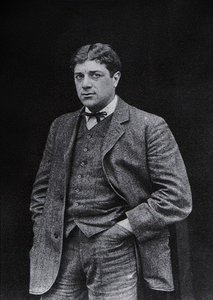
1882–1963, فرنسا
جورج براك
البدايات المبكرة والأسس الفنية وُلد جورج براك في مدينة أرغنتوي بفرنسا عام 1882، وقضى سنواته الأولى في مدينة لو هافر، حيث نشأ في كنف عائلة اتسمت حياتها بالانشغال العملي بفنون الديكور واللون. وبحكم نشأته في عائلة من رسامي المنازل والمزخرفين، انغمس براك في الواقع الملموس لحرفته منذ نعومة أظفاره، مما أضفى على تكوينه أساساً متيناً من الحرفية التقنية التي صقلت رؤيته الفنية لاحقاً وألهمت أسلوبه في التعامل مع اللوحة. وقبل أن يشرع في خوض غمار الفنون الجميلة، سلك براك المسار التقليدي الذي اتبعته عائلته، حيث بدأ حياته المهنية كمتدرب في مهنة طلاء المنازل والديكور. ولم تكن هذه الفترة من العمل اليدوي مجرد مرحلة عابرة، بل غرست في وجدانه فهماً عميقاً لطبيعة المواد والخصائص الفيزيائية للأسطح؛ إذ منحت هذه التدريبات العملية منظوراً واقعياً حول كيفية تفاعل الأصباغ مع الملامس المختلفة، وهي الحساسية الفنية التي ميزت تجاربه اللاحقة في استكشاف المادية والكتلة.
وأيضاً لـ جورج براك
 الماندولا1910
 رجل يعزف على الجيتار1914
 المنازل في إستاك
 ميناء في نورماندي1909
مقالات حول Bottle
 Mastering Cubism: The Top 25 Georges Braque Artworks to KnowJourney through the revolutionary world of Georges Braque. From Analytical Cubism to iconic still lifes, explore 25 timeless masterpieces a…
 Understanding the Difference Between Analytical and Synthetic CubismMaster the differences between Analytical and Synthetic Cubism with our expert guide. Learn to identify these iconic art movements now.
 Spontaneity and Matter: Distinguishing CoBrA from Art InformelMaster the differences between CoBrA and Art Informel with our expert guide. Learn to identify these post-war movements today.