
 معاينة الحجم الواقعي
 مشاركة
 مشاركة
 التفاصيل
 دليل
دليل

 تحميل الملف
 قطع مشابهة
 الأشعة السينية
 عرض شرائح
 الأسئلة والأجوبة
 الإحصائيات
At Sunset, Bird XVI

- 45.0 x 68.0 cm


 عرض المزيد
احصل على ملف جاهز للطباعة يتجاوز بمراحل جودة المعاينة عبر الإنترنت؛ فكل صورة رقمية نبيعها مستمدة من نسخة أصلية عالية الدقة في قاعدة بياناتنا — يتراوح عرضها عادةً بين 5,000 إلى 15,000 بكسل — مما يتيح لك الطباعة بأحجام كبيرة، أو الاقتصاص بدقة، أو إعادة إنتاج التفاصيل الدقيقة بكل ثقة.
لا تخرج أي صورة من استوديو الخاص بنا دون أن تمر بعملية معالجة دقيقة؛ حيث يقوم خبير رقمي بمطابقة الألوان مع اللوحة الأصلية وتصحيحها عند الضرورة، ثم يعمل على تحسين الوضوح والتفاصيل باستخدام أدوات ترميم احترافية — مع الحفاظ دائماً على أمانة نقل ضربات فرشاة الفنان وأسلوبه. والنتيجة هي صورة تبدو كأنها اللوحة ذاتها، وليست مجرد مسح ضوئي خاضع للفلاتر.
تتم عملية الاعتماد قبل الإتمام النهائي: حيث يرسل خبيرنا الصورة عبر البريد الإلكتروني في غضون 72 ساعة لمراجعتها من قبلك. هل لم تنل النتيجة إعجابك؟ يمكنك طلب تحسينات أو تصحيحات، أو طلب استرداد الأموال إذا لم تكن الجودة بالمستوى المطلوب.
هذه هي الجودة التي يعتمد عليها الناشرون، واستوديوهات التصميم، والمعارض، والمطابع.
صورة رقمية
حمّل ملفاً عالي الدقة للعرض الشخصي، والطباعة، والمشاريع الإبداعية. ( التبديل إلى نسخة مطبوعة شراء لوحة مرسومة يدويًا)
مزايا مُضمّنة مع كل طلب صورة رقمية
تسليم رقمي احترافي ومضمون
عندما تختار OriginalUniqueArt.com، فأنت لا تحصل على مجرد صورة فحسب، بل ستحصل على عمل فني رقمي مُحسّن باحترافية، صُمم بدقة متناهية ومصحوب بضمان الرضا. إليك كل ما يتضمنه طلبك تلقائياً:

تسليم سريع عبر البريد الإلكتروني
ستصلك ملفات صورك الرقمية عالية الدقة عبر البريد الإلكتروني في غضون 72 ساعة من إتمام الطلب - لتكون جاهزة للاستخدام الفوري.

ملف رقمي مُعزز بالذكاء الاصطناعي
يتم تحسين عملك الفني باحترافية باستخدام أدوات الذكاء الاصطناعي المتقدمة والتحرير اليدوي، لضمان أقصى درجات التفاصيل والوضوح ودقة الألوان.

إعادة إرسال مجانية مدى الحياة
هل حذفت ملفك أو فقدته عن طريق الخطأ؟ لا تقلق - سنعيد إرساله إليك في أي وقت، مجاناً.

بدون رسوم استيراد - على الإطلاق
استمتع بأعمالك الفنية فوراً دون أي رسوم جمركية أو ضرائب أو مصاريف شحن - فالتحميلات الرقمية دائماً ما تكون معفاة من الضرائب.

ضمان دقة الألوان
نضمن لك دقة انعكاس الألوان الأصلية في صورتك الرقمية بأقصى قدر ممكن، وذلك باستخدام أدوات احترافية وتقنيات متطورة لإدارة الألوان.

ضمان الرضا لمدة 100 يوم
إذا لم تكن راضياً عن صورتك الرقمية، فسنقوم بتعديلها أو استرداد 100% من قيمتها خلال 100 يوم - دون طرح أي أسئلة.

ضمان استرداد نقدي بنسبة 100%
لم تكن راضياً؟ استرد كامل المبلغ خلال 100 يوم من استلام ملفك الرقمي - دون طرح أي أسئلة.

خصومات الطلبات الكبيرة
اشتري 3 صور، ووفر 10% - اشتري 5، ووفر 15% - اشتري +10، ووفر 20%. مثالية للمشاريع الإبداعية، والمعارض، والوكالات.
A Symphony of Twilight and Form
In the quiet, evocative depths of Georges Braque’s "At Sunset, Bird XVI," we encounter a moment where the boundaries between the physical world and abstract emotion begin to dissolve. Created in 1958, toward the twilight of his illustrious career, this lithograph serves as a profound meditation on movement and atmosphere. The subject—a bird captured mid-flight against the bleeding hues of a setting sun—is far more than a mere nature study. It is an exploration of freedom and the ephemeral nature of light. As the viewer’s eye follows the expansive stretch of the bird's wings, there is an immediate sense of kinetic energy, a feeling of soaring through a sky that is simultaneously heavy with color and light with spirit. For the discerning collector or interior designer, this piece offers a captivating focal point that brings a sense of rhythmic motion and organic grace to any sophisticated space.
The technical mastery displayed in this work is rooted in Braque’s expert use of lithography, a medium that allows for a level of tonal subtlety often unattainable in traditional oil painting. Through the meticulous application of ink onto stone, Braque achieves a breathtaking gradient of warmth; the vibrant oranges and deep ambers of the sunset do not simply sit upon the paper but seem to glow from within. The artist employs delicate hatching and cross-hatching to build texture, creating a palpable sense of depth that draws the observer into the hazy, atmospheric distance. This precision allows for a striking contrast between the dark, silhouetted form of the bird and the luminous backdrop, a duality that mirrors the tension between the tangible world and the ethereal realm of memory and dreams.
The Legacy of a Cubist Vision
To understand the emotional resonance of "At Sunset, Bird XVI," one must look back at the revolutionary journey of Georges Braque. While he is eternally celebrated as a primary architect of Cubism alongside Pablo Picasso, this later work reveals an artist who had moved beyond the fractured, analytical deconstruction of objects toward a more fluid, Expressionistic sensibility. The intellectual rigor of his early years—the dismantling of perspective and the interrogation of form—has matured here into a poetic synthesis. He no longer seeks to break the world apart, but rather to capture its essential essence through color and gesture. This evolution makes the piece particularly compelling for those who appreciate art that bridges the gap between historical significance and modern aesthetic appeal.
Beyond its visual splendor, the artwork carries a profound symbolic weight. The bird, soaring amidst the transition from day to night, serves as a universal symbol of transcendence and the soul's journey through the cycles of life. The sunset itself, a period of beautiful decay and inevitable change, invites a contemplative mood, making it an ideal selection for spaces designed for reflection, such as libraries, study alcoves, or serene lounge areas. Owning a reproduction of such a masterpiece is not merely about decorating a wall; it is about inviting a piece of art history into one's home—a piece that continues to pulse with the same creative energy and philosophical inquiry that defined the dawn of modern art.
الأسئلة والأجوبة
هل العمل "At Sunset, Bird XVI" للفنان جورج براك ضمن الملكية العامة، ولماذا؟
تُعد لوحة "At Sunset, Bird XVI" للفنان جورج براك من الأعمال التي تندرج ضمن لا تزال محمية بموجب حقوق الطبع والنشر؛ حيث تُحتسب مدة حقوق الطبع والنشر بدءاً من تاريخ وفاة الفنان، وقد توفي جورج براك في عام 1963.
ماذا يصور "At Sunset, Bird XVI" للفنان جورج براك؟
تتضمن الموضوعات المتضمنة في "At Sunset, Bird XVI" للفنان جورج براك كلاً من bird, sunset, abstraction, lithography, geometric, expressionism, color palette، والتي تلخص مجتمعةً فحوى العمل الفني.
لمن يُنصح بتقديم "At Sunset, Bird XVI" للفنان جورج براك كهدية؟
يُوصى بـ "At Sunset, Bird XVI" للفنان جورج براك كهدية مثالية لـ Anniversary، كما يمكن تقديم نسخة مطبوعة من العمل الفني كهدية مميزة.
السيرة الذاتية للفنان
البدايات المبكرة والأسس الفنية
انطلق جورج براك، المولود في أرغنتوي بفرنسا عام 1882، في مسار ارتبط ارتباطاً وثيقاً بالمشهد المتطور للفن الحديث. فقد غرست نشأته داخل عائلة من رسامي المنازل والمزخرفين فيه ليس فقط إتقاناً تقنياً للمواد، بل وأيضاً تقديراً مبكراً للشكل والبنية. ورغم أنه اتبع في البداية حرفة والده، إلا أن ميوله الفنية المتأصلة قادته سريعاً إلى التدريب الرسمي في مدرسة الفنون الجميلة (École des Beaux- அச்ச) في لوفير، مما شكل بداية رحلته ليصبح أحد أكثر الرسامين تأثيراً في القرن العشرين. وقد أثبت هذا الأساس—الذي يمزج بين الحرفية العملية والدراسة الأكاديمية—أهميته القصوى عندما قام لاحقاً بتفكيك وإعادة تصور التقاليد الفنية الراسخة.
ومع انتقاله إلى باريس في عام 1902، واصل براك دراساته في أكاديمية هومبرت، منغمساً في الأجواء الفنية النابضة بالحياة في المدينة. وهنا التقى بفنانين مثل ماري لورنسين وفرانسيس بيكابيا، مما أدى إلى بناء روابط شكلت تطوره المبكر. عكست أعماله الأولى التأثيرات السائدة للمدرسة الانطباعية وما بعد الانطباعية، ولكن اللقاء المحوري مع الألوان الجريئة والحرية التعبيرية للمدرسة الوحشية في عام 1905 أشعل اتجاهاً جديداً في استكشافاته الفنية.
احتضان الوحشية وفجر التكعيبية
يتجلى تبني براك لمبادئ المدرسة الوحشية—التي تتميز بالألوان القوية غير الطبيعية والتعبير العاطفي—بوضوح في لوحات مثل الصبر. شهدت هذه الفترة عمله جنباً إلى بت جنب مع فنانين مثل هنري ماتيس وأندريه ديران، حيث جرب لوحات ألوان حيوية وأشكال مبسطة. ومع ذلك، لم يكن انخراط براك في الوحشية مجرد تقليد؛ بل أضفى عليها حساسية فريدة، موازناً بين الحماس الجامح للحركة وبين نهج أكثر ضبطاً وتحليلاً.
وصلت نقطة التحول في عام 1907 مع تعرضه للمعرض الاستعادي لأعمال بول سيزان. لقد أثر تركيز سيزان على الأشكال الهندسية وتعدد المنظورات بعمق على براك، مما مهد الطريق لتعاونه الرائد مع بابلو بيكاسو. وبدءاً من عام 1908، انطلق هذان العملاقان الفنيان في فترة من التبادل الفكري المكثف التي ولدت منها التكعيبية—وهي حركة ثورية حطمت المفاهيم التقليدية للتمثيل الفني.
معاً، طور براك وبيكاسو "التكعيبية التحليلية"، حيث قاما بتفكيك الأشياء إلى أشكال هندسية مجزأة وتقديم وجهات نظر متعددة في آن واحد. وتُظهر أعمال مثل منازل إستاك هذه المرحلة المبكرة، مستعرضة تحولاً جذرياً عن المنظور التقليدي وتركيزاً على البنية الأساسية للأشكال. وأصبحت لوحة ألوانهما خافتة عن عمد، مع التركيز على الشكل بدلاً من اللون، حيث سعيا لتمثيل كينونة الشيء وجوهره بدلاً من مجرد مظهره الخارجي.
الابتكار من خلال التجزئة والكولاج
استمرت الشراكة بين براك وبيكاسو في دفع حدود التعبير الفني، مما أدى إلى تطوير "التكعيبية التركيبية" حوالي عام 1912. شهدت هذه المرحلة إدخال تقنية الكولاج—وهي دمج مواد من العالم الحقيقي مثل قصاصات الصحف وورق الحائط والقماش في اللوحات. هذا الابتكار تحدى الهرمية التقليدية بين الرسم والنحت، مما أدى إلى طمس الخطوط الفاصلة بين الفن والحياة.
أدى اندلاع الحرب العالمية الأولى في عام 1914 إلى انقطاع هذا التعاون المكثف، حيث استُدعي براك للخدمة العسكرية. وقد أثرت تجاربه في الحرب بعمق على رؤيته الفنية، مما دفعه لاستكشاف موضوعات أكثر شخصية وغنائية في أعماله ما بعد الحرب.
السنوات المتأخرة والإرث الخالد
في أعقاب الحرب، تطور أسلوب براك ليتجاوز الحدود الصارمة للتكعيبية، حيث دمج عناصر من التكوين الكلاسيكي واهتماماً متجدداً بالطبيعة الصامتة. وبينما احتفظ بالتأثيرات الهندسية التي ميزت أعماله المبكرة، طور نهجاً أكثر دقة وتأملاً في الرسم. وتتميز مناظره الطبيعية وتصويراته الداخلية المتأخرة بأجوائها الهادئة وتناغماتها اللونية الرقيقة.
طوال مسيرته المهنية، ظل براك ملتزماً باستكشاف المبادئ الأساسية للشكل والفضاء والتمثيل. واستمر في التجريب باستخدام مواد وتقنيات مختلفة، دافعاً حدود التعبير الفني حتى وفاته في عام 1963. إن تأثيره على الأجيال اللاحقة من الفنانين لا يمكن قياسه، فقد شكل مسار الفن الحديث وألهم عدداً لا يحصى من الرسامين والنحاتين وفناني الكولاج.
يمتد إرث جورج براك إلى ما هو أبعد من أعماله الفردية؛ فقد غير بشكل جذري فهمنا لكيفية إدراكنا وتمثيلنا للعالم من حولنا. إن روحه التعاونية مع بيكاسو، مقترنة برؤيته الفنية الفريدة، قد رسخت مكانته كرائد حقيقي للفن الحديث—كفنان بارع تجرأ على تحدي التقاليد وإعادة تعريف إمكانيات الرسم.
التأثيرات والأعمال البارزة
- متأثر بـ: هنري ماتيس، أندريه ديران، بول سيزان
- الأعمال الرئيسية: منازل إستاك، الصبر، الكمان ولوحة الألوان، ماندولا
- الأثر في تاريخ الفن: أحدث ثورة في فن القرن العشرين من خلال التكعيبية؛ وتحدى المفاهيم التقليدية للمنظور والتمثيل.
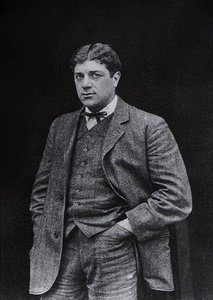
جورج براك
1882 - 1963 , فرنسا
لمحة سريعة
- Artistic Movement Or Style: كوبيزم، فافيزم
- Artists Who Influenced This Artist: ['هنري ماتيس"، "أندريه ديران"، "بول سزان']
- Date Of Birth: 1882
- Date Of Death: 1963
- Full Name: Georges Braque
- Nationality: فرنسي
- Notable Artworks: ['بيوت إستاك"، "الصبر"، "فينيل و بايبة']
- Place Of Birth: Argenteuil، فرنسا