

 معاينة الحجم الواقعي
 إرسال
إرسال مشاركة
 عرض التفاصيل
 دليل الأعمال الفنية للطلاب

 تحميل
تحميل
 قطع مشابهة
 الأشعة السينية
 عرض شرائح متتابع
 الإحصائيات
Lion Devouring a Horse
 Oil On Canvas
- WallArt
- Romantic Realism
 1763
1763 69.0 x 104.0 cm
 Tate Gallery
 اقرأ المزيد
نسخة زيتية مصنوعة يدوياً
لوحة زيتية مرسومة يدوياً على الكانفاس بالمقاس والإطار الذي تفضله، تُنفذ حسب الطلب على أيدي فنانينا. ( التبديل إلى المطبوعات التحويل إلى الصورة الرقمية)




P118B E£10

P118H E£10

P118W E£10

P438Z E£10

P508JH E£12

P508YH E£12

P805H E£10

P805Z E£10

P919BZ E£10

P919G E£10

P919XJ E£10

P959ZH E£10

P968JZ E£12

W106C E£8

W218G E£10

W218JH E£8

W218Y E£10

W307PJ E£10

W316G E£10

W316PJ E£8

W316Y E£10

W398PJ E£8

W4111J E£10

W500HY E£15

W500JH E£15

W692G E£12

W849H E£8

W940BG E£15

W953PJ E£8




اختر من بين أحجامنا المُعدّة مسبقاً والتي تتوافق مع النسب الأصلية للعمل الفني.

يمكنك إدخال أبعاد خاصة لتناسب إطاراً أو مساحة معينة. وفي حال عدم تطابق الحجم المختار مع نسب الصورة الأصلية، سنقوم إما بقص العمل الفني أو توسيع اللوحة عبر إضافة عناصر مرسومة يدوياً. وسيتم إرسال نموذج رقمي إليك للموافقة عليه قبل بدء عملية الإنتاج.
يرجى ملاحظة أن المعاينة على الشاشة لا تعكس عملية القص أو التوسيع الفعلية؛ إذ إن النموذج الرقمي هو الوحيد الذي يوضح التكوين النهائي بدقة.
وعلى الرغم من توفر أحجام مخصصة، إلا أننا نوصي باختيار أبعاد من القائمة المحددة مسبقاً للحفاظ على النسب الأصلية للعمل الفني.
بعد إتمام الطلب، سيرسل فريق OriginalUniqueArt.com بريداً إلكترونياً للعميل لطلب التعليمات وتزويده بمعاينة تجريبية (mockup).
توصيل عالمي إلى خلال 3 إلى 4 أسابيع بدلاً من المدة المعتادة البالغة 5 أسابيع. (10 أكتوبر). جودة لا تهاون فيها.

شحن سريع ومجاني لجميع أنحاء العالم

قماش كتان فاخر

تأمين شامل على الشحن

ضمان استرداد الرسوم الجمركية

ضمان دقة مطابقة الألوان

سياسة الإرجاع خلال 100 يوم (في حالات العيوب فقط)

ضمان استرداد نقدي بنسبة 100%

عرض خصم الكميات
 خيار الزجاج متاح فقط للمقاسات التي تقل عن 110 سم

Lion Devouring a Horse
وسيط إعادة الإنتاج
مقاس النسخة المطبوعة
-


إجمالي السعر
E£ 15405
The Drama of Nature Captured: George Stubbs' Lion Devouring a Horse
To stand before George Stubbs’ magnificent "Lion Devouring a Horse" is to be plunged into a moment of raw, untamed drama. This 1763 oil on canvas does more than merely depict an animal encounter; it arrests time itself, freezing the apex of conflict in vivid, masterful strokes. Stubbs, celebrated for his unparalleled anatomical studies of equine life, elevates this scene beyond mere natural history painting into a profound meditation on power dynamics and survival. The sheer energy radiating from the central action—the lion’s powerful jaws closing upon the struggling form of the horse—is breathtaking, inviting the viewer to lean in, breathless, as if they too are witnessing the struggle firsthand.
Mastery of Form and Color
Stubbs' technical brilliance is immediately apparent. The artist possessed an almost scientific understanding of musculature, rendering both creatures with startling verisimilitude. Observe the texture: the lion’s coat, rendered in deep, brooding shades of brown and black, contrasts dramatically against the lighter, more yielding tones used for the horse and the surrounding landscape. This masterful use of color heightens the tension; the rich saturation of the foreground elements pops against the serene, yet dramatic, backdrop of the rocky terrain beneath a clear blue sky. The composition is inherently balanced, guiding the eye inexorably toward the violent nexus at the center, while the scattered trees and open sky provide just enough context to ground this intense spectacle in a believable, if theatrical, outdoor setting.
Historical Echoes and Artistic Lineage
The genesis of this powerful piece is rooted in classical antiquity. Stubbs himself noted that his inspiration stemmed from an antique marble sculpture encountered during his travels to Rome. This connection suggests that the painting is not just a record of wildlife, but a dialogue across centuries—a conversation between Renaissance artistic ideals and the vibrant realism of the Georgian era. By referencing such classical models while executing it in the rich, tactile medium of oil on canvas, Stubbs bridges epochs. It speaks to an enduring human fascination with mythic struggle, making the work timeless regardless of its 18th-century origins.
Symbolism and Emotional Resonance
Beyond the technical prowess lies a deeper symbolic resonance. The confrontation between the lion—often a symbol of raw, untamed masculine power—and the horse, frequently representing nobility, grace, or even humanity itself, creates an immediate tension. The act depicted suggests a brutal assertion of dominance. For the modern collector or decorator, this painting offers more than just decorative flair; it injects a palpable sense of narrative drama into any space. It is a conversation piece that demands attention, suggesting themes of struggle, inevitable change, and the raw beauty found at the precipice of conflict.
Bringing the Drama Home
For those who wish to capture this electrifying moment in their own interiors, acquiring a high-quality reproduction allows one to possess this masterpiece's energy without leaving the comfort of home. The ability of an oil painting medium to retain such depth and vibrancy ensures that the drama—the tension between the predator and the prey—remains immediate and visceral. It is an investment not only in art history but in a continuous source of dramatic, sophisticated inspiration for any discerning eye.
الأسئلة والأجوبة
كم كان عمر جورج ستوبز عندما أُبدع العمل "Lion Devouring a Horse"؟
كان عمر جورج ستوبز يبلغ 39 عاماً عند إبداع العمل "Lion Devouring a Horse" في عام 1763. تم حساب العمر بناءً على سنة ميلاد الفنان، 1724.
ما هو تاريخ إبداع "Lion Devouring a Horse" للفنان جورج ستوبز؟
يعود تاريخ "Lion Devouring a Horse" إلى عام 1763، وهو تاريخ يضع العمل ضمن المسيرة المهنية لـ جورج ستوبز وفي سياق حقبته الزمنية.
أين يجب تعليق نسخة من "Lion Devouring a Horse" للفنان جورج ستوبز؟
تتمثل حقيقة التنسيق (Landscape) والمساحة الموصى بها (Living Room) في المعلومات المسجلة لـ "Lion Devouring a Horse" للفنان جورج ستوبز.
كيف يرتبط أسلوب "Lion Devouring a Horse" بالعصر الذي عاش فيه مبتكرها؟
تندرج لوحة "Lion Devouring a Horse" للفنان جورج ستوبز ضمن حركة Romantic Realism، وذلك في حقبة العصر الحديث المبكر لمبدعها.
من الذي أبدع "Lion Devouring a Horse"؟
يُنسب العمل "Lion Devouring a Horse" إلى جورج ستوبز.
هل تتوفر نسخة قابلة للتحميل بدقة عالية من "Lion Devouring a Horse"؟
"Lion Devouring a Horse" متوفر كـ تحميل صورة رقمية عالية الدقة، ويمكن شراؤه مباشرة عبر هذه الصفحة.
ما هو الانطباع العام لـ "Lion Devouring a Horse" للفنان جورج ستوبز؟
تتمثل الحالة المزاجية العامة لـ "Lion Devouring a Horse" للفنان جورج ستوبز في Dramatic. وتصف هذه الحالة الأجواء العامة للعمل الفني.
نبذة عن الفنان
الحياة المبكرة والتدريب
جورج ستوبس، الرسام الإنجليزي الشهير، ولد في 25 أغسطس عام 1724 في مدينة ليفربول بالمملكة المتحدة. كانت حياته المبكرة غامضة إلى حد ما، مع ندرة المعلومات الموثقة حتى سن الخامسة والثلاثين، ومعظم التفاصيل المعروفة مستقاة من مذكرات أوزياس همفري، والتي تعتمد على محادثاته مع ستوبس في عام 1794. بدأ ستوبس رحلته الفنية في سن الخامسة عشرة، حيث عمل في البداية تحت إشراف والده، وهو صانع الجلود. لاحقًا، سعى للتعلم من هامليت وينستانلي، رسام ونقاش من لانكشاير، لكن فترة تدريبه كانت قصيرة. سمحت له هذه التجربة القصيرة بدراسة مجموعة فنية في قاعة نوزلي.التطور الفني والأعمال البارزة
شغف ستوبس بعلم التشريح دفعه إلى الانتقال إلى يورك عام 1744، حيث درس تحت الجراح تشارلز أتكينسون في مستشفى مقاطعة يورك. من بين أعماله المبكرة الناجية مجموعة رسومات توضيحية لكتاب جون بيرتون عن القابلات، الذي نُشر عام 1751. في عام 1756، استأجر ستوبس مزرعة في لينكولنشاير وقضى ثمانية عشر شهرًا في تشريح الخيول بمساعدة زوجته غير الرسمية ماري سبنسر. أدى ذلك إلى نشر كتابه تشريح الحصان عام 1766، والذي تضم رسوماته الأصلية الآن في الأكاديمية الملكية. سرعان ما حظيت أعمال ستوبس بتقدير الرعاة الأرستقراطيين البارزين، بما في ذلك الدوق الثالث لريتشモンド، الذي كلفه بثلاث لوحات كبيرة عام 1759. كانت هذه بداية مسيرته الناجحة، حيث أنتج أعمالاً لعدة دوقات ولوردات، وبلغت ذروتها بشراء منزل في ماريليبون بلندن.الإرث واللوحات الشهيرة
أشهر أعمال ستوبس هي لوحة ويستليكيت، وهي رسم لحصان يقفز، كلف بها البارون الثاني لروكينغهام. تُعرض هذه اللوحة الآن في المتحف الوطني بلندن. تختلف هذه اللوحة وعملين آخرين لروكينغهام عن الأعراف التقليدية، حيث تتميز بخلفيات بسيطة.- تُظهر لوحة ويستليكيت، وهي حصان سباق أصيل يقفز على ساقيه الخلفيتين، مهارة ستوبس التي لا مثيل لها في التقاط جوهر الخيول.
- تعتبر سلسلة لوحات ستوبس التي تصور أسدًا يهاجم حصانًا من الأمثلة المبكرة للحركة الرومانسية، مما يدل على تأثيره على فن القرن الثامن عشر.
التأثيرات والأساليب الفنية
تميز أسلوب ستوبس بالدقة التشريحية العالية والاهتمام بالتفاصيل. كان لديه فهم عميق لتشريح الخيول، مما سمح له بتصويرها بطريقة واقعية وديناميكية. استخدم ستوبس تقنيات الرسم الزيتي التقليدية، لكنه أضاف لمسة فريدة من خلال التركيز على الضوء والظل لخلق شعور بالعمق والحجم. تأثر ستوبس بفنانين مثل هامليت وينستانلي، الذي قدم له مقدمة مبكرة لعالم الفن. ومع ذلك، سرعان ما طور أسلوبه الخاص المتميز، والذي تميز بتركيزه على الحيوانات، وخاصة الخيول.الأهمية التاريخية والإرث الدائم
يعتبر جورج ستوبس أحد أهم رسامي الحيوانات في التاريخ. لقد ترك إرثًا دائمًا كفنان رائد في تصوير الخيول والحيوانات الأخرى. ألهمت أعماله أجيالًا من الفنانين، ولا تزال تحظى بالتقدير والإعجاب من قبل عشاق الفن في جميع أنحاء العالم. إن تفانيه في الدقة التشريحية وشغفه بالجمال الطبيعي يجعله شخصية بارزة في تاريخ الفن. يمكن مشاهدة أعمال ستوبس في العديد من المتاحف والمعارض حول العالم، مما يضمن استمرار إرثه للأجيال القادمة.- شاهد أعمال ستوبس على https://OriginalUniqueArt.com/@/george_stubbs
- استكشف مجموعة المتحف الوطني بلندن التي تضم أعمال ستوبس البارزة على /ar/art/show/art-8xyffg-ar/
- تعرف على المزيد حول حياة ستوبس وعمله في ويكيبيديا على https://en.wikipedia.org/wiki/george_stubbs
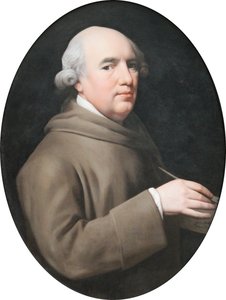
جورج ستوبز
1724 - 1806 , المملكة المتحدة
لمحة سريعة
- الأعمال البارزة:
- ويستلجاكيت
- أسد وحصان
- الاسم الكامل: جورج ستوبس
- الجنسية: بريطاني
- الحركة الفنية: رومانسية، فن الخيل
- الفنانون المؤثرون: ['هامليت وينستانلي']
- الفنانون المتأثرون: ['جوشوا رينولدز']
- تاريخ الميلاد: 25 أغسطس 1724
- مكان الميلاد: ليفربول، المملكة المتحدة
مقالات ذات صلة
George Stubbs: Anatomical Precision & Romantic Vision in 18th-Century British Art
Explore the captivating world of George Stubbs, the 18th-century master renowned for his anatomical precision & Romantic animal paintings. Discover his legacy and investment potential.
The Noble Steed on Canvas: A Historical & Artistic Exploration of Horse Painting Across Cultures
Explore the rich history of horse painting! Discover masterpieces from Stubbs to Munnings & learn about symbolism, techniques & artists. Find museum-quality reproductions at OriginalUniqueArt.

أعمال جورج سورا الخالدة: 25 تحفة فنية تزين منزلك بلمسة فنية راقية
اكتشف 25 تحفة فنية آسرة لجورج سورا، رائد النقطية والانطباعية الجديدة. استكشف قصص لوحاته الخالدة وألوانها المذهلة. احصل على إعادة إنتاج عالية الجودة لديكور منزلي فاخر على OriginalUniqueArt.com

أعمال جورج براك الخالدة: 25 تحفة فنية تزين منزلك بلمسة فنية راقية
اكتشف 25 تحفة فنية لجورج براك، رائد الت تكعيبية. تعرف على قصص لوحاته الخالدة وألوانها الفريدة. طباعة لوحات أصلية عالية الجودة لديكور منزلي فاخر. استكشف المجموعة الكاملة الآن على OriginalUniqueArt.com!
The Noble Steed: A Historical and Artistic Exploration of Horses in Fine Art
Explore the rich history of horses in fine art! From ancient depictions to Renaissance masterpieces & beyond, discover iconic artworks and artists. Learn about symbolism, techniques, and find museum-quality reproductions at OriginalUniqueArt.


