

 معاينة الحجم الواقعي
 إرسال
إرسال مشاركة
 عرض التفاصيل
 دليل الأعمال الفنية للطلاب

 تحميل
تحميل
 قطع مشابهة
 الأشعة السينية
 عرض شرائح متتابع
 Q&A
Q&A الإحصائيات
Finished study for


 اقرأ المزيد
احصل على ملف جاهز للطباعة يتجاوز بمراحل جودة المعاينة عبر الإنترنت. فكل صورة رقمية نبيعها مستمدة من نسخة أصلية عالية الدقة في قاعدة بياناتنا — تتراوح عرضها عادةً بين 5,000 إلى 15,000 بكسل — مما يتيح لك الطباعة بأحجام كبيرة، أو الاقتصاص بدقة، أو إعادة إنتاج التفاصيل الدقيقة بكل ثقة.
لا تخرج أي صورة من استوديو الخاص بنا دون أن تمر بعملية معالجة دقيقة؛ حيث يقوم خبير رقمي بمطابقة الألوان مع اللوحة الأصلية وتصحيحها عند الضرورة، ثم يعمل على تحسين الوضوح والتفاصيل باستخدام أدوات ترميم احترافية — مع الحفاظ دائماً على أمانة نقل ضربات فرشاة الفنان وأسلوبه. والنتيجة هي صورة تبدو كأنها اللوحة ذاتها، وليست مجرد مسح ضوئي خاضع للفلاتر.
تتم عملية الاعتماد قبل الإتمام النهائي: حيث يرسل خبيرنا الصورة عبر البريد الإلكتروني في غضون 72 ساعة لمراجعتها من قبلك. هل لم تنل النتيجة إعجابك؟ يمكنك طلب تحسينات أو تصحيحات، أو طلب استرداد الأموال إذا لم تكن الجودة بالمستوى المطلوب.
هذه هي الجودة التي يعتمد عليها الناشرون، واستوديوهات التصميم، والمعارض، والمطابع.
صورة رقمية
حمّل ملفاً عالي الدقة للعرض الشخصي، والطباعة، والمشاريع الإبداعية. ( التبديل إلى المطبوعات اطلب نسخة مرسومة يدويًا)
مزايا مُضمّنة مع كل طلب صورة رقمية
خدمة تسليم رقمي احترافية ومضمونة
عندما تختار OriginalUniqueArt.com، فأنت لا تحصل على مجرد صورة فحسب، بل ستحصل على عمل فني رقمي مُحسّن باحترافية، صُمم بدقة متناهية ومصحوب بضمان الرضا. إليك كل ما يتضمنه طلبك تلقائياً:

تسليم سريع عبر البريد الإلكتروني
ستصلك ملفات صورك الرقمية عالية الدقة عبر البريد الإلكتروني في غضون 72 ساعة من إتمام الطلب - لتكون جاهزة للاستخدام الفوري.

ملف رقمي مُعزز بالذكاء الاصطناعي
يتم تحسين عملك الفني باحترافية باستخدام أدوات الذكاء الاصطناعي المتقدمة والتحرير اليدوي، لضمان أقصى درجات التفاصيل والوضوح ودقة الألوان.

إعادة إرسال مجانية مدى الحياة
هل حذفت ملفك أو فقدته عن طريق الخطأ؟ لا تقلق - سنعيد إرساله إليك في أي وقت، مجاناً.

بدون رسوم استيراد - على الإطلاق
استمتع بأعمالك الفنية فوراً دون أي رسوم جمركية أو ضرائب أو مصاريف شحن - فالتحميلات الرقمية دائماً ما تكون معفاة من الضرائب.

ضمان دقة الألوان
نضمن لك دقة انعكاس الألوان الأصلية في صورتك الرقمية بأقصى قدر ممكن، وذلك باستخدام أدوات احترافية وتقنيات متطورة لإدارة الألوان.

ضمان الرضا لمدة 100 يوم
إذا لم تكن راضياً عن صورتك الرقمية، فسنقوم بتعديلها أو استرداد 100% من قيمتها خلال 100 يوم - دون طرح أي أسئلة.

ضمان استعادة الأموال بنسبة 100%
لم تكن راضياً؟ استرد كامل المبلغ خلال 100 يوم من استلام ملفك الرقمي - دون طرح أي أسئلة.

خصومات الطلبات الكبيرة
اشتري 3 صور، ووفر 10% - اشتري 5، ووفر 15% - اشتري +10، ووفر 20%. مثالية للمشاريع الإبداعية، والمعارض، والوكالات.
George Stubbs’ Anatomical Precision: A Window into the Romantic Horse
George Stubbs' “Finished Study for The First Anatomical Table of the Muscles…of the Horse,” created in 1758, is far more than a mere scientific illustration; it’s a profound meditation on life, death, and the sublime beauty of the animal kingdom. This remarkably detailed graphite and charcoal drawing offers an intimate glimpse into the mind of one of history's most visionary artists, revealing not just the mechanics of equine anatomy but also Stubbs’ deep-seated fascination with capturing the essence of movement and emotion within his subjects.
Stubbs’ journey to this level of anatomical understanding was a deliberate one. Initially trained as a currier – a leatherworker – he recognized early on that true artistic representation demanded an intimate knowledge of the forms he sought to depict. He abandoned his family trade and, driven by an almost obsessive curiosity, apprenticed himself to Charles Atkinson, a surgeon at York County Hospital, immersing himself in the study of human anatomy. This foundational experience proved invaluable when he turned his attention to horses, creatures that had long captivated him. Stubbs’ relentless dissection of dozens of equine corpses – a practice considered somewhat morbid at the time – yielded an unparalleled understanding of muscle structure, skeletal alignment, and the subtle nuances of movement. The resulting drawings are not simply accurate representations; they are infused with a palpable sense of vitality.
A Romantic Vision of the Beast
“Finished Study” firmly places Stubbs within the burgeoning Romantic movement, a period characterized by an emphasis on emotion, imagination, and the power of nature. Unlike earlier depictions of horses that often prioritized idealized beauty or heroic narratives, Stubbs’ work focuses on the raw physicality of the animal – its strength, vulnerability, and inherent wildness. The skeletal structure is rendered with meticulous precision, yet it's not presented as a cold, lifeless arrangement. Instead, the lines suggest a dynamic tension, hinting at the potential for movement and action. The drawing anticipates the dramatic, almost theatrical compositions that would later define Romantic painting, particularly in Stubbs’ monumental equine paintings like “Whistlejacket.”
Furthermore, the choice of subject matter itself is significant. Horses were not merely beasts of burden or symbols of power; they represented a connection to the untamed wilderness – a realm of primal instinct and boundless energy. Stubbs' dedication to anatomical accuracy reflects a broader Romantic interest in understanding the natural world through scientific observation, but it’s coupled with an appreciation for the sublime—that feeling of awe and wonder inspired by confronting something vast and powerful.
Technique and Symbolism
The drawing’s power lies not only in its subject matter but also in Stubbs' masterful technique. The use of precise, linear hatching creates a remarkable sense of volume and depth, transforming the skeletal structure into a tangible presence on the page. Subtle variations in line density suggest the contours of muscle tissue beneath the bone, conveying a remarkable level of realism. The grayscale palette – devoid of color – emphasizes form and structure, lending the image an almost sculptural quality.
Beyond its technical merits, “Finished Study” carries symbolic weight. The depiction of death—represented through the skeletal remains—can be interpreted as a meditation on mortality and the cyclical nature of life. Yet, it’s not presented in a morbid light; rather, it serves to highlight the underlying beauty and inherent dignity of the animal form. The drawing ultimately celebrates the enduring power of nature and the artist's ability to capture its essence with both scientific rigor and artistic sensitivity.
A Legacy of Anatomical Mastery
George Stubbs’ “Finished Study for The First Anatomical Table of the Muscles…of the Horse” stands as a testament to his unparalleled skill and profound understanding of the animal world. It is a pivotal work in art history, bridging the gap between scientific observation and artistic expression. Reproductions of this remarkable drawing offer a unique opportunity to appreciate Stubbs’ genius and to contemplate the enduring power of nature—a timeless subject that continues to inspire artists and captivate audiences today.
الأسئلة والأجوبة
كيف يمكنني عرض "Finished study for" للفنان جورج ستوبز كعرض شرائح؟
يمكن عرض "Finished study for" للفنان جورج ستوبز كعرض شرائح في صفحة عرض متتابع الخاصة بالعمل الفني.
هل يمكنني معاينة "Finished study for" للفنان جورج ستوبز على جداري الخاص قبل الشراء؟
تستخدم صفحة معاينة الواقع المعزز لعمل "Finished study for" للفنان جورج ستوبز تقنية الواقع المعزز لعرض العمل الفني في مساحتك الخاصة، عبر جهاز متوافق.
ما هي الاستخدامات الموصى بها لنسخة مطبوعة من "Finished study for" للفنان جورج ستوبز؟
يُنصح باستخدام نسخة مُعاد إنتاجها من "Finished study for" للفنان جورج ستوبز لغرض Reflective؛ حيث يأتي هذا الاقتراح تماشياً مع موضوع العمل الفني وأجوائه وألوانه.
سيرة الفنان
الحياة المبكرة والتدريب
جورج ستوبس، الرسام الإنجليزي الشهير، ولد في 25 أغسطس عام 1724 في مدينة ليفربول بالمملكة المتحدة. كانت حياته المبكرة غامضة إلى حد ما، مع ندرة المعلومات الموثقة حتى سن الخامسة والثلاثين، ومعظم التفاصيل المعروفة مستقاة من مذكرات أوزياس همفري، والتي تعتمد على محادثاته مع ستوبس في عام 1794. بدأ ستوبس رحلته الفنية في سن الخامسة عشرة، حيث عمل في البداية تحت إشراف والده، وهو صانع الجلود. لاحقًا، سعى للتعلم من هامليت وينستانلي، رسام ونقاش من لانكشاير، لكن فترة تدريبه كانت قصيرة. سمحت له هذه التجربة القصيرة بدراسة مجموعة فنية في قاعة نوزلي.التطور الفني والأعمال البارزة
شغف ستوبس بعلم التشريح دفعه إلى الانتقال إلى يورك عام 1744، حيث درس تحت الجراح تشارلز أتكينسون في مستشفى مقاطعة يورك. من بين أعماله المبكرة الناجية مجموعة رسومات توضيحية لكتاب جون بيرتون عن القابلات، الذي نُشر عام 1751. في عام 1756، استأجر ستوبس مزرعة في لينكولنشاير وقضى ثمانية عشر شهرًا في تشريح الخيول بمساعدة زوجته غير الرسمية ماري سبنسر. أدى ذلك إلى نشر كتابه تشريح الحصان عام 1766، والذي تضم رسوماته الأصلية الآن في الأكاديمية الملكية. سرعان ما حظيت أعمال ستوبس بتقدير الرعاة الأرستقراطيين البارزين، بما في ذلك الدوق الثالث لريتشモンド، الذي كلفه بثلاث لوحات كبيرة عام 1759. كانت هذه بداية مسيرته الناجحة، حيث أنتج أعمالاً لعدة دوقات ولوردات، وبلغت ذروتها بشراء منزل في ماريليبون بلندن.الإرث واللوحات الشهيرة
أشهر أعمال ستوبس هي لوحة ويستليكيت، وهي رسم لحصان يقفز، كلف بها البارون الثاني لروكينغهام. تُعرض هذه اللوحة الآن في المتحف الوطني بلندن. تختلف هذه اللوحة وعملين آخرين لروكينغهام عن الأعراف التقليدية، حيث تتميز بخلفيات بسيطة.- تُظهر لوحة ويستليكيت، وهي حصان سباق أصيل يقفز على ساقيه الخلفيتين، مهارة ستوبس التي لا مثيل لها في التقاط جوهر الخيول.
- تعتبر سلسلة لوحات ستوبس التي تصور أسدًا يهاجم حصانًا من الأمثلة المبكرة للحركة الرومانسية، مما يدل على تأثيره على فن القرن الثامن عشر.
التأثيرات والأساليب الفنية
تميز أسلوب ستوبس بالدقة التشريحية العالية والاهتمام بالتفاصيل. كان لديه فهم عميق لتشريح الخيول، مما سمح له بتصويرها بطريقة واقعية وديناميكية. استخدم ستوبس تقنيات الرسم الزيتي التقليدية، لكنه أضاف لمسة فريدة من خلال التركيز على الضوء والظل لخلق شعور بالعمق والحجم. تأثر ستوبس بفنانين مثل هامليت وينستانلي، الذي قدم له مقدمة مبكرة لعالم الفن. ومع ذلك، سرعان ما طور أسلوبه الخاص المتميز، والذي تميز بتركيزه على الحيوانات، وخاصة الخيول.الأهمية التاريخية والإرث الدائم
يعتبر جورج ستوبس أحد أهم رسامي الحيوانات في التاريخ. لقد ترك إرثًا دائمًا كفنان رائد في تصوير الخيول والحيوانات الأخرى. ألهمت أعماله أجيالًا من الفنانين، ولا تزال تحظى بالتقدير والإعجاب من قبل عشاق الفن في جميع أنحاء العالم. إن تفانيه في الدقة التشريحية وشغفه بالجمال الطبيعي يجعله شخصية بارزة في تاريخ الفن. يمكن مشاهدة أعمال ستوبس في العديد من المتاحف والمعارض حول العالم، مما يضمن استمرار إرثه للأجيال القادمة.- شاهد أعمال ستوبس على https://OriginalUniqueArt.com/@/george_stubbs
- استكشف مجموعة المتحف الوطني بلندن التي تضم أعمال ستوبس البارزة على /ar/art/show/art-8xyffg-ar/
- تعرف على المزيد حول حياة ستوبس وعمله في ويكيبيديا على https://en.wikipedia.org/wiki/george_stubbs
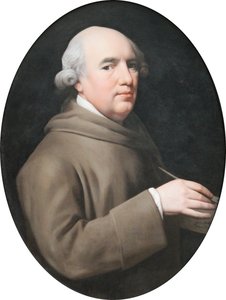
جورج ستوبز
1724 - 1806 , المملكة المتحدة
حقائق سريعة
- الأعمال البارزة:
- ويستلجاكيت
- أسد وحصان
- الاسم الكامل: جورج ستوبس
- الجنسية: بريطاني
- الحركة الفنية: رومانسية، فن الخيل
- الفنانون المؤثرون: ['هامليت وينستانلي']
- الفنانون المتأثرون: ['جوشوا رينولدز']
- تاريخ الميلاد: 25 أغسطس 1724
- مكان الميلاد: ليفربول، المملكة المتحدة