

 معاينة الحجم الواقعي
 إرسال
إرسال مشاركة
 عرض التفاصيل
 دليل الأعمال الفنية للطلاب

 تحميل
تحميل
 قطع مشابهة
 الأشعة السينية
 عرض شرائح متتابع
 الإحصائيات
A Lion Attacking a Stag


 اقرأ المزيد
نسخة زيتية مصنوعة يدوياً
لوحة زيتية مرسومة يدوياً على الكانفاس بالمقاس والإطار الذي تفضله، تُنفذ حسب الطلب على أيدي فنانينا. ( التبديل إلى المطبوعات التحويل إلى الصورة الرقمية)




P118B E£10

P118H E£10

P118W E£10

P438Z E£10

P508JH E£12

P508YH E£12

P805H E£10

P805Z E£10

P919BZ E£10

P919G E£10

P919XJ E£10

P959ZH E£10

P968JZ E£12

W106C E£8

W218G E£10

W218JH E£8

W218Y E£10

W307PJ E£10

W316G E£10

W316PJ E£8

W316Y E£10

W398PJ E£8

W4111J E£10

W500HY E£15

W500JH E£15

W692G E£12

W849H E£8

W940BG E£15

W953PJ E£8




اختر من بين أحجامنا المُعدّة مسبقاً والتي تتوافق مع النسب الأصلية للعمل الفني.

أدخل العرض والارتفاع اللذين تحتاجهما، ليتناسب العمل مع إطارك أو جدارك. وبما أن هذه اللوحة مرسومة يدوياً، ففي حال اختيار مقاس بشكل مختلف، يمكن للفنان رسم مساحة إضافية حول الصورة أو تقليصها قليلاً — الخيار لك. سنرسل لك نموذجاً رقمياً تجريبياً لاعتماده قبل البدء في الرسم. علماً بأن الصورة المعروضة في هذه الصفحة لا تعكس النتيجة النهائية الحقيقية — فالنموذج التجريبي هو الوحيد الذي يوضح ذلك بدقة.
بعد إتمام الطلب، سيرسل فريق OriginalUniqueArt.com بريداً إلكترونياً للعميل لطلب التعليمات وتزويده بمعاينة تجريبية (mockup).
توصيل عالمي إلى خلال 3 إلى 4 أسابيع بدلاً من المدة المعتادة البالغة 5 أسابيع. (23 أكتوبر). جودة لا تهاون فيها.

شحن سريع ومجاني لجميع أنحاء العالم

قماش كتان فاخر

تأمين شامل على الشحن

ضمان استرداد الرسوم الجمركية

ضمان دقة مطابقة الألوان

سياسة الإرجاع خلال 100 يوم (في حالات العيوب فقط)

ضمان استرداد نقدي بنسبة 100%

عرض خصم الكميات
 خيار الزجاج متاح فقط للمقاسات التي تقل عن 110 سم

A Lion Attacking a Stag
وسيط إعادة الإنتاج
مقاس النسخة المطبوعة
-


إجمالي السعر
E£ 15509
Subject and Composition
The canvas opens to a dramatic tableau in which a lion, the undisputed monarch of the savannah, has seized a stag mid‑flight. The predator’s muscular frame dominates the foreground, its jaws poised as if about to deliver the decisive bite. Below, the stag’s antlers curl like twisted branches, its body caught in a moment of frantic escape. A solitary bird perches on a branch near the upper left corner, a quiet witness that adds an unexpected layer of life and perspective. The background, rendered with soft grasses and distant trees, grounds the scene in a believable wilderness while allowing the central drama to command the viewer’s eye.Technique and Style
George Stubbs, renowned for his anatomical precision, brings a painterly vigor to this work that transcends mere realism. His brushwork is both meticulous and expressive: the lion’s fur is rendered with short, confident strokes that capture texture and movement; the stag’s flesh glows with subtle gradations of light and shadow, revealing the tension in its muscles. The palette leans toward earthy browns and muted greens, yet the artist injects a burst of vitality through the bright amber of the lion’s eyes and the delicate feathering on the bird. Stubbs’ mastery of chiaroscuro heightens the drama, casting deep shadows that deepen the sense of impending violence.Historical Context and Artist
Created in 1766, this painting arrives at a time when British art was increasingly fascinated by natural history and scientific inquiry. Stubbs, born in Liverpool in 1724, had already established himself as an authority on animal anatomy through his studies with surgeons and his dissections of horses. His fascination with the mechanics of movement is evident here: every sinew, every tendon is rendered with a clarity that would have impressed contemporary scholars. The work reflects the Enlightenment spirit—an earnest attempt to understand nature through observation and meticulous documentation—while simultaneously celebrating the raw power of the animal kingdom.Symbolism and Emotional Resonance
Beyond its surface drama, the painting invites contemplation on themes of dominance, survival, and the fragile balance between predator and prey. The lion’s triumph over the stag can be read as a metaphor for human ambition or the relentless march of progress, while the bird’s quiet presence reminds us that life persists even amid conflict. Emotionally, viewers are drawn into an almost visceral experience: the tension in the air, the palpable weight of the lion’s paws, and the fleeting hope embodied by the stag’s struggle. For collectors and interior designers alike, this work offers a powerful narrative that can transform any space into a dialogue between art, nature, and human curiosity.الأسئلة والأجوبة
هل تُظهر لوحة "A Lion Attacking a Stag" تباينات قوية بين الضوء والظلال؟
يُسجل التباين بين الضوء والظلال في "A Lion Attacking a Stag" بمستوى Serene. ويصف التباين مدى قوة الاختلاف بين المناطق الفاتحة والمظلمة.
ما هو الشعور الذي يرتبط بـ "A Lion Attacking a Stag"؟
يرتبط العمل "A Lion Attacking a Stag" بشعور Powerful. ويصف هذا الطابع العاطفي الانطباع الذي يتركه العمل.
من هو الفنان وما هو الأسلوب الذي يجسده العمل "A Lion Attacking a Stag"؟
أبدع جورج ستوبز لوحة "A Lion Attacking a Stag" ضمن حركة Romanticism.
نبذة عن الفنان
الحياة المبكرة والتدريب
جورج ستوبس، الرسام الإنجليزي الشهير، ولد في 25 أغسطس عام 1724 في مدينة ليفربول بالمملكة المتحدة. كانت حياته المبكرة غامضة إلى حد ما، مع ندرة المعلومات الموثقة حتى سن الخامسة والثلاثين، ومعظم التفاصيل المعروفة مستقاة من مذكرات أوزياس همفري، والتي تعتمد على محادثاته مع ستوبس في عام 1794. بدأ ستوبس رحلته الفنية في سن الخامسة عشرة، حيث عمل في البداية تحت إشراف والده، وهو صانع الجلود. لاحقًا، سعى للتعلم من هامليت وينستانلي، رسام ونقاش من لانكشاير، لكن فترة تدريبه كانت قصيرة. سمحت له هذه التجربة القصيرة بدراسة مجموعة فنية في قاعة نوزلي.التطور الفني والأعمال البارزة
شغف ستوبس بعلم التشريح دفعه إلى الانتقال إلى يورك عام 1744، حيث درس تحت الجراح تشارلز أتكينسون في مستشفى مقاطعة يورك. من بين أعماله المبكرة الناجية مجموعة رسومات توضيحية لكتاب جون بيرتون عن القابلات، الذي نُشر عام 1751. في عام 1756، استأجر ستوبس مزرعة في لينكولنشاير وقضى ثمانية عشر شهرًا في تشريح الخيول بمساعدة زوجته غير الرسمية ماري سبنسر. أدى ذلك إلى نشر كتابه تشريح الحصان عام 1766، والذي تضم رسوماته الأصلية الآن في الأكاديمية الملكية. سرعان ما حظيت أعمال ستوبس بتقدير الرعاة الأرستقراطيين البارزين، بما في ذلك الدوق الثالث لريتشモンド، الذي كلفه بثلاث لوحات كبيرة عام 1759. كانت هذه بداية مسيرته الناجحة، حيث أنتج أعمالاً لعدة دوقات ولوردات، وبلغت ذروتها بشراء منزل في ماريليبون بلندن.الإرث واللوحات الشهيرة
أشهر أعمال ستوبس هي لوحة ويستليكيت، وهي رسم لحصان يقفز، كلف بها البارون الثاني لروكينغهام. تُعرض هذه اللوحة الآن في المتحف الوطني بلندن. تختلف هذه اللوحة وعملين آخرين لروكينغهام عن الأعراف التقليدية، حيث تتميز بخلفيات بسيطة.- تُظهر لوحة ويستليكيت، وهي حصان سباق أصيل يقفز على ساقيه الخلفيتين، مهارة ستوبس التي لا مثيل لها في التقاط جوهر الخيول.
- تعتبر سلسلة لوحات ستوبس التي تصور أسدًا يهاجم حصانًا من الأمثلة المبكرة للحركة الرومانسية، مما يدل على تأثيره على فن القرن الثامن عشر.
التأثيرات والأساليب الفنية
تميز أسلوب ستوبس بالدقة التشريحية العالية والاهتمام بالتفاصيل. كان لديه فهم عميق لتشريح الخيول، مما سمح له بتصويرها بطريقة واقعية وديناميكية. استخدم ستوبس تقنيات الرسم الزيتي التقليدية، لكنه أضاف لمسة فريدة من خلال التركيز على الضوء والظل لخلق شعور بالعمق والحجم. تأثر ستوبس بفنانين مثل هامليت وينستانلي، الذي قدم له مقدمة مبكرة لعالم الفن. ومع ذلك، سرعان ما طور أسلوبه الخاص المتميز، والذي تميز بتركيزه على الحيوانات، وخاصة الخيول.الأهمية التاريخية والإرث الدائم
يعتبر جورج ستوبس أحد أهم رسامي الحيوانات في التاريخ. لقد ترك إرثًا دائمًا كفنان رائد في تصوير الخيول والحيوانات الأخرى. ألهمت أعماله أجيالًا من الفنانين، ولا تزال تحظى بالتقدير والإعجاب من قبل عشاق الفن في جميع أنحاء العالم. إن تفانيه في الدقة التشريحية وشغفه بالجمال الطبيعي يجعله شخصية بارزة في تاريخ الفن. يمكن مشاهدة أعمال ستوبس في العديد من المتاحف والمعارض حول العالم، مما يضمن استمرار إرثه للأجيال القادمة.- شاهد أعمال ستوبس على https://OriginalUniqueArt.com/@/george_stubbs
- استكشف مجموعة المتحف الوطني بلندن التي تضم أعمال ستوبس البارزة على /ar/art/show/art-8xyffg-ar/
- تعرف على المزيد حول حياة ستوبس وعمله في ويكيبيديا على https://en.wikipedia.org/wiki/george_stubbs
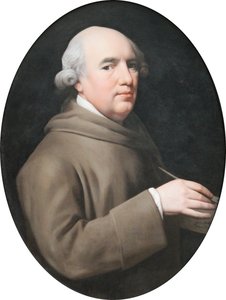
جورج ستوبز
1724 - 1806 , المملكة المتحدة
لمحة سريعة
- الأعمال البارزة:
- ويستلجاكيت
- أسد وحصان
- الاسم الكامل: جورج ستوبس
- الجنسية: بريطاني
- الحركة الفنية: رومانسية، فن الخيل
- الفنانون المؤثرون: ['هامليت وينستانلي']
- الفنانون المتأثرون: ['جوشوا رينولدز']
- تاريخ الميلاد: 25 أغسطس 1724
- مكان الميلاد: ليفربول، المملكة المتحدة
مقالات ذات صلة
Beastly Brushstrokes: A Historical Journey Through Animal Painting & Aesthetic Movements
Explore the rich history of animal painting across cultures & movements. Discover iconic artists, symbolism, collecting trends & expert art consultation at OriginalUniqueArt.com.

الحيوانات في الفن والتصميم الداخلي: رموز خالدة ومعانٍ عميقة في مساحاتنا
استكشف الوجود الدائم للحيوانات في الفن والتصميم الداخلي. اكتشف رموزها الثقافية العميقة ومعانيها الخفية، ونصائح لاختيار الأعمال الفنية المثالية لمنزلك مع OriginalUniqueArt.

أعمال جورج سورا الخالدة: 25 تحفة فنية تزين منزلك بلمسة فنية راقية
اكتشف 25 تحفة فنية آسرة لجورج سورا، رائد النقطية والانطباعية الجديدة. استكشف قصص لوحاته الخالدة وألوانها المذهلة. احصل على إعادة إنتاج عالية الجودة لديكور منزلي فاخر على OriginalUniqueArt.com

أعمال جورج براك الخالدة: 25 تحفة فنية تزين منزلك بلمسة فنية راقية
اكتشف 25 تحفة فنية لجورج براك، رائد الت تكعيبية. تعرف على قصص لوحاته الخالدة وألوانها الفريدة. طباعة لوحات أصلية عالية الجودة لديكور منزلي فاخر. استكشف المجموعة الكاملة الآن على OriginalUniqueArt.com!
George Stubbs: Anatomical Precision & Romantic Vision in 18th-Century British Art
Explore the captivating world of George Stubbs, the 18th-century master renowned for his anatomical precision & Romantic animal paintings. Discover his legacy and investment potential.


