
 معاينة الحجم الواقعي
 مشاركة
 مشاركة
 التفاصيل
 دليل
دليل

 تحميل الملف
 قطع مشابهة
 الأشعة السينية
 عرض شرائح
 الأسئلة والأجوبة
 الإحصائيات
A Lion attacking a Horse


 عرض المزيد
طباعة جيلي / مطبوعات فنية
طباعة جيكلي أو كانفاس بجودة المتاحف، مع سرعة في التنفيذ وخيارات متنوعة للتشطيب. ( شراء لوحة مرسومة يدويًا الانتقال إلى الصورة الرقمية)




P118B E£10

P118H E£10

P118W E£10

P438Z E£10

P508JH E£12

P508YH E£12

P805H E£10

P805Z E£10

P919BZ E£10

P919G E£10

P919XJ E£10

P959ZH E£10

P968JZ E£12

W106C E£8

W218G E£10

W218JH E£8

W218Y E£10

W307PJ E£10

W316G E£10

W316PJ E£8

W316Y E£10

W398PJ E£8

W4111J E£10

W500HY E£15

W500JH E£15

W692G E£12

W849H E£8

W940BG E£15

W953PJ E£8




اختر من بين أحجامنا المُعدّة مسبقاً والتي تتوافق مع النسب الأصلية للعمل الفني.

أدخل العرض والارتفاع المطلوبين ليتناسب المقاس مع إطارك أو جدارك. يرجى الملاحظة أن المطبوعة يمكن قصها فقط ولا يمكن تكبيرها لتتجاوز أبعاد الصورة الأصلية، لذا فإن اختيار مقاس بأبعاد مختلفة سيؤدي إلى فقدان جزء من الصورة. سنرسل لك نموذجاً رقمياً تجريبياً لاعتماده قبل البدء في عملية الطباعة. الصورة المعروضة في هذه الصفحة لا توضح شكل القص الفعلي — النموذج التجريبي فقط هو ما يظهر ذلك بدقة.
توصيل عالمي إلى خلال أسبوعين بدلاً من المدة القياسية البالغة 4/5 أسابيع. (11 نوفمبر)

شحن سريع ومجاني لجميع أنحاء العالم

قماش كتان عالي الجودة

تأمين شامل على الشحن

ضمان استرداد الرسوم الجمركية

ضمان مطابقة الألوان الحقيقية

سياسة الإرجاع خلال 100 يوم (في حالات العيوب فقط)

ضمان استرداد نقدي بنسبة 100%

خصم عند طلب كميات
 خيار الزجاج متاح فقط للمقاسات التي تقل عن 110 سم

A Lion attacking a Horse
طباعة جيلي / مطبوعات فنية
مقاس النسخة المطبوعة
-


إجمالي السعر النهائي
E£ 4265
A Symphony of Terror and Anatomical Mastery
In the annals of British art history, few images possess the visceral, heart-stopping intensity of George Stubbs’s “A Lion Attacking a Horse.” Completed in 1762, this masterpiece is far more than a mere depiction of predatory violence; it is a profound exploration of life, death, and the raw mechanics of existence. As the lion lunges with predatory precision, sinking its claws into the equine back, the viewer is thrust into a moment of pure, unadulterated drama. The scene is a breathtaking study in contrast—the golden, muscular power of the predator clashing against the desperate, straining vulnerability of the prey. For the discerning collector or interior designer, this work offers an unparalleled focal point, bringing a sense of classical grandeur and untamed energy to any sophisticated space.
The true genius of Stubbs lies in his ability to marry scientific rigor with Romantic emotion. Having spent years engaged in the grueling process of anatomical dissection, Stubbs possessed an intimate knowledge of musculature and skeletal structure that was unparalleled in his era. In this painting, every ripple of the horse’s flank and every tensed tendon in the lion's paw serves as a testament to his dedication to truth. The light plays across the scene with a masterful chiaroscuro effect, casting deep, dramatic shadows that heighten the sense of peril while illuminating the glistening sweat on the horse's skin and the coarse texture of the lion's mane. This meticulous attention to detail ensures that the painting feels less like a static image and more like a living, breathing event captured in time.
Historical Resonance and Aesthetic Grandeur
Beyond its physical prowess, “A Lion Attacking a Horse” serves as a pivotal bridge between the Enlightenment's obsession with scientific observation and the burgeoning Romantic movement’s fascination with the sublime. Stubbs does not merely illustrate an attack; he captures the sublime—that overwhelming feeling of awe and terror inspired by the uncontrollable forces of nature. This thematic depth makes the piece incredibly versatile for high-end decor, providing a narrative weight that can anchor a room, whether placed in a traditional library or a contemporary gallery setting. The painting’s historical significance is matched only by its visual impact, as it echoes the dramatic energy found in the works of later masters like Théodore Géricault.
For those seeking to incorporate a piece of this magnitude into their collection through a high-quality reproduction, the artwork offers a wealth of sensory experiences. The interplay of earthy tones, the rugged textures of the rocky landscape, and the dynamic composition create an atmosphere of movement and tension that is both captivating and intellectually stimulating. It is a work that invites prolonged contemplation, rewarding the eye with new anatomical details and emotional nuances upon every viewing. Owning a reproduction of this masterpiece allows one to possess not just a beautiful object, but a window into the very essence of biological struggle and artistic triumph.
الأسئلة والأجوبة
في أي متحف يُعرض العمل الأصلي "A Lion attacking a Horse"؟
تُحفظ النسخة الأصلية من "A Lion attacking a Horse" للفنان جورج ستوبز في Yale University Art Gallery, نيو هيفن, الولايات المتحدة الأمريكية، بينما تتيح لك هذه النسخة المطبوعة عرض العمل الفني في منزلك.
هل يتوفر دليل لـ "A Lion attacking a Horse" للفنان جورج ستوبز؟
يُعد دليل "A Lion attacking a Horse" صفحة دليل تعليمي الخاصة بالعمل الفني؛ وهي ورقة حقائق قابلة للطباعة تستعرض العمل الفني مع شرحه، وسطر الائتمان، وجدول البيانات التعريفية (الفنان، التواريخ، الوسيط، الحجم الأصلي، والمجموعة).
كيف يمتزج الوسيط والحركة في "A Lion attacking a Horse"؟
تُنفذ لوحة "A Lion attacking a Horse" باستخدام Oil On Canvas، وبأسلوب Romanticism.
السيرة الذاتية للفنان
الحياة المبكرة والتدريب
جورج ستوبس، الرسام الإنجليزي الشهير، ولد في 25 أغسطس عام 1724 في مدينة ليفربول بالمملكة المتحدة. كانت حياته المبكرة غامضة إلى حد ما، مع ندرة المعلومات الموثقة حتى سن الخامسة والثلاثين، ومعظم التفاصيل المعروفة مستقاة من مذكرات أوزياس همفري، والتي تعتمد على محادثاته مع ستوبس في عام 1794. بدأ ستوبس رحلته الفنية في سن الخامسة عشرة، حيث عمل في البداية تحت إشراف والده، وهو صانع الجلود. لاحقًا، سعى للتعلم من هامليت وينستانلي، رسام ونقاش من لانكشاير، لكن فترة تدريبه كانت قصيرة. سمحت له هذه التجربة القصيرة بدراسة مجموعة فنية في قاعة نوزلي.التطور الفني والأعمال البارزة
شغف ستوبس بعلم التشريح دفعه إلى الانتقال إلى يورك عام 1744، حيث درس تحت الجراح تشارلز أتكينسون في مستشفى مقاطعة يورك. من بين أعماله المبكرة الناجية مجموعة رسومات توضيحية لكتاب جون بيرتون عن القابلات، الذي نُشر عام 1751. في عام 1756، استأجر ستوبس مزرعة في لينكولنشاير وقضى ثمانية عشر شهرًا في تشريح الخيول بمساعدة زوجته غير الرسمية ماري سبنسر. أدى ذلك إلى نشر كتابه تشريح الحصان عام 1766، والذي تضم رسوماته الأصلية الآن في الأكاديمية الملكية. سرعان ما حظيت أعمال ستوبس بتقدير الرعاة الأرستقراطيين البارزين، بما في ذلك الدوق الثالث لريتشモンド، الذي كلفه بثلاث لوحات كبيرة عام 1759. كانت هذه بداية مسيرته الناجحة، حيث أنتج أعمالاً لعدة دوقات ولوردات، وبلغت ذروتها بشراء منزل في ماريليبون بلندن.الإرث واللوحات الشهيرة
أشهر أعمال ستوبس هي لوحة ويستليكيت، وهي رسم لحصان يقفز، كلف بها البارون الثاني لروكينغهام. تُعرض هذه اللوحة الآن في المتحف الوطني بلندن. تختلف هذه اللوحة وعملين آخرين لروكينغهام عن الأعراف التقليدية، حيث تتميز بخلفيات بسيطة.- تُظهر لوحة ويستليكيت، وهي حصان سباق أصيل يقفز على ساقيه الخلفيتين، مهارة ستوبس التي لا مثيل لها في التقاط جوهر الخيول.
- تعتبر سلسلة لوحات ستوبس التي تصور أسدًا يهاجم حصانًا من الأمثلة المبكرة للحركة الرومانسية، مما يدل على تأثيره على فن القرن الثامن عشر.
التأثيرات والأساليب الفنية
تميز أسلوب ستوبس بالدقة التشريحية العالية والاهتمام بالتفاصيل. كان لديه فهم عميق لتشريح الخيول، مما سمح له بتصويرها بطريقة واقعية وديناميكية. استخدم ستوبس تقنيات الرسم الزيتي التقليدية، لكنه أضاف لمسة فريدة من خلال التركيز على الضوء والظل لخلق شعور بالعمق والحجم. تأثر ستوبس بفنانين مثل هامليت وينستانلي، الذي قدم له مقدمة مبكرة لعالم الفن. ومع ذلك، سرعان ما طور أسلوبه الخاص المتميز، والذي تميز بتركيزه على الحيوانات، وخاصة الخيول.الأهمية التاريخية والإرث الدائم
يعتبر جورج ستوبس أحد أهم رسامي الحيوانات في التاريخ. لقد ترك إرثًا دائمًا كفنان رائد في تصوير الخيول والحيوانات الأخرى. ألهمت أعماله أجيالًا من الفنانين، ولا تزال تحظى بالتقدير والإعجاب من قبل عشاق الفن في جميع أنحاء العالم. إن تفانيه في الدقة التشريحية وشغفه بالجمال الطبيعي يجعله شخصية بارزة في تاريخ الفن. يمكن مشاهدة أعمال ستوبس في العديد من المتاحف والمعارض حول العالم، مما يضمن استمرار إرثه للأجيال القادمة.- شاهد أعمال ستوبس على https://OriginalUniqueArt.com/@/george_stubbs
- استكشف مجموعة المتحف الوطني بلندن التي تضم أعمال ستوبس البارزة على /ar/art/show/art-8xyffg-ar/
- تعرف على المزيد حول حياة ستوبس وعمله في ويكيبيديا على https://en.wikipedia.org/wiki/george_stubbs
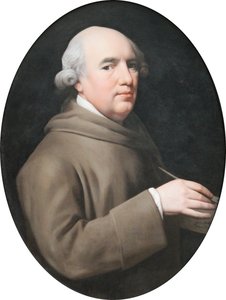
جورج ستوبز
1724 - 1806 , المملكة المتحدة
حقائق سريعة
- الأعمال البارزة:
- ويستلجاكيت
- أسد وحصان
- الاسم الكامل: جورج ستوبس
- الجنسية: بريطاني
- الحركة الفنية: رومانسية، فن الخيل
- الفنانون المؤثرون: ['هامليت وينستانلي']
- الفنانون المتأثرون: ['جوشوا رينولدز']
- تاريخ الميلاد: 25 أغسطس 1724
- مكان الميلاد: ليفربول، المملكة المتحدة
مقالات ذات صلة

The Equine Muse: A Historical & Artistic Exploration of Horses in Painting
Explore the captivating history of horses in painting! Discover Renaissance masterpieces, Baroque grandeur & expert insights for collecting equestrian art. Learn about symbolism, techniques & lasting value with OriginalUniqueArt.

أعمال جورج سورا الخالدة: 25 تحفة فنية تزين منزلك بلمسة فنية راقية
اكتشف 25 تحفة فنية آسرة لجورج سورا، رائد النقطية والانطباعية الجديدة. استكشف قصص لوحاته الخالدة وألوانها المذهلة. احصل على إعادة إنتاج عالية الجودة لديكور منزلي فاخر على OriginalUniqueArt.com
George Stubbs: Anatomical Precision & Romantic Vision in 18th-Century British Art
Explore the captivating world of George Stubbs, the 18th-century master renowned for his anatomical precision & Romantic animal paintings. Discover his legacy and investment potential.
The Noble Steed on Canvas: A Historical & Artistic Exploration of Horse Painting Across Cultures
Explore the rich history of horse painting! Discover masterpieces from Stubbs to Munnings & learn about symbolism, techniques & artists. Find museum-quality reproductions at OriginalUniqueArt.

أعمال جورج براك الخالدة: 25 تحفة فنية تزين منزلك بلمسة فنية راقية
اكتشف 25 تحفة فنية لجورج براك، رائد الت تكعيبية. تعرف على قصص لوحاته الخالدة وألوانها الفريدة. طباعة لوحات أصلية عالية الجودة لديكور منزلي فاخر. استكشف المجموعة الكاملة الآن على OriginalUniqueArt.com!


