
 معاينة الحجم الحقيقي
 مشاركة
 مشاركة
 التفاصيل

 تحميل الملف
 قطع مشابهة
 الأشعة السينية
 عرض شرائح
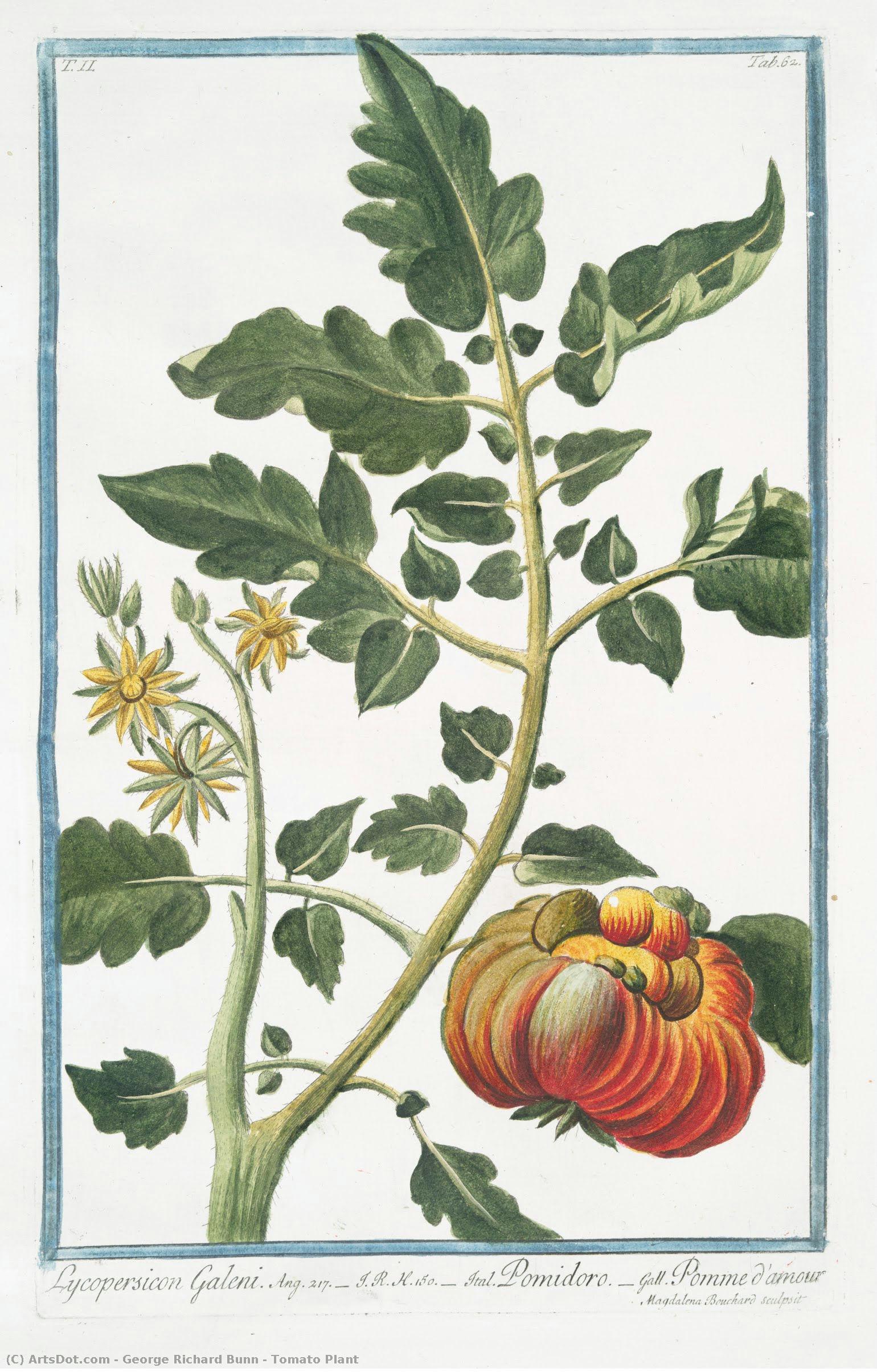
Tomato Plant


 عرض المزيد
نسخة زيتية مصنوعة يدوياً
لوحة زيتية مرسومة يدوياً على الكانفاس بالمقاس والإطار الذي تفضله، تُنفذ حسب الطلب على أيدي فنانينا. ( اشترِ نسخة مطبوعة اشترِ الصورة)




































اختر من بين أحجامنا المُعدّة مسبقًا والتي تتطابق مع النسب الأصلية للعمل الفني.

يمكنك إدخال أبعادك الخاصة لتناسب إطارًا معينًا أو مساحة محددة. وإذا لم يتطابق الحجم الذي اخترته مع نسب الصورة الأصلية، فسنقوم إما بقص العمل الفني أو توسيع اللوحة بإضافة عناصر مرسومة يدويًا. سيتم إرسال نموذج رقمي إليك للموافقة عليه قبل بدء الإنتاج.
يرجى ملاحظة أن المعاينة على الشاشة لا تعكس عملية القص أو التوسيع الفعلية؛ حيث إن النموذج الرقمي وحده هو الذي سيوضح التكوين النهائي بدقة.
وعلى الرغم من توفر أحجام مخصصة، إلا أننا نوصي باختيار أبعاد من القائمة المحددة مسبقًا للحفاظ على النسب الأصلية للعمل الفني.
بعد إتمام الطلب، سيرسل فريق OriginalUniqueArt.com بريداً إلكترونياً للعميل لطلب التعليمات وتزويده بمعاينة تجريبية (mockup).
توصيل عالمي إلى خلال 3 إلى 4 أسابيع بدلاً من المدة المعتادة البالغة 5 أسابيع. (19 أغسطس). جودة لا تهاون فيها.

شحن سريع ومجاني لجميع أنحاء العالم

قماش كتان عالي الجودة

تأمين شحن شامل

ضمان استرداد الرسوم الجمركية

ضمان مطابقة الألوان الحقيقية

سياسة الإرجاع خلال 60 يومًا (في حالات العيوب فقط)

ضمان استرداد نقدي بنسبة 100%

خصم عند طلب عدة قطع
 خيار الزجاج متاح فقط للمقاسات التي تقل عن 110 سم

Tomato Plant
خامة إعادة الإنتاج
مقاس النسخة المطبوعة
-


السعر الإجمالي النهائي
$ 300
السيرة الذاتية للفنان
George Richard Bunn (Giorgio Bonelli): A Baritone’s Journey Through Opera and Film
Born in the heart of Chicago in 1889, George Richard Bunn – later known as Giorgio Bonelli – embarked on a remarkable career that spanned decades of operatic performance, radio broadcasts, film appearances, and even teaching. His life story is intertwined with the vibrant cultural shifts of the early to mid-20th century, reflecting both the evolving landscape of American opera and the burgeoning influence of sound technology. While often overshadowed by some of his more celebrated contemporaries, Bonelli’s versatility and dedication carved out a significant niche for him as a consistently reliable and engaging baritone.
Bonelli's early life was marked by a shift from the Midwest to Syracuse, New York, where he developed a passion for music. Initially drawn to engineering at Syracuse University, his burgeoning talent as a singer quickly steered him toward vocal training. Influenced by renowned voice teachers like Arthur Alexander and Jean de Reszke, Bonelli honed his craft, absorbing techniques that would serve him well throughout his career. His initial foray into the professional world began in 1915 with a debut at the Brooklyn Academy of Music, launching what would become a prolific stage presence. Interestingly, his early connection to race car driver and mayor of Salt Lake City, Ab Jenkins, hints at a broader social circle and a life beyond the purely artistic.
A Stage Career Spanning Continents
Bonelli’s operatic career unfolded across Europe and North America. He quickly established himself as a valuable asset to several prominent opera companies, including the San Carlo Opera in Italy, the Chicago Opera Company, and most notably, the Metropolitan Opera in New York City. His repertoire was remarkably diverse, encompassing roles ranging from the romantic Figaro in Rossini’s The Barber of Seville to the tragic Giorgio Germont in Verdi’s La Traviata. His performances were characterized by a robust voice, expressive phrasing, and a keen understanding of dramatic interpretation. He wasn't merely a singer; he was an actor who brought depth and nuance to each character he portrayed.
A pivotal moment in his career came with his debut at the Met in 1932, where he sang Figaro – a role that would remain a consistent feature of his repertoire. His association with the company continued for over a decade, culminating in his final performance as Figaro in 1945. Beyond the Met, Bonelli toured extensively throughout Europe and performed regularly in San Francisco, showcasing his versatility across various operatic styles. He also made significant contributions to radio broadcasts, bringing opera to a wider audience during an era when sound technology was rapidly transforming entertainment.
Beyond the Stage: Film and Teaching
Bonelli’s career wasn't confined solely to the opera house. He embraced opportunities in film, appearing as a featured baritone in several productions, including Enter Madame (1935) and The Hard-Boiled Canary (1941). These appearances demonstrated his ability to adapt his stage presence to the demands of the screen, further expanding his public profile. However, as he approached retirement from singing, Bonelli shifted his focus to teaching, sharing his considerable knowledge and experience with a new generation of vocalists at institutions like the Curtis Institute of Music and the Music Academy of the West.
Legacy and Artistic Significance
George Richard Bunn – Giorgio Bonelli – remains a significant figure in operatic history. While perhaps not as widely celebrated as some of his contemporaries, his consistent performances, diverse repertoire, and adaptability to various media demonstrate a remarkable career spanning nearly six decades. His contributions to the development of American opera are noteworthy, particularly his work with the Metropolitan Opera during its formative years. His legacy extends beyond his individual performances; he also played a role in shaping the careers of numerous young singers. The preservation of recordings and film footage of Bonelli’s performances offers valuable insights into the aesthetics and performance practices of the early 20th century, providing a window into a bygone era of operatic artistry.
His work, such as ‘Tomato Plant’, exemplifies his dedication to capturing the essence of botanical illustration with meticulous detail and scientific precision – a testament to his artistic sensibilities and keen eye for observation.

george richard bunn
1889 - 1980 , United States of America
حقائق سريعة
- Artistic Movement Or Style: Operatic baritone
- Artists Or Movements Influenced By This Artist: ['Early 20th century art']
- Artists Who Influenced This Artist: ['Richard Bonelli']
- Date Of Birth: Feb 6, 1889
- Date Of Death: June 7, 1980
- Full Name: George Richard Bunn (Giorgio Bonelli)
- Nationality: American
- Notable Artworks: ['Tomato Plant']
- Place Of Birth: Chicago, USA
مقالات ذات صلة

أعمال جورج براك الخالدة: 25 تحفة فنية تزين منزلك بلمسة فنية راقية
اكتشف 25 تحفة فنية لجورج براك، رائد الت تكعيبية. تعرف على قصص لوحاته الخالدة وألوانها الفريدة. طباعة لوحات أصلية عالية الجودة لديكور منزلي فاخر. استكشف المجموعة الكاملة الآن على OriginalUniqueArt.com!
The Flourishing Canvas: A Historical & Artistic Exploration of Botanical Illustration
Explore the rich history of botanical illustration! Discover key artists like Havell & Barraband, learn about scientific accuracy & aesthetic beauty. Shop museum-quality reproductions at OriginalUniqueArt.

أعمال جورج سورا الخالدة: 25 تحفة فنية تزين منزلك بلمسة فنية راقية
اكتشف 25 تحفة فنية آسرة لجورج سورا، رائد النقطية والانطباعية الجديدة. استكشف قصص لوحاته الخالدة وألوانها المذهلة. احصل على إعادة إنتاج عالية الجودة لديكور منزلي فاخر على OriginalUniqueArt.com

The Flourishing Canvas: A Historical Journey Through Botanical Illustration
Explore the captivating history of botanical illustration! Discover renowned artists like Robert Havell & Mary Walcott, learn about techniques, and find museum-quality art at OriginalUniqueArt.com.

The Flourishing Canvas: A Historical Journey Through Botanical Illustration
Explore the captivating history of botanical illustration! Discover renowned artists like Robert Havell & Mary Walcott, learn about techniques, and find museum-quality art at OriginalUniqueArt.com.

