

 معاينة الحجم الواقعي
 إرسال
إرسال مشاركة
 عرض التفاصيل
 دليل الأعمال الفنية للطلاب

 تحميل
تحميل
 قطع مشابهة
 الأشعة السينية
 عرض شرائح متتابع
 الإحصائيات
Self Portrait, Admonishing
 Oil On Canvas
- WallArt
- Verism
 1927
1927- Modern
 98.0 x 79.0 cm
 اقرأ المزيد
إن العمل الفني المعروض في هذه الصفحة محمي بموجب قوانين حقوق الطبع والنشر، مما يعني أنه لا يحق لنا قانوناً إنشاء أو بيع نسخ مطابقة له. وتُطبق هذه الحماية بموجب الاتفاقيات الدولية مثل الـ اتفاقية برن ووفقاً للقوانين الوطنية، بما في ذلك تلك المنصوص عليها في قانون حقوق الطبع والنشر في الولايات المتحدة - الباب 17.
تتوافق هذه الطريقة تماماً مع لوائح حقوق النشر لأنها لا تتضمن نسخ أو تكرار العمل الفني المحمي، بل هي إعادة تفسير إبداعية؛ أي أنها لوحة جديدة مستوحاة من الأصل ولكنها ليست مطابقة له.
طباعة جيلي / مطبوعات فنية
طباعة جيكلي أو كانفاس بجودة المتاحف، مع سرعة في التنفيذ وخيارات متنوعة للتشطيب. ( اطلب نسخة مرسومة يدويًا التحويل إلى الصورة الرقمية)




P118B E£10

P118H E£10

P118W E£10

P438Z E£10

P508JH E£12

P508YH E£12

P805H E£10

P805Z E£10

P919BZ E£10

P919G E£10

P919XJ E£10

P959ZH E£10

P968JZ E£12

W106C E£8

W218G E£10

W218JH E£8

W218Y E£10

W307PJ E£10

W316G E£10

W316PJ E£8

W316Y E£10

W398PJ E£8

W4111J E£10

W500HY E£15

W500JH E£15

W692G E£12

W849H E£8

W940BG E£15

W953PJ E£8




اختر من بين أحجامنا المُعدّة مسبقاً والتي تتوافق مع النسب الأصلية للعمل الفني.

أدخل العرض والارتفاع اللذين تحتاجهما، ليتناسب مع إطارك أو جدارك. يمكن قص المطبوعة فقط، ولا يمكن أبداً جعلها أكبر من الصورة الأصلية، لذا فإن أي مقاس بشكل مختلف سيؤدي إلى فقدان جزء من الصورة. سنرسل لك نموذجاً رقمياً تجريبياً لاعتماده قبل البدء في عملية الطباعة. الصورة المعروضة في هذه الصفحة لا توضح القص الفعلي — النموذج التجريبي فقط هو ما يظهر ذلك.
توصيل عالمي إلى خلال أسبوعين بدلاً من المدة القياسية البالغة 4/5 أسابيع. (27 أكتوبر)

شحن سريع ومجاني لجميع أنحاء العالم

قماش كتان فاخر

تأمين شامل على الشحن

ضمان استرداد الرسوم الجمركية

ضمان دقة مطابقة الألوان

سياسة الإرجاع خلال 100 يوم (في حالات العيوب فقط)

ضمان استرداد نقدي بنسبة 100%

عرض خصم الكميات
 خيار الزجاج متاح فقط للمقاسات التي تقل عن 110 سم

Self Portrait, Admonishing
طباعة جيلي / مطبوعات فنية
مقاس النسخة المطبوعة
-


إجمالي السعر
E£ 4165
Self Portrait, Admonishing: A Stark Reflection of Weimar Germany
George Grosz's "Self Portrait, Admonishing," painted in 1927, is more than just a self-representation; it’s a powerful social commentary and a window into the anxieties of the Weimar Republic. Measuring 98 x 79 cm, this oil on canvas painting embodies the Verism movement's unflinching portrayal of reality, capturing a moment of intense introspection and warning from one of Germany's most provocative artists. Grosz’s style, evident in works like "Suicide" and "Max Schmeling the Boxer," is characterized by sharp lines, distorted forms, and a deliberate rejection of idealized beauty, all serving to amplify his critical message.Artistic Style and Technique
The painting's power lies not only in its subject matter but also in Grosz’s masterful technique. The use of oil on canvas allows for rich textures and nuanced shading, contributing to the overall sense of unease and intensity. Verism, as a style, prioritizes realism and social critique over aesthetic pleasantness. Grosz employs this approach with deliberate force, eschewing traditional portraiture conventions to create an image that is both unsettling and deeply compelling. The visible brushstrokes and layered paint contribute to a palpable depth, drawing the viewer into the artist's troubled gaze. The composition itself is carefully constructed; Grosz’s direct engagement with the viewer through his pointing gesture creates a sense of confrontation and urgency.Historical Context: Weimar Germany and Social Critique
"Self Portrait, Admonishing" was created during a period of profound social and political upheaval in Germany. The Weimar Republic, established after World War I, was marked by economic instability, hyperinflation, and rising extremism. Grosz, deeply critical of the societal ills he witnessed – corruption, decadence, and the looming threat of fascism – used his art as a weapon to expose these failings. The painting’s gesture—Grosz pointing directly at the viewer—is a direct admonishment, a call for responsibility and awareness in the face of impending doom. The Berlinische Galerie holds this piece within its collection, recognizing its significance as a document of a turbulent era. It reflects the anxieties and uncertainties that permeated German society during this time, making it a crucial work within Grosz’s oeuvre.Symbolism and Emotional Impact
The painting's symbolism is layered and complex. The artist's intense gaze conveys a sense of profound concern and moral outrage. His attire—a somewhat formal yet slightly disheveled appearance—suggests an intellectual, perhaps even a prophet-like figure burdened with the responsibility of warning others. The act of pointing is particularly significant; it’s not merely a gesture of accusation but also an attempt to awaken the viewer from complacency. The overall emotional impact is one of unease and introspection. Grosz doesn't offer easy answers or comforting illusions; instead, he forces the viewer to confront uncomfortable truths about themselves and their society. The painting resonates with a sense of urgency and despair, reflecting the artist’s deep conviction that action was needed to avert disaster.Owning a Piece of History: Handmade Reproductions
For art enthusiasts and collectors seeking to own a piece of this pivotal moment in art history, OriginalUniqueArt.com offers meticulously crafted handmade oil painting reproductions of "Self Portrait, Admonishing." These reproductions capture the original's texture, color palette, and emotional intensity, allowing you to experience Grosz’s powerful message firsthand. Bringing this iconic artwork into your home or office is not just an aesthetic choice; it’s a statement about your appreciation for art that challenges, provokes, and ultimately illuminates the human condition.الأسئلة والأجوبة
ما هي الاستخدامات الموصى بها لنسخة مطبوعة من "Self Portrait, Admonishing"؟
يُنصح باستخدام نسخة مُعاد إنتاجها من "Self Portrait, Admonishing" للفنان جورج غروس لغرض Statement؛ حيث يأتي هذا الاقتراح تماشياً مع موضوع العمل الفني وأجوائه وألوانه.
كيف يلتقي الأسلوب الفني مع العصر في "Self Portrait, Admonishing" للفنان جورج غروس؟
تنتمي لوحة "Self Portrait, Admonishing" إلى حركة Verism، وقد أبدعها فنان عاش في عصر العصر الحديث.
هل يمكنني استخدام تقنية الواقع المعزز لرؤية "Self Portrait, Admonishing" للفنان جورج غروس في غرفتي؟
تستخدم صفحة معاينة الواقع المعزز لعمل "Self Portrait, Admonishing" للفنان جورج غروس تقنية الواقع المعزز لعرض العمل الفني في مساحتك الخاصة، عبر جهاز متوافق.
نبذة عن الفنان
حياة جورج غروس: مُزَوِّقُ العوالم المُهَشَّمة
ولد جورج غروس، واسمه الأصلي يورغ إيرينفريد غروس في برلين عام 1893، وكان مؤرخًا بصريًا للتدهور المجتمعي والاضطرابات السياسية. لم يكن فنه مجرد *فن عصره* – جمهورية فايمار المضطربة وصعود الفاشية – بل كان رد فعل حاد عليه، واتهامًا غاضبًا تم تقديمه بخطوط متعرجة ورسوم كاريكاتورية مشوهة. لم يصور غروس برلين ببساطة؛ بل قام بتشريحها، وكشف عن فسادها الأخلاقي بصدق صارخ. اتسمت سنواته الأولى بعدم الاستقرار إثر وفاة والده، وهو حدث دفع والدته إلى إدارة نادي ضباط، مما وضعه الشاب يورغ في عالم العسكرية البروسية والتسلسل الهرمي الاجتماعي الصارم – عالم سيقوم لاحقًا بسخريته بلا هوادة. بدأ تدريبه الفني الرسمي بنسخ دقيقة لأساتذة هولنديين تقليديين مثل إدوارد فون غروتزنر، وصقل المهارات التقنية قبل أن يتخلى عن الاتفاقيات الأكاديمية لصالح مسار أكثر استفزازًا. ومع ذلك، فقد وفر هذا الانضباط المبكر الأساس الذي بُني عليه أسلوبه التعبيري الفريد.دادا، الموضوعية الجديدة، وميلاد رؤية نقدية
كان تطور غروس الفني مرتبطًا ارتباطًا وثيقًا بالحركات الطليعية التي ازدهرت في ألمانيا بعد الحرب العالمية الأولى. أصبح شخصية مركزية في دادا برلين، واحتضن روحها العدمية وحماسها المناهضة للمؤسسات. ومع ذلك، على عكس بعض معاصريه من الدادائيين الذين ابتهجوا بالعبث المطلق، وجه غروس الطاقة الثورية للدادا نحو تعليقات اجتماعية حادة. أعماله خلال هذه الفترة – مثل *الحفرة* (1921) و *أركان المجتمع* (1926) – هي اتهامات لاذعة للبرجوازية الألمانية والنخبة العسكرية والنظام السياسي الفاسد الذي قاد البلاد إلى الكارثة. لم يكن مهتمًا بالجماليات؛ بل سعى إلى الصدمة والاستفزاز وكشف النفاق. التزم هذا الالتزام بالنقد الاجتماعي من خلال مشاركته في *Neue Sachlichkeit* (الموضوعية الجديدة)، وهي حركة اتسمت بتصويرها الواقعي وغير العاطفي للحياة المعاصرة. بينما شارك غروس الموضوعية الجديدة في تركيزها على الواقعية، فقد أضفى عليها سخرية لاذعة تميزه عن الفنانين الآخرين المرتبطين بالمجموعة. لم تكن لوحاته ورسوماته مجرد تمثيلات للواقع؛ بل كانت انعكاسات مشوهة لمجتمع يترنح على حافة الانهيار.المنفى والتحول: عالم جديد، أسلوب متغير
أجبر صعود النازية غروس على المنفى في عام 1933. وجد ملاذًا في الولايات المتحدة، وأصبح مواطنًا أمريكيًا طبيعيًا في عام 1938. مثّل هذا الانتقال نقطة تحول كبيرة في حياته الفنية. بعيدًا عن السياق المباشر الذي غذى عمله الأكثر قوة، وفي مواجهة مجموعة مختلفة من الحقائق الاجتماعية والسياسية، بدأ أسلوب غروس في التحول. حلّت محل الرسوم الكاريكاتورية العدوانية الواضحة مناظر طبيعية وصور شخصية أكثر هدوءًا، وغالبًا ما كانت مشوبة بشعور بالكآبة وخيبة الأمل. على الرغم من أنه استمر في المعرض والتدريس في رابطة طلاب الفن في نيويورك، إلا أن عمله افتقر إلى الحدة الخام لفترة برلين. كافح لإيجاد موطئ قدم له في بيئة جديدة، وتعامل مع مشاعر الاغتراب وعدم اليقين الفني. عكست الرؤى المروعة التي ظهرت خلال هذا الوقت – لوحات تصور مناظر طبيعية قاحلة وشخصيات مجزأة – ليس فقط الأهوال التي تتكشف في أوروبا ولكن أيضًا اضطرابه الداخلي.الإرث والأهمية الدائمة
عاد جورج غروس إلى برلين عام 1959، بعد فترة وجيزة من وفاته، وهي عودة مؤثرة إلى المدينة التي ألهمته وطاردته على حد سواء. يمتد إرثه إلى ما هو أبعد من السياق التاريخي لجمهورية فايمار. لا يزال مثالًا قويًا لفنان تجرأ على مواجهة الحقائق غير المريحة وتحدي الأعراف المجتمعية.- القوة الساخرة: يستمر استخدام غروس الماهر للرسوم الكاريكاتورية في إلهام الفنانين والمعلقين اليوم.
- التعليق الاجتماعي: يظل انتقاده الصريح للعيوب الاجتماعية ملحوظًا بشكل لافت للنظر في عالم لا يزال يعاني من عدم المساواة والفساد والاستقطاب السياسي.
- شاهد تاريخي: يوفر فنه رؤى قيمة حول المناخ الاجتماعي والسياسي لألمانيا بين الحربين العالميتين، ويقدم فهمًا حيويًا للقوى التي أدت إلى الحرب العالمية الثانية.
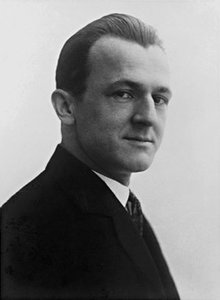
جورج غروس
1893 - 1959 , ألمانيا
لمحة سريعة
- الأعمال البارزة:
- الهاوية
- أعمدة المجتمع
- الاسم الكامل: جورج غروس
- الجنسية: ألماني
- الحركة الفنية: دادا، الواقعية الجديدة
- تاريخ الميلاد: 26 يوليو 1893
- مكان الميلاد: برلين، ألمانيا
مقالات ذات صلة

Unblinking Truths: The Clinical Realism of Germany’s Neue Sachlichkeit
Explore the clinical precision of German New Objectivity through masters like Otto Dix. Discover the truth behind the Weimar era's raw realism.
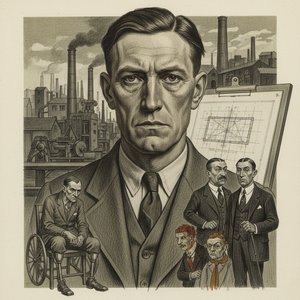
Neue Sachlichkeit: Objectivity, Realism & Social Commentary in Interwar German Art
Explore Neue Sachlichkeit – the pivotal German art movement critiquing Weimar society with unflinching realism. Discover key artists like Dix & Grosz, its historical context, and collecting insights for discerning investors.

أعمال جورج براك الخالدة: 25 تحفة فنية تزين منزلك بلمسة فنية راقية
اكتشف 25 تحفة فنية لجورج براك، رائد الت تكعيبية. تعرف على قصص لوحاته الخالدة وألوانها الفريدة. طباعة لوحات أصلية عالية الجودة لديكور منزلي فاخر. استكشف المجموعة الكاملة الآن على OriginalUniqueArt.com!

أعمال جورج سورا الخالدة: 25 تحفة فنية تزين منزلك بلمسة فنية راقية
اكتشف 25 تحفة فنية آسرة لجورج سورا، رائد النقطية والانطباعية الجديدة. استكشف قصص لوحاته الخالدة وألوانها المذهلة. احصل على إعادة إنتاج عالية الجودة لديكور منزلي فاخر على OriginalUniqueArt.com
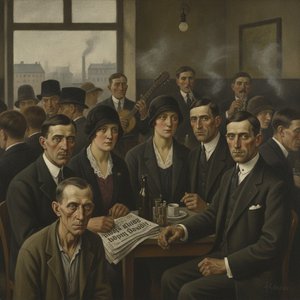
Neue Sachlichkeit: The Unflinching Realism and Social Critique of German New Objectivity
Explore the raw realism of Neue Sachlichkeit. Discover how German New Objectivity artists like Otto Dix and George Grosz captured the turbulent Weimar Republic through unflinching social critique and precise detail. A definitive guide for art historians and collectors.


