
 معاينة الحجم الحقيقي
 مشاركة
 مشاركة
 التفاصيل

 تحميل الملف
 قطع مشابهة
 الأشعة السينية
 عرض شرائح
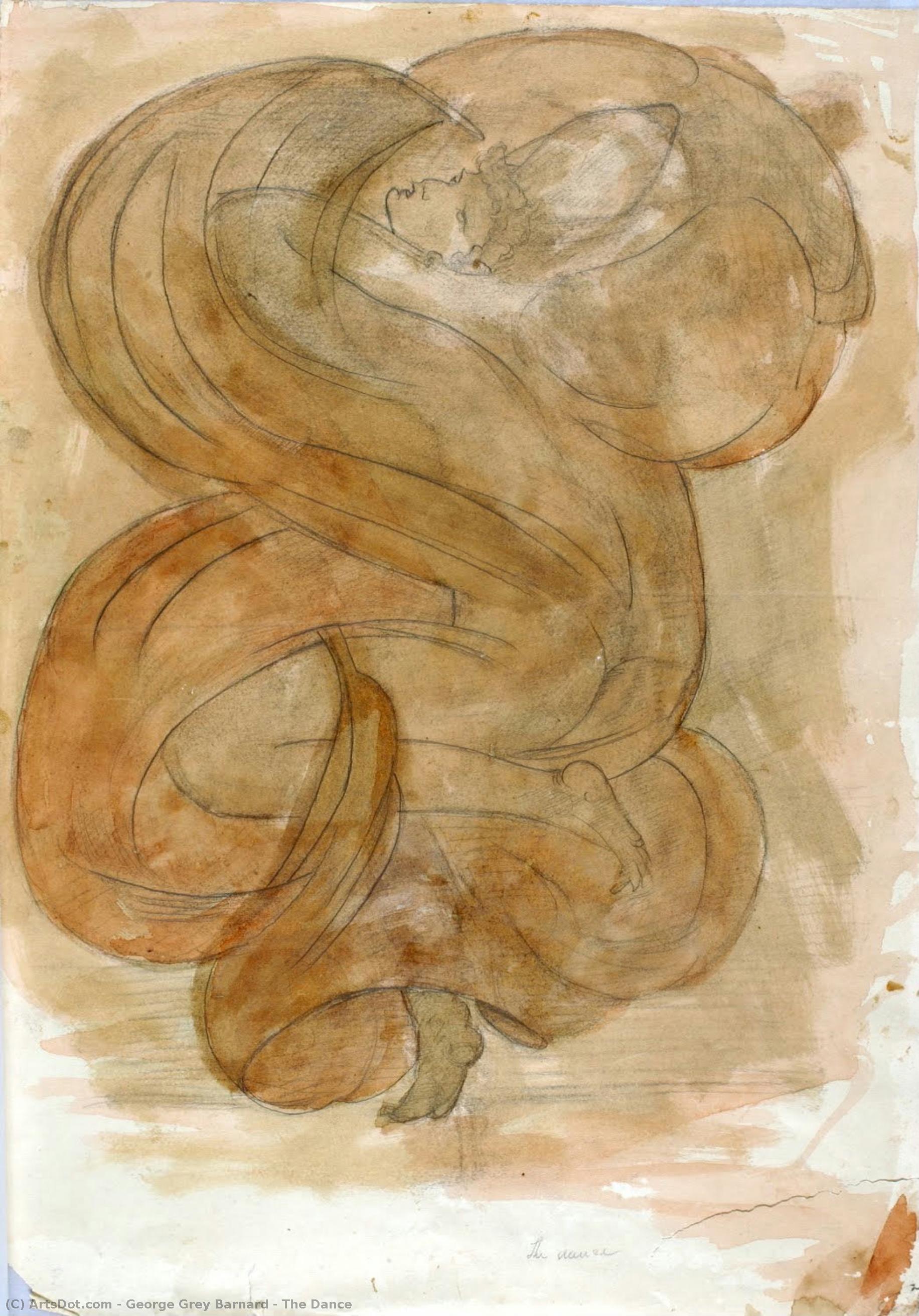
The Dance
 Oil On Canvas
- WallArt
- Impressionism
 1910
1910 50.0 x 35.0 cm
 المتحف الوطني للفنون
 عرض المزيد
طباعة جيلي / مطبوعات فنية
طباعة جيكلي أو كانفاس بجودة المتاحف، مع سرعة في التنفيذ وخيارات متنوعة للتشطيب. ( التحويل إلى لوحة مرسومة يدوياً التبديل إلى الصورة)




P118B $10

P118H $10

P118W $10

P438Z $10

P508JH $12

P508YH $12

P805H $10

P805Z $10

P919BZ $10

P919G $10

P919XJ $10

P959ZH $10

P968JZ $12

W106C $8

W218G $10

W218JH $8

W218Y $10

W307PJ $10

W316G $10

W316PJ $8

W316Y $10

W398PJ $8

W4111J $10

W500HY $15

W500JH $15

W692G $12

W849H $8

W940BG $15

W953PJ $8




اختر من بين أحجامنا المُعدّة مسبقًا والتي تتطابق مع النسب الأصلية للعمل الفني.

يمكنك إدخال أبعادك الخاصة لتناسب إطاراً أو مساحة معينة. وإذا لم يتطابق الحجم الذي اخترته مع نسب الصورة الأصلية، فسنقوم إما بقص العمل الفني أو تمديد الصورة باستخدام حافة معكوسة أو بلون مصمت. سيتم إرسال نموذج تجريبي رقمي لاعتمادك قبل بدء الإنتاج.
يرجى ملاحظة أن المعاينة على الشاشة لا تعكس عملية القص أو التمديد الفعلية؛ حيث سيوضح النموذج التجريبي فقط التكوين النهائي بدقة.
وعلى الرغم من توفر أحجام مخصصة، إلا أننا نوصي باختيار أبعاد من القائمة المحددة مسبقاً للحفاظ على النسب الأصلية.
توصيل عالمي إلى خلال أسبوعين بدلاً من المدة القياسية البالغة 4/5 أسابيع. 7 أغسطس

شحن سريع ومجاني لجميع أنحاء العالم

قماش كتان عالي الجودة

تأمين شحن شامل

ضمان استرداد الرسوم الجمركية

ضمان مطابقة الألوان الحقيقية

سياسة الإرجاع خلال 60 يومًا (في حالات العيوب فقط)

ضمان استرداد نقدي بنسبة 100%

خصم عند طلب عدة قطع
 خيار الزجاج متاح فقط للمقاسات التي تقل عن 110 سم

The Dance
طباعة جيلي / مطبوعات فنية
مقاس النسخة المطبوعة
-


السعر الإجمالي النهائي
$ 80
وصف القطعة الفنية
A Life Forged in Stone: The World of George Grey Barnard
George Grey Barnard, born in Bellefonte, Pennsylvania, in 1863, was an American sculptor whose career unfolded against a backdrop of shifting artistic tides and burgeoning national identity. His life story is one of relentless pursuit – a journey from the rural landscapes of his youth to the hallowed halls of Parisian art academies, and ultimately, to establishing himself as a pivotal figure in American sculpture. The son of a Presbyterian minister, Barnard’s early years were marked by frequent relocation across Illinois, yet it was within this itinerant existence that an artistic sensibility began to blossom. He initially honed his skills at the Art Institute of Chicago under Leonard Volk, demonstrating an innate talent for modeling and form – a foundation upon which he would build a remarkable career. This initial spark propelled him towards Paris in 1883, where he immersed himself in the rigorous training of the École Nationale Supérieure des Beaux-Arts, absorbing the influences of Impressionism and forging his own distinctive artistic voice.The Artwork: “The Dance”
“The Dance,” created between 1898 and 1910, exemplifies Barnard’s masterful command of watercolor and oil wash on paper. Measuring 50 x 35 cm, the painting depicts a woman engaged in movement—a captivating portrayal of grace and dynamism. The artist skillfully captures the essence of dance through careful observation and expressive brushwork. Note the fluid lines delineating the dancer's form, conveying a sense of effortless motion against a softly blurred background. Barnard’s technique prioritizes capturing fleeting moments of emotion and atmosphere, aligning him with the tenets of Impressionism.Style and Technique: Impressionistic Influences
Barnard’s artistic approach is undeniably rooted in Impressionist principles. Like Monet and Renoir, he eschewed meticulous detail in favor of conveying light and color—a deliberate decision to prioritize perceptual experience over photographic realism. The warm hues dominating the palette – ochre yellows, crimson reds, and earthy browns – contribute to an overall feeling of warmth and vibrancy. Barnard’s layering technique—applying thin washes of watercolor followed by thicker oil glazes—creates a textured surface that enhances the illusion of depth and luminosity. This meticulous process underscores his dedication to capturing the subtleties of light and shadow.Historical Context: American Sculpture Emerges
“The Dance” reflects the broader artistic landscape of late 19th-century America, where sculpture was undergoing significant transformation. Prior to Barnard’s arrival in Paris, American sculpture largely adhered to academic conventions—characterized by idealized figures and polished surfaces. However, Barnard's exposure to European avant-garde movements spurred him to experiment with new forms and techniques, signaling a decisive break from tradition. His work aligns with the burgeoning interest in capturing human emotion and movement—a trend that would ultimately propel American sculpture into the 20th century.Symbolism and Emotional Impact
The image itself speaks volumes about themes of freedom, joy, and feminine beauty. The dancer’s posture embodies a spirit of liberation—a rejection of constraints and an embrace of spontaneity. Barnard's masterful use of color and brushwork evokes feelings of energy and passion, inviting the viewer to contemplate the transformative power of art. “The Dance” transcends mere representation; it aspires to communicate an inner state of being—a testament to Barnard’s profound understanding of human psychology and his ability to translate emotion onto canvas.Conclusion: A Legacy of Artistic Innovation
George Grey Barnard's contribution to American sculpture is undeniable. "The Dance," alongside numerous other works, solidified his reputation as a visionary artist who championed Impressionistic ideals while forging an enduring connection with the spirit of his time. It remains a compelling example of artistic innovation—a celebration of movement and emotion that continues to inspire admiration and contemplation decades after its creation.مقالات ذات صلة

أعمال جورج براك الخالدة: 25 تحفة فنية تزين منزلك بلمسة فنية راقية
اكتشف 25 تحفة فنية لجورج براك، رائد الت تكعيبية. تعرف على قصص لوحاته الخالدة وألوانها الفريدة. طباعة لوحات أصلية عالية الجودة لديكور منزلي فاخر. استكشف المجموعة الكاملة الآن على OriginalUniqueArt.com!

أعمال جورج سورا الخالدة: 25 تحفة فنية تزين منزلك بلمسة فنية راقية
اكتشف 25 تحفة فنية آسرة لجورج سورا، رائد النقطية والانطباعية الجديدة. استكشف قصص لوحاته الخالدة وألوانها المذهلة. احصل على إعادة إنتاج عالية الجودة لديكور منزلي فاخر على OriginalUniqueArt.com
أروع 25 تحفة فنية في متحف المتروبوليتان: رحلة عبر العصور والجمال الخالد
اكتشف أروع 25 تحفة فنية في متحف المتروبوليتان، نيويورك! قصص ليوناردو دا فينشي وفان جوخ وبيكاسو وأكثر. لوحات كلاسيكية ومعاصرة لإلهام ديكور منزلك. تسوق إعادة إنتاج اللوحات عالية الجودة على OriginalUniqueArt.com.

أعمال جيمس أبتون ماكنيل ويستلر الـ 25 الأكثر شهرة: تحف فنية لتزيين منزلك
اكتشف 25 تحفة فنية لجيمس أبتون ماكنيل ويستلر، رائد حركة التجميل. نوكتورن، بورتريهات أيقونية وأكثر! قصص ملهمة وتقنيات فنية رائعة لتزيين منزلك بأناقة. استكشف المجموعة الكاملة على OriginalUniqueArt.com

أروع 25 تحفة فنية في متحف ديترويت للفنون: إلهام وديكور لمنزلك
اكتشف أروع 25 تحفة فنية في متحف ديترويت للفنون! لوحات فان جوخ، مونيه، وأكثر. قصص الفنانين وتقنياتهم الخالدة. إلهام لديكور منزلك مع OriginalUniqueArt.com.

