 معاينة الحجم الواقعي
 مشاركة
 مشاركة
 التفاصيل
 دليل
دليل

 تحميل الملف
 قطع مشابهة
 الأشعة السينية
 عرض شرائح
 الأسئلة والأجوبة
 الإحصائيات
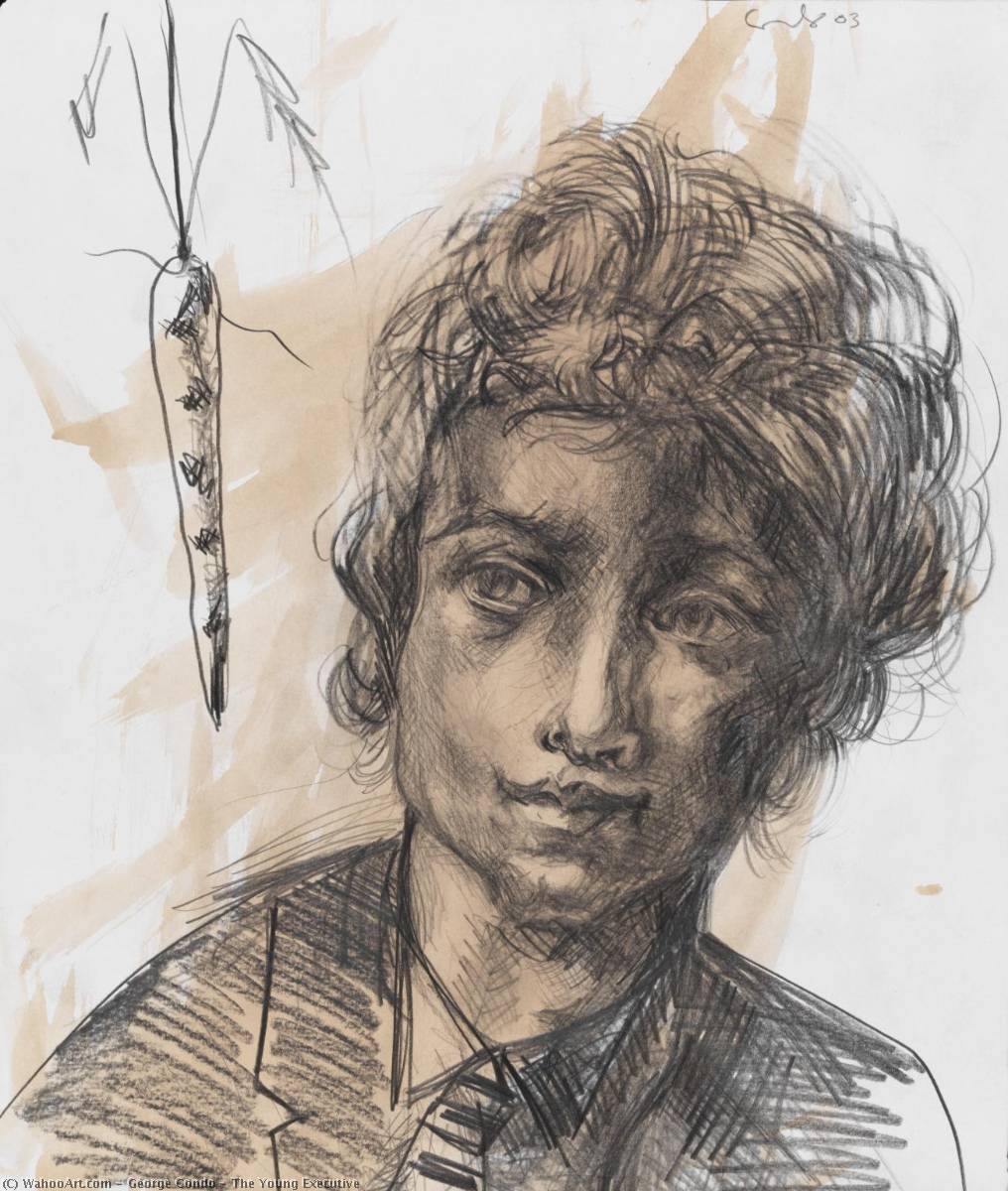
The Young Executive


 عرض المزيد
احصل على ملف جاهز للطباعة يتجاوز بمراحل جودة المعاينة عبر الإنترنت؛ فكل صورة رقمية نبيعها مستمدة من نسخة أصلية عالية الدقة في قاعدة بياناتنا — يتراوح عرضها عادةً بين 5,000 إلى 15,000 بكسل — مما يتيح لك الطباعة بأحجام كبيرة، أو الاقتصاص بدقة، أو إعادة إنتاج التفاصيل الدقيقة بكل ثقة.
لا تخرج أي صورة من استوديو الخاص بنا دون أن تمر بعملية معالجة دقيقة؛ حيث يقوم خبير رقمي بمطابقة الألوان مع اللوحة الأصلية وتصحيحها عند الضرورة، ثم يعمل على تحسين الوضوح والتفاصيل باستخدام أدوات ترميم احترافية — مع الحفاظ دائماً على أمانة نقل ضربات فرشاة الفنان وأسلوبه. والنتيجة هي صورة تبدو كأنها اللوحة ذاتها، وليست مجرد مسح ضوئي خاضع للفلاتر.
تتم عملية الاعتماد قبل الإتمام النهائي: حيث يرسل خبيرنا الصورة عبر البريد الإلكتروني في غضون 72 ساعة لمراجعتها من قبلك. هل لم تنل النتيجة إعجابك؟ يمكنك طلب تحسينات أو تصحيحات، أو طلب استرداد الأموال إذا لم تكن الجودة بالمستوى المطلوب.
هذه هي الجودة التي يعتمد عليها الناشرون، واستوديوهات التصميم، والمعارض، والمطابع.
صورة رقمية
حمّل ملفاً عالي الدقة للعرض الشخصي، والطباعة، والمشاريع الإبداعية. ( التبديل إلى نسخة مطبوعة شراء لوحة مرسومة يدويًا)
مزايا مُضمّنة مع كل طلب صورة رقمية
تسليم رقمي احترافي ومضمون
عندما تختار OriginalUniqueArt.com، فأنت لا تحصل على مجرد صورة فحسب، بل ستحصل على عمل فني رقمي مُحسّن باحترافية، صُمم بدقة متناهية ومصحوب بضمان الرضا. إليك كل ما يتضمنه طلبك تلقائياً:

تسليم سريع عبر البريد الإلكتروني
ستصلك ملفات صورك الرقمية عالية الدقة عبر البريد الإلكتروني في غضون 72 ساعة من إتمام الطلب - لتكون جاهزة للاستخدام الفوري.

ملف رقمي مُعزز بالذكاء الاصطناعي
يتم تحسين عملك الفني باحترافية باستخدام أدوات الذكاء الاصطناعي المتقدمة والتحرير اليدوي، لضمان أقصى درجات التفاصيل والوضوح ودقة الألوان.

إعادة إرسال مجانية مدى الحياة
هل حذفت ملفك أو فقدته عن طريق الخطأ؟ لا تقلق - سنعيد إرساله إليك في أي وقت، مجاناً.

بدون رسوم استيراد - على الإطلاق
استمتع بأعمالك الفنية فوراً دون أي رسوم جمركية أو ضرائب أو مصاريف شحن - فالتحميلات الرقمية دائماً ما تكون معفاة من الضرائب.

ضمان دقة الألوان
نضمن لك دقة انعكاس الألوان الأصلية في صورتك الرقمية بأقصى قدر ممكن، وذلك باستخدام أدوات احترافية وتقنيات متطورة لإدارة الألوان.

ضمان الرضا لمدة 100 يوم
إذا لم تكن راضياً عن صورتك الرقمية، فسنقوم بتعديلها أو استرداد 100% من قيمتها خلال 100 يوم - دون طرح أي أسئلة.

ضمان استرداد نقدي بنسبة 100%
لم تكن راضياً؟ استرد كامل المبلغ خلال 100 يوم من استلام ملفك الرقمي - دون طرح أي أسئلة.

خصومات الطلبات الكبيرة
اشتري 3 صور، ووفر 10% - اشتري 5، ووفر 15% - اشتري +10، ووفر 20%. مثالية للمشاريع الإبداعية، والمعارض، والوكالات.
A Captivating Portrait: George Condo's "The Young Executive"
George Condo’s “The Young Executive” is a striking charcoal drawing that transcends simple portraiture. It presents a young woman rendered with an arresting blend of realism and expressive distortion, characteristic of Condo’s unique ‘Artificial Realism’ style. This piece isn't merely about capturing likeness; it delves into the psychological complexities of its subject, inviting viewers to contemplate her inner world.
Style & Technique: Artificial Realism in Charcoal
Condo is renowned for his 'Artificial Realism,' a fascinating fusion of Old Masters’ techniques and Pop Art sensibilities. In "The Young Executive," this manifests through the highly detailed rendering of the woman's features, reminiscent of classical portraiture, juxtaposed with an almost dreamlike quality created by the swirling charcoal background. The technique is primarily dry – relying on the pressure of the charcoal stick to build up volume and form. Notice how Condo utilizes hatching and cross-hatching to create a rich, layered texture that emphasizes the three-dimensionality of the subject’s face and hair. The dramatic shading creates a powerful sense of depth and mood.
Historical Context & Influences
Created in 2003, "The Young Executive" reflects Condo's ongoing exploration of portraiture within a contemporary context. While drawing inspiration from the academic portrait tradition of the late 19th century, Condo subverts it with his expressive and gestural approach. His artistic journey, shaped by early studies in art history and music theory, alongside connections to figures like Jean-Michel Basquiat, has fostered a unique visual language that blends high art references with elements of popular culture. The drawing’s aged appearance suggests a timeless quality, hinting at the enduring power of portraiture across generations.
Symbolism & Emotional Impact
While seemingly straightforward as a bust portrait, "The Young Executive" contains subtle symbolic nuances. The inclusion of carrots in the background is intriguing – perhaps suggesting a connection to nature or offering a playful contrast with the formality of the portrait style. More importantly, the drawing evokes a complex range of emotions. The woman’s gaze, combined with the dramatic lighting and expressive charcoal strokes, creates an atmosphere of quiet intensity and introspection. The swirling background adds to this sense of mystery, suggesting a world beyond the immediate subject. Ultimately, Condo's work invites viewers to project their own interpretations onto the portrait, fostering a deeply personal connection.
A Timeless Addition
“The Young Executive” is more than just a drawing; it’s an exploration of identity, emotion, and artistic expression. Its compelling composition, masterful technique, and subtle symbolism make it a captivating piece for art lovers, collectors, and interior designers alike. A hand-painted reproduction captures the nuances of Condo's charcoal work, bringing this powerful portrait into any space.
الأسئلة والأجوبة
هل يمكن تنزيل صورة "The Young Executive"؟
يمكنك تنزيل "The Young Executive": حيث توفر صفحة تحميل الصورة الرقمية الخاصة بالعمل الفني خيار تحميل صورة رقمية عالية الدقة.
ما هو اللون الطاغي على "The Young Executive"؟
يتخلل اللون Golden Yellow Range أرجاء لوحة "The Young Executive" للفنان جورج كوندو.
هل العمل "The Young Executive" ضمن الملكية العامة؟
تندرج لوحة "The Young Executive" للفنان جورج كوندو ضمن نطاق لا تزال محمية بموجب حقوق الطبع والنشر، وتحدد هذه الحالة الشروط التي يمكن بموجبها إعادة إنتاج صورة العمل الفني.
السيرة الذاتية للفنان
توليفة بين الماضي والحاضر: عالم جورج كوندو
ولد جورج كوندو في مدينة كونكورد بولاية نيوهامبشير عام 1957، وبرز كشخصية محورية في الفن المعاصر من خلال صياغة لغة بصرية فريدة تماماً، أطلق عليها هو نفسه اسم "الواقعية الاصطناعية". لم يكن هذا مجرد خيار أسلوبي، بل كان موقفاً فلسفياً، ودمجاً متعمداً بين التقنيات الموقرة للرسامين القدامى والطاقة الحيوية والفوضوية في كثير من الأضاع للثقافة الشعبية الأمريكية. لقد وضعت حياة كوندو المبكرة حجر الأساس لهذه التوليفة؛ إذ شملت مساعيه الأكاديمية في جامعة ماساتشوستس لوريل تاريخ الفن ونظرية الموسيقى، مما عزز لديه تقديراً للبنية الشكلية جنباً إلى جنب مع حساسية تجاه الإيقاع والتكوين. وقد تجلى هذا الميل الموسيقي في مشاركته في مشهد موسيقى البانك في بوسطن كعازف باص في فرقة "The Girls"، وهي فرقة تنبأ صوتها التجريبي بروح تجاوز الحدود التي ستحدد مسيرته الفنية لاحقاً. وكان لقاؤه مع جان ميشيل باسكيا في عام 1979 نقطة تحول جذرية، حيث دفع به إلى الانتقال إلى مدينة نيويورك والانغماس الكامل في عالم الفن المزدهر، ولم تكن هذه الخطوة مجرد انتقال جغرافي، بل كانت قفزة في بوتقة من الإبداع حيث استطاع كوندو التعبير عن رؤيته بكل وضوح.ميلاد الواقعية الاصطناລະ وجذور إيست فيليج
تزامن وصول كوندو إلى نيويورك مع الطاقة المتفجرة لمشهد الفن في منطقة "إيست فيليج" في أوائل الثمانينيات. وهنا، ووسط مناخ من التجريب والتمرد، بدأت ملامح "الواقعية الاصطناعية" تتشكل. لم يكن كوندو مهتماً بمحاكاة الواقع، بل سعى بدلاً من ذلك إلى خلق واقع *محاكى*؛ واقع تسكنه شخصيات معقدة نفسياً، رُسمت بمهارة دقيقة تحاكي أساليب الأساتذة التاريخيين ولكنها مشبعة بحس عصري متميز. تضمن هذا النهج تفكيكاً متعمداً للبورتريه التقليدي، حيث غالباً ما كان يقدم الشخصيات بملامح مشوهة، وأشكال مجزأة، وإحساس مقلق بالاغتراب. كما ساهمت فترة عمله القصيرة في "مصنع" آندي وارهول في صقل مهاراته التقنية، حيث شارك في إنتاج الطباعة الحريرية لسلسلة *Myths* الخاصة بوارهل من خلال استخدام مسحوق الماس، وهي تفصيلة دقيقة ولكنها جوهرية تعكس شغف كوندو بالسطح والوهم. وقد رسخت معارضه الأولى في صالات عرض إيست فيليج مكانته كقوة لا يستهان بها، فنان تجرأ على تحدي التقاليد واستكشاف التيارات الخفية المظلمة للحياة المعاصرة. وتلت ذلك رحلات عبر أوروبا، ربطته بفنانين من مجموعة "Mulheimer Freiheit" في كولونيا بألمانيا، مما وسع آفاقه الفنية وعزز التزامه بالابتكار.التعاونات والتيارات الفكرية
لا تتميز مسيرة كوندو المهنية بالإنجازات الفردية فحسب، بل أيضاً بسلسلة من التعاونات المؤثرة التي أغنت ممارسته ووسعت نطاق تأثيرها. ولعل أبرز هذه التعاونات كانت شراكته التي استمرت عقداً من الزمان مع ويليام س. بوروز، والتي بدأت في عام 1988؛ حيث أبدعا معاً لوحات ومنحوتات غاصت في موضوعات اللغة والسيطرة والعقل الباطن، مما يعد شهادة على شغفهما المشترك بقوة الصورة والسرد. وتوج هذا التعاون في عمل *Ghost of Chance*، وهو مجموعة من الكتابات والنقوش التي نشرها متحف ويتني في عام 1991، مما عزز المصداقية الفكرية لكوندو. كما كانت صداقته مع كيث هارينج مثمرة بنفس القدر، حيث وفرت له مساحة في المرسم وألهمت أعمالاً مثل *Dancing to Miles* (1985)، الذي نال تقديراً في معرض ويتني الثنائي عام 1987. ولم يكن التأثير فنياً فحسب؛ بل لعبت التيارات الفلسفية أيضاً دوراً حاسماً في تشكيل فكر كوندو، حيث قدمت كتابات فيليكس غواتاري، وخاصة تحليله لأعمال كوندو، إطاراً نظرياً لفهم نهج الفنان الفريد وتداعياته الثقافية الأوسع.الإرث والتأثير المستمر
إن تأثير جورج كوندو على الفن المعاصر أمر لا يمكن إنكاره؛ فهو لم يقم بمجرد إحياء الرسم، بل أعاد *تخيله*، مبرهناً على أن التقنيات التاريخية يمكن تسخيرها لمعالجة القلق الحديث واستكشاف تعقيدات النفس البشرية. ويمكن رؤية تأثيره في أعمال العديد من الفنانين، بما في ذلك نايجل كوك، وشون لاندرز، وجون كيرين، وليسا يوسكاوي، وغلين براون، الذين يتصارع جميعهم مع قضايا التمثيل والهوية والنقد الثقافي. وبعيداً عن الفنون البصرية، تردد صدى أعمال كوندو لدى كتاب مثل سلمان رشدي، الذي استلهم روايته *Fury* من الصور المؤرقة للوحة *The Psychoanalytic Puppeteer Losing His Mind* (1994)، وديفيد مينز، الذي وجد الإلهام في لوحة *The Fallen Butler* (2010) لقصته القصيرة "The Butler's Lament". حتى ألن غينسبرغ أدرك موهبة كوندو الفريدة، حيث كلفه برسم بورتريه زين غلاف مختاراته الشعرية. إن إرث كوندو الخالد يكمن في قدرته على الجسر بين عوالم تبدو متباعدة—الكلاسيكية والمعاصرة، والرفيعة والشعبية—مبدعاً جسداً من الأعمال التي تجمع بين التحفيز الفكري والرنين العاطفي. إنه يظل قوة حيوية في عالم الفن، يدفع الحدود باستمرار ويتحدى تصوراتنا عن الواقع.
جورج كوندو
1957 - , الولايات المتحدة
لمحة سريعة
- Artistic Movement Or Style: الواقعية الاصطناعية
- Artists Or Movements Influenced By This Artist:
- نايجل كوك
- شون لاندرز
- جون كيرين
- Artists Who Influenced This Artist:
- باسكيات
- وار홀
- سيزان
- بيكاسو
- Date Of Birth: 1957
- Full Name: جورج كوندو
- Nationality: أمريكي
- Notable Artworks:
- المرأة الحالمة
- أشياء حلم ملونة
- بيلي لديه تشنجات ذهنية
- الرقص على أنغام مايلز
- محرك الدمى التحليلي النفسي
- Place Of Birth: كونكورد، الولايات المتحدة الأمريكية