
 معاينة الحجم الحقيقي
 مشاركة
 مشاركة
 التفاصيل

 تحميل الملف
 قطع مشابهة
 الأشعة السينية
 عرض شرائح
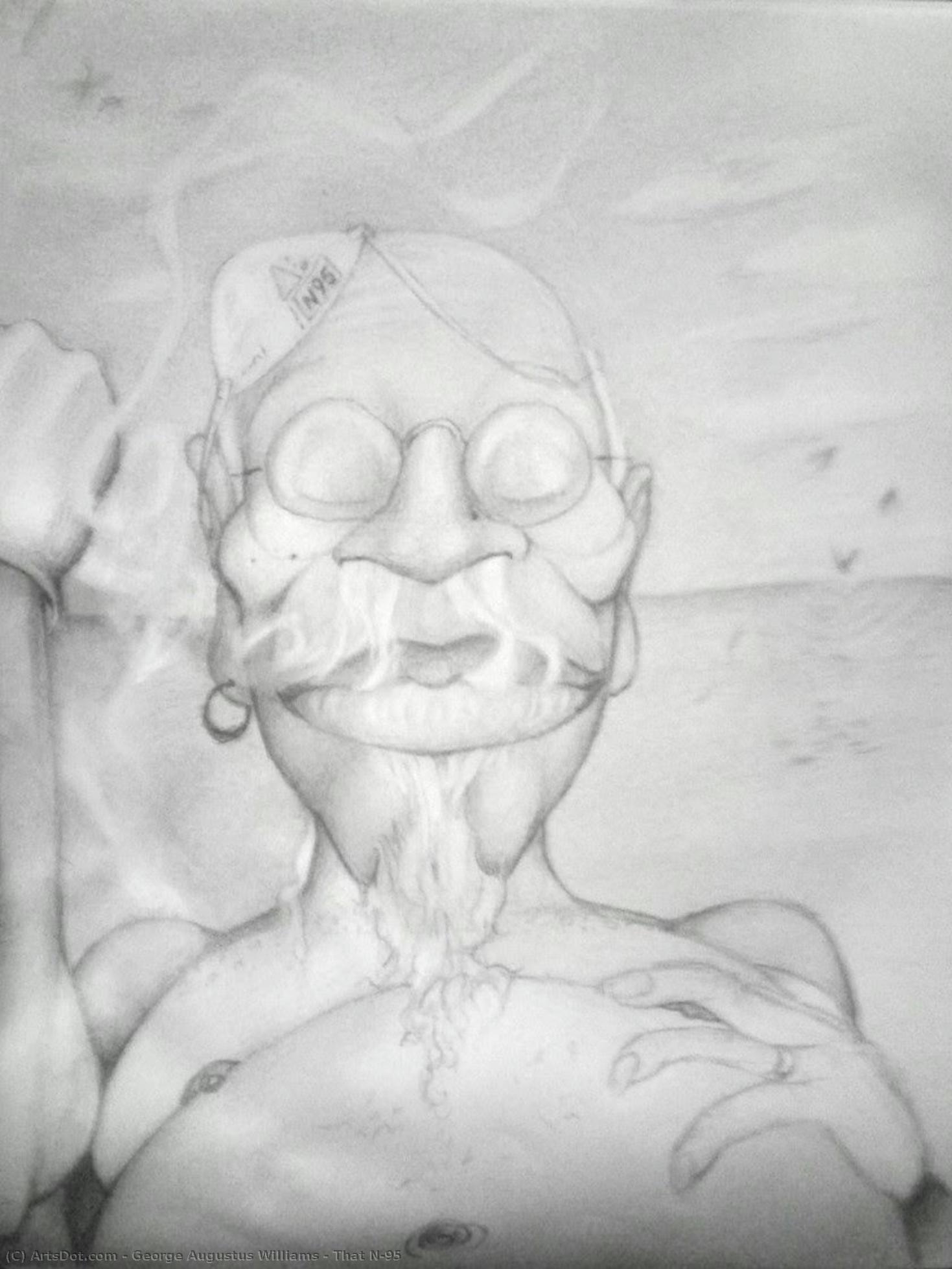
That N-95

 عرض المزيد
طباعة جيلي / مطبوعات فنية
طباعة جيكلي أو كانفاس بجودة المتاحف، مع سرعة في التنفيذ وخيارات متنوعة للتشطيب. ( التحويل إلى لوحة مرسومة يدوياً التبديل إلى الصورة)




































اختر من بين أحجامنا المُعدّة مسبقًا والتي تتطابق مع النسب الأصلية للعمل الفني.

يمكنك إدخال أبعادك الخاصة لتناسب إطاراً أو مساحة معينة. وإذا لم يتطابق الحجم الذي اخترته مع نسب الصورة الأصلية، فسنقوم إما بقص العمل الفني أو تمديد الصورة باستخدام حافة معكوسة أو بلون مصمت. سيتم إرسال نموذج تجريبي رقمي لاعتمادك قبل بدء الإنتاج.
يرجى ملاحظة أن المعاينة على الشاشة لا تعكس عملية القص أو التمديد الفعلية؛ حيث سيوضح النموذج التجريبي فقط التكوين النهائي بدقة.
وعلى الرغم من توفر أحجام مخصصة، إلا أننا نوصي باختيار أبعاد من القائمة المحددة مسبقاً للحفاظ على النسب الأصلية.
توصيل عالمي إلى خلال أسبوعين بدلاً من المدة القياسية البالغة 4/5 أسابيع. 11 أغسطس

شحن سريع ومجاني لجميع أنحاء العالم

قماش كتان عالي الجودة

تأمين شحن شامل

ضمان استرداد الرسوم الجمركية

ضمان مطابقة الألوان الحقيقية

سياسة الإرجاع خلال 60 يومًا (في حالات العيوب فقط)

ضمان استرداد نقدي بنسبة 100%

خصم عند طلب عدة قطع
 خيار الزجاج متاح فقط للمقاسات التي تقل عن 110 سم

That N-95
طباعة جيلي / مطبوعات فنية
مقاس النسخة المطبوعة
-


السعر الإجمالي النهائي
$ 80
وصف القطعة الفنية
السيرة الذاتية للفنان
George Augustus Williams: A Pioneer of Victorian Landscape Painting
George Augustus Williams (1814 – 1901) stands as a significant figure within the Williams family of painters—a lineage celebrated for its contribution to British landscape art during the Victorian era. Born in London, he descended from Edward Williams (1781-1855), a renowned painter himself, inheriting an artistic tradition that emphasized observation and meticulous detail. Despite lacking formal instruction beyond his father’s guidance, Williams cultivated a distinctive style characterized by serene depictions of Thames river scenes and Welsh landscapes—particularly the dramatic vistas surrounding Dolgelly Estuary. His work gained recognition at the Royal Academy from 1841 onwards, establishing him as a respected artist within the burgeoning Barnes School movement.Early Life & Artistic Influences
Williams’s upbringing instilled in him a deep appreciation for nature and artistic craftsmanship. Growing up amidst a family of artists—including Alfred Walter Williams, Selwyn College and his brothers—provided invaluable exposure to techniques and sensibilities that would shape his oeuvre. Edward Williams's dedication to capturing the beauty of the English countryside served as a formative influence, encouraging George to pursue similar goals with unwavering commitment. The prevailing Romantic aesthetic championed by artists like James Ward and George Morland further fueled Williams’s artistic vision, emphasizing emotional resonance alongside accurate representation.Notable Works & Artistic Style
Williams's paintings exemplify the hallmark qualities of Victorian landscape art: atmospheric perspective, subtle tonal gradations, and a careful attention to textural nuances. He excelled at portraying riverscapes—particularly the Thames—capturing their reflections and conveying the tranquility of riverside life. Similarly, his depictions of Dolgelly Estuary captured the grandeur of Snowdonia National Park, showcasing the rugged beauty of Welsh mountains under moody skies. His canvases often featured luminous moonlight illuminating misty valleys and lakes, reflecting a fascination with capturing fleeting moments of sublime natural splendor. The Barnes School’s emphasis on plein air painting—working directly from nature—clearly resonated with Williams's artistic approach.Career & Recognition
Williams established himself as a prolific artist throughout his lifetime, exhibiting extensively at the Royal Academy and securing commissions for private patrons. His paintings gained considerable acclaim during his time, cementing his reputation as one of Britain’s foremost landscape painters. He was particularly active in promoting the Barnes School movement, fostering collaboration among artists and championing innovative techniques—such as layering glazes to achieve depth and luminosity. The enduring legacy of Williams's work lies not only in its aesthetic beauty but also in its embodiment of Victorian ideals—a reverence for nature alongside a commitment to artistic excellence.Legacy & Historical Significance
George Augustus Williams’s contribution to British landscape painting is undeniable, securing his place within the annals of Victorian art history. His paintings continue to inspire admiration for their masterful execution and evocative portrayal of the English countryside. As a member of the Williams family—a collective celebrated for its artistic lineage—Williams exemplifies the spirit of innovation and dedication that characterized the Barnes School movement. His work serves as a testament to the transformative power of observation, meticulous technique, and an unwavering passion for capturing the sublime beauty of the natural world.
george augustus williams
1814 - 1901
حقائق سريعة
- Artistic Movement Or Style: Victorian Landscape Art
- Artists Or Movements Influenced By This Artist: ['Williams Family Painters']
- Artists Who Influenced This Artist:
- James Ward
- George Morland
- Date Of Birth: May 4, 1814
- Date Of Death: May 26, 1901
- Full Name: George Augustus Williams
- Nationality: English
- Notable Artworks:
- Frozen Mill Pond
- Near Dolgelly
- Place Of Birth: London, England

