
 معاينة الحجم الواقعي
 إرسال
إرسال مشاركة
 عرض التفاصيل
 دليل الأعمال الفنية للطلاب

 تحميل
تحميل
 قطع مشابهة
 الأشعة السينية
 عرض شرائح متتابع
 Q&A
Q&A الإحصائيات
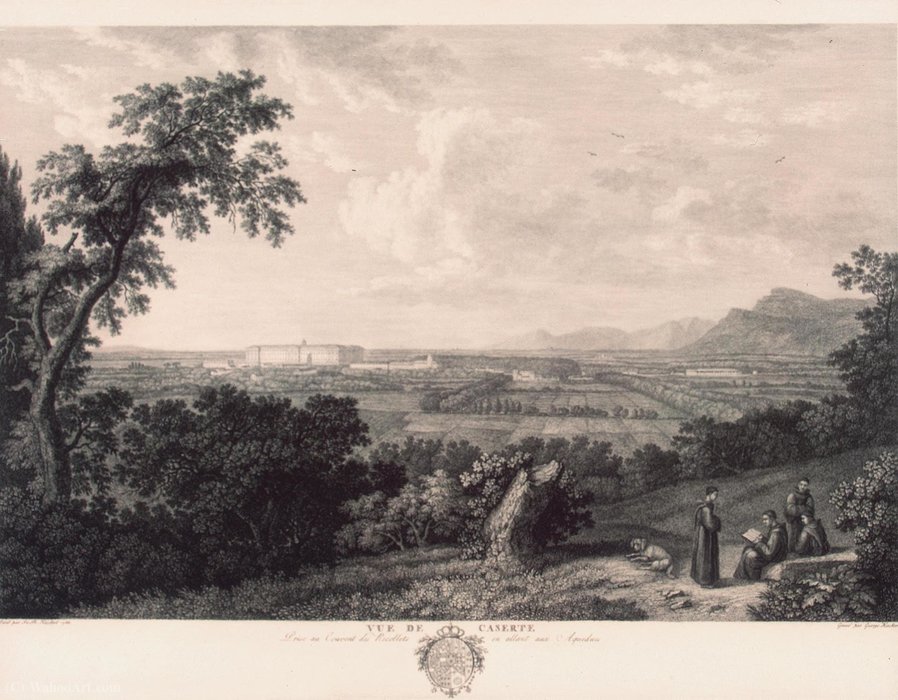
View of Caserta

 اقرأ المزيد
طباعة جيلي / مطبوعات فنية
طباعة جيكلي أو كانفاس بجودة المتاحف، مع سرعة في التنفيذ وخيارات متنوعة للتشطيب. ( اطلب نسخة مرسومة يدويًا التحويل إلى الصورة الرقمية)




































اختر من بين أحجامنا المُعدّة مسبقاً والتي تتوافق مع النسب الأصلية للعمل الفني.

أدخل العرض والارتفاع اللذين تحتاجهما، ليتناسب مع إطارك أو جدارك. يمكن قص المطبوعة فقط، ولا يمكن أبداً جعلها أكبر من الصورة الأصلية، لذا فإن أي مقاس بشكل مختلف سيؤدي إلى فقدان جزء من الصورة. سنرسل لك نموذجاً رقمياً تجريبياً لاعتماده قبل البدء في عملية الطباعة. الصورة المعروضة في هذه الصفحة لا توضح القص الفعلي — النموذج التجريبي فقط هو ما يظهر ذلك.
توصيل عالمي إلى خلال أسبوعين بدلاً من المدة القياسية البالغة 4/5 أسابيع. (31 أكتوبر)

شحن سريع ومجاني لجميع أنحاء العالم

قماش كتان فاخر

تأمين شامل على الشحن

ضمان استرداد الرسوم الجمركية

ضمان دقة مطابقة الألوان

سياسة الإرجاع خلال 100 يوم (في حالات العيوب فقط)

ضمان استرداد نقدي بنسبة 100%

عرض خصم الكميات
 خيار الزجاج متاح فقط للمقاسات التي تقل عن 110 سم

View of Caserta
طباعة جيلي / مطبوعات فنية
مقاس النسخة المطبوعة
-


إجمالي السعر
E£ 4182
نبذة عن الفنان
Georg Abraham Hackert: A Romantic Observer of Hungary and Berlin
Georg Abraham Hackert (1755-1805) stands as a pivotal figure in the transition between the late Baroque and the burgeoning Romanticism of German art. Born in Prenzlau, Prussia – now part of Germany – his life was inextricably linked to the shifting political landscape of 18th-century Europe, particularly through his extensive travels and artistic engagements in Hungary and Berlin. Hackert’s work isn't defined by grand, heroic narratives; instead, he offered a remarkably intimate and observant portrayal of everyday life, rural landscapes, and the remnants of history – a style that resonated deeply with the Romantic sensibility’s focus on emotion, nature, and the past.Early Life and Artistic Training
Hackert's early artistic training remains somewhat shrouded in mystery, though it’s known he began his career as an assistant to Johann Christian Fieger, a painter working in Berlin. This initial apprenticeship provided him with foundational skills in portraiture and decorative painting. However, Hackert quickly developed a fascination with engraving, a medium that allowed him to meticulously capture detail and explore the interplay of light and shadow – qualities crucial to his later landscape work. He honed his engraving skills under the tutelage of Johann Christian Fieger’s assistant, Carl Wilhelm von Nauck, further solidifying his technical expertise. Crucially, Hackert's early exposure to Prussian court life and the burgeoning interest in archaeological discoveries—particularly Roman ruins—would profoundly shape his artistic vision.Hungary: A Landscape of Transformation
In 1778, Hackert embarked on a pivotal journey to Hungary, commissioned by Frederick the Great of Prussia to document the country’s landscape and its transformation following the Habsburg-Turkish War. This extended sojourn proved transformative, both artistically and personally. He spent nearly two decades immersed in Hungarian life, capturing scenes of rural communities, peasant labor, and the dramatic beauty of the Hungarian plains. Unlike many artists who idealized nature, Hackert presented a more nuanced view – one that acknowledged the hardships faced by the peasantry while simultaneously celebrating the region’s rugged charm. His etchings and engravings from this period, such as “View of Vietri” and “View of the Environs of Carpentras,” are characterized by their meticulous detail, atmospheric perspective, and a subtle sense of melancholy. He wasn't simply recording scenery; he was attempting to capture the spirit of a people and a land undergoing significant change.Berlin: Portraits and Historical Scenes
Returning to Berlin in 1798, Hackert established himself as a respected portrait painter and continued his work on historical subjects. He produced numerous portraits of prominent figures, demonstrating a keen ability to capture character and personality. His engagement with the Prussian court provided him with access to luxurious settings and opulent costumes, which he rendered with remarkable accuracy. Simultaneously, he revisited themes from his Hungarian period, creating engravings that explored the ruins of Roman sites – a fascination rooted in his earlier experiences. Works like “Ruins of the Augustan Bridge at Narni” exemplify this blend of historical awareness and Romantic sensibility, presenting ancient structures not as relics of a distant past but as evocative reminders of human ambition and decay.Legacy and Influence
Georg Abraham Hackert’s legacy lies in his ability to bridge the gap between Neoclassicism and Romanticism. He was a master of observation, meticulously documenting the details of everyday life and the beauty of the natural world. His work anticipated many of the key themes of the Romantic movement – the importance of emotion, the fascination with nature, and the exploration of the past—though he did so through a distinctly German lens. His detailed engravings served as models for later generations of landscape artists, while his portraits offered insightful glimpses into the personalities of 18th-century Europe. Hackert’s influence can be seen in the works of Caspar David Friedrich and other prominent Romantic painters who followed in his footsteps, solidifying his place as a significant figure in the development of German art. His work continues to resonate today through its evocative depictions of human experience and the enduring power of landscape.
Georg Abraham Hackert
1755 - 1805 , Germany
لمحة سريعة
- Artistic Movement Or Style: Romanticism
- Artists Or Movements Influenced By This Artist: ['Romantic Landscapes']
- Artists Who Influenced This Artist: ['Philipp the Younger']
- Date Of Birth: 1755
- Date Of Death: 1805
- Full Name: Georg Abraham Hackert
- Nationality: German
- Notable Artworks:
- View of Vietri
- View of Carpentras
- Ruins of Narni Bridge
- Place Of Birth: Prenzlau, Germany
مقالات ذات صلة
Engraving's Golden Age: 10 Masterpieces That Redefined Art | OriginalUniqueArt
Journey through art history with our Top 10 Legendary Engravings! Explore masterpieces by Dürer, Rembrandt & Goya. Discover the stories behind these iconic prints and find museum-quality reproductions for your home at OriginalUniqueArt.com.

أعمال كاتسوشيكا هوكوساي الـ 25 الأكثر روعة: تحف فنية تزين منزلك بجمال اليابان
اكتشف 25 تحفة فنية آسرة لكاتسوشيكا هوكوساي، رائد فن الأوكييو-إي الياباني. موجة كاناغاوا وجبل فوجي وأكثر! استلهم ديكور منزلك بألوان مائية يابانية خالدة. تسوق لوحات هوكوساي عالية الجودة على OriginalUniqueArt.com.

The Intricate World of Engraving: A Historical Survey of Technique, Artistic Expression & Enduring Legacy
Explore the rich history of engraving with OriginalUniqueArt. Discover techniques, iconic artists like Dürer & Callot, collecting tips, and expert guidance for preserving your art investment. Learn about intaglio printing & more!

Engraving: A Historical Survey of Technique, Artistic Expression & Enduring Legacy
Explore the rich history of engraving with OriginalUniqueArt. Discover techniques, iconic artists like Dürer & Callot, collecting tips, and expert guidance for preserving your art investment. Learn about intaglio printing & more!

أفضل 10 لوحات طبيعية رومانسية غيرت مسار الفن وجمّلت الديكور | OriginalUniqueArt
اكتشف 10 روائع فنية رسمت مسار الفن الرومانسي! استكشف لوحات فريدريش، مالارد وأكثر. قصص الفنانين، تقنيات الرسم، وجمال المناظر الطبيعية الخلابة. احصل على أعمال فنية عالية الجودة من OriginalUniqueArt.com!