
 معاينة الحجم الواقعي
 مشاركة
 مشاركة
 التفاصيل
 دليل
دليل

 تحميل الملف
 قطع مشابهة
 الأشعة السينية
 عرض شرائح
 الأسئلة والأجوبة
 الإحصائيات
Quaratesi Polyptych: St Nicholas and Three Poor Maidens


 عرض المزيد
طباعة جيلي / مطبوعات فنية
طباعة جيكلي أو كانفاس بجودة المتاحف، مع سرعة في التنفيذ وخيارات متنوعة للتشطيب. ( شراء لوحة مرسومة يدويًا الانتقال إلى الصورة الرقمية)




P118B E£10

P118H E£10

P118W E£10

P438Z E£10

P508JH E£12

P508YH E£12

P805H E£10

P805Z E£10

P919BZ E£10

P919G E£10

P919XJ E£10

P959ZH E£10

P968JZ E£12

W106C E£8

W218G E£10

W218JH E£8

W218Y E£10

W307PJ E£10

W316G E£10

W316PJ E£8

W316Y E£10

W398PJ E£8

W4111J E£10

W500HY E£15

W500JH E£15

W692G E£12

W849H E£8

W940BG E£15

W953PJ E£8




اختر من بين أحجامنا المُعدّة مسبقاً والتي تتوافق مع النسب الأصلية للعمل الفني.

أدخل العرض والارتفاع المطلوبين ليتناسب المقاس مع إطارك أو جدارك. يرجى الملاحظة أن المطبوعة يمكن قصها فقط ولا يمكن تكبيرها لتتجاوز أبعاد الصورة الأصلية، لذا فإن اختيار مقاس بأبعاد مختلفة سيؤدي إلى فقدان جزء من الصورة. سنرسل لك نموذجاً رقمياً تجريبياً لاعتماده قبل البدء في عملية الطباعة. الصورة المعروضة في هذه الصفحة لا توضح شكل القص الفعلي — النموذج التجريبي فقط هو ما يظهر ذلك بدقة.
توصيل عالمي إلى خلال أسبوعين بدلاً من المدة القياسية البالغة 4/5 أسابيع. (5 نوفمبر)

شحن سريع ومجاني لجميع أنحاء العالم

قماش كتان عالي الجودة

تأمين شامل على الشحن

ضمان استرداد الرسوم الجمركية

ضمان مطابقة الألوان الحقيقية

سياسة الإرجاع خلال 100 يوم (في حالات العيوب فقط)

ضمان استرداد نقدي بنسبة 100%

خصم عند طلب كميات
 خيار الزجاج متاح فقط للمقاسات التي تقل عن 110 سم

Quaratesi Polyptych: St Nicholas and Three Poor Maidens
طباعة جيلي / مطبوعات فنية
مقاس النسخة المطبوعة
-


إجمالي السعر النهائي
E£ 4241
A Glimpse into the Heart of International Gothic
Gentile da Fabriano’s Quaratesi Polyptych: St Nicholas and Three Poor Maidens, painted in 1425, isn't merely a religious scene; it’s a vibrant tableau brimming with humanist ideals, exquisite detail, and the luminous grace that defined the International Gothic style. Born in Fabriano around 1370, Gentile emerged from a rich artistic milieu, absorbing the refined aesthetics of his time – a period where craftsmanship and narrative intertwined to create works of breathtaking beauty. This particular polyptych, commissioned for the Quaratesi chapel in Florence, offers a captivating window into the world of late medieval piety and the burgeoning influence of humanism on religious art. It’s a testament to Fabriano's mastery of color, texture, and composition, elements that continue to resonate with viewers centuries later.
The Narrative of Charity and Divine Grace
At first glance, the scene depicts a poignant encounter between St. Nicholas – the legendary gift-giver – and three impoverished women. The foreground is dominated by these figures, kneeling in humble devotion, one holding a small, richly colored object—perhaps a loaf of bread or a piece of cloth, symbolizing generosity and sustenance. Their gestures are imbued with quiet dignity, their faces reflecting a mixture of hope and gratitude. The background reveals a more complex scene: four individuals – including a man dressed in blue and a hat – suggest the presence of onlookers, perhaps witnesses to this act of charity. A simple chair sits in the middle ground, hinting at a moment of respite or reflection within this sacred space. The arrangement isn’t simply decorative; it establishes a clear hierarchy, guiding the viewer's eye through a carefully orchestrated narrative.
Further research reveals that this polyptych was part of a larger altarpiece, originally consisting of five panels. The central panel featured Our Lady enthroned with the Child, flanked by Saints Mary Magdalene and Nicholas. The other panels depicted St. John the Baptist, St. George, and the Pilgrims at the tomb of St. Nicholas – each contributing to a rich tapestry of biblical stories and devotional themes. This interconnectedness underscores Fabriano’s skill in creating complex visual narratives that engaged the viewer on multiple levels.
A Symphony of Color and Detail: The Technique of Gentile da Fabriano
Fabriano's genius lies not only in his storytelling but also in his unparalleled technical prowess. Painted in tempera on wood panels, the work showcases a remarkable attention to detail—from the intricate folds of the women’s garments to the delicate rendering of St. Nicholas’s beard and the shimmering quality of the objects they hold. The use of gold leaf adds an ethereal glow, elevating the scene to a realm of divine beauty. The artist masterfully employs *sfumato*, a technique that softens outlines and creates subtle gradations of light and shadow, lending depth and realism to the figures. Notice how he uses color not just for representation but also for emotional effect – the warm reds and yellows evoke feelings of warmth and generosity, while cooler blues and greens contribute to a sense of serenity.
A Window into a Renaissance World
The Quaratesi Polyptych is more than just a beautiful painting; it’s a valuable historical document. It reflects the growing influence of humanism on art, as evidenced by the realistic portrayal of the figures and their emotional expressions. Fabriano's work also demonstrates the continued importance of religious iconography in shaping people’s beliefs and values during this transformative period. The polyptych stands as a testament to his artistic vision and his ability to capture the essence of human experience within the framework of Christian faith. Reproductions, like those offered by OriginalUniqueArt.com, allow us to appreciate this masterpiece's beauty and complexity in a way that was never before possible, bringing its timeless message to a new generation.
الأسئلة والأجوبة
في أي عام وأي مدرسة فنية أُنجز العمل "Quaratesi Polyptych: St Nicholas and Three Poor Maidens"؟
أُبدعت لوحة "Quaratesi Polyptych: St Nicholas and Three Poor Maidens" في عام 1425 كعمل ينتمي إلى حركة International Gothic. ويؤرخ التاريخ والأسلوب الفني مكانة هذا العمل في تاريخ الفن.
إلى أي مرحلة من مسيرة جنتيلي دا فابريانو المهنية تعود تاريخ 1425 لعمل "Quaratesi Polyptych: St Nicholas and Three Poor Maidens"؟
بما أنها تعود إلى عام 1425، فإن لوحة "Quaratesi Polyptych: St Nicholas and Three Poor Maidens" تنتمي إلى Mature Period الخاص بـ جنتيلي دا فابريانو.
هل يُعرف جنتيلي دا فابريانو، مبدع "Quaratesi Polyptych: St Nicholas and Three Poor Maidens"، بأسماء أخرى؟
يُعرف جنتيلي دا فابريانو، مبدع "Quaratesi Polyptych: St Nicholas and Three Poor Maidens"، أيضاً بأسماء أخرى تشمل جنتيلي دي نيكولو دي جيوفاني دي ماسيو.
السيرة الذاتية للفنان
منارة القوطية الدولية: حياة وفن جينتيلي دا فابريانو
برز اسم جينتيلي دا فابريانو كمرادف للرقي المترف الذي ميز أسلوب القوطية الدولية، من قلب المشهد الفني في إيطاليا أواخر القرن الرابع عشر. ولد جينتيلي حوالي عام 1370 في بلدة فابريانو الخلابة، الرابضة في منطقة ماركي، ولا تزال تفاصيل حياته الأولى محاطة بهالة من الغموض؛ إذ نعلم أن والدته توفيت قبل عام 1مان80، وأن والده، نيكولو دي جيوفاني ماسي، قد لجأ إلى حياة الرهبنة بحلول عام 1385، وهي أحداث لعلها صاغت سنوات تكوينه الأولى. ورغم ندرة التفاصيل حول تدريبه الأول، إلا أن عمله الأقدم المعروف، لوحة العذراء والطفل (حوالي 1395-1400) والموجودة حالياً في برلين، تثبت بوضوح أنه استوعب الجماليات الرفيعة للرسم القوطي المتأخر الذي كان سائداً في شمال إيطاليا، حيث تلمح هذه القطعة المبكرة بالفعل إلى الدقة الرقيقة والأشكال الأنيقة التي ستصبح لاحقاً السمة المميزة لأسلوبه الناضج.اللمسات البندقية وصعود الشهرة
بحلول عام 1405 تقريباً، استطاع جينتيلي أن يثبت أقدامه كفنان ممارس في مدينة البندقية، ذلك المركز النابض بالتجارة والتبادل الثقافي. وفي رحابها، تولى تنفيذ تكليفات فنية، مثل لوحة لكنيسة سانتا صوفيا – التي ضاعت للأسف مع مرور الزمن – كما تعاون مع فنانين بارزين مثل جاكوبو بيليني. وقد أتاح له عهده البندقي فرصة التواصل مع شخصيات مؤثرة أخرى، بما في لبيسانيللو وميشيلينو دا بيسوزو، مما عزز حواراً فنياً أغنى أسلوبه المتطور. وخلال هذه الفترة، بدأ يكتسب سمعة طيبة بفضل اهتمامه بالتفاصيل الدقيقة واستخدامه المتطور للألوان، وهي الخصائص التي أصبحت بصمات خالدة في أعماله. وحتى اللوحات الجدارية (الفريسكو) التي كُلف بها لقصر دوج، والتي صورت معركة بحرية، رغم فقدانها أيضاً، إلا أنها تبرهن على قدرته الفائقة على التعامل مع التكوينات السردية الضخمة. لقد وسعت رحلاته وتعاوناته آفاقه الفنية، ممهدة الطريق لإنجازات أعظم في السنوات التالية.روائع الإيمان والشكل: فلورنسا وما بعدها
شهدت الفترة ما بين عامي 1410 و1412 إبداع جينتيلي لأحد أشهر أعماله، مذبح فالي روميتا، والمحفوظ الآن في بيناكوتا دي بريرا، حيث تستعرض هذه اللوحة المعقدة براعته في التكوين، وتناغم الألوان، والتفاصيل المتشابكة. ومع ذلك، فإن انتقاله إلى فلورنسا عام 1420 هو ما رسخ إرثه حقاً؛ فبتكليف من التاجر الثري بالا ستروتزي، شرع جينتيلي في تنفيذ ما يمكن اعتباره أيقونته الخالدة: لوحة سجود المجوس (1423)، التي تزين الآن أروقة معرض أوفيزي. تجسد هذه التحفة الفنية ذروة أسلوب القوطية الدولية، فهي عرض مذهل للأقمشة الفاخرة، والجواهر النفيسة، والشخصيات الرشيقة المنسجمة في مشهد صيغ بدقة متناهية. إن هذه اللوحة ليست مجرد تصوير ديني، بل هي احتفاء بالثراء والقوة والمهارة الفنية؛ حيث يخلق استخدام جينتيلي لورق الذهب والألوان النابضة ضياءً من عالم آخر، يجذب المشاهد إلى قلب السرد المقدس. كما أسفرت فترته الفلورنسية عن أعمال هامة أخرى، بما في ذلك مذبح الشفاعة ومذبح كواراتيسي، وكل منها يظهر استمرار صقله للتقنية ورؤيته الفنية.تأثير باقٍ: الإرث والأهمية التاريخية
انتهت حياة جينتيلي دا فابريانو بشكل مأساوي؛ حيث توفي قبل 14 أكتوبر 1427، ودُفن إما في روما أو فلورنسا، ولا يزال الموقع الدقيق لمرقده غير مؤكد. ورغم مسيرته المهنية القصيرة نسبياً، إلا أن أثره في الفن الإيطالي كان عميقاً؛ فقد جسر الفجوة بين تقاليد القوطية المتأخرة وجماليات عصر النهضة الناشئة، ملهماً جيلاً من الفنانين بتقنيته الرفيعة وأسلوبه الأنيق. إن تركيزه على الملاحظة الدقيقة، والتمثيل الطبيعي، ولوحات الألوان المتطورة، قد مهد الطريق لابتكارات فنانين مثل ماساتشو وفرا أنجيليكو. ويظل عمل جينتيلي شاهداً على القوة الخالدة للجمال، والحرفية، والرؤية الفنية – ومثالاً ساطعاً على عصر القوطية الدولية في أبهى تجلياته.- استكشف المزيد من الرؤى حول أسلوب القوطية الدولية من خلال المصادر المتاحة على OriginalUniqueArt.com.
- تعمق أكثر في حياته وأعماله من خلال المعلومات المتوفرة في ويكيبيديا.

جنتيلي دا فابريانو
1370 - 1427 , إيطاليا
حقائق سريعة
- Artistic Movement Or Style: القوطية الدولية
- Artists Or Movements Influenced By This Artist: ['رسامو عصر النهضة المبكر']
- Artists Who Influenced This Artist: ['القوطية المتأخرة في شمال إيطاليا']
- Date Of Birth: حوالي 1370
- Date Of Death: 1427
- Full Name: جنتيلي دا فابريانو
- Nationality: إيطالي
- Notable Artworks:
- سجود المجوس
- مذبح فالي روميتا
- Place Of Birth: فابريانو، إيطاليا
مقالات ذات صلة

Gothic Vibes: From Dark Shadows to Bold Modern Edge | The Ultimate Trend Forecast
Explore the evolution of Gothic vibes, from historical shadows to bold modern edge. Discover how dark aesthetics, noir interiors, and contemporary subcultures are redefining modern design through a high-impact, trend-focused lens.

أروع 25 لوحة لليوناردو دافنشي: تحف فنية لتزيين منزلك بجمال الخلود
اكتشف أروع 25 لوحة لليوناردو دافنشي، رائد فن عصر النهضة. قصص فنية آسرة وتقنيات فريدة في أعماله الخالدة مثل الموناليزا والعشاء الأخير. زيّن منزلك بتحف فنية فاخرة على OriginalUniqueArt.com

Leonardo da Vinci: A Renaissance Master’s Synthesis of Art, Science & Human Observation – Reinterpreted for the Collector
Explore Leonardo da Vinci’s timeless masterpieces with OriginalUniqueArt. Discover insights into his art, science, and legacy – trusted expertise for discerning collectors seeking authentic reproductions & investment opportunities.
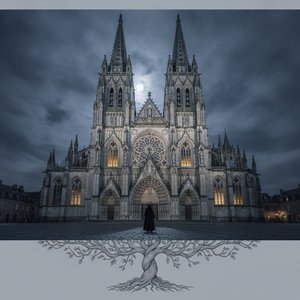
Shadows & Splendor: A Journey Through the Soul of Gothic Art and Architectural Grandeur
Embark on a profound journey through the spiritual intensity of Gothic art. Explore the architectural marvels, luminous stained glass, and sacred sculptures that define this era of grandeur and human devotion.

Beyond Borders: The Spiritual & Stylistic Innovations of International Gothic Art
Explore the exquisite beauty & spiritual depth of International Gothic art. Discover key artists like Simone Martini & Pol de Limbourg, its origins, symbolism, and lasting influence on European painting. Expert insights at OriginalUniqueArt.