Color Field Painting
Shabazz (جين ديفيس)
أبدع جين ديفيس (1920–1985) في Shabazz. تنتمي إلى حركة Color Field Painting. صُنعت من Acrylic On Canvas. تُحفظ في Chrysler Museum of Art في نورفولك, الولايات المتحدة الأمريكية. أبعادها 299 × 220 cm
- Acrylic On Canvas
- 299 × 220 cm
- Chrysler Museum of Art, نورفولك

 معاينة الحجم الواقعي

 لوحة زيتية مرسومة يدوياً
 مشاركة
 مشاركة
 ورقة الحقائق


 تحميل الملف
 قطع مشابهة
 الأشعة السينية
 عرض شرائح
 الأسئلة والأجوبة

 الإحصائيات
Shabazz باختصار
- العنوان
- Shabazz
- الفنان
- جين ديفيس (1920–1985)
- تاريخ ميلاد الفنان
- واشنطن العاصمة, الولايات المتحدة
- الوسيط الفني
- Acrylic On Canvas
- الأبعاد
- 299 × 220 cm
- أين يمكن مشاهدتها
- Chrysler Museum of Art, نورفولك, الولايات المتحدة الأمريكية
- الحركة
- Color Field Painting
- الحقبة
- Modern
- الموضوع
- vertical stripes, colorful lines, blue, yellow, red, green
ماذا يصور Shabazz؟
A Symphony of Color and Rhythm
In the vast landscape of mid-century abstraction, few works capture the rhythmic pulse of modern life as vibrantly as Shabazz by the American master Gene Davis. This monumental canvas, measuring an imposing 299 x 220 cm, serves as a breathtaking testament to the power of the Color Field movement. At first glance, the viewer is met with a mesmerizing cascade of vertical stripes, a signature technique that defines Davis’s contribution to the Washington Color School. The painting is not merely a collection of lines; it is an immersive experience where hues of deep blue, sun-drenched yellow, fiery red, and lush green dance in a continuous, optical loop. Each stripe acts as a melodic note, contributing to a visual symphony that seems to vibrate against the canvas, creating a sense of movement that defies the stillness of the medium.
The technique employed in Shabazz showcases Davis’s unparalleled ability to manipulate acrylic paint to achieve both depth and luminosity. Through the precise application of color, he creates an optical illusion where the boundaries between individual stripes begin to blur, suggesting a continuous flow of energy that extends far beyond the physical edges of the frame. This interplay of light and pigment transforms the flat surface into a rhythmic, breathing entity. For the discerning collector or interior designer, this piece offers more than just decoration; it provides a focal point of profound kinetic energy. The way the colors interact—sometimes clashing with bold intensity and other times harmonizing in soft transitions—allows the artwork to shift its mood depending on the lighting and the surrounding environment, making it a versatile masterpiece for sophisticated modern interiors.
Historical Resonance and Emotional Depth
To understand Shabazz, one must look toward the historical context of the 1960s and 70s, an era defined by social transformation and the breaking of traditional boundaries. As a pioneer of the Washington Color School, Gene Davis moved away from the heavy, gestural brushwork of Abstract Expressionism, opting instead for a cleaner, more structured approach to abstraction. The title itself, Shabazz, carries a weight of cultural significance, evoking themes of identity and strength that were prevalent in the zeitim of his creation. While the painting remains non-representational, the choice of such a powerful name suggests a deeper layer of symbolism, inviting the viewer to find their own connection between the structured rhythm of the stripes and the complex, layered textures of human experience.
The emotional impact of this work lies in its ability to evoke both tranquility and excitement. There is a meditative quality found in the repetition of the vertical lines, which can ground a room with a sense of order and architectural stability. Yet, the sheer vibrancy of the palette prevents the work from ever feeling static; instead, it injects a dose of pure, unadulterated joy into any space it inhabits. For those seeking to curate an atmosphere of inspiration and intellectual curiosity, a high-quality reproduction of Shabazz offers an opportunity to possess a fragment of art history. It is a piece that demands attention, rewards close inspection, and continues to resonate with the timeless human desire for beauty, rhythm, and light.
أي متحف يضم Shabazz؟
Chrysler Museum of Art
نورفولك, الولايات المتحدة الأمريكية
ملاذ الضوء والرؤية في قلب مدينة نورفولك بولاية فرجينيا، يقف متحف كرايسلر للفنون شاهداً عميقاً على القوة التحويلية للرؤية السديدة والسخاء اللامحدود. فما بدأ في عام 1933 كمتحف متواضع لنورفولك للفنون والعلوم، ازدهر ليصبح وجهة ثقافية رائدة، بفضل التبرع المحوري الذي قدمه والتر بي كرايسلر جونيور في عام 1971. واليوم، يعمل المتحف كملاذ مضيء تلتقي فيه خمسة آلاف سنة من الإبداع البشري، مقدمًا ملحمة زمنية تدعو الزوار لخوض رحلة عبر المشهد الشاسع للتطور الفني؛ فمن الهمسات القديمة للحضارات الأولى إلى الطاقة الجسورة والمؤثرة للروائع المعاصرة، يمنح المتحف تجربة غامرة تتجاوز حدود الزمان والجغرافيا.


صور عالية الدقة لـ Shabazz

Protected by copyright: these files are for personal reference, not a licence to republish.
جين ديفيس, Shabazz, Chrysler Museum of Art.
أسئلة وإجابات حول Shabazz
في أي متحف يُعرض العمل الأصلي "Shabazz"؟
يمكنكم مشاهدة العمل الأصلي "Shabazz" في Chrysler Museum of Art, نورفولك, الولايات المتحدة الأمريكية.
ما هي التقنية المستخدمة في تنفيذ "Shabazz" للفنان جين ديفيس؟
نُفذت لوحة "Shabazz" باستخدام Acrylic On Canvas.
ما هي أبعاد العمل الأصلي "Shabazz"؟
ماذا يصور "Shabazz" للفنان جين ديفيس؟
هل "Shabazz" للفنان جين ديفيس ضمن الملكية العامة؟
إلى أي أسلوب ينتمي "Shabazz"؟
إلى أي مرحلة من مراحل تطور جين ديفيس ينتمي العمل "Shabazz"؟
عن الفنان، جين ديفيس

1920–1985, الولايات المتحدة
جين ديفيس
مهندس اللون: حياة وإرث جين ديفيس في النسيج النابض بالحياة للتجريد الأمريكي في منتصف القرن العشرين، تبرز خيوط قليلة بلمعان وإيقاع يضاهي ما نسجه جين ديفيس. وبصفته رائداً في حركة "رسم حقل اللون"، امتلك ديفيس قدرة فريدة على تحويل اللوحة إلى تجربة إيقاعية من الضوء والحركة. ولد في واشنطن العاصمة عام 1920، ولم تكن رحلته نحو أن يصبح شخصية محورية في مدرسة واشنطن للألوان رحلة تجريدية فورية، بل كانت تطوراً تدريجياً شكلته عين مراقبة ثاقبة. وقبل أن يوجه ريشته لابتكار خطوطه الأيقونية، عمل ديفيس كصحفي رياضي، وهي مهنة تطلبت تركيزاً حاداً على الحركة والطاقة والدراما المتصاعدة في الأحداث المباشرة—وهي عناصر وجدت طريقها لاحقاً إلى العمودية النابضة في لوحاته.
وأيضاً لـ جين ديفيس
 Hot Beat1964
 (Series I, portfolio) Jack in the Box1969
 Bullet Proof, from the portfolio Series I1969
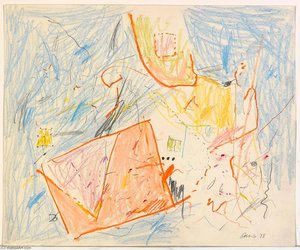 Mardi Gras1978
مقالات حول Shabazz
 Masterpieces of Abstraction: The Top 25 Wassily Kandinsky ArtworksExplore 25 iconic Wassily Kandinsky masterpieces and the birth of abstraction. Discover the full collection online at OriginalUniqueArt.com.
 Stuart Davis: Modernist Abstraction & the Vibrant Spirit of the Jazz AgeExplore the vibrant world of Stuart Davis, a pioneer of American Modernism. Discover his jazz-inspired paintings, signature style & investm…
 Geometry with Purpose: Distinguishing Suprematism from ConstructivismMaster the differences between Suprematism and Constructivism with our expert guide. Discover the soul of the Russian avant-garde now.