
 معاينة الحجم الواقعي
 مشاركة
 مشاركة
 التفاصيل
 دليل
دليل

 تحميل الملف
 قطع مشابهة
 الأشعة السينية
 عرض شرائح
 الأسئلة والأجوبة
 الإحصائيات
The Cardinal Infante

- 219.0 x 125.0 cm


 عرض المزيد
طباعة جيلي / مطبوعات فنية
طباعة جيكلي أو كانفاس بجودة المتاحف، مع سرعة في التنفيذ وخيارات متنوعة للتشطيب. ( شراء لوحة مرسومة يدويًا الانتقال إلى الصورة الرقمية)




P118B E£10

P118H E£10

P118W E£10

P438Z E£10

P508JH E£12

P508YH E£12

P805H E£10

P805Z E£10

P919BZ E£10

P919G E£10

P919XJ E£10

P959ZH E£10

P968JZ E£12

W106C E£8

W218G E£10

W218JH E£8

W218Y E£10

W307PJ E£10

W316G E£10

W316PJ E£8

W316Y E£10

W398PJ E£8

W4111J E£10

W500HY E£15

W500JH E£15

W692G E£12

W849H E£8

W940BG E£15

W953PJ E£8




اختر من بين أحجامنا المُعدّة مسبقاً والتي تتوافق مع النسب الأصلية للعمل الفني.

أدخل العرض والارتفاع المطلوبين ليتناسب المقاس مع إطارك أو جدارك. يرجى الملاحظة أن المطبوعة يمكن قصها فقط ولا يمكن تكبيرها لتتجاوز أبعاد الصورة الأصلية، لذا فإن اختيار مقاس بأبعاد مختلفة سيؤدي إلى فقدان جزء من الصورة. سنرسل لك نموذجاً رقمياً تجريبياً لاعتماده قبل البدء في عملية الطباعة. الصورة المعروضة في هذه الصفحة لا توضح شكل القص الفعلي — النموذج التجريبي فقط هو ما يظهر ذلك بدقة.
توصيل عالمي إلى خلال أسبوعين بدلاً من المدة القياسية البالغة 4/5 أسابيع. (3 نوفمبر)

شحن سريع ومجاني لجميع أنحاء العالم

قماش كتان عالي الجودة

تأمين شامل على الشحن

ضمان استرداد الرسوم الجمركية

ضمان مطابقة الألوان الحقيقية

سياسة الإرجاع خلال 100 يوم (في حالات العيوب فقط)

ضمان استرداد نقدي بنسبة 100%

خصم عند طلب كميات
 خيار الزجاج متاح فقط للمقاسات التي تقل عن 110 سم

The Cardinal Infante
طباعة جيلي / مطبوعات فنية
مقاس النسخة المطبوعة
-


إجمالي السعر النهائي
E£ 4246
The Cardinal Infante: A Portrait of Power and Contemplation
Gaspard de Crayer’s “The Cardinal Infante” is more than just a portrait; it's a meticulously crafted tableau vivant, a frozen moment brimming with the weight of rank, faith, and quiet introspection. Painted in 1639 during the tumultuous backdrop of the Thirty Years’ War, this oil on canvas offers a rare glimpse into the life of Ferdinand of Austria, a man simultaneously a powerful military commander, a devout cardinal, and a key figure in the intricate web of European politics. The painting resides within the Museo del Prado in Madrid, a testament to its enduring artistic merit and historical significance. Crayer’s masterful handling of light, shadow, and texture elevates the subject beyond a simple likeness, transforming him into an embodiment of Renaissance ideals – a man of both worldly authority and profound spiritual depth.A Study in Regal Detail: Style and Technique
Crayer's style is deeply rooted in the artistic traditions of Antwerp, yet he possesses a distinctly individual voice. He expertly blends elements of Mannerism with emerging Baroque principles, creating an image that is simultaneously formal and intensely personal. The composition is carefully balanced, drawing the eye to Ferdinand’s face – a study in controlled severity. His gaze, direct and unwavering, conveys both intelligence and a hint of melancholy. Notice the subtle manipulation of light; it sculpts his features, highlighting the planes of his face and emphasizing the rich textures of his velvet robes. The use of sfumato, a technique popularized by Leonardo da Vinci, softens the edges and creates an atmospheric depth that adds to the painting’s overall sense of realism. The meticulous detail evident in the rendering of the intricate embroidery on his garments speaks volumes about the wealth and status associated with the Cardinal-Infante title.Symbolism Woven into the Fabric
Beyond mere representation, “The Cardinal Infante” is rich in symbolic meaning. Ferdinand’s attire – a deep crimson robe adorned with gold trim – immediately signifies his elevated ecclesiastical rank as a cardinal. The color red itself has long been associated with power, sacrifice, and divine authority. His left hand, holding a small book or manuscript, subtly references his role as a scholar and clergyman, suggesting an intellectual side beneath the military façade. The dark curtain behind him serves not merely as a backdrop but also as a visual metaphor for mystery and contemplation – hinting at the weighty responsibilities he carries. The overall composition evokes a sense of solemnity and gravitas, reflecting the serious nature of his position during a time of widespread conflict.A Window into a Turbulent Era
Painted in 1639, “The Cardinal Infante” captures a pivotal moment in European history – the height of the Thirty Years’ War and the Counter-Reformation. The Spanish Habsburgs were struggling to maintain their vast empire against formidable Protestant and Catholic rivals. Ferdinand's role as Governor of the Spanish Netherlands was crucial to Spain’s strategic interests, while his position as Cardinal placed him at the heart of the Catholic Church’s efforts to combat the spread of Protestantism. The painting offers a poignant reminder of the personal sacrifices demanded by leadership during times of war and religious upheaval. It's a portrait not just of an individual, but of an era grappling with profound challenges and shifting power dynamics.Bringing “The Cardinal Infante” Home: A Reproduction for Today
Today, a high-quality reproduction of “The Cardinal Infante” can bring a touch of historical grandeur and contemplative beauty to any interior space. OriginalUniqueArt offers meticulously crafted oil painting reproductions that capture the essence of Crayer’s original masterpiece – its rich colors, intricate details, and profound emotional impact. Whether displayed in a study, a gallery, or a sophisticated living room, this timeless portrait will serve as a constant reminder of the complexities of power, faith, and human experience.الأسئلة والأجوبة
كيف يتجلى التباين والانسجام في "The Cardinal Infante"؟
في "The Cardinal Infante"، يتناغم Bold التباين مع Strong Color Unity الانسجام.
أين يمكنني العثور على دليل لـ "The Cardinal Infante"؟
تتوفر صفحة دليل تعليمي لعمل "The Cardinal Infante" للفنان غاسبار دي كراير: وهي عبارة عن ورقة حقائق قابلة للطباعة حول العمل الفني، مُصممة خصيصاً للطلاب وللاستخدام في الفصول الدراسية.
ما هي حقوق إعادة إنتاج العمل الفني "The Cardinal Infante" في متحف برادو؟
النسخة الأصلية من "The Cardinal Infante" محفوظة في متحف برادو، والعمل يندرج ضمن ملك عام - انتهت مدة حماية حقوق الطبع والنشر الخاصة به.
السيرة الذاتية للفنان
غاسبار دي كراير: سيد الفن الفلمنكي في مجد الإصلاح المضاد
يُعد غاسبار دي كراير، وهو اسم ربما لا يكون مألوفًا مثل معاصريه روبنز أو فان دايك، ومع ذلك يقف كشخصية محورية في فن فلاندرز خلال القرن السابع عشر. وُلد في أنتويرب عام 1584 وتوفي في غنت عام 1669، وقد اجتاز المشهد السياسي المضطرب للهولندا الإسبانية، ليصبح رسام بلاط، وسيد نقابة، ومبدعًا غزير الإنتاج لكل من البورتريهات ولوحات المذابح الضخمة. يعكس فنه ليس فقط التيارات الفنية لعصره، بل وأيضاً التحولات الدينية العميقة التي أحدثها الإصلاح المضاد، مما يجعله حلقة وصل حاسمة بين تقاليد المانييريزم الماضية والأسلوب الباروكي المزدهر.
كانت حياة دي كراير المبكرة غارقة في الفن. فقد كان ابن غاسبار دي كراير الأكبر، وهو رسام زخرفي مرموق ومزخرف وتاجر فنون – سلالة غرست فيه تقدير الحِرفة والفهم العميق للمواد الفنية. وبدلاً من البقاء في مسقط رأسه أنتويرب، سعى إلى الفرص في بروكسل، المدينة التي كانت تتجه بسرعة لتصبح مركزاً للرعاية الفنية تحت حكم الحكام الإسبان. وهنا، حوالي عام 1607، حقق مكانته كأستاذ ضمن نقابة القديس لوقا، وهو إنجاز كبير يظهر مهارته التقنية وتفانيه في مهنته.
تميزت مسيرته المبكرة بتكليفات من البلاط الإسباني وكبار الشخصيات المحلية. وسرعان ما رسخ نفسه كرسام بورتريهات، حيث التقط صوراً واقعية للملوك والحكام وأعضاء مجلس مدينة بروكسل – وهي أعمال أظهرت قدرته على تصوير الملامح الواقعية وإتقانه المتزايد للتكوين. ويُعد البورتريه الفروسي لدون دييغو ميسيا فيليبي دي غوزمان (الموجود الآن في المتحف التاريخي بالفن في فيينا) مثالاً على هذه الفترة المبكرة، حيث يظهر فهماً متطوراً للمنظور واهتماماً دقيقاً بالتفاصيل. ومع ذلك، فإن عمله على لوحات المذابح هو ما رسخ سمعته حقًا وجعله فنانًا رائدًا في جيله.
الإصلاح المضاد والفن الديني
تزامن مسار دي كراير المهني مع صعود الإصلاح المضاد، وهي فترة من التجديد الديني المكثف داخل الكنيسة الكاثوليكية. سعت الكنيسة بنشاط إلى استخدام الفن كأداة للدعاية والتوجيه الروحي، حيث كلفت بتصميم مذابح فخمة ولوحات تسبحية من شأنها أن تلهم التقوى وتعزز العقيدة الكاثوليكية. واحتضن دي كراير هذه الفرصة، منتجاً عدداً هائلاً من الأعمال للكنائس والرهبانيات في جميع أنحاء فلاندرز وألمانيا وإسبانيا. لم تكن لوحات المذابح هذه مجرد زينة؛ بل كانت سرديات مُحكمة التصميم لغرض نقل الرسائل الدينية عبر الصور الحية والتكوين الدرامي.
تأثر منهجه بعمق بالتوجهات الفنية السائدة في ذلك الوقت، وخاصة تلك التي دافع عنها بيتر بول روبنز. ومثل روبنز، فضل دي كراير التكوينات الديناميكية والألوان الغنية والشعور بالحركة – وهي صفات منحت أعماله كثافة عاطفية ولمسة مسرحية. وقد مزج ببراعة عناصر المانييريزم مع مبادئ الباروك الناشئة، خالقاً أسلوبًا مميزًا يتسم بالأناقة والرقي والعمق الروحي الغامر.
رسام البلاط والرعاية الفنية
لم يقتصر تأثير دي كراير على المجال الديني. ففي عام 1635، عيّنه الكاردينال-الأمير فرديناند النمساوي، شقيق الملك فيليب الرابع ملك إسبانيا، رسام بلاطه – وهو منصب مرموق منحَه ثروة كبيرة وإمكانية الوصول إلى رعاة مؤثرين. مثّل هذا التعيين تحولاً هامًا في مسيرته المهنية، حيث قربه من العائلة المالكة الإسبانية ومنحه فرصًا لإنشاء أعمال واسعة النطاق للمباني العامة والمؤسسات الدينية.
بعد مغادرة فرديناند، استقر الأرشيدوق ليوبولد فيلهلم النمساوي في بروكسل، مواصلاً رعاية دي كراير. كما كلّفه بتكليف لتزيين قصر "هويس تين بوش" في لاهاي، مما أظهر تنوعه كفنان وقدرته على التكيف مع أنماط فنية متنوعة. وازدهرت ورشته خلال هذه الفترة، حيث وظف العديد من المساعدين الذين ساعدوه في إنجاز تدفق مستمر من الطلبات – بدءاً من بورتريهات المواطنين البارزين وصولاً إلى لوحات المذابح المعقدة للكنائس في جميع أنحاء أوروبا.
الأعمال الرئيسية والإرث
من بين أشهر أعمال دي كراير "موت العذراء" (الموجود الآن في مدريد)، وهو تصوير قوي للمشهد الكتابي، ولوحات المذابح العديدة الأخرى، بما في ذلك "استشهاد القديس بلاس" و"كاريتاس رومانا". ويُعد الأخير، الذي رسم عام 1645، ذا أهمية خاصة لتكوينه الدرامي وتصويره المؤثر للعمل الخيري المسيحي. إنه شهادة على قدرته على بث الموضوعات الدينية برنين عاطفي.
يكمن إرث دي كراير ليس فقط في جمال أعماله الفردية، بل أيضاً في دوره كجسر بين التقاليد الفنية. فقد استوعب دروس رافائيل كوكسي وروبنز، وفي الوقت نفسه طور أسلوبه المميز – الذي يتسم بالأناقة والديناميكية والعمق الروحي العميق. وعلى الرغم من أنه غالباً ما يطغى عليه معاصروه الأكثر شهرة، يظل غاسبار دي كراير شخصية مهمة في تاريخ الفن الفلمنكي، وشهادة على القوة الدائمة للإيمان والجمال والمهارة الفنية.
قضت سنواته الأخيرة في غنت، حيث واصل قبول الطلبات حتى وفاته عام 1669. واستمرت ورشته في العمل لعدة سنوات بعد رحيله، مما ضمن استمرار إرثه الفني.

غاسبار دي كراير
1582 - 1669 , بلجيكا
حقائق سريعة
- Artistic Movement Or Style: الباروك
- Artists Or Movements Influenced By This Artist:
- روبنز
- فان ديك
- Artists Who Influenced This Artist: ['رافائيل كوكسي']
- Date Of Birth: 1584-11-18
- Date Of Death: 1669-01-27
- Full Name: غاسبار دي كراير
- Nationality: فلمنكي
- Notable Artworks:
- كاريتاس رومانا
- بورتريه دون دييغو
- موت العذراء
- Place Of Birth: أنتويرب، بلجيكا
مقالات ذات صلة
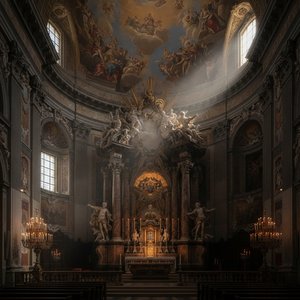
Drama and Light: Discover the Captivating Grandeur of Baroque Art
Immerse yourself in the dramatic splendor of Baroque art. Explore the profound impact of light, shadow, and the Counter-Reformation through an expert historical lens, celebrating the masters who defined an era of unparalleled grandeur and emotional intensity.

About Us
Discover our story! We bring world-class art into your life through expert curation, personalized creations, and free previews. Trusted by individuals and businesses since 2000.

أفضل 25 لوحة لفنانٍ عبقري: جوايا يلامس الروح بالفن والتاريخ
اكتشف 25 تحفة فنية لفنان العبقري جوايا! رحلة في عالم لوحاته المؤثرة، من الرومانسية إلى الواقعية. احصل على نسخ عالية الجودة لديكور منزلك الفاخر على OriginalUniqueArt.com

Drama and Light: A Definitive Guide to the Power and Emotion of Baroque Portraiture
Explore the dramatic world of Baroque portraiture. Discover how masters used chiaroscuro and light to evoke profound emotion during the Counter-Reformation. A definitive guide for art enthusiasts seeking to understand the power of 17th-century masterpieces.

Mastering Drama and Light: A Definitive Guide to the Flemish Baroque Art Movement
Explore the dramatic brilliance of the Flemish Baroque movement. Discover how masters like Peter Paul Rubens utilized chiaroscuro and dynamic composition to redefine art history through light, shadow, and unparalleled emotion.