
 معاينة الحجم الواقعي
 مشاركة
 مشاركة
 التفاصيل
 دليل
دليل

 تحميل الملف
 قطع مشابهة
 الأشعة السينية
 عرض شرائح
 الأسئلة والأجوبة
 الإحصائيات
Self Portrait (Dedicated to Leon Trotsky)


 عرض المزيد
طباعة جيلي / مطبوعات فنية
طباعة جيكلي أو كانفاس بجودة المتاحف، مع سرعة في التنفيذ وخيارات متنوعة للتشطيب. ( شراء لوحة مرسومة يدويًا الانتقال إلى الصورة الرقمية)




P118B E£10

P118H E£10

P118W E£10

P438Z E£10

P508JH E£12

P508YH E£12

P805H E£10

P805Z E£10

P919BZ E£10

P919G E£10

P919XJ E£10

P959ZH E£10

P968JZ E£12

W106C E£8

W218G E£10

W218JH E£8

W218Y E£10

W307PJ E£10

W316G E£10

W316PJ E£8

W316Y E£10

W398PJ E£8

W4111J E£10

W500HY E£15

W500JH E£15

W692G E£12

W849H E£8

W940BG E£15

W953PJ E£8




اختر من بين أحجامنا المُعدّة مسبقاً والتي تتوافق مع النسب الأصلية للعمل الفني.

أدخل العرض والارتفاع المطلوبين ليتناسب المقاس مع إطارك أو جدارك. يرجى الملاحظة أن المطبوعة يمكن قصها فقط ولا يمكن تكبيرها لتتجاوز أبعاد الصورة الأصلية، لذا فإن اختيار مقاس بأبعاد مختلفة سيؤدي إلى فقدان جزء من الصورة. سنرسل لك نموذجاً رقمياً تجريبياً لاعتماده قبل البدء في عملية الطباعة. الصورة المعروضة في هذه الصفحة لا توضح شكل القص الفعلي — النموذج التجريبي فقط هو ما يظهر ذلك بدقة.
توصيل عالمي إلى خلال أسبوعين بدلاً من المدة القياسية البالغة 4/5 أسابيع. (5 نوفمبر)

شحن سريع ومجاني لجميع أنحاء العالم

قماش كتان عالي الجودة

تأمين شامل على الشحن

ضمان استرداد الرسوم الجمركية

ضمان مطابقة الألوان الحقيقية

سياسة الإرجاع خلال 100 يوم (في حالات العيوب فقط)

ضمان استرداد نقدي بنسبة 100%

خصم عند طلب كميات
 خيار الزجاج متاح فقط للمقاسات التي تقل عن 110 سم

Self Portrait (Dedicated to Leon Trotsky)
طباعة جيلي / مطبوعات فنية
مقاس النسخة المطبوعة
-


إجمالي السعر النهائي
E£ 4237
A Portrait of Passion and Politics: Unveiling Frida Kahlo’s “Self Portrait (Dedicated to Leon Trotsky)”
Frida Kahlo's "Self Portrait (Dedicated to Leon Trotsky)" is more than just a painting; it’s a poignant intersection of personal drama, political fervor, and the artist’s uniquely surreal vision. Completed in 1937, this captivating work offers a glimpse into a turbulent period of Kahlo’s life – a brief but intense affair with the exiled revolutionary Leon Trotsky – while simultaneously embodying her signature blend of vulnerability and defiant strength. The painting, now housed at the National Museum of Women in the Arts in Washington D.C., continues to resonate today as a testament to Kahlo's complex personality and her profound engagement with the world around her. The scene unfolds within a richly layered interior, dominated by a heavy velvet curtain that serves as both a physical barrier and a symbolic one. Kahlo, dressed in an opulent pink gown adorned with intricate embroidery – a deliberate nod to Tehuana dress, a style associated with female warriors from the Isthmus of Tehuantepec – stands poised before this curtain, holding a bouquet of flowers and a letter addressed to Trotsky. Her face is partially veiled by a delicate headpiece, adding an air of mystery and suggesting a carefully constructed persona. The use of color is masterful; the vibrant pink contrasts sharply with the darker tones of the background, drawing immediate attention to Kahlo’s figure and emphasizing her presence within the scene. The artist's meticulous attention to detail – from the delicate folds of the fabric to the subtle shading on her face – speaks volumes about her dedication to her craft and her desire to capture every nuance of human experience. The painting is executed in oil, a medium that allowed Kahlo to build up layers of color and texture, creating a sense of depth and realism that belies the surreal elements at play. Understanding the historical context surrounding this piece is crucial to appreciating its full significance. Following the Russian Revolution, Leon Trotsky became a central figure in the burgeoning communist movement, but he was ultimately exiled by Joseph Stalin for his opposition to the latter’s policies. Seeking refuge in Mexico, Trotsky found sanctuary within the home of Diego Rivera and Frida Kahlo. Their relationship, fraught with both passion and rivalry, provided a fascinating backdrop for this particular painting. Kahlo's dedication is evident not just in the portrait itself but also in the letter she penned to Trotsky, expressing her feelings and offering a personal tribute. The inclusion of flowers symbolizes affection and devotion, while the curtain represents the boundaries between their worlds – a private intimacy shielded from public scrutiny. It’s a visual representation of the delicate balance between love, politics, and artistic expression that defined Kahlo's life. Beyond its biographical details, “Self Portrait (Dedicated to Leon Trotsky)” is deeply rooted in Kahlo’s broader artistic concerns. The painting exemplifies her signature style – a potent blend of surrealism and realism. The dreamlike quality of the setting, combined with the stark portrayal of Kahlo’s emotions, creates a powerful sense of unease and introspection. Kahlo frequently used self-portraits to explore themes of identity, pain, and mortality, often incorporating elements from Mexican folklore and pre-Columbian art into her compositions. The use of symbolism is particularly striking: the flowers represent love and beauty, while the curtain suggests both protection and confinement. Furthermore, Kahlo’s deliberate choice of attire – referencing Tehuana traditions – speaks to her embrace of Mexican identity and her desire to challenge conventional notions of femininity. The painting's enduring appeal lies in its ability to evoke a range of emotions—intrigue, curiosity, vulnerability, and defiance. It is a window into the heart and mind of one of the most iconic artists of the 20th century, offering a glimpse into her personal struggles and artistic vision. Today, reproductions of “Self Portrait (Dedicated to Leon Trotsky)” are highly sought after by art enthusiasts and collectors alike, providing an opportunity to bring this extraordinary work of art into any home or space. OriginalUniqueArt offers meticulously crafted hand-painted reproductions that faithfully capture the painting’s original beauty and emotional depth, allowing you to experience Kahlo's masterpiece in a truly authentic way.Frida Kahlo: A Biographical Overview
Born Magdalena Carmen Frida Kahlo y Calderón on July 6, 1907, in Coyoacán, Mexico City, Frida’s life was marked by both extraordinary talent and profound suffering. Her early childhood was profoundly impacted by polio, which left her with a permanent limp and a lifelong struggle with physical limitations. This experience instilled in her a deep sense of resilience and self-awareness that would later inform her artistic practice. At age six, she began to develop an interest in art, encouraged by her father, Guillermo Kahlo, who was a German-Mexican photographer. In 1925, at the age of eighteen, Frida’s life took a devastating turn when she was involved in a horrific bus accident that left her with severe injuries, including fractures to her spine, pelvis, and leg. This traumatic event fundamentally altered her physical and emotional landscape, leading to years of painful medical treatments and confinement. It was during this period of convalescence that Frida began to paint seriously, using art as a means of processing her pain and exploring her inner world. Her marriage to the renowned muralist Diego Rivera in 1929 further shaped her life and artistic trajectory, bringing both joy and conflict into her existence. Kahlo’s work became increasingly personal and introspective, reflecting her experiences with love, loss, identity, and the complexities of Mexican culture. She died on July 13, 1954, leaving behind a legacy as one of the most important and influential artists of the 20th century.الأسئلة والأجوبة
ما هي المكانة التاريخية لـ "Self Portrait (Dedicated to Leon Trotsky)"؟
تاريخياً، يُعد "Self Portrait (Dedicated to Leon Trotsky)" عملاً ينتمي إلى مدرسة Surrealism من عصر العصر الحديث الأوسع نطاقاً.
إلى أي أسلوب ينتمي "Self Portrait (Dedicated to Leon Trotsky)"؟
تنتمي "Self Portrait (Dedicated to Leon Trotsky)" للفنان فريدة كاهلو إلى حركة Surrealism، التي تمنح العمل سياقه الأسلوبي.
من هو الفنان الذي أبدع "Self Portrait (Dedicated to Leon Trotsky)"؟
يُنسب العمل "Self Portrait (Dedicated to Leon Trotsky)" إلى فريدة كاهلو.
السيرة الذاتية للفنان
نشأة فنانة: فريدا كاهلو ورحلة نحو الذات
في قلب مدينة مكسيكو سيتي، تحديدًا في حي كويوكان الساحر، وُلدت فريدا كاهلو عام 1907، لتصبح لاحقًا أيقونة فنية عالمية. لم تكن حياتها مجرد سلسلة من اللحظات، بل كانت رحلة مليئة بالصعاب والتحديات التي صقلت موهبتها وألهمت فنها. نشأت فريدا في منزل عائلتها المعروف باسم "البيت الأزرق"، الذي أصبح فيما بعد متحفًا يحمل اسمها ويخلد ذكراها. كان والدها، غييرمو كاهلو، مصورًا ألمانيًا مكسيكيًا، شجعها على استكشاف عالم الفن والإبداع منذ صغرها. أما والدتها، ماتيلد كالدرون وغونزاليس، فكانت امرأة متدينة ذات جذور ميكسيكية أصيلة، مما أضفى على حياة فريدا مزيجًا من الثقافات والتأثيرات التي انعكست في أعمالها الفنية.حادث العمر وتفتح نافذة الإبداع
في عام 1925، تغير مسار حياة فريدا إلى الأبد عندما تعرضت لحادث مروع في حافلة مدرسية. أدى هذا الحادث إلى إصابات بالغة في جسدها، بما في ذلك كسور متعددة في العمود الفقري والقفص الصدري والساقين. قضت فريدا شهورًا طويلة في المستشفى، ثم عادت إلى المنزل حيث أجبرتها حالتها الصحية على البقاء طريحة الفراش لفترات طويلة. خلال هذه الفترة العصيبة، وجدت فريدا ملاذًا في الرسم، مستخدمةً فرشاتها وألوانها للتعبير عن آلامها ومعاناتها الداخلية. لم يكن الرسم مجرد وسيلة لتمضية الوقت، بل أصبح نافذة تطل على عالمها الداخلي، حيث استطاعت أن تعبر عن مشاعرها وأفكارها بطريقة لم تستطع التعبير عنها بالكلمات. بدأت فريدا في رسم صور ذاتية مكثفة، تصويرًا لحالتها الجسدية والعاطفية، مما أرسى الأساس لأسلوبها الفني المميز.زواج من ريفيرا وتأثيرات فنية متنوعة
في عام 1929، تزوجت فريدا من الفنان المكسيكي الشهير دييغو ريفيرا، الذي كان له تأثير كبير على تطورها الفني. كان ريفيرا فناناً تشكيلياً مكسيكياً بارزاً اشتهر بلوحاته الجدارية الضخمة التي تصور مشاهد تاريخية وثقافية مكسيكية. شجعها ريفيرا على تطوير أسلوبها الخاص، وساعدها في اكتشاف جذورها الفنية في الثقافة المكسيكية الشعبية. تأثرت فريدا أيضًا بالفن الشعبي المكسيكي التقليدي، واستلهمت من ألوانه الزاهية ورسومه التعبيرية. كما استوحت من فناني عصر النهضة الأوروبيين، مثل بطرس توسكانو، الذين اشتهروا بصورهم الواقعية والشخصية. لم تقتصر تأثيرات فريدا على هذه المصادر فحسب، بل امتدت لتشمل الحركة السريالية، على الرغم من أنها رفضت دائمًا أن تصنف نفسها كسريالية.رمزية الألم والتحول في أعمالها
تتميز لوحات فريدا كاهلو بغناها بالرموز والمعاني العميقة. غالبًا ما تصور نفسها في صور ذاتية تعكس آلامها الجسدية والعاطفية، وتستخدم رموزًا مثل الأشواك والأغصان والحيوانات للتعبير عن مشاعرها ومعاناتها. في لوحتها الشهيرة "اثنتين"، تصور فريدا صورتين لنفسها، إحداهما تمثل هويتها المكسيكية والأخرى تمثل أصولها الأوروبية، مما يعكس صراعها الداخلي بين ثقافتين مختلفتين. كما تستخدم فريدا رموزًا مستوحاة من الثقافة الميكسيكية التقليدية، مثل الزهور والحيوانات المقدسة، للتعبير عن ارتباطها بجذورها وتراثها. تعتبر لوحة "عمودي الكسر" مثالاً بارزًا على قدرة فريدا على تحويل الألم إلى فن، حيث تصور نفسها وهي تحمل عمودًا أيونيًا متصدعًا يمثل عمودها الفقري المكسور، مما يعكس معاناتها الجسدية والعاطفية.إرث فني خالد وأيقونة ثقافية
على الرغم من أن فريدا كاهلو لم تحظى بتقدير واسع النطاق خلال حياتها، إلا أن أعمالها اكتسبت شهرة عالمية بعد وفاتها عام 1954. أصبحت فريدا رمزًا للمرأة القوية والمستقلة التي تتحدى الأعراف الاجتماعية والتقاليد الثقافية. كما أصبحت أيقونة للثقافة المكسيكية، حيث تجسد هويتها وتراثها الغني والمتنوع. ألهمت فريدا كاهلو العديد من الفنانين والكتاب والموسيقيين حول العالم، ولا تزال أعمالها تلهم الأجيال الجديدة من الفنانين والناشطين. إن إرث فريدا كاهلو لا يقتصر على مساهماتها الفنية فحسب، بل يشمل أيضًا تأثيرها الثقافي والاجتماعي الذي لا يزال محسوسًا حتى اليوم. إنها فنانة ستبقى أعمالها خالدة، تروي قصص الألم والأمل والصمود والإبداع.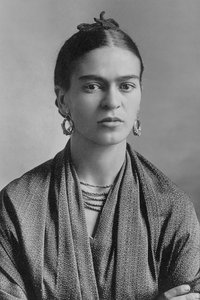
فريدة كاهلو
1907 - 1954 , المكسيك
حقائق سريعة
- أعمال فنية بارزة:
- الفريدتان
- صورة ذاتية مع قلادة من الأشواك
- الأعمدة المكسورة
- مستشفى هنري فورد
- الاسم الكامل: ماجدالينا كارمن فريدا كاهلو ي كالدارون
- الجنسية: مكسيكية
- الحركة الفنية أو النمط: السريالية، فن شعبي
- الفنانون أو الحركات المتأثرة بهذا الفنان:
- فن تشيكانو
- الفنانات النسويات
- الفنانون الذين أثروا في هذا الفنان:
- فنانو الفن الشعبي المكسيكي
- رسامو عصر النهضة الأوروبي
- تاريخ الميلاد: 6 يوليو 1907
- مكان الولادة (مدينة وبلد): كويوكان، مكسيكو سيتي، المكسيك
مقالات ذات صلة
Unveiling Frida Kahlo: A Journey Through Her Most Iconic Masterpieces and the Soul of Mexican Surrealism
Embark on a profound journey through Frida Kahlo's most iconic masterpieces. Discover the deep symbolism, Mexican heritage, and resilient spirit behind her legendary works in this expert art-historical exploration designed for true art enthusiasts.
Frida Kahlo: A Life Painted – Surrealism, Identity & Autobiographical Narrative
Explore the life & art of Frida Kahlo – a journey through surrealism, identity, pain, and resilience. Discover her autobiographical masterpieces & lasting feminist legacy with OriginalUniqueArt.
Revolution on Canvas: Exploring the Socio-Political Power & Artistic Legacy of Mexican Muralism
Explore the powerful world of Mexican muralism! Discover Diego Rivera, Frida Kahlo & Orozco's revolutionary art, social impact & lasting legacy. Expert insights & high-quality reproductions at OriginalUniqueArt.

The Inner Landscape: Exploring Themes of Introspection in Visual Art Across Movements & Eras
Explore the captivating world of introspective art! Discover how artists across eras – from Rembrandt to Kahlo – used self-portraiture to reveal their inner worlds and emotional depths. A journey through art history & psychology.
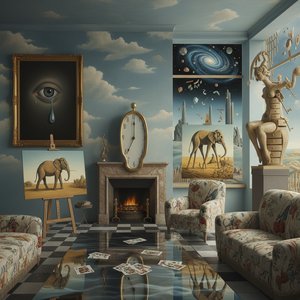
أعلى ١٠ روائع تحدد ملامح السريالية: رحلة في عالم اللاوعي والإبداع الفني
اكتشف روائع السريالية! استكشف ١٠ لوحات أيقونية تحدد حركة السريالية مع دالي وماغritte. تعرف على الفنانين، التقنيات، و قصص هذه التحف الفنية. احصل على نسخ فنية عالية الجودة وديكور منزلي فريد على OriginalUniqueArt.com


