

 معاينة الحجم الواقعي
 إرسال
إرسال مشاركة
 عرض التفاصيل
 دليل الأعمال الفنية للطلاب

 تحميل
تحميل
 قطع مشابهة
 الأشعة السينية
 عرض شرائح متتابع
 الإحصائيات
The Old Farm Garden
 Watercolor
- WallArt
- Pre-Raphaelite Brotherhood
 1871
1871- 19th Century
 30.0 x 40.0 cm
 Courtauld Gallery
 اقرأ المزيد
نسخة زيتية مصنوعة يدوياً
لوحة زيتية مرسومة يدوياً على الكانفاس بالمقاس والإطار الذي تفضله، تُنفذ حسب الطلب على أيدي فنانينا. ( التبديل إلى المطبوعات التحويل إلى الصورة الرقمية)




P118B E£10

P118H E£10

P118W E£10

P438Z E£10

P508JH E£12

P508YH E£12

P805H E£10

P805Z E£10

P919BZ E£10

P919G E£10

P919XJ E£10

P959ZH E£10

P968JZ E£12

W106C E£8

W218G E£10

W218JH E£8

W218Y E£10

W307PJ E£10

W316G E£10

W316PJ E£8

W316Y E£10

W398PJ E£8

W4111J E£10

W500HY E£15

W500JH E£15

W692G E£12

W849H E£8

W940BG E£15

W953PJ E£8




اختر من بين أحجامنا المُعدّة مسبقاً والتي تتوافق مع النسب الأصلية للعمل الفني.

يمكنك إدخال أبعاد خاصة لتناسب إطاراً أو مساحة معينة. وفي حال عدم تطابق الحجم المختار مع نسب الصورة الأصلية، سنقوم إما بقص العمل الفني أو توسيع اللوحة عبر إضافة عناصر مرسومة يدوياً. وسيتم إرسال نموذج رقمي إليك للموافقة عليه قبل بدء عملية الإنتاج.
يرجى ملاحظة أن المعاينة على الشاشة لا تعكس عملية القص أو التوسيع الفعلية؛ إذ إن النموذج الرقمي هو الوحيد الذي يوضح التكوين النهائي بدقة.
وعلى الرغم من توفر أحجام مخصصة، إلا أننا نوصي باختيار أبعاد من القائمة المحددة مسبقاً للحفاظ على النسب الأصلية للعمل الفني.
بعد إتمام الطلب، سيرسل فريق OriginalUniqueArt.com بريداً إلكترونياً للعميل لطلب التعليمات وتزويده بمعاينة تجريبية (mockup).
توصيل عالمي إلى خلال 3 إلى 4 أسابيع بدلاً من المدة المعتادة البالغة 5 أسابيع. (8 أكتوبر). جودة لا تهاون فيها.

شحن سريع ومجاني لجميع أنحاء العالم

قماش كتان فاخر

تأمين شامل على الشحن

ضمان استرداد الرسوم الجمركية

ضمان دقة مطابقة الألوان

سياسة الإرجاع خلال 100 يوم (في حالات العيوب فقط)

ضمان استرداد نقدي بنسبة 100%

عرض خصم الكميات
 خيار الزجاج متاح فقط للمقاسات التي تقل عن 110 سم

The Old Farm Garden
وسيط إعادة الإنتاج
مقاس النسخة المطبوعة
-


إجمالي السعر
E£ 15360
A Moment Suspended in Time: The Allure of Domestic Serenity
Frederick Walker’s depiction, "The Old Farm Garden," invites us into a scene steeped in the quiet poetry of everyday life. It is more than just a garden; it is a carefully curated moment where human activity intersects with natural beauty. The composition centers around an elegant woman, whose gentle focus—perhaps on her knitting or simply observing the bloom before her—creates an immediate sense of peaceful contemplation for the viewer. Walker masterfully captures this delicate balance between engagement and unawareness. One’s eye is drawn to the interplay between the soft textures of the garden life and the poised stillness of the cat, a silent observer whose potential action adds a subtle layer of narrative tension beneath the surface calm.
Technique and The Art of Observation
The enduring appeal of this watercolour lies in its remarkable technical finesse. Walker’s ability to render light and colour with such bright vibrancy is evident; the garden bursts forth with hues, particularly those rich purples that seem to deepen the sense of lushness. This piece showcases a dedication to detail that was highly prized during the Victorian era. The medium itself—watercolour—lends an ethereal quality, allowing the colours to breathe and blend softly, mimicking the way light filters through foliage on a warm afternoon. It speaks to an artist who possessed both keen observational skills and a poetic eye for idealization.
Historical Context and Artistic Resonance
Painted in 1871, this work emerges from a period when British art was deeply invested in capturing the domestic sphere alongside grand historical narratives. Walker’s style reflects a social realism tempered by an almost idyllic sensibility. The praise bestowed upon it by critics like John Ruskin—who deemed it worthy of comparison to the finest Dutch flower-pieces—speaks volumes about its perceived mastery of natural detail and colour saturation. It grounds itself in a recognizable, beautiful reality while elevating it through artistic interpretation.
Symbolism of Leisure and Connection
The garden itself has always been a potent symbol throughout art history: a microcosm of life, order imposed upon wildness, and the promise of renewal. Here, the solitary figure enjoying the bloom suggests themes of respite and connection—a necessary pause from the bustle of modern existence (or Victorian London life). The inclusion of the cat adds a layer of subtle symbolism; it represents instinctual awareness, forever poised just outside the sphere of human concern, reminding us that even in our most tranquil moments, nature watches.
Bringing Serenity Home
For collectors and designers alike, this reproduction offers an unparalleled opportunity to infuse a space with gentle sophistication. Its size, 30 x 40 cm, makes it perfectly suited for mantelpieces, gallery walls, or quiet reading nooks. Owning this piece is not merely acquiring art; it is curating a feeling—a sustained breath of serene, sun-dappled tranquility that honors the enduring beauty found in the most ordinary, yet exquisitely observed, moments.
الأسئلة والأجوبة
من هو الفنان الذي أبدع "The Old Farm Garden"؟
الفنان الذي أبدع عمل "The Old Farm Garden" هو Frederick Walker. العمل مُدرج تحت اسم Frederick Walker.
ما هو اتجاه لوحة "The Old Farm Garden" للفنان Frederick Walker؟
تُعد "The Old Farm Garden" للفنان Frederick Walker تكويناً Landscape. ويُنصح بمراجعة الأبعاد قبل اختيار حجم الطباعة.
كم كان عمر Frederick Walker عند إبداع "The Old Farm Garden" في عام 1871؟
أبدع Frederick Walker لوحة "The Old Farm Garden" وهو في سن 31. وُلد الفنان في 1840 ويعود تاريخ هذا العمل إلى 1871.
كيف يربط عمل "The Old Farm Garden" للفنان Frederick Walker بين Pre-Raphaelite Brotherhood والوطن الأم للفنان؟
أُنجز العمل الذي ينتمي إلى مدرسة Pre-Raphaelite Brotherhood بعنوان "The Old Farm Garden" على يد فنان وُلد في United Kingdom.
ما هي لوحة الألوان المستخدمة في "The Old Farm Garden" للفنان Frederick Walker؟
تُشكل ألوان "The Old Farm Garden" لوحة ألوان من نوع Earthy. ويصف هذا التصنيف عائلات الألوان المهيمنة.
متى تم إنجاز "The Old Farm Garden"؟
يعود تاريخ "The Old Farm Garden" إلى عام 1871، وهو تاريخ يضع العمل ضمن المسيرة المهنية لـ Frederick Walker وفي سياق حقبته الزمنية.
ما هو اللون الأكثر بروزاً في "The Old Farm Garden"؟
اللون السائد في "The Old Farm Garden" للفنان Frederick Walker هو Driftwood (#957952).
نبذة عن الفنان
The Soul of Victorian Realism: The Life and Legacy of Frederick Walker
In the vibrant, often turbulent landscape of mid-Victorian England, few artists captured the quiet dignity and poignant struggles of the common person as masterfully as Frederick Walker. A central figure in the social realist movement, Walker possessed a rare ability to transform the mundane details of everyday life into profound narratives of human emotion. Born in London in 1840, the son of a jeweler, Walker’s journey was one of self-driven passion and disciplined craftsmanship. His early years were marked by a precocious talent for mimicry, as he taught himself the intricacies of pen and ink by copying prints, often finding solace and inspiration within the halls of the British Museum. This foundational period of intense observation would later become the hallmark of his mature style, allowing him to render the textures of rural life and urban hardship with an almost tactile intimacy.
Walker’s professional ascent was characterized by a seamless blend of fine art and commercial illustration, a duality that defined much of the nineteenth-century British art scene. After brief forays into architecture and formal training at the Royal Academy and James Mathews Leigh's art school, he entered an apprenticeship as a wood engraver under Josiah Wood Whymper. It was within this rigorous environment of printmaking that Walker forged lasting bonds with contemporaries like George Pinwell and J.W. North, creating a creative circle that would influence the direction of British genre painting. His rise to prominence was accelerated by his prolific work for popular periodicals such as Cornhill Magazine and Once a Week. Through these much-read journals, Walker’s illustrations reached a vast audience, earning him the admiration of literary giants like William Thackeray, for whom he provided evocative drawings that breathed life into serialized fiction.
Mastery of Narrative and Technique
The brilliance of Walker’s work lies in his ability to weave complex emotional layers into seemingly simple scenes. Whether working in the delicate medium of watercolor or the robust depth of oils, his technique was always at the service of the story. He moved beyond mere illustration, elevating the status of "genre painting"—the depiction of everyday life—to a level of high art. His compositions often utilized a soft, atmospheric light that lent a sense of nostalgia and tenderness to his subjects, even when depicting scenes of poverty or loss. This mastery earned him the profound respect of his peers; indeed, Sir John Everett Millais famously described him as "the greatest artist of the century."
His thematic repertoire was vast, ranging from:
- Rural Nostalgia: Evocative depictions of the English countryside and the rhythms of agricultural life.
- Social Commentary: Poignant observations on the lives of the working class, capturing both their hardships and their moments of quiet resilience.
- Narrative Depth: Scenes that suggest a larger story unfolding just beyond the frame, inviting the viewer to contemplate the characters' histories and futures.
A Lasting Impression on British Art
Though his life was tragically short, ending in 1875 at the age of only thirty-five, Frederick Walker left an indelible mark on the trajectory of British art. He bridged the gap between the meticulous detail of the Pre-Raphaelites and a more modern, emotive realism that focused on the social fabric of the era. His influence can be seen in the way subsequent generations of artists approached the dignity of the subject matter, moving away from idealized romanticism toward a more honest engagement with the human condition.
Today, Walker is remembered not merely as an illustrator for popular magazines, but as a profound chronicler of his age. His ability to find beauty in the humble and tragedy in the ordinary ensures that his work remains deeply resonant. To view a Walker painting is to step into a world where every shadow holds a secret and every face tells a story of endurance, making him a true master of the Victorian soul.
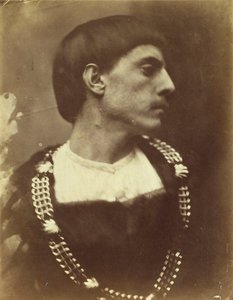
Frederick Walker
1840 - 1875 , United Kingdom
لمحة سريعة
- Artistic Movement Or Style: Social realism
- Date Of Birth: 1840
- Date Of Death: 1875
- Full Name: Frederick Walker
- Nationality: British
- Notable Artworks: ['The Harbour of Refuge']
- Place Of Birth: London, United Kingdom
مقالات ذات صلة

Watercolor Wonders: 10 Masterpieces That Redefined Art History | OriginalUniqueArt
Journey through 10 legendary watercolor masterpieces by Sargent, Turner & Homer! Explore iconic landscapes, portraits & floral art that redefined history. Find museum-quality reproductions and curated decor ideas at OriginalUniqueArt.com.

Ephemeral Visions: Exploring the Artistic Legacy & Contemporary Practice of Watercolor Painting
Explore the captivating world of watercolor painting! Discover its rich history, essential techniques, influential artists & collecting tips. A comprehensive guide for art enthusiasts from OriginalUniqueArt.

Ephemeral Visions: Exploring the History & Emotional Resonance of Watercolor Painting
Explore the captivating history of watercolor painting, from ancient techniques to modern masters like Kandinsky & Blake. Discover essential artists, collecting tips & the emotional power of this luminous medium. Expert insights for art enthusiasts.

Ephemeral Visions: Exploring the Artistic Legacy & Nuances of Watercolor Painting
Explore the captivating world of watercolor painting! Discover its rich history, essential techniques, influential artists & collecting tips from art experts. A comprehensive guide for enthusiasts.

الألوان المائية: تاريخ عريق، تقنيات متنوعة، وإبداعات معاصرة
اكتشف تاريخ الألوان المائية وتقنياتها المتنوعة مع OriginalUniqueArt. دروس شاملة، نصائح الخبراء، وخدمات reproductions ولوحات مخصصة بجودة عالية. ابدأ رحلتك الفنية اليوم!