

 معاينة الحجم الواقعي
 إرسال
إرسال مشاركة
 عرض التفاصيل
 دليل الأعمال الفنية للطلاب

 تحميل
تحميل
 قطع مشابهة
 الأشعة السينية
 عرض شرائح متتابع
 الإحصائيات
The Nascopie
 Painting
- Group of Seven
 1938
1938- Modern
 24.0 x 31.0 cm
 The Robert McLaughlin Gallery
 اقرأ المزيد
طباعة جيلي / مطبوعات فنية
طباعة جيكلي أو كانفاس بجودة المتاحف، مع سرعة في التنفيذ وخيارات متنوعة للتشطيب. ( اطلب نسخة مرسومة يدويًا التحويل إلى الصورة الرقمية)




P118B $10

P118H $10

P118W $10

P438Z $10

P508JH $12

P508YH $12

P805H $10

P805Z $10

P919BZ $10

P919G $10

P919XJ $10

P959ZH $10

P968JZ $12

W106C $8

W218G $10

W218JH $8

W218Y $10

W307PJ $10

W316G $10

W316PJ $8

W316Y $10

W398PJ $8

W4111J $10

W500HY $15

W500JH $15

W692G $12

W849H $8

W940BG $15

W953PJ $8




اختر من بين أحجامنا المُعدّة مسبقاً والتي تتوافق مع النسب الأصلية للعمل الفني.

يمكنك إدخال أبعاد خاصة لتناسب إطاراً أو مساحة معينة. وفي حال عدم تطابق الحجم المختار مع نسب الصورة الأصلية، سنقوم إما بقص العمل الفني أو تمديد الصورة باستخدام حافة معكوسة أو لون مصمت. وسيتم إرسال نموذج تجريبي رقمي لاعتمادك قبل بدء عملية الإنتاج.
يرجى ملاحظة أن المعاينة على الشاشة لا تعكس عملية القص أو التمديد الفعلية؛ حيث سيوضح النموذج التجريبي فقط التكوين النهائي بدقة.
وعلى الرغم من توفر أحجام مخصصة، إلا أننا نوصي باختيار أبعاد من القائمة المحددة مسبقاً للحفاظ على النسب الأصلية.
توصيل عالمي إلى خلال أسبوعين بدلاً من المدة القياسية البالغة 4/5 أسابيع. (25 سبتمبر)

شحن سريع ومجاني لجميع أنحاء العالم

قماش كتان فاخر

تأمين شامل على الشحن

ضمان استرداد الرسوم الجمركية

ضمان دقة مطابقة الألوان

سياسة الإرجاع خلال 100 يوم (في حالات العيوب فقط)

ضمان استرداد نقدي بنسبة 100%

عرض خصم الكميات
 خيار الزجاج متاح فقط للمقاسات التي تقل عن 110 سم

The Nascopie
طباعة جيلي / مطبوعات فنية
مقاس النسخة المطبوعة
-


إجمالي السعر
$ 80
نبذة عن الفنان
Frederick Horsman Varley: A Life in Art
Frederick Horsman Varley (January 2, 1881 – September 8, 1969) was a prominent Canadian painter and a key member of the Group of Seven. His work encompassed landscapes, portraits, and poignant depictions of war, establishing him as one of Canada’s most significant artists.
Early Life and Artistic Beginnings
Born in Sheffield, England, Varley demonstrated an early aptitude for art. He began his formal studies at the age of eleven, attending art classes in Sheffield from 1892 to 1899. He continued his education at the Académie Royale des Beaux-Arts in Antwerp, Belgium (1900-1902), where he also worked on the docks to support himself. This period exposed him to European artistic traditions and laid the foundation for his future development.
War Artist and Shaping Perspective
Varley’s experience as a war artist during World War I profoundly influenced his artistic vision. From 1918, he accompanied Canadian troops during the Hundred Days Offensive, documenting the brutal realities of trench warfare. His painting “For What?” (1918) stands out as a particularly powerful and unflinching portrayal of death on the battlefield – one of the few official Canadian First World War paintings to do so directly.
The Group of Seven and Artistic Development
In 1920, Varley became a founding member of the Group of Seven, a collective of Canadian landscape painters who sought to develop a distinctly Canadian artistic style. While known for landscapes within the group, Varley specialized in portraiture, bringing a unique intensity and psychological depth to his subjects. He moved to Vancouver, British Columbia, in 1926, where he headed the Department of Drawing and Painting at the School of Decorative and Applied Arts until 1933.
Key Contributions and Artistic Style
Varley’s contributions to Canadian art are substantial. His portraits are characterized by bold brushwork, expressive lines, and a focus on capturing the inner life of his sitters. His landscapes, while less numerous than those of some other Group of Seven members, demonstrate a similar commitment to portraying the rugged beauty and spirit of the Canadian wilderness. He often employed a palette knife technique, creating textured surfaces and dynamic compositions.
Later Life and Legacy
Varley continued to paint throughout his life, exploring various styles and subjects. He was an associate member of the Royal Canadian Academy of Arts. The Varley Art Gallery of Markham, Ontario, is dedicated to preserving and showcasing his work, housing a significant collection of his paintings. He is buried at the grounds of the McMichael Canadian Art Collection in Kleinburg, Ontario, alongside other members of the original Group of Seven.
Historical Significance
- Varley’s war art provided a starkly realistic depiction of the horrors of World War I, challenging conventional representations of conflict.
- As a member of the Group of Seven, he played a crucial role in establishing a uniquely Canadian artistic identity.
- His portraits are considered among the finest examples of 20th-century Canadian portraiture.
- He helped shape generations of artists through his teaching at the Vancouver School of Decorative and Applied Arts.
Frederick Horsman Varley’s legacy endures as a testament to his artistic talent, his commitment to portraying the human condition, and his contribution to the development of Canadian art.

frederick horsman varley
1881 - 1969 , United Kingdom
لمحة سريعة
- Birth Date: January 2, 1881
- Birth Place: Sheffield, United Kingdom
- Death Date: September 8, 1969
- Movement: Group of Seven
- Name: Frederick Horsman Varley
- Nationality: Canadian
- Notable Works: For What? (1918), The Nascopie
مقالات ذات صلة

الشحن والإرجاع
APS تقدم شحنًا فنيًا عالميًا بخبرة ورعاية بمستوى المتاحف، مع تتبع كامل وضمان استرداد المال لمدة 100 يومًا. من دعم الجمارك إلى الإنتاج ذو الأولوية، ثق بخدمة شفافة وتغليف آمن وتوصيل موثوق للمقتنين والمصممين والمعارض.
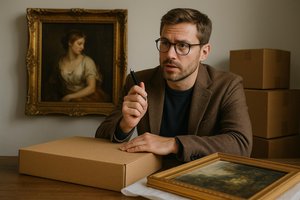
شحن عالمي مجاني مع واهوآرت – اكتشف كيف تصل لوحاتك الفنية إلى أي مكان بكفاءة لا مثيل لها
استمتع بشحن عالمي مجاني مع واهوآرت، حيث يضمن خبراؤنا جودة عالية وتوصيل سريع للقطع الفنية الفاخرة إلى أي مكان في العالم. ثقة تامة، قيمة لا تضاهى، ودعم عملاء مخصص للمجمعين الرفيع المستوى.

تكاليف الشحن العالمية على OriginalUniqueArt.com: دليل المقتنين الُمتميزين (OriginalUniqueArt.com F.A.Q.)
اكتشف دليل OriginalUniqueArt.com الشامل حول تكاليف الشحن العالمية! نصائح للمقتنين الُمتميزين، تفصيل الرسوم، الضرائب الجمركية، وخدمات شحن آمنة وموثوقة لأعمالك الفنية الثمينة. ثق بخبرتنا!

التغليف بالأنبوب الملتوي للكانفاس: حل سريع واقتصادي لتوصيل الأعمال الفنية للمطاعم والفنادق مع ضمان الجودة والموثوقية
تعرف على تقنية التغليف بالأنبوب الملتوي للكانفاس، الحل السريع والاقتصادي لتوصيل الأعمال الفنية للمطاعم والفنادق مع ضمان جودة عالية وموثوقية لا مثيل لها. اكتشف كيف يرفع هذا الأسلوب من قيمة الفن ويضمن سلامته في كل مرحلة.

Arthur Lismer: A Pioneer of Canadian Modernism & the Group of Seven's Visionary Spirit
Explore the life & art of Arthur Lismer, a pivotal figure in Canadian Modernism and founding member of the Group of Seven. Discover his landscapes, teaching legacy & lasting influence on Canadian art history.