

 معاينة الحجم الواقعي
 إرسال
إرسال مشاركة
 عرض التفاصيل
 دليل الأعمال الفنية للطلاب

 تحميل
تحميل
 قطع مشابهة
 الأشعة السينية
 عرض شرائح متتابع
 الإحصائيات
بيتر الأول فوق بحر الضباب


 اقرأ المزيد
طباعة جيلي / مطبوعات فنية
طباعة جيكلي أو كانفاس بجودة المتاحف، مع سرعة في التنفيذ وخيارات متنوعة للتشطيب. ( اطلب نسخة مرسومة يدويًا التحويل إلى الصورة الرقمية)




P118B E£10

P118H E£10

P118W E£10

P438Z E£10

P508JH E£12

P508YH E£12

P805H E£10

P805Z E£10

P919BZ E£10

P919G E£10

P919XJ E£10

P959ZH E£10

P968JZ E£12

W106C E£8

W218G E£10

W218JH E£8

W218Y E£10

W307PJ E£10

W316G E£10

W316PJ E£8

W316Y E£10

W398PJ E£8

W4111J E£10

W500HY E£15

W500JH E£15

W692G E£12

W849H E£8

W940BG E£15

W953PJ E£8




اختر من بين أحجامنا المُعدّة مسبقاً والتي تتوافق مع النسب الأصلية للعمل الفني.

أدخل العرض والارتفاع اللذين تحتاجهما، ليتناسب مع إطارك أو جدارك. يمكن قص المطبوعة فقط، ولا يمكن أبداً جعلها أكبر من الصورة الأصلية، لذا فإن أي مقاس بشكل مختلف سيؤدي إلى فقدان جزء من الصورة. سنرسل لك نموذجاً رقمياً تجريبياً لاعتماده قبل البدء في عملية الطباعة. الصورة المعروضة في هذه الصفحة لا توضح القص الفعلي — النموذج التجريبي فقط هو ما يظهر ذلك.
توصيل عالمي إلى خلال أسبوعين بدلاً من المدة القياسية البالغة 4/5 أسابيع. (24 أكتوبر)

شحن سريع ومجاني لجميع أنحاء العالم

قماش كتان فاخر

تأمين شامل على الشحن

ضمان استرداد الرسوم الجمركية

ضمان دقة مطابقة الألوان

سياسة الإرجاع خلال 100 يوم (في حالات العيوب فقط)

ضمان استرداد نقدي بنسبة 100%

عرض خصم الكميات
 خيار الزجاج متاح فقط للمقاسات التي تقل عن 110 سم

بيتر الأول فوق بحر الضباب
طباعة جيلي / مطبوعات فنية
مقاس النسخة المطبوعة
-


إجمالي السعر
E£ 4136
Beethoven composing the Pastoral Symphony
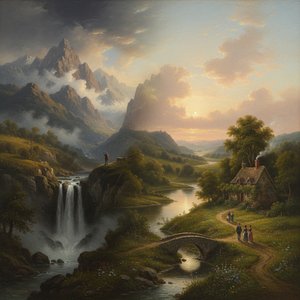
Franz Hegi’s “Beethoven composing the Pastoral Symphony,” painted in 1839, transcends mere visual representation; it's an embodiment of Romantic idealism and a profound meditation on the relationship between humanity and nature. The artwork captures a pivotal moment – Beethoven grappling with his magnum opus, attempting to distill the essence of pastoral tranquility onto canvas.
- Subject Matter: The scene depicts Beethoven seated beside a river, absorbed in his creative process. He holds a sheet of paper, suggesting contemplation and artistic endeavor amidst the serene surroundings.
- Artist Style: Hegi’s style aligns perfectly with Friedrich's aesthetic – characterized by meticulous detail and an unwavering focus on conveying emotion rather than documenting reality. It exemplifies the Romantic preoccupation with capturing sublime landscapes and exploring spiritual themes.
- Technique: Executed in aquatinta, a printing technique known for its tonal subtlety and ability to reproduce nuanced shades of grey, Hegi skillfully renders the misty atmosphere of the riverbank. The artist’s careful layering of ink creates depth and texture, mirroring the grandeur of the mountainous backdrop.
- Historical Context: Painted during the height of Romanticism, “Beethoven composing the Pastoral Symphony” reflects the movement's fascination with untamed wilderness and its belief in nature as a source of spiritual inspiration. Beethoven’s “Pastoral Symphony,” premiered in 1824, was itself a groundbreaking work that championed the beauty and restorative power of rural life – mirroring Hegi’s artistic vision.
- Symbolism: The solitary figure represents humanity's yearning for connection with the divine and its acceptance of mortality within the vastness of creation. Beethoven’s posture conveys humility before nature, emphasizing the importance of contemplation and inner reflection. The misty landscape symbolizes obscurity and mystery, inviting viewers to contemplate existential questions.
The artwork’s emotional impact is palpable—a quiet stillness punctuated by intellectual curiosity. It speaks to a desire for escape from urban pressures and an appreciation for the sublime beauty of the natural world. “Beethoven composing the Pastoral Symphony” remains a testament to Friedrich's ability to transform observation into profound artistic expression.
This captivating artwork is available as a high-quality reproduction on OriginalUniqueArt.com, allowing you to bring its serene grandeur into your home or office.
الأسئلة والأجوبة
ما مدى شهرة العمل الفني "بيتر الأول فوق بحر الضباب" للفنان Franz Hegi؟
تُصنف لوحة "بيتر الأول فوق بحر الضباب" على أنها أيقوني.
أين يجب تعليق نسخة من "بيتر الأول فوق بحر الضباب" للفنان Franz Hegi؟
يُنصح باستخدام تنسيق رأسي لعمل "بيتر الأول فوق بحر الضباب" للفنان Franz Hegi في غرفة المعيشة. حيث يساهم كل من التنسيق والمساحة معاً في توجيه عملية وضع النسخة المطبوعة.
كيف تُوصف لوحة ألوان "بيتر الأول فوق بحر الضباب" للفنان Franz Hegi؟
تُوصف لوحة ألوان "بيتر الأول فوق بحر الضباب" للفنان Franz Hegi بأنها ألوان محايدة، وهي وصف موجز لألوان العمل الفني.
نبذة عن الفنان
A Master of Line and Light
The artistry of Franz Hegi resides in the delicate intersection of precision and atmosphere, a realm where the etched line breathes life into the landscapes of Switzerland. Born in Lausanne, Switzerland, Hegi’s journey was one of movement and apprenticeship, shaped by the rich traditions of European printmaking. His early years were marked by a profound connection to the craft, beginning with an apprenticeship under the etcher Matthias Pfenninger. It was here that he mastered the nuanced technique of aquatint, a method capable of producing tonal gradations that mimic the soft washes of watercolor, allowing him to capture the ephemeral qualities of light and shadow across the Swiss terrain.
As his talent matured, Hegi’s work became an essential visual chronicle of his era. His movements through Basel and eventually back to Zürich allowed him to immerse himself in the cultural fabric of these regions. Working alongside figures such as the painter and publisher Peter Birmann, Hegi developed a keen eye for the architectural soul of Swiss towns and the intricate details of local costume. His prints were not merely aesthetic objects but historical documents, capturing the essence of Swiss architecture and the dignity of traditional dress with an almost ethnographic devotion.
The Chronicles of Zürich and Beyond
Hegi’s creative output reached a particular zenith through his dedication to documenting the cultural and historical substance of Zürich. His work often transcended simple landscape depiction, venturing into the realm of historical subjects and the preservation of memory. Through his etchings and aquatints, he brought to life the stories embedded in the city's monuments and its very streets. This passion for detail extended to his collaborations, such as his studies of the Codex Manesse, where he sought to honor the deep historical roots of the region.
The breadth of his technical skill is evident in the variety of his subjects:
- Landscape Views: Capturing the serene and rugged beauty of the Swiss countryside through masterful tonal control.
- Architectural Studies: Providing a detailed visual record of Swiss buildings and urban structures, particularly within Zürich.
- Costume Depictions: Documenting the intricate textures and cultural significance of traditional attire.
- Historical Illustrations: Contributing to almanacs, literary works, and publications like the Helvetischer Almanach, ensuring that history remained visually accessible to the public.
Beyond his individual prints, Hegi’s legacy is woven into the very fabric of Swiss visual heritage. His ability to blend the technical rigor of engraving with a romantic sensibility for nature ensured that his works would find a permanent home in prestigious institutions, including the Swiss National Library and the Kunsthaus Zürich. Through his meticulous hand, the landscapes and histories of his homeland were preserved, rendered in a timeless language of ink and light that continues to resonate with those who seek the true spirit of Switzerland.

Franz Hegi
1774 - 1850 , Switzerland
لمحة سريعة
- Artistic Movement Or Style: Aquatint, engraving, and etching
- Artists Who Influenced This Artist: ['Matthias Pfenninger']
- Full Name: Franz Hegi
- Nationality: Swiss
- Notable Artworks:
- Views of Swiss landscapes
- Swiss architecture and costume studies
- Place Of Birth: Lausanne, Switzerland
- Date Of Birth: 1774
- Date Of Death: 1850
مقالات ذات صلة

أفضل 10 لوحات طبيعية رومانسية غيرت مسار الفن وجمّلت الديكور | OriginalUniqueArt
اكتشف 10 روائع فنية رسمت مسار الفن الرومانسي! استكشف لوحات فريدريش، مالارد وأكثر. قصص الفنانين، تقنيات الرسم، وجمال المناظر الطبيعية الخلابة. احصل على أعمال فنية عالية الجودة من OriginalUniqueArt.com!

The Sublime and the Picturesque: Exploring Emotion & Nature in Romantic Landscape Painting
Explore the emotional power of Romantic landscape painting! Discover the sublime & picturesque traditions, key artists like Friedrich & Cole, and find your perfect artwork at OriginalUniqueArt.

Evocations of Place: A Historical Journey Through Landscape Art
Explore the rich history of landscape art with OriginalUniqueArt. Discover renowned artists, movements like Impressionism & Romanticism, and expert guidance for collecting timeless pieces. Find your perfect serene escape today!
The Sublime and the Picturesque: Exploring Emotion & Nature in Romantic Landscape Painting
Explore the emotional power of Romantic landscape painting! Discover the sublime & picturesque aesthetics, key artists like Friedrich & Cole, and lasting influence on art history. Find your perfect piece at OriginalUniqueArt.

أفضل 25 لوحة لجون كونستابل: روعة الطبيعة الإنجليزية في OriginalUniqueArt
اكتشف روعة الطبيعة الإنجليزية مع أفضل 25 لوحة لجون كونستابل. قصص فنية آسرة وتقنيات زيتية فريدة في OriginalUniqueArt.com. اشترِ نسخًا عالية الجودة وديكور منزلي فاخر. استكشف المجموعة الكاملة الآن!
