

 معاينة الحجم الواقعي
 إرسال
إرسال مشاركة
 عرض التفاصيل
 دليل الأعمال الفنية للطلاب

 تحميل
تحميل
 قطع مشابهة
 الأشعة السينية
 عرض شرائح متتابع
 الإحصائيات
The new city is built on labour... (Design for competition Dresden)
 Acrylic
- WallArt
- German Expressionism
 1952
1952- Modern
 46.0 x 47.0 cm
 البواهاوس ديساو
 اقرأ المزيد
طباعة جيلي / مطبوعات فنية
طباعة جيكلي أو كانفاس بجودة المتاحف، مع سرعة في التنفيذ وخيارات متنوعة للتشطيب. ( اطلب نسخة مرسومة يدويًا التحويل إلى الصورة الرقمية)




P118B $10

P118H $10

P118W $10

P438Z $10

P508JH $12

P508YH $12

P805H $10

P805Z $10

P919BZ $10

P919G $10

P919XJ $10

P959ZH $10

P968JZ $12

W106C $8

W218G $10

W218JH $8

W218Y $10

W307PJ $10

W316G $10

W316PJ $8

W316Y $10

W398PJ $8

W4111J $10

W500HY $15

W500JH $15

W692G $12

W849H $8

W940BG $15

W953PJ $8




اختر من بين أحجامنا المُعدّة مسبقاً والتي تتوافق مع النسب الأصلية للعمل الفني.

يمكنك إدخال أبعاد خاصة لتناسب إطاراً أو مساحة معينة. وفي حال عدم تطابق الحجم المختار مع نسب الصورة الأصلية، سنقوم إما بقص العمل الفني أو تمديد الصورة باستخدام حافة معكوسة أو لون مصمت. وسيتم إرسال نموذج تجريبي رقمي لاعتمادك قبل بدء عملية الإنتاج.
يرجى ملاحظة أن المعاينة على الشاشة لا تعكس عملية القص أو التمديد الفعلية؛ حيث سيوضح النموذج التجريبي فقط التكوين النهائي بدقة.
وعلى الرغم من توفر أحجام مخصصة، إلا أننا نوصي باختيار أبعاد من القائمة المحددة مسبقاً للحفاظ على النسب الأصلية.
توصيل عالمي إلى خلال أسبوعين بدلاً من المدة القياسية البالغة 4/5 أسابيع. (27 سبتمبر)

شحن سريع ومجاني لجميع أنحاء العالم

قماش كتان فاخر

تأمين شامل على الشحن

ضمان استرداد الرسوم الجمركية

ضمان دقة مطابقة الألوان

سياسة الإرجاع خلال 100 يوم (في حالات العيوب فقط)

ضمان استرداد نقدي بنسبة 100%

عرض خصم الكميات
 خيار الزجاج متاح فقط للمقاسات التي تقل عن 110 سم

The new city is built on labour... (Design for competition Dresden)
طباعة جيلي / مطبوعات فنية
مقاس النسخة المطبوعة
-


إجمالي السعر
$ 80
A Vision Forged in Labor: Franz Ehrlich’s “The New City is Built on Labour…”
Franz Ehrlich's 1952 sketch, "The New City is Built on Labour...", isn’t merely a design proposal for a competition in Dresden; it’s a poignant testament to post-war reconstruction and the enduring spirit of a city striving to rebuild itself. Captured with a restrained graphite palette against aged paper, the image possesses an immediate intimacy – as if we've stumbled upon a forgotten blueprint, imbued with the hopes and anxieties of a nation grappling with its past. The drawing depicts a meticulously planned urban landscape, dominated by a central train station flanked by buildings rising towards a clear sky, all anchored by a network of roads and pathways. A prominent locomotive suggests progress and connectivity, while figures – rendered subtly within the composition – hint at the human effort underpinning this ambitious vision.
Ehrlich’s work is deeply rooted in the Bauhaus movement, yet transcends its formal tenets. The influence of geometric precision is evident in the simplified forms of the buildings, reminiscent of Walter Gropius' designs. However, there’s a distinct emotionality present, a sense of melancholy and quiet determination that speaks to the challenges faced by Germany following World War II. The muted tones – primarily shades of grey, accented with hints of brown and ochre – evoke the somber atmosphere of a city scarred by conflict, while simultaneously conveying a profound respect for the materials and the process of construction.
A Master’s Hand: Technique and Materials
Examining the drawing closely reveals Ehrlich's masterful technique. He employs a sophisticated range of hatching and cross-hatching to build up tonal values and create a remarkable sense of depth and texture. The varying line weights – from delicate, almost imperceptible strokes defining fine details to bolder lines delineating larger forms – contribute significantly to the image’s dynamism. The paper itself bears witness to the artist's hand; subtle creases and discoloration suggest years spent in careful consideration and execution. It’s a tangible connection to the creative process, reminding us that art is not simply about finished products but also about the journey of creation.
The choice of graphite as the medium is particularly significant. Graphite offers a remarkable degree of control, allowing Ehrlich to capture both the sharp edges of architectural forms and the softer nuances of human figures. Its ability to create subtle gradations of tone lends itself perfectly to conveying mood and atmosphere – essential elements in this evocative composition. The drawing’s scale—46 x 47 cm— invites close scrutiny, encouraging viewers to appreciate the intricate details and the artist's deliberate choices.
Historical Context: Reconstruction and Remembrance
To fully understand “The New City is Built on Labour…”, it’s crucial to consider its historical context. Created in 1952, shortly after World War II, the drawing reflects Dresden’s arduous process of rebuilding. The city had been almost entirely destroyed by Allied bombing raids, leaving behind a devastated landscape and a shattered population. Ehrlich's design wasn’t just about creating a new urban space; it was about symbolizing hope and renewal – a deliberate act of defiance against the destruction that had ravaged his homeland.
The title itself is profoundly symbolic, underscoring the central role of labor in this reconstruction effort. It speaks to the countless hours spent by workers rebuilding homes, infrastructure, and lives. Furthermore, the inclusion of a train station highlights Dresden’s reconnection with the wider world – a vital step towards economic recovery and cultural exchange. The drawing serves as a powerful reminder of the resilience of the human spirit in the face of adversity.
A Legacy of Vision: Symbolism and Emotional Resonance
Beyond its technical merits, “The New City is Built on Labour…” resonates deeply with viewers due to its inherent symbolism. The train station represents progress and connection, while the figures within the composition embody the collective effort required for rebuilding. The overall mood is one of quiet determination – a sense that despite the devastation, Dresden was determined to forge a new future.
Ehrlich’s work transcends mere architectural design; it's a visual meditation on memory, loss, and hope. It invites us to contemplate the challenges faced by communities rebuilding after conflict and to appreciate the enduring power of human creativity in shaping our world. Reproductions of this compelling sketch offer a valuable window into a pivotal moment in German history, allowing us to connect with the past while celebrating the spirit of innovation and resilience that continues to define Dresden today.
نبذة عن الفنان
الحياة المبكرة والتعليم
فرانز إرليك، المهندس المعماري الخطاط ومصمم الجرافيك الألماني الشهير، وُلد عام 1907. اتسمت سنواته التكوينية بميل فطري نحو الفنون، مما دفعه للتسجيل في مدرسة الباوهاوس في ديساو بين عامي 1927 و 1930. لعبت هذه المؤسسة المرموقة دورًا محوريًا في تشكيل المنظور الفني لإرليك، حيث عرّفته على الحركات الطليعية في ذلك الوقت.المسيرة الفنية والانتماء الشيوعي
كان لانتماء إرليك للحزب الشيوعي تأثير عميق على حياته ومسيرته المهنية. ففي عام 1935، ألقي القبض عليه وسُجن من قبل النظام النازي، وهو حدث غيّر بشكل كبير مسار مساعيه الفنية. وعلى الرغم من هذه التحديات، واصل إرليك المساهمة في عالم الفن، تاركًا وراءه إرثًا ملهمًا ومثيرًا للتفكير في آن واحد.الأعمال البارزة
تشمل بعض أبرز أعمال إرليك ما يلي:- 800 عام. الكتاب [الكتاب]. المخطط العام والمناظر (حوامل عرض المعرض، معرض لايبزيغ)، وهو شهادة على منهجه المبتكر في التصميم والهندسة المعمارية.
- تنفيذ منزل البروفيسور دكتور باومان (مخطط الأساس)، الذي يبرز خبرته في التخطيط المعماري.
- عام 1933 (مشروع إعلان فوتوغرافي منحوت)، وهو مزيج فريد من التصوير الفوتوغرافي والنحت، يسلط الضوء على طبيعته التجريبية.
المتاحف والمجموعات التي تعرض أعمال إرليك
يعرض موقع OriginalUniqueArt.com مجموعة واسعة من أعمال إرليك، بما في ذلك تلك المذكورة أعلاه. كما أن مؤسسة الباوهاوس في ديساو (ديساو-روصلو، ألمانيا) هو مستودع مهم لمساعيه الفنية.الإرث والتأثير
تساهم أعمال فرانز إرليك في عالم الفن بطرق متعددة الأوجه، مما يعكس نطاق اهتماماته ومواهبه الواسع. فخبراته، سواء كانت إبداعية أو شخصية، تقدم رؤى قيمة حول تقاطع الفن والسياسة خلال لحظة محورية في التاريخ الألماني.- شاهد المزيد من أعمال إرليك على https://OriginalUniqueArt.com/@/franz-ehrlich
- استكشف مؤسسة الباوهاوس في ديساو ومجموعتها في مؤسسة الباوهاوس في ديساو (ديساو-روصلو، ألمانيا)
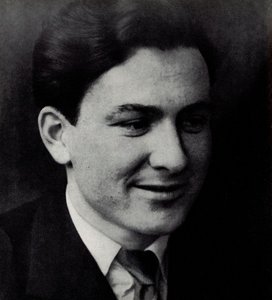
فرانز إرليك
1907 - 1984 , ألمانيا
لمحة سريعة
- Artistic Movement Or Style: باوهاوس، التعبيرية
- Artists Or Movements Influenced By This Artist:
- باوهاوس
- الرابطة الشيوعية الشابة
- Artists Who Influenced This Artist:
- فالتر غروبيوس
- موهولي-ناغي
- كلي
- يويست شميدت
- Date Of Birth: 1907
- Date Of Death: 1984
- Full Name: فرانز إرليك
- Nationality: ألماني
- Notable Artworks:
- جدار الهيكل 800 سنة 3
- بدون عنوان (HKB I أو II)
- لوحة مع كمان
- Place Of Birth: ريوت، ألمانيا
مقالات ذات صلة
Urban Visions: A Historical & Artistic Exploration of the Cityscape in Painting
Explore the evolution of cityscape painting from historical maps to Impressionist masterpieces. Discover artists like Caillebotte & Utrillo. Find museum-quality reproductions at OriginalUniqueArt.
Concrete Visions: Exploring Representations of Urban Life in Modern & Contemporary Art
Explore the evolution of cityscape painting from Realism to contemporary art. Discover key artists & invest in timeless urban visions with OriginalUniqueArt's expert guidance and museum-quality reproductions.

Concrete Visions: Exploring the Urban Landscape in Painting – From Realism to Contemporary Art
Explore the evolution of cityscape painting from Realism to contemporary art with OriginalUniqueArt. Discover key artists & invest in timeless urban visions. Expert guidance, museum-quality reproductions.
Concrete Narratives: Exploring Urban Life in Modern & Contemporary Art
Explore the evolution of cityscape painting with OriginalUniqueArt. Discover key artists from Realism to contemporary movements & invest in timeless urban visions. Expert guidance, museum-quality reproductions.
The Eloquent Line: Exploring the Artistic Significance of Sketches Across Movements and Media
Explore the profound artistic significance of sketches throughout history. From Renaissance masters to modern innovators like Van Gogh & Guston, discover how these foundational works reveal technique, emotion, and vision. Learn more at OriginalUniqueArt.