
 معاينة الحجم الواقعي
 مشاركة
 مشاركة
 التفاصيل
 دليل
دليل

 تحميل الملف
 قطع مشابهة
 الأشعة السينية
 عرض شرائح
 الأسئلة والأجوبة
 الإحصائيات
The Lioness

- 111.0 x 198.0 cm


 عرض المزيد
طباعة جيلي / مطبوعات فنية
طباعة جيكلي أو كانفاس بجودة المتاحف، مع سرعة في التنفيذ وخيارات متنوعة للتشطيب. ( شراء لوحة مرسومة يدويًا الانتقال إلى الصورة الرقمية)




P118B E£10

P118H E£10

P118W E£10

P438Z E£10

P508JH E£12

P508YH E£12

P805H E£10

P805Z E£10

P919BZ E£10

P919G E£10

P919XJ E£10

P959ZH E£10

P968JZ E£12

W106C E£8

W218G E£10

W218JH E£8

W218Y E£10

W307PJ E£10

W316G E£10

W316PJ E£8

W316Y E£10

W398PJ E£8

W4111J E£10

W500HY E£15

W500JH E£15

W692G E£12

W849H E£8

W940BG E£15

W953PJ E£8




اختر من بين أحجامنا المُعدّة مسبقاً والتي تتوافق مع النسب الأصلية للعمل الفني.

أدخل العرض والارتفاع المطلوبين ليتناسب المقاس مع إطارك أو جدارك. يرجى الملاحظة أن المطبوعة يمكن قصها فقط ولا يمكن تكبيرها لتتجاوز أبعاد الصورة الأصلية، لذا فإن اختيار مقاس بأبعاد مختلفة سيؤدي إلى فقدان جزء من الصورة. سنرسل لك نموذجاً رقمياً تجريبياً لاعتماده قبل البدء في عملية الطباعة. الصورة المعروضة في هذه الصفحة لا توضح شكل القص الفعلي — النموذج التجريبي فقط هو ما يظهر ذلك بدقة.
توصيل عالمي إلى خلال أسبوعين بدلاً من المدة القياسية البالغة 4/5 أسابيع. (5 نوفمبر)

شحن سريع ومجاني لجميع أنحاء العالم

قماش كتان عالي الجودة

تأمين شامل على الشحن

ضمان استرداد الرسوم الجمركية

ضمان مطابقة الألوان الحقيقية

سياسة الإرجاع خلال 100 يوم (في حالات العيوب فقط)

ضمان استرداد نقدي بنسبة 100%

خصم عند طلب كميات
 خيار الزجاج متاح فقط للمقاسات التي تقل عن 110 سم

The Lioness
طباعة جيلي / مطبوعات فنية
مقاس النسخة المطبوعة
-


إجمالي السعر النهائي
E£ 4237
A Moment of Primal Serenity
In the grand theater of the Flemish Baroque, where drama often erupts in violent clashes of predator and prey, Frans Snyders offers us a rare, breathtaking pause. The Lioness is not merely a study of wildlife; it is an intimate encounter with the quietude that exists even within the most formidable of creatures. As we gaze upon this oil on canvas, we find ourselves transported to a rugged, sun-drenched landscape where time seems to have slowed to the rhythm of a resting breath. The lioness lies draped across the earth, her powerful frame relaxed, her mouth slightly parted in a state of profound repose. This is not the ferocity of the hunt, but the heavy, peaceful slumber of a queen at rest, inviting the viewer into a shared moment of stillness.
The composition masterfully balances the weight of the subject with the airy expanse of its environment. Snyders utilizes a naturalistic backdrop of weathered rocks and parched earth to ground the scene in a tangible reality. Scattered throughout this terrain, small birds and subtle hints of distant wildlife flicker like living punctuation marks against the landscape, adding layers of life and movement to the periphery of our focus. This careful arrangement creates a sense of immense depth, drawing the eye from the textured fur of the lioness into the hazy, atmospheric reaches of the wild, making the painting feel less like a static image and more like a window into a living, breathing ecosystem.
The Mastery of Texture and Light
To behold The Lioness is to witness the pinnacle of Snyders’ technical virtuosity. The artist employs a meticulous technique that celebrates the tactile essence of the natural world. One can almost feel the coarse grit of the stones and the warmth of the sun-baked dirt beneath the predator's weight. His brushwork is nothing short of extraordinary; through subtle gradations of light and shadow, he renders the lioness’s coat with such precision that individual strands of fur catch the light, suggesting a soft, golden luster. This interplay of light—the way it grazes the curve of her flank and settles into the shadows of her resting limbs—imbues the work with a sculptural quality that is characteristic of the finest Baroque masters.
The color palette is a sophisticated symphony of earth tones. Deep umbers, warm ochres, and muted greens harmonize to create an atmosphere that feels both ancient and eternal. This restrained use of color ensures that the viewer’s attention remains fixed on the subject's physical presence and the subtle emotional shifts within the scene. For the discerning collector or interior designer, this painting offers a profound sense of organic luxury. It possesses a quiet strength that can anchor a room, providing a sophisticated focal point that speaks of elegance, natural history, and an appreciation for the untamed beauty of our world.
A Legacy of Flemish Grandeur
Frans Snyders occupied a prestigious position in the Antwerp art scene, often working alongside legends like Peter Paul Rubens. While he was celebrated for his ability to depict the chaotic abundance of market scenes and the high-stakes drama of hunting parties, The Lioness reveals a more contemplative side of his genius. It serves as a testament to his ability to find the sublime within the biological. In an era where art often sought to demonstrate power through conquest, Snyders captures power through presence.
For those seeking to bring the spirit of the Golden Age into a contemporary space, a high-quality reproduction of this masterpiece offers more than just decoration; it offers a narrative. Whether placed in a stately library, a modern study, or an elegantly appointed living area, The Lioness acts as a bridge between the historical grandeur of the 17th century and the aesthetic sensibilities of today. It is a piece that invites contemplation, sparking conversations about the delicate balance of nature and the enduring allure of the wild.
الأسئلة والأجوبة
أين يمكنني العثور على إحصائيات حول "The Lioness" للفنان فرانس سنايدرز؟
تتوفر الإحصائيات الخاصة بـ "The Lioness" للفنان فرانس سنايدرز في صفحة إحصائيات الزيارات للعمل الفني، وهي تشمل: عدد الزيارات الشهرية للعمل، وزيارات أعمال الفنان، وتوزيع الزوار الأخيرين حسب الدولة واللغة.
هل تُحفظ "The Lioness" للفنان فرانس سنايدرز في الموطن الأصلي للفنان؟
لا - العمل الفني موجود خارج البلاد. تُعرض لوحة "The Lioness" في النمسا، بينما وُلد فرانس سنايدرز في بلجيكا.
ما هو اللون الطاغي على "The Lioness"؟
تطغى على "The Lioness" نغمة Golden Yellow Range.
السيرة الذاتية للفنان
A Master of Abundance: The Life and Art of Frans Snyders
Frans Snyders, born in Antwerp in 1579, occupies a unique and vibrant niche within the pantheon of Flemish Baroque painters. While names like Rubens and Van Dyck often dominate discussions of the era, Snyders’ contribution—a dazzling specialization in still life, animal painting, and bustling market scenes—was no less significant. He wasn't merely depicting objects; he was celebrating abundance, reveling in texture, and capturing a fleeting moment of earthly delight. His father, Jan Snijders, ran a popular wine inn frequented by artists, immersing the young Frans in a world of creative energy from an early age. This environment undoubtedly fostered his artistic inclinations, and it’s even said that the renowned painter Frans Floris once squandered his fortune within those walls—a colorful anecdote hinting at the lively atmosphere surrounding Snyders' upbringing. He initially trained with Pieter Brueghel the Younger, absorbing lessons in composition and detail, before refining his skills under Hendrick van Balen, who also mentored Anthony van Dyck. This solid foundation allowed him to become a master within the Antwerp Guild of Saint Luke by 1602, marking the formal beginning of his prolific career.Collaboration and Innovation: Snyders’ Artistic Development
Snyders' artistic journey wasn’t one of solitary pursuit; collaboration was central to his practice. He quickly established himself as a sought-after partner for leading artists of the time, most notably Peter Paul Rubens. Their relationship proved remarkably fruitful, with Snyders frequently tasked with painting the animals and still life elements within Rubens’ grand compositions. The Torre de la Parada hunting pavilion in Spain stands as a testament to their combined genius—Snyders executing over sixty animal paintings based on designs by Rubens. This partnership wasn't simply about fulfilling commissions; it was a dynamic exchange of ideas, pushing both artists toward new levels of technical and expressive achievement. Beyond Rubens, Snyders collaborated with Anthony van Dyck, Jacob Jordaens, and Abraham Janssens, demonstrating his versatility and adaptability. However, he didn’t merely serve as an accessory to these masters. He pioneered a distinct style characterized by dynamic compositions, masterful rendering of textures—from the sheen of fruit to the rough hide of game—and a vibrant sense of realism that breathed life into his subjects. Snyders essentially invented the independent animal still life genre, moving beyond traditional depictions of hunting trophies to explore the inherent beauty and vitality of the natural world.A Feast for the Eyes: Themes and Techniques
The core themes in Snyders’ work revolve around earthly pleasures—the bounty of the market, the thrill of the hunt, the simple elegance of a well-stocked pantry. His market scenes are particularly captivating, teeming with figures, overflowing baskets, and an almost palpable sense of energy. He doesn't shy away from depicting the realities of food production; alongside pristine fruits and vegetables, one might find plucked fowl or freshly caught fish, reminding viewers of the cycle of life and sustenance. His still lifes aren’t static arrangements but rather dynamic displays that seem to invite interaction. Snyders possessed an extraordinary ability to capture light and shadow, creating a sense of depth and volume that makes his subjects appear almost tangible. He employed a loose, painterly brushstroke, particularly in rendering fur and feathers, achieving a remarkable level of realism without sacrificing artistic expression. The Pantry, for example, is a stunning showcase of this technique—a chaotic yet harmonious arrangement of foodstuffs and kitchen utensils bathed in dramatic light. The artist’s attention to detail is meticulous, but it never feels overly fussy; instead, it contributes to the overall sense of abundance and vitality.Legacy and Enduring Influence
Frans Snyders' impact on the development of still life and animal painting extends far beyond his own lifetime. He established a new standard for realism and dynamism in these genres, influencing generations of artists who followed. His work paved the way for later masters like Jean-Baptiste Oudry and François Desportes, who further refined the art of animal portraiture. Snyders’ influence can also be seen in the Dutch Golden Age still life tradition, where artists like Willem Claeszoon Heda and Pieter Claesz embraced a similar focus on texture, light, and composition. He was not only a skilled technician but also an astute observer of the natural world, capturing its beauty and complexity with remarkable sensitivity. His paintings continue to captivate audiences today, offering a glimpse into the vibrant artistic landscape of 17th-century Antwerp and reminding us of the enduring power of art to celebrate life’s simple pleasures. His extensive collection, acquired by Matthijs Musson after his death in 1657, ensured that his legacy would continue to inspire artists for centuries to come.The World of Frans Snyders: Notable Works & Historical Context
- The Pantry (1620s): Perhaps his most iconic work, The Pantry is a monumental celebration of food and abundance, showcasing Snyders’ mastery of texture and composition. It's not merely a depiction of foodstuffs; it’s a visual feast that speaks to the prosperity and vitality of Antwerp.
- Market Scenes (various dates): These lively paintings offer a glimpse into the bustling marketplaces of 17th-century Antwerp, filled with merchants, shoppers, and an array of goods. They are remarkable for their dynamic compositions and realistic depictions of everyday life.
- Hunting Scenes (various dates): Snyders’ hunting scenes, often created in collaboration with Rubens, capture the thrill of the chase and the beauty of the natural world. His animals are rendered with exceptional detail and realism.

فرانس سنايدرز
1579 - 1657 , بلجيكا
حقائق سريعة
- الأعمال البارزة:
- The Pantry
- Market Scenes
- Hunting Scenes
- الاسم الكامل: فرانس سنييدرز
- الجنسية: فلمنكي
- الحركة الفنية: الباروك
- الفنانون المؤثرون:
- بيتر بروغل الأصغر
- هندريك فان بالين
- الفنانون المتأثرون:
- جان باتيست أودري
- فرانسوا ديسبورتس
- تاريخ الميلاد: 1579
- تاريخ الوفاة: 1657
- مكان الميلاد: أنتويرب، بلجيكا
مقالات ذات صلة
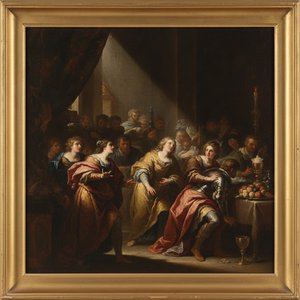
Mastering Drama & Light: A Guide to the Grandeur of Flemish Baroque Art
Explore the breathtaking drama of Flemish Baroque art. Discover how masters like Peter Paul Rubens used chiaroscuro and motion to redefine 17th-century grandeur through a sophisticated lens of history and light.

Mastering Drama and Light: A Definitive Guide to the Flemish Baroque Art Movement
Explore the dramatic brilliance of the Flemish Baroque movement. Discover how masters like Peter Paul Rubens utilized chiaroscuro and dynamic composition to redefine art history through light, shadow, and unparalleled emotion.

The Majesty of Flemish Baroque: A Definitive Guide to Drama, Color, and Grandeur in 17th-Century Masterpieces
Explore the grandeur of Flemish Baroque art. Uncover the dramatic legacy of Peter Paul Rubens and the mastery of light and color. Discover museum-grade, hand-painted oil reproductions and custom commissions at OriginalUniqueArt.com—where history meets fine craftsmanship.

25 Masterpieces by Sir Anthony van Dyck: The King of Baroque Portraiture
Immerse yourself in the elegance of Sir Anthony van Dyck. Explore 25 iconic Baroque masterpieces, from royal portraits to Flemish classics. Find inspiration for museum-quality art reproductions and timeless decor. Discover all masterpieces on OriginalUniqueArt.com.

25 Masterpieces by Sir Anthony van Dyck: The King of Baroque Portraiture
Immerse yourself in the elegance of Sir Anthony van Dyck. Explore 25 iconic Baroque masterpieces, from royal portraits to refined Flemish classics. Find inspiration for museum-quality art reproductions and luxury decor. Discover all masterpieces on OriginalUniqueArt.com.
