معاينة الحجم الواقعي
 إرسال
إرسال مشاركة
 عرض التفاصيل
 دليل الأعمال الفنية للطلاب

 تحميل
تحميل
 قطع مشابهة
 الأشعة السينية
 عرض شرائح متتابع
 الإحصائيات
Paulus Verschuur
 Oil On Canvas
- WallArt
- Baroque
 1643
1643 119.0 x 94.0 cm
 المتحف المتروبوليتاني للفنون
 اقرأ المزيد
طباعة جيلي / مطبوعات فنية
طباعة جيكلي أو كانفاس بجودة المتاحف، مع سرعة في التنفيذ وخيارات متنوعة للتشطيب. ( اطلب نسخة مرسومة يدويًا التحويل إلى الصورة الرقمية)




P118B E£10

P118H E£10

P118W E£10

P438Z E£10

P508JH E£12

P508YH E£12

P805H E£10

P805Z E£10

P919BZ E£10

P919G E£10

P919XJ E£10

P959ZH E£10

P968JZ E£12

W106C E£8

W218G E£10

W218JH E£8

W218Y E£10

W307PJ E£10

W316G E£10

W316PJ E£8

W316Y E£10

W398PJ E£8

W4111J E£10

W500HY E£15

W500JH E£15

W692G E£12

W849H E£8

W940BG E£15

W953PJ E£8




اختر من بين أحجامنا المُعدّة مسبقاً والتي تتوافق مع النسب الأصلية للعمل الفني.

يمكنك إدخال أبعاد خاصة لتناسب إطاراً أو مساحة معينة. وفي حال عدم تطابق الحجم المختار مع نسب الصورة الأصلية، سنقوم إما بقص العمل الفني أو تمديد الصورة باستخدام حافة معكوسة أو لون مصمت. وسيتم إرسال نموذج تجريبي رقمي لاعتمادك قبل بدء عملية الإنتاج.
يرجى ملاحظة أن المعاينة على الشاشة لا تعكس عملية القص أو التمديد الفعلية؛ حيث سيوضح النموذج التجريبي فقط التكوين النهائي بدقة.
وعلى الرغم من توفر أحجام مخصصة، إلا أننا نوصي باختيار أبعاد من القائمة المحددة مسبقاً للحفاظ على النسب الأصلية.
توصيل عالمي إلى خلال أسبوعين بدلاً من المدة القياسية البالغة 4/5 أسابيع. (11 أكتوبر)

شحن سريع ومجاني لجميع أنحاء العالم

قماش كتان فاخر

تأمين شامل على الشحن

ضمان استرداد الرسوم الجمركية

ضمان دقة مطابقة الألوان

سياسة الإرجاع خلال 100 يوم (في حالات العيوب فقط)

ضمان استرداد نقدي بنسبة 100%

عرض خصم الكميات
 خيار الزجاج متاح فقط للمقاسات التي تقل عن 110 سم

Paulus Verschuur
طباعة جيلي / مطبوعات فنية
مقاس النسخة المطبوعة
-


إجمالي السعر
E£ 4108
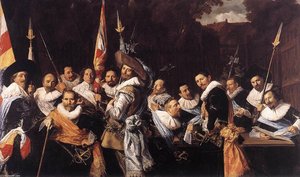
A Portrait of Dignified Authority: Paulus Verschuur by Frans Hals
Frans Hals’s “Paulus Verschuur,” painted in 1643, is more than simply a portrait; it's a meticulously crafted study in Dutch Golden Age formality and understated power. The painting captures the likeness of Paulus Verschuur, a prominent Rotterdam mayor and director of the Dutch East India Company, offering a glimpse into the social standing and civic responsibility of a man at the heart of his city’s bustling commercial world. Hals masterfully employs his signature loose brushwork to create an image that is both strikingly realistic and imbued with a palpable sense of character – a testament to his revolutionary approach to portraiture.
The composition centers on Verschuur's face, rendered with remarkable detail despite the artist’s characteristic disregard for rigid precision. His gaze, direct and unwavering, engages the viewer immediately, conveying an air of quiet confidence and authority. The lighting, a dramatic chiaroscuro technique, sculpts his features, highlighting the strong lines of his face and emphasizing the subtle textures of his clothing. Hals skillfully uses light to draw attention to key elements – the meticulously rendered lace collar, a clear indicator of wealth and social status in 17th-century Holland, and the gesture of his hand resting lightly on his hip, suggesting both control and a certain relaxed dignity.
The Language of Form: Technique and Style
Hals’s distinctive style is immediately recognizable. He eschews the smooth, polished surfaces favored by many of his contemporaries, opting instead for a vibrant, almost impasto-like application of paint. The brushstrokes are visible, energetic, and full of life – a deliberate choice that imbues the portrait with a sense of immediacy and movement. This technique, combined with Hals’s masterful use of color, creates an illusion of depth and texture, particularly evident in the folds of his dark coat and cloak. The layering of thin glazes of oil paint builds up rich colors and subtle gradations, contributing to the painting's luminous quality.
Furthermore, Hals utilizes a carefully considered perspective – a single-point perspective that draws the viewer’s eye directly to Verschuur’s face. Geometric shapes—rectangles defining his clothing, circles for his eyes and nose, ovals for his head—are employed with precision, yet they never feel rigid or artificial. The background, rendered in muted grey-brown tones, serves as a neutral backdrop, allowing the subject to command attention without distraction. The overall effect is one of controlled elegance and understated sophistication – hallmarks of Hals’s artistic vision.
Symbolism and Context: A Window into 17th-Century Rotterdam
Beyond its technical brilliance, “Paulus Verschuur” offers a fascinating window into the social and cultural context of 17th-century Rotterdam. The portrait reflects the city's prominence as a major center for trade and commerce during the Dutch Golden Age. The hat worn by Verschuur is not merely an accessory; it’s a clear symbol of his elevated social standing, signifying membership in the merchant elite. The lace collar, another prominent detail, further reinforces this status, demonstrating wealth and refinement – attributes highly valued within the city's hierarchical society.
The fact that Verschuur was a director of the Dutch East India Company adds another layer of significance to the portrait. This powerful trading organization played a crucial role in shaping Rotterdam’s prosperity and influence during this period, highlighting the subject’s involvement in one of the most dynamic economic ventures of its time. The painting, therefore, serves as both a personal commemoration and a reflection of the city's thriving commercial landscape.
A Timeless Masterpiece: Reproduction and Legacy
“Paulus Verschuur” remains a captivating example of Dutch Golden Age portraiture, admired for its technical skill, psychological depth, and evocative atmosphere. Today, high-quality reproductions offer art lovers the opportunity to experience Hals’s masterpiece firsthand, bringing this remarkable image into homes and galleries worldwide. Whether displayed as a statement piece or incorporated into interior design schemes, a reproduction of “Paulus Verschuur” serves as a powerful reminder of the enduring legacy of Frans Hals and his profound contribution to the history of art.
Useful Links:
- Frans Hals Paulus Verschuur 1643 Oil Painting Reproduction
- Paulus Verschuur - Wikipedia
- Frans Hals Museum
Additional Research:
- Paulus Verschuur in *Dutch Paintings in the Metropolitan Museum of Art*, by Walter A. Liedtke, Metropolitan Museum of Art, 2007
- 1643, Frans Hals, Paulus Verschuur -- Metropolitan Museum of Art (New York)
الأسئلة والأجوبة
إلى أي فنان يُنسب العمل "Paulus Verschuur"؟
الفنان الذي أبدع عمل "Paulus Verschuur" هو فرانس هالس الأول. العمل مُدرج تحت اسم فرانس هالس الأول.
ما مدى تشبع الألوان في "Paulus Verschuur" للفنان فرانس هالس الأول؟
تتميز لوحة ألوان "Paulus Verschuur" بدرجة تشبع Muted.
كم عدد الأشخاص الذين يشاهدون "Paulus Verschuur"؟
توجد صفحة الإحصائيات خاصة بـ "Paulus Verschuur"، حيث تعرض مخططاً للزيارات الشهرية لهذا العمل الفني ولأعمال الفنان الأخرى، مع تفصيل حسب الدولة واللغة.
أي متحف يضم العمل الأصلي "Paulus Verschuur"؟
يمكنكم مشاهدة العمل الأصلي "Paulus Verschuur" في المتحف المتروبوليتاني للفنون, New York, United States of America.
كم كان عمر فرانس هالس الأول عندما أُبدع العمل "Paulus Verschuur"؟
كان عمر فرانس هالس الأول يبلغ 63 عاماً عند إبداع العمل "Paulus Verschuur" في عام 1643. تم حساب العمر بناءً على سنة ميلاد الفنان، 1580.
هل يستخدم "Paulus Verschuur" للفنان فرانس هالس الأول تباينات قوية أم تناغمات ناعمة؟
يُظهر التحليل اللوني لـ "Paulus Verschuur" للفنان فرانس هالس الأول تباينًا Serene وتناغمًا Strong Color Unity.
متى تم إنجاز "Paulus Verschuur"؟
يعود تاريخ إبداع "Paulus Verschuur" للفنان فرانس هالس الأول إلى عام 1643.
نبذة عن الفنان
فرانس هالس الأول: حياة في الألوان
ولد فرانس هالس الأول في مدينة أنتويرب البلجيكية حوالي عام 1580، وفي ظل ظروف مبكرة غامضة بعض الشيء، صعد ليصبح أحد أبرز فناني العصر الذهبي الهولندي. اشتهر بلوحاته البورتريه والمشاهد الحياتية المبتكرة التي أحدثت ثورة في عالم الفن. لم يكن هالس مجرد رسام؛ بل كان مؤرخًا بصريًا لعصره، قادرًا على التقاط جوهر الشخصية الإنسانية وتعابيرها الدقيقة.
النشأة والتدريب الفني
تفاصيل سنواته التكوينية شحيحة، ولكن يُعتقد أنه تلقى تدريبه الفني الأولي في أنتويرب، وهي مركز فني بارز في ذلك الوقت. ومع ذلك، بسبب الاضطرابات الدينية والسياسية، انتقلت عائلته إلى هارلم في هولندا. انضم إلى نقابة سانت لوك في هارلم عام 1610، مما يمثل بداية حياته المهنية الرسمية. كانت هذه الخطوة بمثابة نقطة تحول في مسيرته الفنية، حيث أتاح له الانخراط في مجتمع فني مزدهر وتبادل الخبرات مع زملائه الفنانين.
أسلوب هالس وتطوره الفني
تميز هالس بأسلوبه المنعش والتلقائي. على عكس العديد من معاصريه الذين فضلوا التفاصيل الدقيقة، اعتمد هالس ضربة فرشاة فضفاضة ومعبرة. أضفت هذه التقنية إحساسًا بالحيوية والآنية على لوحاته، مما جعله قادرًا على التقاط شخصية وروح موضوعه بطريقة ثورية في ذلك الوقت. لم تكن بورتريهاته مجرد صور طبق الأصل؛ بل كانت دراسات نفسية عميقة تكشف عن المشاعر والأحاسيس الخفية. كان هالس بارعًا في تصوير اللحظات العابرة – الضحك، والمحادثة، والتأمل – مما يمنح لوحاته طابعًا حيويًا وواقعيًا.
- استخدم هالس الضوء والظل ببراعة لإضافة العمق والدراما إلى تكوينه.
- تميزت لوحاته بقدرتها على إبراز التفاصيل الدقيقة في تعابير الوجه وحركات الجسم.
- كان هالس ماهرًا في تصوير الأقمشة والمواد المختلفة، مما يضفي واقعية مذهلة على أعماله.
أعماله البارزة وإرثه الفني
اشتهر هالس بلوحاته البورتريه، ومن بين أشهرها: الفرسان الضاحكون (1624) – مثال نموذجي لقدرته على التقاط الشخصية والحركة. ومالي بابي (حوالي 1633-1635) – تصوير لامرأة مسنة، يظهر مهارة هالس في تصوير الشيخوخة والشخصية. ولوحاته لمجموعة من الأوصياء على دار المسنين في هارلم (1664) - والتي تجسد إتقانه لفن البورتريه الجماعي.
بالإضافة إلى ذلك، أنتج هالس مشاهد حياتية مؤثرة – تصوير للحياة اليومية – قدمت لمحات عن المجتمع الهولندي. كانت هذه المشاهد بمثابة سجل بصري للعادات والتقاليد والأزياء في عصره.
التأثيرات والإرث التاريخي
من الصعب تحديد التأثيرات المباشرة لهالس، حيث طور أسلوبًا فرديًا للغاية. ومع ذلك، من المحتمل أنه كان على دراية بأعمال الرسامين الفلمنكيين السابقين مثل بيتر بروغل الأكبر. كان لنهجه المبتكر في البورتريه تأثير عميق على الأجيال اللاحقة من الفنانين.
- تأثر فنانون مثل أدريان بروير ويوهانس فيرمير بهالس.
- ساهم تركيزه على التقاط الشخصية في ظهور البورتريهات الحميمة والنفسية.
- أعجب الفنانون اللاحقون، بمن فيهم الانطباعيون، بضرباته الفرشاة الفضفاضة وتركيزه على الضوء.
الأهمية التاريخية
لعب فرانس هالس الأول دورًا حاسمًا في تشكيل اللوحة الهولندية خلال العصر الذهبي. تعكس أعماله الازدهار المتزايد والفردية في هولندا في ذلك الوقت. ابتعد عن الرسمية الصارمة نحو أسلوب أكثر طبيعية وتعبيرية، تاركًا إرثًا دائمًا في عالم الفن. اليوم، تحظى لوحاته بتقدير كبير ويمكن العثور عليها في المتاحف الرئيسية حول العالم، بما في ذلك متحف فرانس هالس في هارلم، الذي يضم أكبر مجموعة من أعماله. تواصل مساهماته إلهام الفنانين وإبهار الجماهير لقرون.

فرانس هالس الأول
1580 - 1585 , بلجيكا
لمحة سريعة
- الأعمال البارزة:
- الفرسان الضاحكون
- مالي بابه
- الاسم الكامل: فرانس هالس الأول
- الجنسية: هولندي
- الحركة الفنية: العصر الذهبي الهولندي
- الفنانون المتأثرون: ['ادريان بروور']
- تاريخ الميلاد: حوالي 1580
- مكان الميلاد: أنتويرب، بلجيكا
مقالات ذات صلة

Golden Age Reflections: Dutch Baroque Painting & Cultural Innovation
Explore the Dutch Golden Age of painting! Discover key artists like Vermeer & ter Borch, their innovative techniques, and the rich cultural context behind these Baroque masterpieces. Learn about collecting & appreciating this iconic art period.

Frans Hals I: Innovation, Intimacy & the Dutch Golden Age Portrait
Explore the revolutionary portraiture of Frans Hals I, a master of the Dutch Golden Age. Discover his innovative techniques, captivating character studies & lasting impact on art history. Learn more at OriginalUniqueArt.

Dutch Baroque Masters: 10 Paintings That Shaped an Era | OriginalUniqueArt
Journey through the Golden Age with our guide to the Top 10 Dutch Baroque masterpieces! Explore iconic paintings by Rembrandt, Vermeer & Frans Hals. Find museum-quality art reproductions and elevate your home decor at OriginalUniqueArt.com.

أفضل 10 روائع العصر الذهبي الهولندي: تحف فنية وجماليات منزلية خالدة | OriginalUniqueArt
اكتشف روائع العصر الذهبي الهولندي! استكشف 10 لوحات خالدة لرامبرانت، فيرمير وغيرهم. فن هولندي باروكي، ألوان آسرة وقصص فنية لا تُنسى. احصل على إعادة إنتاج عالية الجودة وتحف فنية لديكور منزلك مع OriginalUniqueArt.com

Golden Light & Dutch Skies: The Timeless Magic of Dutch Golden Age Landscapes
Discover the breathtaking beauty of Dutch Golden Age landscapes. Explore the mastery of light, chiaroscuro, and 17th-century realism through an expert art history lens, celebrating the enduring legacy of the Dutch Masters for discerning collectors and art lovers.