

 معاينة الحجم الواقعي
 إرسال
إرسال مشاركة
 عرض التفاصيل
 دليل الأعمال الفنية للطلاب

 تحميل
تحميل
 قطع مشابهة
 الأشعة السينية
 عرض شرائح متتابع
 الإحصائيات
LE COMTE DE NOGENT


 اقرأ المزيد
طباعة جيلي / مطبوعات فنية
طباعة جيكلي أو كانفاس بجودة المتاحف، مع سرعة في التنفيذ وخيارات متنوعة للتشطيب. ( اطلب نسخة مرسومة يدويًا التحويل إلى الصورة الرقمية)




P118B $10

P118H $10

P118W $10

P438Z $10

P508JH $12

P508YH $12

P805H $10

P805Z $10

P919BZ $10

P919G $10

P919XJ $10

P959ZH $10

P968JZ $12

W106C $8

W218G $10

W218JH $8

W218Y $10

W307PJ $10

W316G $10

W316PJ $8

W316Y $10

W398PJ $8

W4111J $10

W500HY $15

W500JH $15

W692G $12

W849H $8

W940BG $15

W953PJ $8




اختر من بين أحجامنا المُعدّة مسبقاً والتي تتوافق مع النسب الأصلية للعمل الفني.

يمكنك إدخال أبعاد خاصة لتناسب إطاراً أو مساحة معينة. وفي حال عدم تطابق الحجم المختار مع نسب الصورة الأصلية، سنقوم إما بقص العمل الفني أو تمديد الصورة باستخدام حافة معكوسة أو لون مصمت. وسيتم إرسال نموذج تجريبي رقمي لاعتمادك قبل بدء عملية الإنتاج.
يرجى ملاحظة أن المعاينة على الشاشة لا تعكس عملية القص أو التمديد الفعلية؛ حيث سيوضح النموذج التجريبي فقط التكوين النهائي بدقة.
وعلى الرغم من توفر أحجام مخصصة، إلا أننا نوصي باختيار أبعاد من القائمة المحددة مسبقاً للحفاظ على النسب الأصلية.
توصيل عالمي إلى خلال أسبوعين بدلاً من المدة القياسية البالغة 4/5 أسابيع. (27 سبتمبر)

شحن سريع ومجاني لجميع أنحاء العالم

قماش كتان فاخر

تأمين شامل على الشحن

ضمان استرداد الرسوم الجمركية

ضمان دقة مطابقة الألوان

سياسة الإرجاع خلال 100 يوم (في حالات العيوب فقط)

ضمان استرداد نقدي بنسبة 100%

عرض خصم الكميات
 خيار الزجاج متاح فقط للمقاسات التي تقل عن 110 سم

LE COMTE DE NOGENT
طباعة جيلي / مطبوعات فنية
مقاس النسخة المطبوعة
-


إجمالي السعر
$ 80
A Portrait of Youthful Grace: François Hubert Drouais’s “Le Comte de Nogent”
François Hubert Drouais's "Le Comte de Nogent," painted in the heart of 18th-century France, is more than just a portrait; it’s a meticulously crafted window into a world of aristocratic leisure and refined beauty. Executed with the characteristic delicacy of the Rococo style, this oval oil painting captures a young nobleman – likely a member of the Nogent family, from which the work derives its title – in an exquisitely posed moment of contemplative grace. The scene unfolds against a subtly textured dark green backdrop, partially obscured by a landscape that hints at the pleasures of the countryside, creating a sense of both intimacy and expansive possibility.
Drouais, a prominent painter of his era, was deeply embedded within the artistic circles of Paris, serving as a favored artist for royalty and nobility. His skill lay in capturing not just physical likeness but also the very essence of his subjects – their personalities, social standing, and even their inner lives. “Le Comte de Nogent” exemplifies this approach; the young man’s posture, the tilt of his head, and the subtle expression on his face all speak volumes about his character and status.
The Rococo Palette: Technique and Detail
The painting's beauty is rooted in Drouais’s masterful command of the Rococo technique. Notice the smooth, almost porcelain-like quality of the skin tones – a hallmark of the style, achieved through layering thin glazes of oil paint to create an illusion of luminosity and depth. The fabrics are rendered with astonishing detail; the elaborate pink and gold jacket, adorned with delicate frills, appears incredibly tactile, while the lace trim around his collar and cuffs is meticulously depicted. The artist’s use of light is particularly noteworthy – it's soft, diffused, bathing the subject in a gentle glow that enhances his youthful appearance.
Close examination reveals Drouais’s meticulous approach to texture. The wig, a symbol of status during this period, is rendered with individual strands meticulously painted to mimic its voluminous form. Similarly, the roses in the ornate pot – a recurring motif in Rococo art symbolizing love and beauty – are depicted with vibrant color and realistic detail, adding a touch of romanticism to the scene. The artist skillfully employs linear perspective to create a sense of depth, guiding the viewer’s eye through the composition from the foreground figure to the distant landscape.
Symbolism and Context: A Portrait of an Era
“Le Comte de Nogent” is deeply embedded within the cultural context of 18th-century France. The portrait reflects the aristocratic values of the time – a focus on elegance, refinement, and leisure. The young nobleman’s pose, with his hand resting lightly on a book (often a signifier of intellect and status), suggests a cultivated mind and a life devoted to intellectual pursuits. The inclusion of the roses further reinforces this theme, linking the subject to ideals of beauty and romance.
Furthermore, the painting offers a glimpse into the social dynamics of the era. The young nobleman’s reaching gesture towards the bouquet of roses can be interpreted as an invitation – a subtle display of charm and confidence. The setting itself, with its hints of the countryside, speaks to the importance of rural estates and the aristocratic lifestyle centered around them. It's a scene frozen in time, capturing a moment of youthful indulgence within a world of privilege and social decorum.
A Timeless Masterpiece: Reproduction and Inspiration
Reproductions of “Le Comte de Nogent” offer a remarkable opportunity to bring this exquisite work of art into your home or office. Whether you’re an art collector, an interior designer seeking to evoke the elegance of the Rococo period, or simply someone who appreciates beautiful artistry, this painting holds enduring appeal. The meticulous detail, vibrant colors, and evocative symbolism create a captivating visual experience that transcends time.
Consider how the painting's composition – the balanced arrangement of figures and elements, the use of light and shadow – can inform your own design choices. The delicate textures and rich color palette can be echoed in fabrics, furnishings, and decorative objects to create a space that is both sophisticated and inviting. “Le Comte de Nogent” serves as a timeless reminder of the power of art to transport us to another era and inspire our creativity.
نبذة عن الفنان
توماس جينزبروه: رسام النور والحياة
كان توماس جينزبروه، الذي ولد في سادبري، سوفولك، في الرابع عشر من مايو عام 1727، شخصية محورية في تطور الفن البريطاني خلال أواخر القرن الثامن عشر. لقد أرست أعماله مدى الحياة—وهو مزيج آسر من البورتريه والمناظر الطبيعية—مكانته كأحد أكثر الرسامين تأثيراً في عصره، جنباً إلى جنب مع السير جوشوا رينولدز. لم يكتفِ جينزبروه بمجرد تصوير الموضوعات؛ بل سعى إلى التقاط جوهر الحياة الإنجليزية، مشبعاً بإحساس بالواقعية والتذوق لجمال العالم العابر من حوله. وتكشف مسيرته المهنية على خلفية التغير الاجتماعي والمنافسة الفنية، لتشكل في نهاية المطاف مسار الرسم البريطاني.سنواته المبكرة والتدريب
اتسمت سنوات جينزبروه الأولى بتعلم عملي (التدريب المهني) أكثر من كونه تدريباً أكاديمياً رسمياً. ففي الثالثة عشرة من عمره، أُرسل إلى لندن ليتعلم النقش على يد هيوبرت جرافيلوت، وهو فنان فرنسي تدرب على يد جان أنطوان واتو الشهير. أثبتت هذه التجربة أنها لا تقدر بثمن، حيث عرّضت جينزبروه لتقنيات الرسم والحفر – وهي مهارات ستغذي فيما بعد ضرباته الفرشات المميزة. وبعد فترة التدريب، عمل لفترة وجيزة كصائغ فضة قبل أن يكرس نفسه بالكامل للرسم. كانت لوحاته المبكرة في الغالب بتكليف من النبلاء المحليين في سوفولك، مما أكسبه سمعة في التقاط أوجه التشابه بواقعية خفية. ويتجلى تأثير عمل جرافيلوت في الأسلوب الأولي لجينزبروه – وهي جودة رقيقة، وشبه أثيرية، تنبأت بتطوره اللاحق.الصعود إلى الشهرة: باث ولندن
سعيًا وراء فرص واعتراف أكبر، انتقل جينزبروه إلى باث عام 1759. مثلت هذه الفترة تحولاً هاماً في تركيزه الفني. بدأ برسم بورتريهات للشخصيات البارزة – الكتاب والممثلين وأعضاء النخبة العصرية – مصوراً شخصياتهم ببصيرة ملحوظة. تطور أسلوبه خلال هذا الوقت، ليصبح أكثر مرونة وتعبيرية، عاكساً تأثيرات الروكوكو السائدة في المشهد الاجتماعي النابض بالحياة في باث. وأصبحت أهمية استخدام الضوء واللون متزايدة، مما خلق إحساساً بالجو العام والفورية. وحوالي عام 1768، تم انتخابه عضواً مؤسساً في الأكاديمية الملكية، وهو حدث رسّخ مكانته كفنان رائد. وبعد ذلك بوقت قصير، انتقل إلى لندن، واستقر في منزل شومبرغ على بال مول، حيث أسس مرسمه وواصل جذب الرعاة الأثرياء.سيد النور والمناظر الطبيعية
على الرغم من نجاحه كرسام للبورتريهات، حافظ جينزبروه على شغف عميق برسم المناظر الطبيعية. كان يعتقد أن الملاحظة الحقيقية للطبيعة ضرورية لفهم الحالة الإنسانية. وتتميز مناظره بحساسية ملحوظة تجاه الضوء والجو – حيث يلتقط التحولات الدقيقة في اللون والنبرة بمهارة استثنائية. وعلى عكس رينولدز، الذي غالباً ما دمج الزخارف الكلاسيكية في مناظره الطبيعية، استلهم جينزبروه من الأساتذة الهولندي والفلمنكي، وخاصة قدرتهم على تصوير التأثيرات الجوية. وتتسم أشهر أعماله في هذا المجال، مثل *النزهة الصباحية* (1789)، بإحساس بالسكينة والجمال، مقدمة لمحات عن الريف الإنجليزي المثالي. ولم تكن هذه اللوحات مجرد تمثيلات؛ بل كانت تأملات في قوة الطبيعة ورشاقتها.الإرث والأهمية التاريخية
توفي توماس جينزبروه في لندن في الثاني من أغسطس عام 1788، تاركاً وراءه مجموعة رائعة من الأعمال التي لا تزال تأسر الجماهير حتى يومنا هذا. إن تأثيره على الأجيال اللاحقة من الفنانين البريطانيين لا يمكن إنكاره. فقد ساعد في ترسيخ تقليد رسم المناظر الطبيعية كمسعى فني جاد وأثبت أهمية التقاط تعقيدات الحياة اليومية. ويُعجب بالبورتريهات لعمقها النفسي، وبالمناظر الطبيعية لجمالها الجوي. ومن الجدير بالذكر أن أعمال جينزبروه خضعت مؤخراً للتدقيق بسبب ارتباطها بتجارة الرقيق؛ حيث تصور العديد من البورتريهات التي كُلِّف برسمها أفراداً استفادوا من ثروة مستمدة من العبيد. وتضيف هذه الكشف طبقة معقدة إلى فهمنا لإرثه الفني، مما يحفز التأمل النقدي في الاعتبارات الأخلاقية ضمن تاريخ الفن ويتحدانا لفحص السياق التاريخي المحيط بهذه الأعمال. وعلى الرغم من هذا التعقيد، يظل جينزبروه شخصية شامخة في الفن البريطاني—رسام التقط روح عصره بمهارة وحساسية لا مثيل لهما.
فرانسوا هوبير دورويه
1727 - 1775 , فرنسا
لمحة سريعة
- Artistic Movement Or Style: المناظر الطبيعية، المناظر الطبيعية
- Artists Or Movements Influenced By This Artist: ['مدرسة المناظر الطبيعية الهولندية']
- Artists Who Influenced This Artist:
- هوبرت جرافيلوت
- جان أنطوان واتو
- Date Of Birth: 14 مايو 1727
- Date Of Death: 2 أغسطس 1788
- Full Name: توماس غينزبروه
- Nationality: بريطاني
- Notable Artworks:
- السيد والسيدة أندروز
- الفتى الأزرق
- نزهة صباحية
- Place Of Birth: سادبري، سوفولك، إنجلترا
مقالات ذات صلة

أفضل 10 روائع تحدد حركة الروكوكو الفني: سحر وجماليات لا تُضاهى | OriginalUniqueArt
اكتشف روائع الروكوكو! استكشف 10 لوحات فنية خالدة تحدد هذا الطراز الفني الساحر. تعرف على الفنانين، الأساليب، وجماليات عصر الروكوكو. احصل على نسخ فنية عالية الجودة وديكورات منزلية مستوحاة من روائع تاريخية. استكشف المجموعة الكاملة على OriginalUniqueArt.com

Illuminating the Enlightenment: A Comprehensive Exploration of 18th-Century Painting
Explore the captivating world of 18th-century painting! Discover Rococo's playful elegance & Neoclassicism’s Enlightenment ideals with expert insights into Fragonard, David, and more. A comprehensive guide for art enthusiasts.
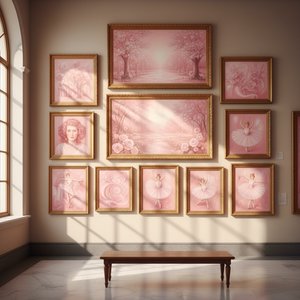
Blush & Brilliance: 10 Iconic Paintings Dominated by Light Pink Tones |
Explore 10 iconic paintings bathed in captivating light pink tones! From Monet's Impressionism to Renoir’s romance, discover the stories behind these blush-hued masterpieces. Find museum-quality art reproductions & decor inspiration at .
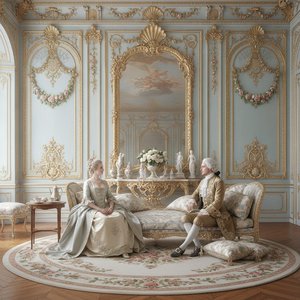
Rococo Art Guide: Elegance, Ornamentation, and the Era of Luxury
Explore the elegance of Rococo art. From Watteau to Fragonard, discover the history, aesthetics, and masters of 18th-century luxury in this expert guide for art lovers and collectors.

The Rococo Aesthetic: Opulence, Rebellion & the Pursuit of Pleasure in 18th-Century Art
Explore the opulent world of Rococo art! Discover its origins, key artists like Watteau & Boucher, and lasting influence on design. Expert insights for collectors & enthusiasts.