

 معاينة الحجم الواقعي
 إرسال
إرسال مشاركة
 عرض التفاصيل
 دليل الأعمال الفنية للطلاب

 تحميل
تحميل
 قطع مشابهة
 الأشعة السينية
 عرض شرائح متتابع
 الإحصائيات
Family Portrait
 Acrylic On Canvas
- WallArt
- Rococo
 1756
1756 244.0 x 195.0 cm
 المعرض الوطني للفنون
 اقرأ المزيد
طباعة جيلي / مطبوعات فنية
طباعة جيكلي أو كانفاس بجودة المتاحف، مع سرعة في التنفيذ وخيارات متنوعة للتشطيب. ( اطلب نسخة مرسومة يدويًا التحويل إلى الصورة الرقمية)




P118B $10

P118H $10

P118W $10

P438Z $10

P508JH $12

P508YH $12

P805H $10

P805Z $10

P919BZ $10

P919G $10

P919XJ $10

P959ZH $10

P968JZ $12

W106C $8

W218G $10

W218JH $8

W218Y $10

W307PJ $10

W316G $10

W316PJ $8

W316Y $10

W398PJ $8

W4111J $10

W500HY $15

W500JH $15

W692G $12

W849H $8

W940BG $15

W953PJ $8




اختر من بين أحجامنا المُعدّة مسبقاً والتي تتوافق مع النسب الأصلية للعمل الفني.

يمكنك إدخال أبعاد خاصة لتناسب إطاراً أو مساحة معينة. وفي حال عدم تطابق الحجم المختار مع نسب الصورة الأصلية، سنقوم إما بقص العمل الفني أو تمديد الصورة باستخدام حافة معكوسة أو لون مصمت. وسيتم إرسال نموذج تجريبي رقمي لاعتمادك قبل بدء عملية الإنتاج.
يرجى ملاحظة أن المعاينة على الشاشة لا تعكس عملية القص أو التمديد الفعلية؛ حيث سيوضح النموذج التجريبي فقط التكوين النهائي بدقة.
وعلى الرغم من توفر أحجام مخصصة، إلا أننا نوصي باختيار أبعاد من القائمة المحددة مسبقاً للحفاظ على النسب الأصلية.
توصيل عالمي إلى خلال أسبوعين بدلاً من المدة القياسية البالغة 4/5 أسابيع. (27 سبتمبر)

شحن سريع ومجاني لجميع أنحاء العالم

قماش كتان فاخر

تأمين شامل على الشحن

ضمان استرداد الرسوم الجمركية

ضمان دقة مطابقة الألوان

سياسة الإرجاع خلال 100 يوم (في حالات العيوب فقط)

ضمان استرداد نقدي بنسبة 100%

عرض خصم الكميات
 خيار الزجاج متاح فقط للمقاسات التي تقل عن 110 سم

Family Portrait
طباعة جيلي / مطبوعات فنية
مقاس النسخة المطبوعة
-


إجمالي السعر
$ 80
A Window into 18th Century Domesticity: François-Hubert Drouais’s “Family Portrait”
François-Hubert Drouais's "Family Portrait," painted in 1756, isn’t merely a depiction of a family; it’s a meticulously crafted tableau offering a rare glimpse into the refined domesticity of late 18th-century France. Executed with the delicate precision characteristic of the Rococo style, this painting transcends simple portraiture to become a study in social status, familial affection, and the subtle language of visual symbolism. The work, now housed within the National Gallery of Art’s collection, invites us to step back in time and observe a scene frozen in a moment of quiet intimacy – a world of powdered wigs, elegant gowns, and carefully orchestrated appearances.
Drouais, a prominent painter during his era, skillfully employed techniques honed through apprenticeships with masters like Boucher and Van Loo. His brushwork is remarkably smooth, creating an illusion of depth and texture that draws the viewer into the scene. The use of light – diffused and flattering – highlights the faces and clothing, emphasizing their beauty and status. Note particularly the subtle gradations in tone, achieved through layering thin glazes of paint, a hallmark of Drouais’s style. The composition itself is carefully balanced; the seated woman and child form a central focus, while the standing figure adds dynamism and a sense of movement to the otherwise static arrangement.
The Language of Gesture and Ornament
Beyond the technical mastery, “Family Portrait” reveals a wealth of information through its nuanced portrayal of gesture and detail. The seated woman’s hand gently resting on her child's head speaks volumes about maternal affection – a sentiment carefully conveyed without overt sentimentality. Observe how she turns slightly towards her child, creating a visual connection that anchors the scene. The man standing beside them offers a more formal pose, reflecting his role as patriarch and protector. The inclusion of the two other figures—a seated gentleman and a woman—further reinforces the family unit, subtly suggesting lineage and social connections.
The painting’s opulent setting is equally significant. The richly decorated walls, adorned with a clock and a book, speak to the family's wealth and education. The presence of two vases, filled with flowers, adds a touch of natural beauty and elegance – a common motif in Rococo art. These seemingly decorative elements are not merely embellishments; they contribute to the overall sense of refinement and prosperity that defines this particular household.
Symbolism and Social Context
“Family Portrait” is deeply rooted in the social conventions of its time. The arrangement of figures, the clothing styles, and even the objects within the scene all carry symbolic weight. The family’s attire—particularly the woman's gown—indicates her status and position within society. The presence of a clock suggests an awareness of time and the importance of maintaining appearances. Drouais was commissioned by members of the French aristocracy, and his paintings served as both personal mementos and symbols of social standing.
Further research reveals that this particular portrait was created during a period of significant artistic and political change in France. The reign of Louis XV was marked by lavish court life, intricate social rituals, and growing tensions between the monarchy and the aristocracy. Drouais’s work reflects these complexities, offering a glimpse into a world of privilege, formality, and carefully constructed identities. The provenance of the painting—from Wertheimer in London to Samuel Cunliffe-Lister at Swinton Park—indicates its journey through aristocratic collections over centuries.
A Timeless Appeal: Reproduction and Interior Design
Today, “Family Portrait” continues to resonate with viewers thanks to its timeless appeal. Its depiction of familial love, social grace, and the beauty of domestic life transcends historical boundaries. Reproductions offer a wonderful opportunity to bring this exquisite painting into your own home, adding a touch of elegance and sophistication to any space. Consider framing it in a classic style that complements its Rococo aesthetic – perhaps a simple gold frame or a more ornate baroque design.
The painting’s rich colors and intricate details make it an ideal choice for creating a warm and inviting atmosphere. Its subtle symbolism invites contemplation and adds depth to the visual experience. Whether you are an art enthusiast, a collector, or simply seeking inspiration for your interior design, “Family Portrait” by François-Hubert Drouais remains a captivating masterpiece of 18th-century French painting.
نبذة عن الفنان
توماس جينزبروه: رسام النور والحياة
كان توماس جينزبروه، الذي ولد في سادبري، سوفولك، في الرابع عشر من مايو عام 1727، شخصية محورية في تطور الفن البريطاني خلال أواخر القرن الثامن عشر. لقد أرست أعماله مدى الحياة—وهو مزيج آسر من البورتريه والمناظر الطبيعية—مكانته كأحد أكثر الرسامين تأثيراً في عصره، جنباً إلى جنب مع السير جوشوا رينولدز. لم يكتفِ جينزبروه بمجرد تصوير الموضوعات؛ بل سعى إلى التقاط جوهر الحياة الإنجليزية، مشبعاً بإحساس بالواقعية والتذوق لجمال العالم العابر من حوله. وتكشف مسيرته المهنية على خلفية التغير الاجتماعي والمنافسة الفنية، لتشكل في نهاية المطاف مسار الرسم البريطاني.سنواته المبكرة والتدريب
اتسمت سنوات جينزبروه الأولى بتعلم عملي (التدريب المهني) أكثر من كونه تدريباً أكاديمياً رسمياً. ففي الثالثة عشرة من عمره، أُرسل إلى لندن ليتعلم النقش على يد هيوبرت جرافيلوت، وهو فنان فرنسي تدرب على يد جان أنطوان واتو الشهير. أثبتت هذه التجربة أنها لا تقدر بثمن، حيث عرّضت جينزبروه لتقنيات الرسم والحفر – وهي مهارات ستغذي فيما بعد ضرباته الفرشات المميزة. وبعد فترة التدريب، عمل لفترة وجيزة كصائغ فضة قبل أن يكرس نفسه بالكامل للرسم. كانت لوحاته المبكرة في الغالب بتكليف من النبلاء المحليين في سوفولك، مما أكسبه سمعة في التقاط أوجه التشابه بواقعية خفية. ويتجلى تأثير عمل جرافيلوت في الأسلوب الأولي لجينزبروه – وهي جودة رقيقة، وشبه أثيرية، تنبأت بتطوره اللاحق.الصعود إلى الشهرة: باث ولندن
سعيًا وراء فرص واعتراف أكبر، انتقل جينزبروه إلى باث عام 1759. مثلت هذه الفترة تحولاً هاماً في تركيزه الفني. بدأ برسم بورتريهات للشخصيات البارزة – الكتاب والممثلين وأعضاء النخبة العصرية – مصوراً شخصياتهم ببصيرة ملحوظة. تطور أسلوبه خلال هذا الوقت، ليصبح أكثر مرونة وتعبيرية، عاكساً تأثيرات الروكوكو السائدة في المشهد الاجتماعي النابض بالحياة في باث. وأصبحت أهمية استخدام الضوء واللون متزايدة، مما خلق إحساساً بالجو العام والفورية. وحوالي عام 1768، تم انتخابه عضواً مؤسساً في الأكاديمية الملكية، وهو حدث رسّخ مكانته كفنان رائد. وبعد ذلك بوقت قصير، انتقل إلى لندن، واستقر في منزل شومبرغ على بال مول، حيث أسس مرسمه وواصل جذب الرعاة الأثرياء.سيد النور والمناظر الطبيعية
على الرغم من نجاحه كرسام للبورتريهات، حافظ جينزبروه على شغف عميق برسم المناظر الطبيعية. كان يعتقد أن الملاحظة الحقيقية للطبيعة ضرورية لفهم الحالة الإنسانية. وتتميز مناظره بحساسية ملحوظة تجاه الضوء والجو – حيث يلتقط التحولات الدقيقة في اللون والنبرة بمهارة استثنائية. وعلى عكس رينولدز، الذي غالباً ما دمج الزخارف الكلاسيكية في مناظره الطبيعية، استلهم جينزبروه من الأساتذة الهولندي والفلمنكي، وخاصة قدرتهم على تصوير التأثيرات الجوية. وتتسم أشهر أعماله في هذا المجال، مثل *النزهة الصباحية* (1789)، بإحساس بالسكينة والجمال، مقدمة لمحات عن الريف الإنجليزي المثالي. ولم تكن هذه اللوحات مجرد تمثيلات؛ بل كانت تأملات في قوة الطبيعة ورشاقتها.الإرث والأهمية التاريخية
توفي توماس جينزبروه في لندن في الثاني من أغسطس عام 1788، تاركاً وراءه مجموعة رائعة من الأعمال التي لا تزال تأسر الجماهير حتى يومنا هذا. إن تأثيره على الأجيال اللاحقة من الفنانين البريطانيين لا يمكن إنكاره. فقد ساعد في ترسيخ تقليد رسم المناظر الطبيعية كمسعى فني جاد وأثبت أهمية التقاط تعقيدات الحياة اليومية. ويُعجب بالبورتريهات لعمقها النفسي، وبالمناظر الطبيعية لجمالها الجوي. ومن الجدير بالذكر أن أعمال جينزبروه خضعت مؤخراً للتدقيق بسبب ارتباطها بتجارة الرقيق؛ حيث تصور العديد من البورتريهات التي كُلِّف برسمها أفراداً استفادوا من ثروة مستمدة من العبيد. وتضيف هذه الكشف طبقة معقدة إلى فهمنا لإرثه الفني، مما يحفز التأمل النقدي في الاعتبارات الأخلاقية ضمن تاريخ الفن ويتحدانا لفحص السياق التاريخي المحيط بهذه الأعمال. وعلى الرغم من هذا التعقيد، يظل جينزبروه شخصية شامخة في الفن البريطاني—رسام التقط روح عصره بمهارة وحساسية لا مثيل لهما.
فرانسوا هوبير دورويه
1727 - 1775 , فرنسا
لمحة سريعة
- Artistic Movement Or Style: المناظر الطبيعية، المناظر الطبيعية
- Artists Or Movements Influenced By This Artist: ['مدرسة المناظر الطبيعية الهولندية']
- Artists Who Influenced This Artist:
- هوبرت جرافيلوت
- جان أنطوان واتو
- Date Of Birth: 14 مايو 1727
- Date Of Death: 2 أغسطس 1788
- Full Name: توماس غينزبروه
- Nationality: بريطاني
- Notable Artworks:
- السيد والسيدة أندروز
- الفتى الأزرق
- نزهة صباحية
- Place Of Birth: سادبري، سوفولك، إنجلترا
مقالات ذات صلة

The Enduring Legacy of Formal Portraiture: Power, Identity & Artistic Exploration
Explore the rich history of formal portraiture & its enduring power to capture identity and shape perception. Discover investment-worthy artworks, expert appraisals, and custom reproduction services at OriginalUniqueArt.

Neo-Classicism's Greatest Hits: 10 Masterpieces for Your Home |
Journey through Neo-Classicism's finest! Explore 10 iconic masterpieces by David, Ingres & Canova. Discover art history, techniques & timeless beauty – perfect for inspiring your home decor. Find museum-quality reproductions at

The Enduring Legacy of Family Portraiture: A Historical & Artistic Exploration
Explore the rich history of family portraiture with OriginalUniqueArt. Discover artistic styles, symbolism & collecting insights. Commission a custom oil painting or appraise your existing artwork today!
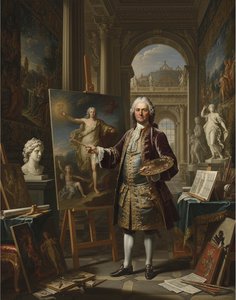
Charles Le Brun: Master of French Baroque Classicism & His Enduring Legacy
Explore the life & art of Charles Le Brun, master of French Baroque Classicism. Discover his royal commissions, influence on Versailles, and enduring legacy through detailed analysis & stunning artworks.
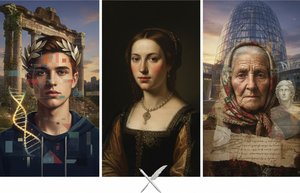
The Enduring Legacy of Classical Portraiture: Tradition, Innovation & Identity
Explore the rich history of classical portraiture with OriginalUniqueArt. Discover symbolism, techniques & enduring influence on art collecting. Expert appraisals & custom reproductions available.