
 معاينة الحجم الواقعي
 إرسال
إرسال مشاركة
 عرض التفاصيل
 دليل الأعمال الفنية للطلاب

 تحميل
تحميل
 قطع مشابهة
 الأشعة السينية
 عرض شرائح متتابع
 الإحصائيات
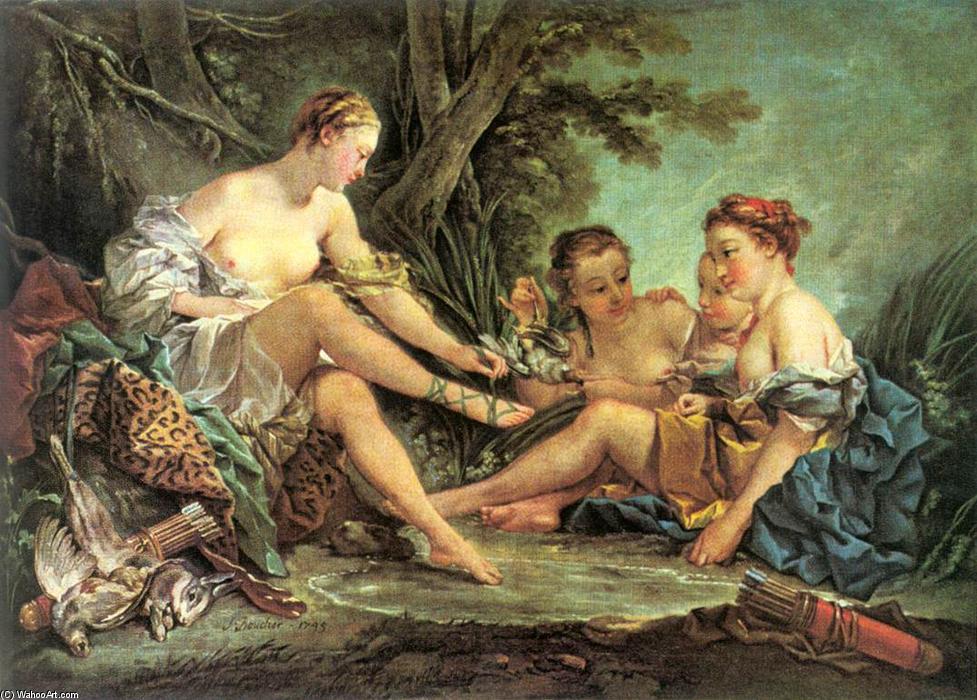
Diana after the Hunt
 Oil On Canvas
- WallArt
- Rococo Style
 37.0 x 52.0 cm
 Musée Cognacq-Jay
 اقرأ المزيد
طباعة جيلي / مطبوعات فنية
طباعة جيكلي أو كانفاس بجودة المتاحف، مع سرعة في التنفيذ وخيارات متنوعة للتشطيب. ( اطلب نسخة مرسومة يدويًا التحويل إلى الصورة الرقمية)




P118B E£10

P118H E£10

P118W E£10

P438Z E£10

P508JH E£12

P508YH E£12

P805H E£10

P805Z E£10

P919BZ E£10

P919G E£10

P919XJ E£10

P959ZH E£10

P968JZ E£12

W106C E£8

W218G E£10

W218JH E£8

W218Y E£10

W307PJ E£10

W316G E£10

W316PJ E£8

W316Y E£10

W398PJ E£8

W4111J E£10

W500HY E£15

W500JH E£15

W692G E£12

W849H E£8

W940BG E£15

W953PJ E£8




اختر من بين أحجامنا المُعدّة مسبقاً والتي تتوافق مع النسب الأصلية للعمل الفني.

أدخل العرض والارتفاع اللذين تحتاجهما، ليتناسب مع إطارك أو جدارك. يمكن قص المطبوعة فقط، ولا يمكن أبداً جعلها أكبر من الصورة الأصلية، لذا فإن أي مقاس بشكل مختلف سيؤدي إلى فقدان جزء من الصورة. سنرسل لك نموذجاً رقمياً تجريبياً لاعتماده قبل البدء في عملية الطباعة. الصورة المعروضة في هذه الصفحة لا توضح القص الفعلي — النموذج التجريبي فقط هو ما يظهر ذلك.
توصيل عالمي إلى خلال أسبوعين بدلاً من المدة القياسية البالغة 4/5 أسابيع. (23 أكتوبر)

شحن سريع ومجاني لجميع أنحاء العالم

قماش كتان فاخر

تأمين شامل على الشحن

ضمان استرداد الرسوم الجمركية

ضمان دقة مطابقة الألوان

سياسة الإرجاع خلال 100 يوم (في حالات العيوب فقط)

ضمان استرداد نقدي بنسبة 100%

عرض خصم الكميات
 خيار الزجاج متاح فقط للمقاسات التي تقل عن 110 سم

Diana after the Hunt
طباعة جيلي / مطبوعات فنية
مقاس النسخة المطبوعة
-


إجمالي السعر
E£ 4113
A Moment of Grace and Renewal: Exploring François Boucher’s “Diana After the Hunt”
François Boucher's "Diana After the Hunt," painted around 1745 and currently residing in the Musée Cognacq-Jay in Paris, is more than just a depiction of a woodland scene; it’s a shimmering embodiment of Rococo elegance, sensual grace, and the very spirit of the era. This oil on canvas work invites us into a world of delicate beauty, where the goddess Diana, mistress of the hunt, shares a tranquil moment with her companions after a day spent pursuing prey. Boucher masterfully captures not just the visual splendor but also an underlying sense of serenity and shared pleasure – a rare stillness within the vibrant dynamism of his style.
The painting immediately draws the eye to its foreground: three elegantly posed women seated upon the ground, engaged in conversation or perhaps simply enjoying the restorative effects of their day. Each figure is rendered with exquisite detail, showcasing Boucher’s remarkable skill in capturing texture and form. The woman on the left, adorned in a light blue garment embellished with delicate white flowers, exudes an air of quiet contemplation. Her counterpart in yellow and red embodies playful vivacity, while the third, clad in dark blue with gold accents, projects an aura of sophisticated reserve. These carefully chosen colors contribute significantly to the painting’s overall harmony and visual richness.
The Language of Rococo: Style, Technique, and Symbolism
“Diana After the Hunt” is a quintessential example of the Rococo style – a movement characterized by its emphasis on lightness, ornamentation, and sensuality. Boucher's brushwork is remarkably fluid and loose, creating an atmosphere of airy grace. He employs a technique known as *sfumato*, subtly blurring outlines and softening edges to achieve a dreamlike quality. The background landscape—a verdant forest punctuated by a meandering stream—is painted with meticulous attention to detail, yet retains a sense of idealized beauty. Notice the dappled sunlight filtering through the trees, adding depth and luminosity to the scene.
Symbolism plays a crucial role in understanding the painting’s deeper meaning. Diana, as the Roman goddess of the hunt, represents not just skill and prowess but also independence, fertility, and the wildness of nature. Her companions are often interpreted as nymphs or young women, symbolizing beauty, innocence, and the pleasures of leisure. The hunting implements scattered on the ground—arrows, bows, and quivers—serve as a reminder of Diana’s role as a hunter, yet they are presented in a context that prioritizes rest and companionship over active pursuit. The presence of water further reinforces this theme of renewal and tranquility.
A Window into 18th-Century France: Context and Legacy
To fully appreciate “Diana After the Hunt,” it’s essential to consider its historical context. Painted during the reign of Louis XV, the work reflects the opulent tastes and refined sensibilities of the French court. Boucher was a favored artist of Madame de Pompadour, the influential mistress of the king, who championed his talent and helped elevate him to prominence. His paintings were highly sought after by wealthy patrons and adorned the interiors of grand palaces throughout France.
Boucher’s influence on subsequent generations of artists is undeniable. He established a new standard for decorative painting, blending classical mythology with contemporary themes and embracing a distinctly sensual style. Works like “Diana After the Hunt” continue to captivate viewers today, offering a glimpse into a world of beauty, grace, and timeless elegance. Reproductions by OriginalUniqueArt.com allow you to bring this masterpiece into your own space, experiencing its charm and sophistication firsthand.
- Artist: François Boucher (1703-1770)
- Date: Unknown (circa 1745)
- Location: Musée Cognacq-Jay, Paris, France
- Medium: Oil on Canvas
الأسئلة والأجوبة
ما هو اتجاه لوحة "Diana after the Hunt" للفنان فرانسوا بوشيه؟
تُعد "Diana after the Hunt" للفنان فرانسوا بوشيه تكويناً Landscape. ويُنصح بمراجعة الأبعاد قبل اختيار حجم الطباعة.
كيف يمكنني اكتشاف أعمال فنية مشابهة لـ "Diana after the Hunt" للفنان فرانسوا بوشيه؟
توجد الأعمال المشابهة لـ "Diana after the Hunt" مدرجة في صفحة أعمال مشابهة الخاصة بالعمل الفني.
هل ألوان "Diana after the Hunt" للفنان فرانسوا بوشيه مشبعة أم خافتة؟
تتميز لوحة "Diana after the Hunt" للفنان فرانسوا بوشيه بدرجة تشبع تبلغ Balanced Soft.
نبذة عن الفنان
فرانسوا بوشر: حياة في قلب الروكوكو
يُعد فرانسوا بوشر (1703-1770) شخصية محورية في فن القرن الثامن عشر الفرنسي، ويشتهر بأنه أحد أشهر رسامي عصر الروكوكو. يجسد عمله الأناقة والإحساس والروح المرحة التي ميزت هذا النمط المؤثر. ولد بوشر في باريس عام 1703، وبدأ رحلته الفنية تحت إشراف والده، جان بوشر، وهو رسام أيضًا. سرعان ما لفت انتباه فرانسوا ليموين، مما أدى إلى فترة تدريب قصيرة ولكنها مؤثرة. ثم صقل مهاراته مع النقاش جان-فرانسوا كارس قبل أن يحقق معلمًا بارزًا: الفوز بالجائزة الكبرى في روما عام 1720.
النشأة والتطور الفني
أثبتت فترة بوشر في إيطاليا، بعد فوزه بالجائزة الكبرى، أنها حاسمة. عند عودته إلى فرنسا، تم قبوله في أكاديمية الملكية للرسم والنحت عام 1731. رسالة القبول الخاصة به، “رينالدو وأرميدا” (1734)، أثبتت على الفور أنه سيد أسلوب الروكوكو. شهدت هذه الفترة ظهور صوته الفني بالكامل، والذي يتميز بفرشاة دقيقة ولوحات ألوان باستيل والتركيز على الموضوعات الأسطورية والريفية. كان بوشر فنانًا متعدد الاستخدامات بشكل ملحوظ، حيث برع في مجالات مختلفة مثل الأساطير والصور الشخصية والمشاهد النوعية والفنون الزخرفية.
أعماله الرئيسية وسماتها
تنوع أعمال بوشر بشكل لافت، حيث شملت الأساطير والبورتريهات والمشاهد اليومية والفنون الزخرفية. من بين أشهر أعماله: “الإفطار” (1739)، وهو تصوير ساحر للحياة المنزلية يضم زوجته وأطفاله؛ وسلسلة “انتصار فينوس” (1740-1751)، التي تعرض براعة بوشر في سرد القصص الأسطورية. بالإضافة إلى ذلك، رسم بوشر العديد من صور شخصية لـ السيدة دي بومبادور، عشيقة الملك لويس الخامس عشر المؤثرة، مما عزز مكانته في البلاط الملكي. ولا يمكن إغفال لوحاته المناظر الطبيعية مثل “غروب الشمس”، التي تجسد رؤية شعرية وخلابة للطبيعة.
التأثير والإرث
امتد تأثير بوشر إلى ما هو أبعد من الرسم. صمم الأزياء والديكورات للمسرح، وأنشأ نسيجًا لورش عمل Beauvais، وتعاون مع مصنع Gobelins. عزز تعيينه كـ *Premier Peintre du Roi* في عام 1765 مكانته كأبرز فنان في الروكوكو الفرنسي. على الرغم من أن النقاد اللاحقين شككوا في السطحية المزعومة لفن الروكوكو، إلا أن تأثير بوشر على الأجيال اللاحقة لا يمكن إنكاره. أثر على فنانين مثل جان-أونوريه فراغونار وساهم بشكل كبير في تطوير الكلاسيكية الجديدة من خلال طلابه.
الأهمية التاريخية
يوفر عمل فرانسوا بوشر نافذة قيمة إلى أذواق وقيم المجتمع الفرنسي في القرن الثامن عشر. تعكس لوحاته ثقافة الطبقة الأرستقراطية في ذلك العصر، والتي تتميز بالفخامة والرقي والسعي وراء المتعة. يظل شخصية مهمة في تاريخ الفن، ويُحتفى به لمهاراته التقنية وابتكاره الفني ومساهمته الدائمة في أسلوب الروكوكو. كانت أعماله بمثابة مرآة تعكس روح العصر، حيث احتفل بالجمال والحب والترفيه، مما جعله أحد أبرز فناني القرن الثامن عشر وأكثرهم تأثيرًا.

فرانسوا بوشيه
1703 - 1770 , فرنسا
لمحة سريعة
- أعمال بارزة:
- رينالدو وأرميدا
- الإفطار
- السيدة بومبادور
- الاسم الكامل: فرانسوا بوشر
- الجنسية: فرنسي
- الحركة الفنية: الروكوكو
- الفنانون المؤثرون:
- فرانسوا ليموين
- جان فرانسوا كار
- الفنانون المتأثرون: ['جان هونوري فراغونار']
- تاريخ الميلاد: 29 سبتمبر 1703
- تاريخ الوفاة: 1770
- مكان الميلاد: باريس، فرنسا
مقالات ذات صلة
The Rococo Style: Aristocratic Leisure & the Pursuit of Delight in 18th-Century Art
Explore the opulent world of Rococo art! Discover Watteau, Boucher & Nattier's masterpieces. Expert insights for collectors seeking museum-quality reproductions and custom portraits at OriginalUniqueArt.

The Allure of Elegance in Art: A Historical & Aesthetic Exploration of Refinement & Grace
Explore the exquisite world of Rococo art! Discover its history, masters (Watteau, Boucher & more), and defining elegance. Expert insights for collectors seeking museum-quality reproductions & custom portraits.

The Rococo Aesthetic: Opulence, Rebellion & the Pursuit of Pleasure in 18th-Century Art
Explore the opulent world of Rococo art! Discover its origins, key artists like Watteau & Boucher, and lasting influence on design. Expert insights for collectors & enthusiasts.

أفضل 10 روائع تحدد حركة الروكوكو الفني: سحر وجماليات لا تُضاهى | OriginalUniqueArt
اكتشف روائع الروكوكو! استكشف 10 لوحات فنية خالدة تحدد هذا الطراز الفني الساحر. تعرف على الفنانين، الأساليب، وجماليات عصر الروكوكو. احصل على نسخ فنية عالية الجودة وديكورات منزلية مستوحاة من روائع تاريخية. استكشف المجموعة الكاملة على OriginalUniqueArt.com
François Boucher: Rococo Master of Myth, Sensuality, and the French Court
Explore the captivating world of François Boucher, master of Rococo painting! Discover his iconic works, aristocratic patronage, and lasting influence on French art history. Learn more at OriginalUniqueArt.