

 معاينة الحجم الواقعي
 إرسال
إرسال مشاركة
 عرض التفاصيل
 دليل الأعمال الفنية للطلاب

 تحميل
تحميل
 قطع مشابهة
 الأشعة السينية
 عرض شرائح متتابع
 الإحصائيات
Angelica and Medoro
 Acrylic On Canvas
- WallArt
- Rococo
 1763
1763 67.0 x 56.0 cm
 المتحف المتروبوليتاني للفنون
 اقرأ المزيد
طباعة جيلي / مطبوعات فنية
طباعة جيكلي أو كانفاس بجودة المتاحف، مع سرعة في التنفيذ وخيارات متنوعة للتشطيب. ( اطلب نسخة مرسومة يدويًا التحويل إلى الصورة الرقمية)




P118B $10

P118H $10

P118W $10

P438Z $10

P508JH $12

P508YH $12

P805H $10

P805Z $10

P919BZ $10

P919G $10

P919XJ $10

P959ZH $10

P968JZ $12

W106C $8

W218G $10

W218JH $8

W218Y $10

W307PJ $10

W316G $10

W316PJ $8

W316Y $10

W398PJ $8

W4111J $10

W500HY $15

W500JH $15

W692G $12

W849H $8

W940BG $15

W953PJ $8




اختر من بين أحجامنا المُعدّة مسبقاً والتي تتوافق مع النسب الأصلية للعمل الفني.

يمكنك إدخال أبعاد خاصة لتناسب إطاراً أو مساحة معينة. وفي حال عدم تطابق الحجم المختار مع نسب الصورة الأصلية، سنقوم إما بقص العمل الفني أو تمديد الصورة باستخدام حافة معكوسة أو لون مصمت. وسيتم إرسال نموذج تجريبي رقمي لاعتمادك قبل بدء عملية الإنتاج.
يرجى ملاحظة أن المعاينة على الشاشة لا تعكس عملية القص أو التمديد الفعلية؛ حيث سيوضح النموذج التجريبي فقط التكوين النهائي بدقة.
وعلى الرغم من توفر أحجام مخصصة، إلا أننا نوصي باختيار أبعاد من القائمة المحددة مسبقاً للحفاظ على النسب الأصلية.
توصيل عالمي إلى خلال أسبوعين بدلاً من المدة القياسية البالغة 4/5 أسابيع. (26 سبتمبر)

شحن سريع ومجاني لجميع أنحاء العالم

قماش كتان فاخر

تأمين شامل على الشحن

ضمان استرداد الرسوم الجمركية

ضمان دقة مطابقة الألوان

سياسة الإرجاع خلال 100 يوم (في حالات العيوب فقط)

ضمان استرداد نقدي بنسبة 100%

عرض خصم الكميات
 خيار الزجاج متاح فقط للمقاسات التي تقل عن 110 سم

Angelica and Medoro
طباعة جيلي / مطبوعات فنية
مقاس النسخة المطبوعة
-


إجمالي السعر
$ 80
A Vision of Love and Loss in Boucher’s Masterpiece
François Boucher's "Angelica and Medoro," painted in 1763, isn’t merely a depiction of a classical tale; it’s an immersion into the intoxicating world of Rococo – a realm where beauty, sensuality, and emotional depth intertwine. Based on Ludovico Ariosto’s epic poem *Orlando Furioso*, this painting transcends its literary origins to become a poignant meditation on love, betrayal, and the delicate balance between passion and sorrow. The scene captures a pivotal moment: Angelica, a pagan princess of extraordinary beauty, has abandoned her Christian suitor, Orlando, for Medoro, a North African Muslim warrior – a union that defied societal norms and ignited fierce conflict.
Boucher’s genius lies not just in his technical skill but in his ability to infuse the narrative with an almost palpable atmosphere. The composition is carefully orchestrated; Angelica, rendered in exquisite detail, lies gracefully on the ground, her pose suggesting both vulnerability and serene acceptance. Her pale skin contrasts sharply with the vibrant colors of the surrounding foliage – a deliberate choice that draws attention to her ethereal beauty. Medoro, kneeling beside her, embodies strength and devotion, his dark features offering a striking counterpoint to Angelica’s luminosity. The two children, rendered in softer tones, represent innocence and the potential for future generations amidst this turbulent love story.
The Language of Rococo: Color, Light, and Texture
As a quintessential example of Boucher's style, "Angelica and Medoro" is a testament to his mastery of color and light. He employs a technique known as *clair-obscur*, skillfully manipulating shadows and highlights to create a sense of depth and drama. The dappled sunlight filtering through the trees casts an enchanting glow upon the figures, enhancing their beauty and imbuing the scene with a dreamlike quality. Boucher’s use of pastel hues – delicate pinks, blues, and greens – contributes to the painting's overall atmosphere of romance and tranquility. The textures are equally captivating; from the smooth silk of Angelica’s gown to the rough bark of the trees, each element is rendered with meticulous detail, inviting the viewer to reach out and touch the scene.
Furthermore, Boucher’s background in engraving is evident in his precise rendering of foliage and drapery. The leaves are not simply painted; they appear almost sculpted, their veins and textures meticulously defined. This attention to detail elevates the painting beyond a mere illustration of a story, transforming it into a miniature masterpiece of artistic craftsmanship.
Symbolism and Historical Context
Beyond its immediate narrative, "Angelica and Medoro" is rich in symbolic meaning. The choice of Angelica and Medoro reflects the prevailing attitudes towards intercultural relationships during the 18th century – a period marked by both fascination and prejudice. Their union represents a challenge to established social hierarchies and religious boundaries. The presence of the angels flanking the scene adds another layer of interpretation, suggesting divine approval or perhaps a lament for the lost ideals of Christian love. The painting was created during a time when Rococo art was at its peak, characterized by an emphasis on pleasure, beauty, and aristocratic patronage. It’s important to note that Boucher's depiction deliberately avoids the more overtly dramatic portrayals of Orlando’s story found in other artistic representations; instead, he focuses on the intimate emotional landscape between Angelica and Medoro.
A Timeless Appeal: Beauty, Emotion, and Reproduction
“Angelica and Medoro” continues to resonate with audiences today because it captures a fundamental human experience – the complexities of love, loss, and desire. Boucher’s ability to evoke such powerful emotions through his masterful use of color, composition, and symbolism is truly remarkable. Reproductions of this iconic painting offer an opportunity to bring this exquisite work of art into any space, allowing viewers to appreciate its beauty and contemplate its enduring themes. Whether displayed in a grand salon or a cozy study, “Angelica and Medoro” remains a testament to the power of art to transport us to another time and place, inviting us to lose ourselves in its captivating world.
نبذة عن الفنان
فرانسوا بوشر: حياة في قلب الروكوكو
يُعد فرانسوا بوشر (1703-1770) شخصية محورية في فن القرن الثامن عشر الفرنسي، ويشتهر بأنه أحد أشهر رسامي عصر الروكوكو. يجسد عمله الأناقة والإحساس والروح المرحة التي ميزت هذا النمط المؤثر. ولد بوشر في باريس عام 1703، وبدأ رحلته الفنية تحت إشراف والده، جان بوشر، وهو رسام أيضًا. سرعان ما لفت انتباه فرانسوا ليموين، مما أدى إلى فترة تدريب قصيرة ولكنها مؤثرة. ثم صقل مهاراته مع النقاش جان-فرانسوا كارس قبل أن يحقق معلمًا بارزًا: الفوز بالجائزة الكبرى في روما عام 1720.
النشأة والتطور الفني
أثبتت فترة بوشر في إيطاليا، بعد فوزه بالجائزة الكبرى، أنها حاسمة. عند عودته إلى فرنسا، تم قبوله في أكاديمية الملكية للرسم والنحت عام 1731. رسالة القبول الخاصة به، “رينالدو وأرميدا” (1734)، أثبتت على الفور أنه سيد أسلوب الروكوكو. شهدت هذه الفترة ظهور صوته الفني بالكامل، والذي يتميز بفرشاة دقيقة ولوحات ألوان باستيل والتركيز على الموضوعات الأسطورية والريفية. كان بوشر فنانًا متعدد الاستخدامات بشكل ملحوظ، حيث برع في مجالات مختلفة مثل الأساطير والصور الشخصية والمشاهد النوعية والفنون الزخرفية.
أعماله الرئيسية وسماتها
تنوع أعمال بوشر بشكل لافت، حيث شملت الأساطير والبورتريهات والمشاهد اليومية والفنون الزخرفية. من بين أشهر أعماله: “الإفطار” (1739)، وهو تصوير ساحر للحياة المنزلية يضم زوجته وأطفاله؛ وسلسلة “انتصار فينوس” (1740-1751)، التي تعرض براعة بوشر في سرد القصص الأسطورية. بالإضافة إلى ذلك، رسم بوشر العديد من صور شخصية لـ السيدة دي بومبادور، عشيقة الملك لويس الخامس عشر المؤثرة، مما عزز مكانته في البلاط الملكي. ولا يمكن إغفال لوحاته المناظر الطبيعية مثل “غروب الشمس”، التي تجسد رؤية شعرية وخلابة للطبيعة.
التأثير والإرث
امتد تأثير بوشر إلى ما هو أبعد من الرسم. صمم الأزياء والديكورات للمسرح، وأنشأ نسيجًا لورش عمل Beauvais، وتعاون مع مصنع Gobelins. عزز تعيينه كـ *Premier Peintre du Roi* في عام 1765 مكانته كأبرز فنان في الروكوكو الفرنسي. على الرغم من أن النقاد اللاحقين شككوا في السطحية المزعومة لفن الروكوكو، إلا أن تأثير بوشر على الأجيال اللاحقة لا يمكن إنكاره. أثر على فنانين مثل جان-أونوريه فراغونار وساهم بشكل كبير في تطوير الكلاسيكية الجديدة من خلال طلابه.
الأهمية التاريخية
يوفر عمل فرانسوا بوشر نافذة قيمة إلى أذواق وقيم المجتمع الفرنسي في القرن الثامن عشر. تعكس لوحاته ثقافة الطبقة الأرستقراطية في ذلك العصر، والتي تتميز بالفخامة والرقي والسعي وراء المتعة. يظل شخصية مهمة في تاريخ الفن، ويُحتفى به لمهاراته التقنية وابتكاره الفني ومساهمته الدائمة في أسلوب الروكوكو. كانت أعماله بمثابة مرآة تعكس روح العصر، حيث احتفل بالجمال والحب والترفيه، مما جعله أحد أبرز فناني القرن الثامن عشر وأكثرهم تأثيرًا.

فرانسوا بوشيه
1703 - 1770 , فرنسا
لمحة سريعة
- أعمال بارزة:
- رينالدو وأرميدا
- الإفطار
- السيدة بومبادور
- الاسم الكامل: فرانسوا بوشر
- الجنسية: فرنسي
- الحركة الفنية: الروكوكو
- الفنانون المؤثرون:
- فرانسوا ليموين
- جان فرانسوا كار
- الفنانون المتأثرون: ['جان هونوري فراغونار']
- تاريخ الميلاد: 29 سبتمبر 1703
- تاريخ الوفاة: 1770
- مكان الميلاد: باريس، فرنسا
مقالات ذات صلة
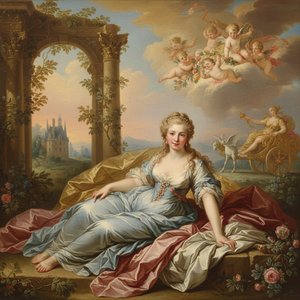
François Boucher: Rococo Master of Myth, Sensuality, and the French Court
Explore the captivating world of François Boucher, master of Rococo painting! Discover his iconic works, aristocratic patronage, and lasting influence on French art history. Learn more at OriginalUniqueArt.

The Rococo Aesthetic: Opulence, Rebellion & the Pursuit of Pleasure in 18th-Century Art
Explore the opulent world of Rococo art! Discover its origins, key artists like Watteau & Boucher, and lasting influence on design. Expert insights for collectors & enthusiasts.

أفضل 10 روائع تحدد حركة الروكوكو الفني: سحر وجماليات لا تُضاهى | OriginalUniqueArt
اكتشف روائع الروكوكو! استكشف 10 لوحات فنية خالدة تحدد هذا الطراز الفني الساحر. تعرف على الفنانين، الأساليب، وجماليات عصر الروكوكو. احصل على نسخ فنية عالية الجودة وديكورات منزلية مستوحاة من روائع تاريخية. استكشف المجموعة الكاملة على OriginalUniqueArt.com
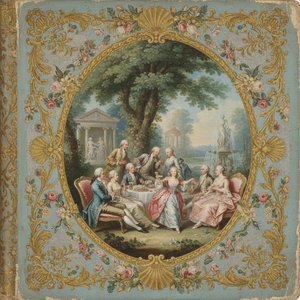
The Rococo Style: Aristocratic Leisure & the Pursuit of Delight in 18th-Century Art
Explore the opulent world of Rococo art! Discover Watteau, Boucher & Nattier's masterpieces. Expert insights for collectors seeking museum-quality reproductions and custom portraits at OriginalUniqueArt.

The Allure of Elegance in Art: A Historical & Aesthetic Exploration of Refinement & Grace
Explore the exquisite world of Rococo art! Discover its history, masters (Watteau, Boucher & more), and defining elegance. Expert insights for collectors seeking museum-quality reproductions & custom portraits.