

 إرسال
إرسال مشاركة
 عرض التفاصيل
 دليل الأعمال الفنية للطلاب

 تحميل
تحميل
 قطع مشابهة
 عرض شرائح متتابع
 الإحصائيات
Minotaur


 اقرأ المزيد
نسخة زيتية مصنوعة يدوياً
لوحة زيتية مرسومة يدوياً على الكانفاس بالمقاس والإطار الذي تفضله، تُنفذ حسب الطلب على أيدي فنانينا. ( التبديل إلى المطبوعات التحويل إلى الصورة الرقمية)




































اختر من بين أحجامنا المُعدّة مسبقاً والتي تتوافق مع النسب الأصلية للعمل الفني.

أدخل العرض والارتفاع اللذين تحتاجهما، ليتناسب العمل مع إطارك أو جدارك. وبما أن هذه اللوحة مرسومة يدوياً، ففي حال اختيار مقاس بشكل مختلف، يمكن للفنان رسم مساحة إضافية حول الصورة أو تقليصها قليلاً — الخيار لك. سنرسل لك نموذجاً رقمياً تجريبياً لاعتماده قبل البدء في الرسم. علماً بأن الصورة المعروضة في هذه الصفحة لا تعكس النتيجة النهائية الحقيقية — فالنموذج التجريبي هو الوحيد الذي يوضح ذلك بدقة.
بعد إتمام الطلب، سيرسل فريق OriginalUniqueArt.com بريداً إلكترونياً للعميل لطلب التعليمات وتزويده بمعاينة تجريبية (mockup).
توصيل عالمي إلى خلال 3 إلى 4 أسابيع بدلاً من المدة المعتادة البالغة 5 أسابيع. (22 أكتوبر). جودة لا تهاون فيها.

شحن سريع ومجاني لجميع أنحاء العالم

قماش كتان فاخر

تأمين شامل على الشحن

ضمان استرداد الرسوم الجمركية

ضمان دقة مطابقة الألوان

سياسة الإرجاع خلال 100 يوم (في حالات العيوب فقط)

ضمان استرداد نقدي بنسبة 100%

عرض خصم الكميات
 خيار الزجاج متاح فقط للمقاسات التي تقل عن 110 سم

Minotaur
وسيط إعادة الإنتاج
مقاس النسخة المطبوعة
-


إجمالي السعر
E£ 15425
A Moment Frozen in Stone: Exploring Rodin’s ‘Le Minotaure’
François Auguste René Rodin's “Le Minotaure” (Faune et nymphe), completed in 1886, stands as a testament to the sculptor’s mastery of form and his profound engagement with classical mythology. More than just a depiction of a monstrous beast wrestling with an ethereal nymph, this monumental plaster sculpture embodies themes of primal instinct versus serene beauty—a dichotomy that continues to resonate powerfully within the art world today.- Subject Matter: The sculpture portrays a bull (minotaure) engaged in combat with a nymph, representing Eros and Psyche. This pairing draws heavily from Greek mythology, specifically Euripides’ tragedy “Psyche,” where Eros rescues Psyche from servitude after she overcomes numerous trials to win his affection.
- Style: Rodin's approach aligns squarely within the Impressionist movement, albeit with a distinctly sculptural sensibility. Unlike traditional academic sculpture focused on idealized forms and precise anatomical detail, Rodin prioritizes capturing emotion and dynamism—the palpable tension between the bull’s brute force and the nymph’s delicate grace.
- Technique: Initially conceived as a plaster model for a larger bronze commission intended for Saint Petersburg, “Le Minotaure” exemplifies Rodin's innovative technique of modeling directly onto a rough stone slab. This method allowed him to achieve unparalleled textural complexity, capturing the roughness of the stone alongside the sculpted musculature and drapery of the figures. The resulting surface is deliberately uneven, mirroring the turbulent struggle unfolding before our eyes.
Historical Context: Rodin’s Engagement with Antiquity
Rodin's fascination with classical sculpture—particularly Michelangelo’s Pietà—fueled his artistic vision and informed his stylistic choices. He meticulously studied Roman sculptures, absorbing their principles of anatomical accuracy and expressive gesture. However, Rodin wasn’t merely replicating the past; he sought to reinterpret it through a modern lens, injecting psychological depth into figures traditionally rendered as static representations of heroic ideals. “Le Minotaure” embodies this ambition—a reimagining of mythic confrontation imbued with palpable emotion.Symbolism: The Clash of Opposites
The sculpture’s symbolism extends beyond the narrative of Eros and Psyche. The bull represents primal aggression, untamed instinct, and brute physicality – forces that threaten to overwhelm beauty and serenity. Conversely, the nymph embodies purity, grace, and vulnerability—a beacon of resilience against overwhelming odds. Their intertwined struggle symbolizes the inherent tension between opposing forces within human experience—the battle for balance between passion and reason, strength and tenderness.Emotional Impact: Capturing Raw Feeling
Rodin’s masterful execution achieves an extraordinary emotional impact. The sculptor skillfully conveys the visceral sensation of combat through subtle shifts in musculature and posture. The bull's gaze is intense, conveying determination and defiance, while the nymph’s expression reveals a mixture of apprehension and unwavering resolve. This depiction transcends mere representation; it invites viewers to contemplate the complexities of human emotion—the confrontation between desire and fear, vulnerability and fortitude—themes that continue to captivate audiences worldwide. “Le Minotaure” remains an enduring symbol of artistic innovation and its ability to evoke profound psychological responses.الأسئلة والأجوبة
هل يُعد "Minotaur" أحد أكثر أعمال أوغست رودان شهرة؟
مستوى الشهرة المسجل لـ "Minotaur" للفنان أوغست رودان هو Iconic.
من الذي يبيع نسخاً مرسومة يدوياً من "Minotaur" للفنان أوغست رودان؟
تتوفر نسخة "Minotaur" المرسومة يدوياً عبر نسخة زيتية مرسومة يدوياً على قماش الكتان. ويمكن تقديم الطلب من خلال صفحة نسخة زيتية مرسومة يدوياً، مع إمكانية اختيار أحجام مختلفة.
ما هو الشعور والعاطفة اللذان يعبر عنهما "Minotaur" للفنان أوغست رودان؟
في "Minotaur"، ترافقه أجواء Elegant مع إحساس Calm.
نبذة عن الفنان
The Sculptor of Souls: A Life Forged in Clay
François Auguste René Rodin, a name synonymous with modern sculpture, emerged from 19th-century France as a revolutionary force. Born in Paris on November 12, 1840, to modest beginnings, young Rodin’s path wasn't immediately destined for artistic greatness. He initially struggled to gain acceptance into the prestigious École des Beaux-Arts, facing rejection three times before ultimately finding his footing through practical training as a decorative stonemason. This early experience, however, proved invaluable, honing his technical skills and fostering an intimate understanding of form and material. It was a period of quiet apprenticeship, a necessary prelude to the seismic shifts he would later introduce into the world of sculpture. The seeds of his future innovation were sown not in academic halls but in the tangible reality of stone and clay. A profound personal loss – the death of his sister Marie – deeply affected him, leading to a brief contemplation of religious life before fully committing himself to art. This emotional depth would become a defining characteristic of his work, imbuing it with a raw, human quality rarely seen before.Breaking with Tradition: A New Language in Stone
Rodin’s artistic journey was marked by a deliberate departure from the prevailing academic standards of his time. While trained in classical techniques, he rejected the idealized forms and narrative rigidity that dominated sculpture. He sought instead to capture the fleeting nuances of human emotion, the weight of thought, and the complexities of the inner life. His early works, such as *The Age of Bronze* (1877), initially sparked controversy for their realism and lack of mythological or allegorical subject matter. Critics found his figures too naturalistic, too devoid of the polished perfection expected of sculpture. However, Rodin persevered, driven by an unwavering belief in his artistic vision. He began to explore fragmented forms, rough surfaces, and dynamic compositions that conveyed a sense of movement and psychological intensity. This innovative approach challenged conventional notions of beauty and paved the way for a new era in sculptural expression. His ability to model complex, turbulent surfaces in clay was unparalleled, allowing him to capture the play of light and shadow with remarkable sensitivity.Iconic Forms: The Thinker, The Kiss, and Beyond
Rodin’s legacy is cemented by a series of iconic sculptures that continue to resonate with audiences worldwide. *The Thinker* (1880-1882), originally conceived as part of *The Gates of Hell*, became an emblem of philosophical contemplation, its powerful form embodying the weight of human thought and existential questioning. *The Kiss* (1886-1898), a celebration of passionate love, is renowned for its sensual beauty and emotional intimacy. And *The Burghers of Calais* (1884-1895), a monumental tribute to courage and sacrifice, stands as a testament to Rodin’s ability to convey profound human drama through sculptural form. These works weren't merely representations of physical bodies; they were explorations of the human condition, imbued with psychological depth and emotional resonance. He didn’t shy away from portraying imperfection or suffering, recognizing that these qualities are integral to the human experience. His sculptures often featured unfinished surfaces, deliberately leaving traces of the artist’s hand as a testament to the creative process itself.A Lasting Influence: Rodin's Place in Art History
By the turn of the 20th century, Rodin had achieved international acclaim, becoming arguably the most celebrated sculptor of his time. His work profoundly influenced generations of artists, inspiring them to break free from traditional constraints and explore new avenues of artistic expression. He is widely considered a pivotal figure in the transition from 19th-century realism to modern sculpture. His emphasis on emotional intensity, psychological depth, and innovative use of form laid the groundwork for movements such as Expressionism and Cubism. Today, Rodin’s sculptures can be found in museums and collections around the globe, most notably at the Musée Rodin in Paris, a dedicated space showcasing his life's work. His influence extends beyond sculpture, impacting painting, literature, and even film.Exploring Further: Museums & Key Works
- Musée Rodin, Paris: A must-visit destination for anyone interested in experiencing the full breadth of Rodin’s artistic vision.
- National Gallery of Art, Washington D.C.: Houses a significant collection of Rodin's works, offering insights into his creative process.
- Cantor Arts Center at Stanford University: Features notable pieces like the bust of Albert-Ernest Carrier-Belleuse.
- Key Sculptures to Explore:
- *The Thinker* – A universal symbol of contemplation and intellect.
- *The Kiss* – An iconic representation of love and passion.
- *The Burghers of Calais* – A powerful depiction of sacrifice and courage.
- *Saint John the Baptist* - Demonstrates Rodin's ability to convey intense emotion through form.
- Small head of Jean de Fiennes with hand- An intimate study in portraiture, showcasing his mastery of detail.

أوغست رودان
1840 - 1917 , فرنسا
لمحة سريعة
- الأعمال البارزة:
- المفكر
- قبلة
- مواطنو كاليه
- الاسم الكامل: فرانسوا أوغست رينيه رودان
- الجنسية: فرنسي
- الحركة الفنية: النحت الحديث
- الفنانون المتأثرون: ['النحت الحديث']
- تاريخ الميلاد: 12 نوفمبر 1840
- تاريخ الوفاة: 17 نوفمبر 1917
- مكان الميلاد: باريس، فرنسا
مقالات ذات صلة

Bronze Age to Modern Masters: 10 Sculptures That Redefined Art | OriginalUniqueArt
Journey through art history with 10 legendary bronze sculptures – from Michelangelo's David to Rodin’s Thinker. Explore the stories, techniques & timeless beauty of these masterpieces. Find museum-quality reproductions & elevate your home decor on OriginalUniqueArt.com.

Bronze Sculptures That Defined Art History | OriginalUniqueArt
Journey through art history with our Top 10 bronze sculptures! Explore masterpieces by Rodin, Michelangelo & more. Discover stories behind iconic statues and find museum-quality reproductions for your home decor at OriginalUniqueArt.com.
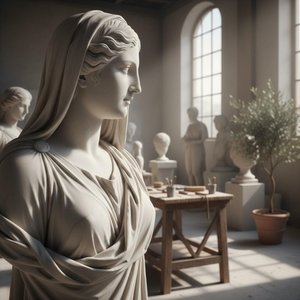
Timeless Elegance: A Complete Guide to the Sublime Beauty and Artistry of Marble Sculpture
Discover the sublime beauty of marble art through an expert exploration of Renaissance and Neoclassical masterpieces. From the delicate textures of Carpeaux to the grandeur of Sansovino, immerse yourself in a guide to timeless elegance and sculptural perfection.

The Enduring Form: Exploring Themes & Techniques in Sculpture Across Historical Periods
Explore the rich history of sculpture from ancient masterpieces to contemporary innovations. Discover key techniques, influential artists & investment potential for discerning art collectors.

The Enduring Allure of Marble in Art History: From Classical Sculpture to Modern Abstraction
Explore the captivating history of marble sculpture from ancient Greece to modern art. Discover renowned artists like Canova & Michelangelo, carving techniques, and investment insights at OriginalUniqueArt.