
 إرسال
إرسال مشاركة
 عرض التفاصيل
 دليل الأعمال الفنية للطلاب

 تحميل
تحميل
 قطع مشابهة
 عرض شرائح متتابع
 الإحصائيات
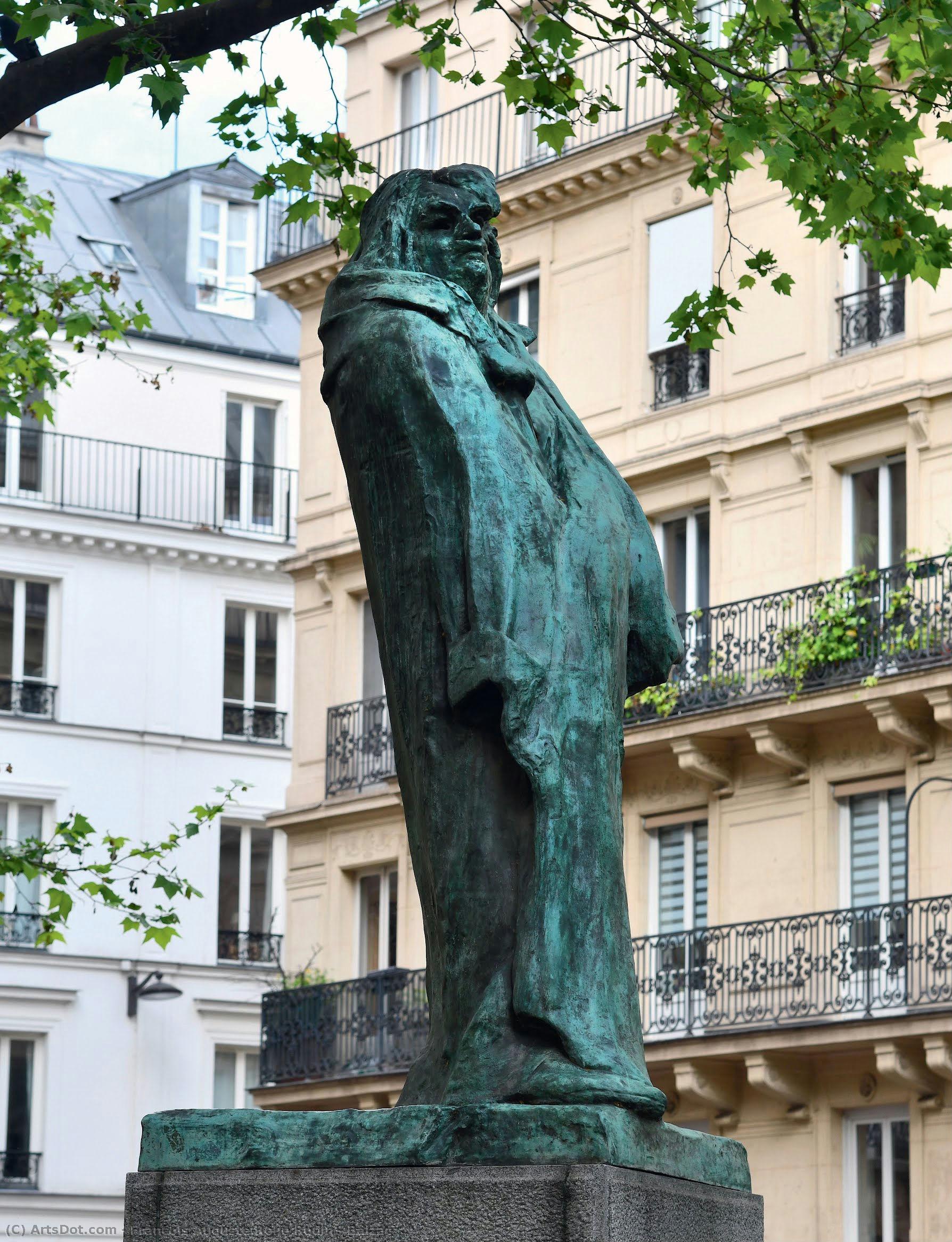
Balzac


 اقرأ المزيد
طباعة جيلي / مطبوعات فنية
طباعة جيكلي أو كانفاس بجودة المتاحف، مع سرعة في التنفيذ وخيارات متنوعة للتشطيب. ( اطلب نسخة مرسومة يدويًا التحويل إلى الصورة الرقمية)




































اختر من بين أحجامنا المُعدّة مسبقاً والتي تتوافق مع النسب الأصلية للعمل الفني.

أدخل العرض والارتفاع اللذين تحتاجهما، ليتناسب مع إطارك أو جدارك. يمكن قص المطبوعة فقط، ولا يمكن أبداً جعلها أكبر من الصورة الأصلية، لذا فإن أي مقاس بشكل مختلف سيؤدي إلى فقدان جزء من الصورة. سنرسل لك نموذجاً رقمياً تجريبياً لاعتماده قبل البدء في عملية الطباعة. الصورة المعروضة في هذه الصفحة لا توضح القص الفعلي — النموذج التجريبي فقط هو ما يظهر ذلك.
توصيل عالمي إلى خلال أسبوعين بدلاً من المدة القياسية البالغة 4/5 أسابيع. (25 أكتوبر)

شحن سريع ومجاني لجميع أنحاء العالم

قماش كتان فاخر

تأمين شامل على الشحن

ضمان استرداد الرسوم الجمركية

ضمان دقة مطابقة الألوان

سياسة الإرجاع خلال 100 يوم (في حالات العيوب فقط)

ضمان استرداد نقدي بنسبة 100%

عرض خصم الكميات
 خيار الزجاج متاح فقط للمقاسات التي تقل عن 110 سم

Balzac
طباعة جيلي / مطبوعات فنية
مقاس النسخة المطبوعة
-


إجمالي السعر
E£ 4140
The Soul in Bronze: Rodin's Revolutionary Vision
To encounter Auguste Rodin’s Balzac is to witness a moment of profound artistic rebellion captured in metal. This is not merely a portrait of the legendary French novelist Honoré de Balzac; it is an elemental force, a monumental achievement that redefined the boundaries of modern sculpture. When first exhibited in 1898, the work was met with such visceral shock and vitriol from the Parisian art establishment that critics famously likened it to a "block of salt" or a statue still wrapped in its packaging. Yet, beneath this rugged, seemingly unfinished exterior lies one of the most psychologically profound works of the nineteenth century. Rodin moved away from the polished, idealized neoclassicism of his era, choosing instead to capture the raw, internal energy of a creative genius at work.
The sculpture presents a figure that seems to emerge from the very substance of the earth. Rodin utilized a technique of simplification, stripping away superfluous anatomical details to focus on the sheer mass and presence of the subject. The heavy, enveloping drapery of Balzac’s dressing gown creates a monolithic silhouette, a textured landscape of bronze that suggests both weight and movement. This deliberate lack of fine detail serves a higher purpose: it directs the viewer's gaze toward the expressive power of the head, which appears to surge upward from the dark, shrouded body. It is a masterful study in contrast—the heavy, grounded base versus the luminous, intellectual vitality of the face.
A Monument to Intellectual Ferocity
The emotional resonance of Balzac lies in its ability to portray the internal struggle of the creative process. Rodin spent seven years obsessively studying various poses and studies to achieve this specific state of being. The subject is not depicted in a moment of repose, but rather in a state of intense mental absorption, lost within the sprawling universe of his Comédie Humaine. His gaze, directed toward a distant, unseen horizon, suggests a mind traversing the complexities of French society, from the streets of Paris to the deepest recesses of the human heart. For collectors and lovers of fine art, this piece offers more than just aesthetic beauty; it offers a window into the very essence of genius and the solitude of creation.
For those looking to integrate such a powerful statement into a curated space, a high-quality reproduction of this masterpiece brings an unparalleled sense of gravitas. Whether placed in a sunlit study or a sophisticated gallery setting, the textured bronze tones and commanding presence of Balzac serve as a focal point that invites contemplation. It is a work that transcends time, bridging the gap between the historical weight of the nineteenth century and the bold, expressive spirit of modernism. To possess a reproduction of this sculpture is to hold a piece of art history that continues to challenge, inspire, and move the soul.
الأسئلة والأجوبة
هل يُعرف أوغست رودان، مبدع "Balzac"، بأسماء أخرى؟
يظهر أوغست رودان تحت أسماء بديلة هي فرانسوا أوغست رينيه رودان, رودان, François Auguste René Rodin.
أين يمكنني العثور على دليل لـ "Balzac"؟
يُعد دليل "Balzac" هو صفحة دليل تعليمي الخاصة بالعمل الفني - وهي ورقة حقائق قابلة للطباعة تعرض العمل الفني مع شرحه، وسطر الائتمان، وجدول البيانات التعريفية (الفنان، التواريخ، الوسيط، الحجم الأصلي، والمجموعة).
هل ألوان "Balzac" للفنان أوغست رودان مشبعة أم خافتة؟
تتميز لوحة "Balzac" للفنان أوغست رودان بدرجة تشبع تبلغ Muted.
نبذة عن الفنان
The Sculptor of Souls: A Life Forged in Clay
François Auguste René Rodin, a name synonymous with modern sculpture, emerged from 19th-century France as a revolutionary force. Born in Paris on November 12, 1840, to modest beginnings, young Rodin’s path wasn't immediately destined for artistic greatness. He initially struggled to gain acceptance into the prestigious École des Beaux-Arts, facing rejection three times before ultimately finding his footing through practical training as a decorative stonemason. This early experience, however, proved invaluable, honing his technical skills and fostering an intimate understanding of form and material. It was a period of quiet apprenticeship, a necessary prelude to the seismic shifts he would later introduce into the world of sculpture. The seeds of his future innovation were sown not in academic halls but in the tangible reality of stone and clay. A profound personal loss – the death of his sister Marie – deeply affected him, leading to a brief contemplation of religious life before fully committing himself to art. This emotional depth would become a defining characteristic of his work, imbuing it with a raw, human quality rarely seen before.Breaking with Tradition: A New Language in Stone
Rodin’s artistic journey was marked by a deliberate departure from the prevailing academic standards of his time. While trained in classical techniques, he rejected the idealized forms and narrative rigidity that dominated sculpture. He sought instead to capture the fleeting nuances of human emotion, the weight of thought, and the complexities of the inner life. His early works, such as *The Age of Bronze* (1877), initially sparked controversy for their realism and lack of mythological or allegorical subject matter. Critics found his figures too naturalistic, too devoid of the polished perfection expected of sculpture. However, Rodin persevered, driven by an unwavering belief in his artistic vision. He began to explore fragmented forms, rough surfaces, and dynamic compositions that conveyed a sense of movement and psychological intensity. This innovative approach challenged conventional notions of beauty and paved the way for a new era in sculptural expression. His ability to model complex, turbulent surfaces in clay was unparalleled, allowing him to capture the play of light and shadow with remarkable sensitivity.Iconic Forms: The Thinker, The Kiss, and Beyond
Rodin’s legacy is cemented by a series of iconic sculptures that continue to resonate with audiences worldwide. *The Thinker* (1880-1882), originally conceived as part of *The Gates of Hell*, became an emblem of philosophical contemplation, its powerful form embodying the weight of human thought and existential questioning. *The Kiss* (1886-1898), a celebration of passionate love, is renowned for its sensual beauty and emotional intimacy. And *The Burghers of Calais* (1884-1895), a monumental tribute to courage and sacrifice, stands as a testament to Rodin’s ability to convey profound human drama through sculptural form. These works weren't merely representations of physical bodies; they were explorations of the human condition, imbued with psychological depth and emotional resonance. He didn’t shy away from portraying imperfection or suffering, recognizing that these qualities are integral to the human experience. His sculptures often featured unfinished surfaces, deliberately leaving traces of the artist’s hand as a testament to the creative process itself.A Lasting Influence: Rodin's Place in Art History
By the turn of the 20th century, Rodin had achieved international acclaim, becoming arguably the most celebrated sculptor of his time. His work profoundly influenced generations of artists, inspiring them to break free from traditional constraints and explore new avenues of artistic expression. He is widely considered a pivotal figure in the transition from 19th-century realism to modern sculpture. His emphasis on emotional intensity, psychological depth, and innovative use of form laid the groundwork for movements such as Expressionism and Cubism. Today, Rodin’s sculptures can be found in museums and collections around the globe, most notably at the Musée Rodin in Paris, a dedicated space showcasing his life's work. His influence extends beyond sculpture, impacting painting, literature, and even film.Exploring Further: Museums & Key Works
- Musée Rodin, Paris: A must-visit destination for anyone interested in experiencing the full breadth of Rodin’s artistic vision.
- National Gallery of Art, Washington D.C.: Houses a significant collection of Rodin's works, offering insights into his creative process.
- Cantor Arts Center at Stanford University: Features notable pieces like the bust of Albert-Ernest Carrier-Belleuse.
- Key Sculptures to Explore:
- *The Thinker* – A universal symbol of contemplation and intellect.
- *The Kiss* – An iconic representation of love and passion.
- *The Burghers of Calais* – A powerful depiction of sacrifice and courage.
- *Saint John the Baptist* - Demonstrates Rodin's ability to convey intense emotion through form.
- Small head of Jean de Fiennes with hand- An intimate study in portraiture, showcasing his mastery of detail.

أوغست رودان
1840 - 1917 , فرنسا
لمحة سريعة
- الأعمال البارزة:
- المفكر
- قبلة
- مواطنو كاليه
- الاسم الكامل: فرانسوا أوغست رينيه رودان
- الجنسية: فرنسي
- الحركة الفنية: النحت الحديث
- الفنانون المتأثرون: ['النحت الحديث']
- تاريخ الميلاد: 12 نوفمبر 1840
- تاريخ الوفاة: 17 نوفمبر 1917
- مكان الميلاد: باريس، فرنسا
مقالات ذات صلة

The Enduring Legacy of Bronze: A Historical & Artistic Exploration for the Collector
Explore the rich history & enduring appeal of bronze sculpture with expert insights for collectors at OriginalUniqueArt. Learn about casting techniques, iconic artists, collecting tips & contemporary interpretations.

The Enduring Legacy of Bronze: History, Technique & Artistic Expression for the Collector
Explore the rich history & enduring appeal of bronze sculpture with expert insights for collectors at OriginalUniqueArt. Learn about casting techniques, iconic artists, and collecting tips.

The Enduring Legacy of Bronze Sculpture: Technique, Symbolism & Cultural Impact
Explore the rich history & enduring appeal of bronze sculpture with expert insights for collectors. Learn about casting techniques, iconic artists, collecting tips & contemporary interpretations at OriginalUniqueArt.

Bronze Sculptures That Defined Art History | OriginalUniqueArt
Journey through art history with our Top 10 bronze sculptures! Explore masterpieces by Rodin, Michelangelo & more. Discover stories behind iconic statues and find museum-quality reproductions for your home decor at OriginalUniqueArt.com.

Bronze Age to Modern Masters: 10 Sculptures That Redefined Art | OriginalUniqueArt
Journey through art history with 10 legendary bronze sculptures – from Michelangelo's David to Rodin’s Thinker. Explore the stories, techniques & timeless beauty of these masterpieces. Find museum-quality reproductions & elevate your home decor on OriginalUniqueArt.com.