معاينة الحجم الواقعي
 مشاركة
 مشاركة
 التفاصيل
 دليل
دليل

 تحميل الملف
 قطع مشابهة
 الأشعة السينية
 عرض شرائح
 الأسئلة والأجوبة
 الإحصائيات
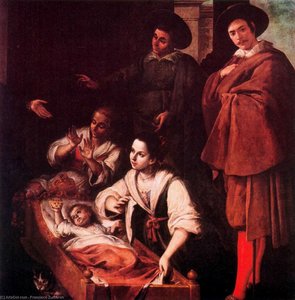
Saint Lucy

- 134.0 x 106.0 cm


 عرض المزيد
طباعة جيلي / مطبوعات فنية
طباعة جيكلي أو كانفاس بجودة المتاحف، مع سرعة في التنفيذ وخيارات متنوعة للتشطيب. ( شراء لوحة مرسومة يدويًا الانتقال إلى الصورة الرقمية)




P118B E£10

P118H E£10

P118W E£10

P438Z E£10

P508JH E£12

P508YH E£12

P805H E£10

P805Z E£10

P919BZ E£10

P919G E£10

P919XJ E£10

P959ZH E£10

P968JZ E£12

W106C E£8

W218G E£10

W218JH E£8

W218Y E£10

W307PJ E£10

W316G E£10

W316PJ E£8

W316Y E£10

W398PJ E£8

W4111J E£10

W500HY E£15

W500JH E£15

W692G E£12

W849H E£8

W940BG E£15

W953PJ E£8




اختر من بين أحجامنا المُعدّة مسبقاً والتي تتوافق مع النسب الأصلية للعمل الفني.

أدخل العرض والارتفاع المطلوبين ليتناسب المقاس مع إطارك أو جدارك. يرجى الملاحظة أن المطبوعة يمكن قصها فقط ولا يمكن تكبيرها لتتجاوز أبعاد الصورة الأصلية، لذا فإن اختيار مقاس بأبعاد مختلفة سيؤدي إلى فقدان جزء من الصورة. سنرسل لك نموذجاً رقمياً تجريبياً لاعتماده قبل البدء في عملية الطباعة. الصورة المعروضة في هذه الصفحة لا توضح شكل القص الفعلي — النموذج التجريبي فقط هو ما يظهر ذلك بدقة.
توصيل عالمي إلى خلال أسبوعين بدلاً من المدة القياسية البالغة 4/5 أسابيع. (9 نوفمبر)

شحن سريع ومجاني لجميع أنحاء العالم

قماش كتان عالي الجودة

تأمين شامل على الشحن

ضمان استرداد الرسوم الجمركية

ضمان مطابقة الألوان الحقيقية

سياسة الإرجاع خلال 100 يوم (في حالات العيوب فقط)

ضمان استرداد نقدي بنسبة 100%

خصم عند طلب كميات
 خيار الزجاج متاح فقط للمقاسات التي تقل عن 110 سم

Saint Lucy
طباعة جيلي / مطبوعات فنية
مقاس النسخة المطبوعة
-


إجمالي السعر النهائي
E£ 4243
A Portrait of Faith Illuminated: Exploring Francisco de Zurbarán’s Saint Lucy
Francisco de Zurbarán's “Saint Lucy,” completed around 1625/1630, stands as a testament to the Baroque mastery achieved in Seville during its golden age. More than just a depiction of a saint—Lucille—the painting transcends mere representation, delving into profound themes of piety, sacrifice, and spiritual contemplation. It’s a work that continues to captivate viewers centuries later due to Zurbarán's unparalleled ability to convey emotion through meticulous observation and masterful technique.
- Subject Matter: The portrait focuses on Saint Lucy, a Roman martyr venerated for her unwavering devotion to Christianity. She is portrayed from the hips upwards, emphasizing her dignity and serenity—a deliberate choice reflecting the Baroque ideal of idealized beauty within religious context.
- Style & Technique: Zurbarán’s signature style embodies the austere grandeur characteristic of Spanish Baroque art. He employs tenebrismo – dramatic chiaroscuro – skillfully manipulating light and shadow to sculpt the figure, creating an illusionistic depth that draws the eye inward. The stark contrast between illuminated flesh tones and enveloping darkness amplifies the saint's solemn presence and underscores her spiritual purity.
- Historical Context: Seville in the early 17th century was a vibrant center of artistic innovation, fueled by royal patronage and influenced by Italian Mannerism. Zurbarán’s work aligns perfectly with this period’s preoccupation with religious iconography and its desire to evoke profound emotional responses from the viewer. The painting reflects the broader cultural climate of Spain during the Counter-Reformation, where art served as a powerful tool for reaffirming Catholic faith.
Symbolism: Light, Sacrifice, and Divine Grace
The pervasive use of light is paramount to understanding “Saint Lucy.” It isn’t merely illumination; it's divine grace—a radiant glow emanating from above the saint’s head, symbolizing God’s benevolent presence. This haloed luminescence highlights her face, casting a soft shadow over the rest of her body and emphasizing her spiritual radiance. The inclusion of the pewter plate bearing two human eyes serves as a poignant reminder of Lucy’s martyrdom – she willingly endured torture to protect her faith and refused to renounce Christianity.
- The Plate with Eyes: Representing Lucy's unwavering gaze upon God, the plate symbolizes her steadfast devotion and willingness to endure suffering for righteousness.
- Palm Frond & Flowers: The palm frond signifies victory over death and resurrection—a visual allusion to Christ’s triumph over mortality—while the flowers adorning Lucy’s crown symbolize purity and divine grace.
A Masterpiece of Composition and Detail
Zurbarán's compositional choices contribute significantly to the painting’s impact. The vertical orientation draws the viewer’s eye upwards, mirroring Lucy’s gaze toward heaven. The careful positioning of her body—angled slightly to our right but facing towards us—creates a dynamic interplay between stillness and contemplation. Furthermore, Zurbarán’s meticulous attention to detail—from the texture of her dress to the subtle nuances of facial expression—elevates “Saint Lucy” beyond mere representation, transforming it into an emotionally resonant experience.
- Clothing Detail: The scarlet bodice and white sleeves exemplify Baroque fashion while simultaneously conveying a sense of nobility and spiritual refinement.
- Jewelry & Accessories: The gold brooch and pearl necklace symbolize wealth and piety—elements carefully integrated into the saint’s attire to reinforce her status as a holy figure.
“Saint Lucy” remains an enduring symbol of faith, resilience, and spiritual beauty. Its masterful technique, evocative symbolism, and profound emotional impact solidify Zurbarán's place among the greatest artists of his era—a timeless masterpiece that continues to inspire admiration and contemplation.
الأسئلة والأجوبة
من الذي أبدع "Saint Lucy" وفي أي عام؟
أبدع فرانسيسكو زرباران لوحة "Saint Lucy" في عام 1630.
إلى أي مرحلة من مسيرة فرانسيسكو زرباران المهنية تنتمي لوحة "Saint Lucy"، بالنظر إلى تاريخ إنتاجها؟
بما أنها تعود إلى عام 1630، فإن لوحة "Saint Lucy" تنتمي إلى Mature الخاص بـ فرانسيسكو زرباران.
ما هو اللون السائد في تكوين "Saint Lucy" للفنان فرانسيسكو زرباران؟
يبرز اللون Phthalo Green (#1f1a14) كأهم لون في لوحة "Saint Lucy" للفنان فرانسيسكو زرباران.
السيرة الذاتية للفنان
Early Life and Formation in Extremadura
تأسس فرانسيسكو دي زورباران، المولود في فوينتي دي كانتوس، إكزيمادورا، إسبانيا عام 1598، من منطقة غارقة في الإيمان الديني والفقر الريفي - صفات أضفت عمقًا إلى رؤيته الفنية. على الرغم من أن تفاصيل تعليمه المبكر لا تزال غير واضحة تمامًا، إلا أننا نعلم أنه بدأ تدريبهما مع الجوهرة دي إمينا البطلة قبل الانتقال إلى سيبيلا لدراسة الألونسو دي ناجيرا حيث استوعب أسلوب الباروك المتزايد، وهو تحول درامي من التقاليد الفنية الأكثر تحفظًا للأجيال السابقة. حتى في هذه السنوات الظهرية، ظهرت موهبة استثنائية لتصوير التفاصيل الواقعية وإضفاء العاطفة على موضوعاته، مما يشير إلى المسار الذي سيسلك به كفنان. أثر المناظر الطبيعية القاسية والجو الروحاني في إكزيمادورا على وعيه الذي فضّل البساطة والتواضع والانخراط العميق في الموضوعات اللاهوتية - سمات تحدد عمله الناضج.
The Seville Period: Establishing a Singular Style
في عام 1614، أقام زورباران نفسه في سيبيلا، مركز ثقافي نابض بالحياة وبوابة إسبانيا لمجتمعهما الاستعماري الواسع، وسرعان ما حقق مكانة بارزة، وأسس ورشة عمل ناجحة وجذب العديد من الطلبات، في الغالب لوحات دينية تهدف إلى الكنائس والأديار والاستخدام الروحي الخاص. شهد هذا العصر ازدهار أسلوبه المميز - مزيج مقنع بين الواقعية القاسية والإيمان الشديد. كانت أعماله المبكرة تعرض إتقانًا مذهلاً لتنيبريسم، وهي تقنية استعارها من كارافاجيو استخدمت تباينًا دراميًا بين الضوء والظل لإنشاء شعور بالدراما وتسليط الضوء على الإثارة العاطفية لموضوعاته. لم يكن مجرد نسخ ما رآه؛ بل كان يسعى للكشف عن حقيقة داخلية، وحضور روحي عميق في كل شخصية. لم تكن لوحاته تمثل القديسين أو المشاهدات الكتابية فحسب؛ بل كانت دعوة للتأمل، مصممة لإثارة استجابة جسدية لدى المشاهد. أثر المدارس الفنية الأسبانية المبكرة مثل خوان سانشيز كوتان، المعروف بتصويراته البسيطة والواقعية الدقيقة، على عمل زورباران في السنوات الأولى، وكذلك التقاليد النحتية السائدة في سيبيلا في ذلك الوقت.
Master of Tenebrism and Religious Devotion
تكمن براعة زورباران الفنية في قدرته على تحويل القصص اللاهوتية إلى تجارب بصرية مؤثرة للغاية. أصبح مشهورًا بتصويراته للمونكي والراهبات والمقدسين - الشخصيات غالبًا ما يتم تصويرها في لحظات من التأمل العميق أو المعاناة، وتجسد الإيمان والتواضع والروحانية العميقة. كانت لوحاته *الصلبة غير المسببة للأذية* مثالًا على إتقانه لتنيبريسم؛ تم تصوير المونك بالكامل في ضوء أثيري ضد خلفية مظلمة، مما ينقل البراءة والكرامة الإلهية. وبالمثل، كانت لوحة *أغناس دي إيه* التي الآن جزء من مجموعة المتاحف الكبير في نيويورك صورة مؤثرة للمسيح كالغنم الشاهد، وتشع به هالة من التواضع والتضحية. لم يتردد زورباران في تصوير الحقائق الجسدية للإيمان - القسوة الحيوية للرهبنة، والألم الذي يسبق الشهادة - لكنه دائمًا ما أضفى على هذه المشاهد شعورًا بالاحترام والقداسة الروحانية. لم يكن مجرد تمثيل القديسين أو المشاهدات الكتابية فحسب؛ بل كانت دعوة للتأمل، مصممة لإثارة استجابة جسدية لدى المشاهد.
Royal Patronage and Lasting Legacy
في حوالي عام 1630، حقق زورباران إنجازًا مهنيًا كبيرًا عندما أصبح رسامًا للملك فيليب الرابع، مما أدى إلى الاعتراف المتزايد والوصول إلى طلبات ملكية، مما عزز مكانته كواحد من أبرز الفنانين الإسبانيين. ومع ذلك، على الرغم من هذا النجاح، تضاءل شعبيته بعض الشيء لاحقًا مع صعود الأذواق الفنية المختلفة، كما أن المشاكل الاقتصادية التي واجهت إسبانيا في منتصف القرن السابع عشر أثرت على قدرته على تأمين مشاريع كبيرة النطاق. ومع ذلك، استمر زورباران في العمل بعناية، وتكيف أسلوبه واستكشف موضوعات جديدة، وأثر على الفنانين الإسبانيين لعدة أجيال، حيث كان إتقانه لتنيبريسم وتأكيد تركيزه على الموضوعات اللاهوتية بمثابة مصدر إلهام للعديد من الفنانين، وحقق مكانة زورباران كواحد من أهم الرسامين الباروك الإسبانيين - فنان لم يغب عن الأذهان لعدة قرون.
- Notable Works: الصلب غير المسبب للأذية (c. 1635)، أغناس دي إيه (c. 1640)، الصلبة غير المسببة للأذية، القديس فرانسيس استقبالًا للصلب، اللوحات التي رسمها الراهب الكارثوني
- Historical Significance: أثر زورباران على الفن الباروك الإسباني بشكل لا يقاوم؛ كان إتقانه لتنيبريسم وتأكيد تركيزه على الموضوعات اللاهوتية بمثابة مصدر إلهام للعديد من الفنانين، وحقق مكانة زورباران كواحد من أهم الرسامين الباروك الإسبانيين - فنان لم يغب عن الأذهان لعدة قرون.

فرانسيسكو زرباران
1598 - 1664 , إسبانيا
حقائق سريعة
- Artistic Movement Or Style: باروك، تينبريسم
- Artists Who Influenced This Artist: ['خوان Sánchez كوتان']
- Date Of Birth: 7 نوفمبر 1598
- Date Of Death: 27 أغسطس 1664
- Full Name: Francisco de Zurbarán
- Nationality: إسبانية
- Notable Artworks: ['الإمتاع القديسة"، "أغنوس دي إي"، "القديس فرانسيس استقبال العلامة']
- Place Of Birth: Fuente دي كantos، إسبانيا
مقالات ذات صلة

Francisco de Zurbarán: Mysticism, Realism & the Golden Age of Spanish Painting
Explore the captivating world of Francisco de Zurbarán, a master of Spanish Baroque painting. Discover his dramatic tenebrism, religious masterpieces like 'La Porciúncula,' and lasting influence on art history.
The Dramatic Flourish: Exploring Themes of Power, Faith & Emotion in Baroque Artworks
Explore the dramatic world of Baroque art! Discover masters like Zurbarán & the powerful influence of religious zeal on painting techniques. Expert insights for collectors and enthusiasts.

أفضل 25 لوحة لفنانٍ عبقري: جوايا يلامس الروح بالفن والتاريخ
اكتشف 25 تحفة فنية لفنان العبقري جوايا! رحلة في عالم لوحاته المؤثرة، من الرومانسية إلى الواقعية. احصل على نسخ عالية الجودة لديكور منزلك الفاخر على OriginalUniqueArt.com

The Dramatic Flourish: Exploring the Baroque Movement's Enduring Legacy in Art History
Explore the dramatic world of Baroque art! Discover iconic artists like Caravaggio & Rubens, defining techniques, and its lasting impact on art history. Expert insights for collectors & enthusiasts at OriginalUniqueArt.
The Golden Age Reforged: Dramatic Realism & Religious Zeal in Spanish Baroque Art
Explore the dramatic world of Spanish Baroque art! Discover masters like Zurbarán & the powerful influence of religious zeal on painting techniques – a guide for collectors and enthusiasts.