

 معاينة الحجم الواقعي
 إرسال
إرسال مشاركة
 عرض التفاصيل
 دليل الأعمال الفنية للطلاب

 تحميل
تحميل
 قطع مشابهة
 الأشعة السينية
 عرض شرائح متتابع
 الإحصائيات
The Prophet Baruch
 Oil On Canvas
- WallArt
- Baroque
 1718
1718 205.0 x 265.0 cm
 Kunstpalast
 اقرأ المزيد
Get a print-ready file that goes far beyond the web preview. Every digital image we sell comes from a high-resolution master in our stock database — usually 5,000 to 15,000 pixels wide — so you can print large, crop tightly, or reproduce fine detail with confidence.
No file leaves our studio untouched. A digital expert checks the colors against the original painting and corrects them if needed, then improves clarity and detail with professional retouching tools — always staying faithful to the artist's brushwork and style. The result is an image that looks like the painting, not like a filtered scan.
You approve before you're done: our expert sends the image by e-mail within 72 hours for your review. Not satisfied? Ask for improvements or corrections, or request a refund if the quality falls short.
This is the quality relied on by publishers, design studios, galleries and print shops.
صورة رقمية
حمّل ملفاً عالي الدقة للعرض الشخصي، والطباعة، والمشاريع الإبداعية. ( التبديل إلى المطبوعات اطلب نسخة مرسومة يدويًا)
مزايا مُضمّنة مع كل طلب صورة رقمية
خدمة تسليم رقمي احترافية ومضمونة
عندما تختار OriginalUniqueArt.com، فأنت لا تحصل على مجرد صورة فحسب، بل ستحصل على عمل فني رقمي مُحسّن باحترافية، صُمم بدقة متناهية ومصحوب بضمان الرضا. إليك كل ما يتضمنه طلبك تلقائياً:

تسليم سريع عبر البريد الإلكتروني
ستصلك ملفات صورك الرقمية عالية الدقة عبر البريد الإلكتروني في غضون 72 ساعة من إتمام الطلب - لتكون جاهزة للاستخدام الفوري.

ملف رقمي مُعزز بالذكاء الاصطناعي
يتم تحسين عملك الفني باحترافية باستخدام أدوات الذكاء الاصطناعي المتقدمة والتحرير اليدوي، لضمان أقصى درجات التفاصيل والوضوح ودقة الألوان.

إعادة إرسال مجانية مدى الحياة
هل حذفت ملفك أو فقدته عن طريق الخطأ؟ لا تقلق - سنعيد إرساله إليك في أي وقت، مجاناً.

بدون رسوم استيراد - على الإطلاق
استمتع بأعمالك الفنية فوراً دون أي رسوم جمركية أو ضرائب أو مصاريف شحن - فالتحميلات الرقمية دائماً ما تكون معفاة من الضرائب.

ضمان دقة الألوان
نضمن لك دقة انعكاس الألوان الأصلية في صورتك الرقمية بأقصى قدر ممكن، وذلك باستخدام أدوات احترافية وتقنيات متطورة لإدارة الألوان.

ضمان الرضا لمدة 100 يوم
إذا لم تكن راضياً عن صورتك الرقمية، فسنقوم بتعديلها أو استرداد 100% من قيمتها خلال 100 يوم - دون طرح أي أسئلة.

ضمان استعادة الأموال بنسبة 100%
لم تكن راضياً؟ استرد كامل المبلغ خلال 100 يوم من استلام ملفك الرقمي - دون طرح أي أسئلة.

خصومات الطلبات الكبيرة
اشتري 3 صور، ووفر 10% - اشتري 5، ووفر 15% - اشتري +10، ووفر 20%. مثالية للمشاريع الإبداعية، والمعارض، والوكالات.
A Moment Suspended in Contemplation
The painting, titled The Prophet Baruch, immediately draws the viewer into an atmosphere of profound stillness. We encounter a figure seated upon the ground, his posture speaking volumes without uttering a single word. With his head bowed into his hands, he embodies a moment of deep introspection or perhaps prayer. The subject is rendered with such palpable humanity that one feels they are witnessing a private communion between man and thought. He is clad in simple robes, and his long hair seems to cascade around him like a natural curtain, framing the quiet drama unfolding within this sacred space.
Mastery of Earth Tones and Texture
Technically, the work showcases an exquisite handling of paint that speaks to the skill of its creator. The artist has employed a palette dominated by rich earth tones—ochres, deep siennas, and warm browns—which combine to create an atmosphere that is both inviting and deeply meditative. Upon closer inspection, one can appreciate the intricate brushwork; it lends the entire surface a beautiful, textured quality, suggesting the passage of time and the weight of contemplation itself. The contrast between the soft folds of the drapery and the solidity of the table upon which his arm rests adds a wonderful tactile dimension to the visual experience.
Symbolism of Study and Reflection
The inclusion of the book in one hand, juxtaposed with the gesture of repose, suggests a profound engagement with sacred or scholarly texts. This is not merely a portrait; it is an allegory of wisdom sought through quietude. The Prophet Baruch becomes a universal symbol for the intellectual journey—the necessary retreat from the clamor of the world to find clarity within one's own mind. For the collector, this piece offers more than mere decoration; it offers a visual anchor for moments of personal reflection.
Historical Echoes and Enduring Appeal
Dating to 1718, this work carries the weight of the early eighteenth century, yet its themes transcend any specific era. While the artist's style connects it to grand traditions of religious and portraiture painting, its emotional resonance feels timeless. For those designing a space—be it a library, a study, or a quiet corner in a drawing-room—this reproduction serves as an immediate focal point. It whispers tales of devotion and deep thought, transforming any room into a sanctuary for the mind.
الأسئلة والأجوبة
إلى أي مرحلة من مراحل تطور فرانشيسكو تريفيزاني ينتمي العمل "The Prophet Baruch"؟
"The Prophet Baruch" represents the Baroque of فرانشيسكو تريفيزاني.
ما هو اللون السائد في "The Prophet Baruch" للفنان فرانشيسكو تريفيزاني؟
اللون السائد في "The Prophet Baruch" للفنان فرانشيسكو تريفيزاني هو Putty (#e0bba1).
كيف يرتبط موضوع "The Prophet Baruch" بالمواضيع المعتادة لدى فرانشيسكو تريفيزاني؟
يصور "The Prophet Baruch" موضوعات religious figure, contemplation art, baroque portrait, human emotion, classical subject, earth tones palette, 18th-century theme، بينما تتمثل الثيمات المسجلة لـ فرانشيسكو تريفيزاني في baroque influence, religious contemplation, human emotion focus, 18th-century italy, prophetic narrative, trevisani's mastery, classical subject matter, moral allegory themes. وتُظهر المقارنة بينهما مدى ارتباط هذا العمل بالموضوعات المعتادة للفنان.
سيرة الفنان
The Grace of the Barochetto
Francesco Trevisani stands as a luminous figure in the transition between the dramatic intensity of the late Baroque and the emerging elegance of the early Rococo, a period often referred to as barochetto. Born in Capodistria, Istria, his artistic journey was shaped by the rich traditions of both Venice and Rome. As the son of an architect, he first learned the fundamental principles of design through the guidance of his father, Antonio Trevisani. This early foundation in structure and composition would later allow him to master the complex, theatrical arrangements that define his most celebrated works.
His training was deeply rooted in the masters of his era, studying under figures such as Antonio Zanchi and Joseph Heintz the Younger. These influences provided him with a technical vocabulary that blended vigorous movement with a refined sensibility. As he moved through the artistic hubs of Venice and Rome, Trevisani developed a style that could capture both the profound sorrow of religious martyrdom and the tender, celestial grace of divine encounters. His ability to navigate these emotional extremes made him a sought-after painter for significant ecclesiastical and private commissions.
Mastery of Emotion and Light
The works of Trevisani are characterized by an unflinching commitment to emotional depth and a breathtaking use of light. In his religious compositions, the boundaries between the earthly and the divine often seem to dissolve. One can observe this in his depictions of sacred scenes, where the heavy, sacred silence of a moment is palpable. Whether portraying the lifeless body of Christ being borne by angels or the poignant devotion of saints, Trevis andani utilized a palette and brushwork that emphasized the spiritual fervor of the age.
His technical prowess is particularly evident in his ability to render texture and atmosphere. In works such as The Martyrdom of the Seven Sons of Saint Felicity, he weaves together complex narratives involving Roman emperors, pagan statues, and celestial messengers. Through meticulous detail, he directs the viewer's eye across the canvas, using light to highlight the agony of the martyrs and the hope offered by heavenly crowns. This mastery of narrative painting allowed him to create works that were not merely decorative but served as profound instruments of devotion.
Legacy and Artistic Significance
Throughout his long career, Trevisani’s influence was felt deeply within the Roman art scene, particularly through his connection to influential patrons like Cardinal Ottoboni. His masterpiece, the frescoes in San Silvestro in Capite, serves as a testament to his ability to transform architectural spaces with grand, sweeping narratives. His style, heavily influenced by Carlo Maratta, helped define the aesthetic of the late Baroque, bridging the gap between the heavy shadows of the previous century and the lighter, more airy compositions of the coming Rococo era.
The historical significance of Francesco Trevisani lies in his role as a bridge between eras. He maintained the grandeur and dramatic tension required by the Counter-Reformation while introducing a sweetness and grace that anticipated the next movement in European art. His ability to balance the monumental with the intimate ensures that his paintings remain powerful windows into the spiritual and artistic soul of the early eighteenth century.
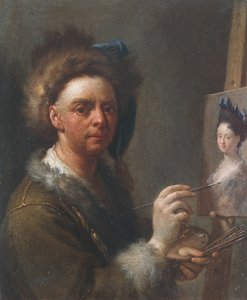
فرانشيسكو تريفيزاني
1656 - 1746 , إيطاليا