
 معاينة الحجم الحقيقي
 مشاركة
 مشاركة
 التفاصيل

 تحميل الملف
 قطع مشابهة
 الأشعة السينية
 عرض شرائح
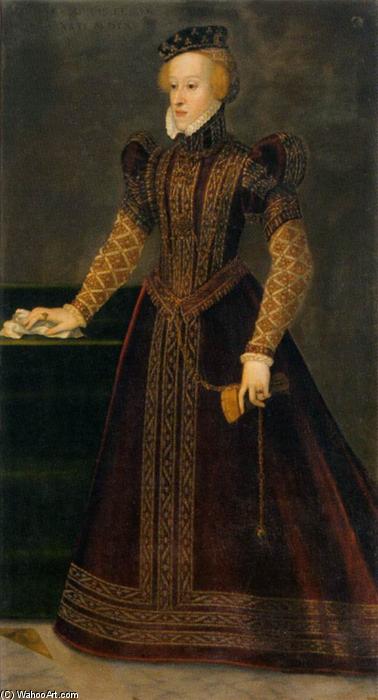
Archduchess Barbara


 عرض المزيد
نسخة زيتية مصنوعة يدوياً
لوحة زيتية مرسومة يدوياً على الكانفاس بالمقاس والإطار الذي تفضله، تُنفذ حسب الطلب على أيدي فنانينا. ( اشترِ نسخة مطبوعة اشترِ الصورة)




































اختر من بين أحجامنا المُعدّة مسبقًا والتي تتطابق مع النسب الأصلية للعمل الفني.

يمكنك إدخال أبعادك الخاصة لتناسب إطارًا معينًا أو مساحة محددة. وإذا لم يتطابق الحجم الذي اخترته مع نسب الصورة الأصلية، فسنقوم إما بقص العمل الفني أو توسيع اللوحة بإضافة عناصر مرسومة يدويًا. سيتم إرسال نموذج رقمي إليك للموافقة عليه قبل بدء الإنتاج.
يرجى ملاحظة أن المعاينة على الشاشة لا تعكس عملية القص أو التوسيع الفعلية؛ حيث إن النموذج الرقمي وحده هو الذي سيوضح التكوين النهائي بدقة.
وعلى الرغم من توفر أحجام مخصصة، إلا أننا نوصي باختيار أبعاد من القائمة المحددة مسبقًا للحفاظ على النسب الأصلية للعمل الفني.
بعد إتمام الطلب، سيرسل فريق OriginalUniqueArt.com بريداً إلكترونياً للعميل لطلب التعليمات وتزويده بمعاينة تجريبية (mockup).
توصيل عالمي إلى خلال 3 إلى 4 أسابيع بدلاً من المدة المعتادة البالغة 5 أسابيع. (13 أغسطس). جودة لا تهاون فيها.

شحن سريع ومجاني لجميع أنحاء العالم

قماش كتان عالي الجودة

تأمين شحن شامل

ضمان استرداد الرسوم الجمركية

ضمان مطابقة الألوان الحقيقية

سياسة الإرجاع خلال 60 يومًا (في حالات العيوب فقط)

ضمان استرداد نقدي بنسبة 100%

خصم عند طلب عدة قطع
 خيار الزجاج متاح فقط للمقاسات التي تقل عن 110 سم

Archduchess Barbara
خامة إعادة الإنتاج
مقاس النسخة المطبوعة
-


السعر الإجمالي النهائي
$ 300
السيرة الذاتية للفنان
The Renaissance Vision of Francesco Terzio
Francesco Terzio, a name that echoes through the corridors of the Italian Renaissance, remains one of the most compelling figures of an era defined by the tension between classical tradition and the expressive liberties of Mannerism. Born in the vibrant city of Bergamo around 1523, Terzio emerged from a cultural landscape steeped in humanist intellect and profound artistic patronage. His early life was shaped by the rigorous training he received under the master Giovanni Battista Moroni, a sculptor whose influence instilled in Terzio a lifelong devotion to anatomical precision and emotional resonance. This foundational period allowed him to develop a command of chiaroscuro that would later become a hallmark of his style, blending the sculptural weight of his mentor's teachings with a burgeoning interest in the fluid, often theatrical, aesthetics of the mid-16th century.
As Terzio’s reputation grew, so did the scale of his ambitions and the prestige of his patrons. His journey took him far beyond the borders of his native Italy, leading him into the heart of the Habsburg imperial courts. Around 1550, he entered the orbit of Emperor Charles V, a connection evidenced by his monogram appearing on a significant portrait of the Emperor. Following the passing of Charles V, Terzio’s career flourished in Austria, where he served as a distinguished court painter to the Emperor's sons, Maximilian II in Vienna and Archduke Ferdinand II in Innsbruck. This period of imperial service allowed him to engage with monumental projects that celebrated the very lineage of European power, most notably through his extensive work on frescoes at Schloss Ambras and his contribution to the Imagines Gentis Austriacae, a series of seventy-four engravings designed to illustrate the glorious history of the House of Habsburg.
A Synthesis of Style and Spirit
The artistry of Terzio is best understood as a sophisticated dialogue between realism and artifice. While his works often retain the grounded, palpable reality characteristic of the Renaissance—seen clearly in his early religious commissions such as the Nativity and the Assumption of the Virgin for San Francesco in Bergamo—he was never immune to the allure of Mannerist elegance. His compositions frequently utilized elongated figures and intricate, almost choreographed poses to evoke a sense of divine or aristocratic grace. This duality allowed him to navigate the complex demands of his patrons, providing the historical accuracy required for genealogical records while delivering the visual splendor expected by the imperial court.
Beyond his grand-scale frescoes and engravings, Terzio’s mastery extended into the intimate realm of portraiture. He possessed a rare ability to capture psychological nuance, imbuing his subjects with a sense of lived experience and dignity. Whether depicting the powerful members of the Habsburg family or more localized religious figures, his use of color palettes and light served to elevate the subject beyond mere likeness, transforming portraits into enduring symbols of status and soul. His life, which eventually led him back to Rome where he passed away in 1591, serves as a testament to the mobility and interconnectedness of the Renaissance artist, a creator whose brush bridged the gap between the local traditions of Bergamo and the grand imperial stage of Central Europe.

Francesco Terzio
1523 - 1591 , Italy
حقائق سريعة
- Artistic Movement Or Style: Renaissance Painting
- Artists Or Movements Influenced By This Artist: ['Charles V']
- Artists Who Influenced This Artist: ['Giovanni Battista Moroni']
- Date Of Birth: ca. 1523
- Date Of Death: 1591
- Full Name: Francesco Terzio
- Nationality: Italian
- Notable Artworks: ['Nativity & Assumption']
- Place Of Birth: Bergamo, Italy

