

 معاينة الحجم الواقعي
 إرسال
إرسال مشاركة
 عرض التفاصيل
 دليل الأعمال الفنية للطلاب

 تحميل
تحميل
 قطع مشابهة
 الأشعة السينية
 عرض شرائح متتابع
 الإحصائيات
الجيش الأبله
 أكريليك على كانفاس
- لوحات جدارية
- Renaissance Revival
 1466
1466 139.0 x 42.0 cm
 كاتدرائية سيفورزا
 اقرأ المزيد
نسخة زيتية مصنوعة يدوياً
لوحة زيتية مرسومة يدوياً على الكانفاس بالمقاس والإطار الذي تفضله، تُنفذ حسب الطلب على أيدي فنانينا. ( التبديل إلى المطبوعات التحويل إلى الصورة الرقمية)




P118B E£10

P118H E£10

P118W E£10

P438Z E£10

P508JH E£12

P508YH E£12

P805H E£10

P805Z E£10

P919BZ E£10

P919G E£10

P919XJ E£10

P959ZH E£10

P968JZ E£12

W106C E£8

W218G E£10

W218JH E£8

W218Y E£10

W307PJ E£10

W316G E£10

W316PJ E£8

W316Y E£10

W398PJ E£8

W4111J E£10

W500HY E£15

W500JH E£15

W692G E£12

W849H E£8

W940BG E£15

W953PJ E£8




اختر من بين أحجامنا المُعدّة مسبقاً والتي تتوافق مع النسب الأصلية للعمل الفني.

أدخل العرض والارتفاع اللذين تحتاجهما، ليتناسب العمل مع إطارك أو جدارك. وبما أن هذه اللوحة مرسومة يدوياً، ففي حال اختيار مقاس بشكل مختلف، يمكن للفنان رسم مساحة إضافية حول الصورة أو تقليصها قليلاً — الخيار لك. سنرسل لك نموذجاً رقمياً تجريبياً لاعتماده قبل البدء في الرسم. علماً بأن الصورة المعروضة في هذه الصفحة لا تعكس النتيجة النهائية الحقيقية — فالنموذج التجريبي هو الوحيد الذي يوضح ذلك بدقة.
بعد إتمام الطلب، سيرسل فريق OriginalUniqueArt.com بريداً إلكترونياً للعميل لطلب التعليمات وتزويده بمعاينة تجريبية (mockup).
توصيل عالمي إلى خلال 3 إلى 4 أسابيع بدلاً من المدة المعتادة البالغة 5 أسابيع. (28 أكتوبر). جودة لا تهاون فيها.

شحن سريع ومجاني لجميع أنحاء العالم

قماش كتان فاخر

تأمين شامل على الشحن

ضمان استرداد الرسوم الجمركية

ضمان دقة مطابقة الألوان

سياسة الإرجاع خلال 100 يوم (في حالات العيوب فقط)

ضمان استرداد نقدي بنسبة 100%

عرض خصم الكميات
 خيار الزجاج متاح فقط للمقاسات التي تقل عن 110 سم

الجيش الأبله
وسيط إعادة الإنتاج
مقاس النسخة المطبوعة
-


إجمالي السعر
E£ 15618
الرمزية والجمالية في تمثال القديس يوحنا المعترف لفرانكو سولاري
تعتبر لوحة القديس يوحنا المعترف للرسام الإيطالي فرانكو سولاري تحفة فنية فريدة تجسد روح العصور الوسطى وتلامس أعماق المشاعر الإنسانية، حيث تمثل هذه اللوحة نقطة تحول حاسمة في تاريخ الفن الإيطالي وتعتبر من أبرز الأعمال التي تعكس تأثير الأفكار اللاهوتية والفلسفية على الممارسة الفنية في تلك الفترة. لم يكن الفن الإيطالي قبل عام ألف ومائتين بعد الميلاد مجرد وسيلة لنقل التعاليم الدينية، بل كان يركز بشكل أساسي على التعبير عن القيم الأخلاقية والروحانية من خلال التصوير الرمزي أو المباشر، مما يعكس رؤية للعالم كانت تتجاوز حدود الزمان والمكان. تتميز اللوحة بتصميم بسيط ولكنه عميق، حيث يظهر القديس يوحنا المعترف في وضعية صلاة متينة، يحمل مصباحًا مضيئًا في يده اليمنى، ويقدم ذلك المصباح كرمز للإيمان بالله والروح القدس، وهو ما يعكس الأهمية اللاهوتية للضوء الذي كان يُعتبر في العصور الوسطى علامة على النور والحكمة الإلهية، وتحديدًا في سياق نهاية العالم التي كانت تُنتظر بشوق وعزم. يتميز التكوين بالخطوط المستقيمة والزوايا الحادة، مما يعطي اللوحة إحساسًا بالقوة والاستقرار، ويؤكد على أهمية التوازن والتناغم بين العناصر المختلفة في العمل الفني. تعتبر تقنية سولاري من التقنيات التي استلهمت الإلهام من العمارة القوطية، حيث استخدم الفنان الصخرة كخامة أساسية للعمل الفني، وتحديدًا لتشكيل القديس يوحنا المعترف، واستخدم الألوان البسيطة والدافئة لإضفاء الحيوية على اللوحة وإبراز جمالياتها الطبيعية، مع التركيز على استخدام الإضاءة لخلق تأثيرات بصرية مذهلة تعكس عمق المشاعر وتثير التأمل والتفكير في طبيعة الروحانية والإيمان. يُظهر المصباح الذي يحمله القديس يوحنا المعترف تفاصيل دقيقة ومتقنة، مما يعكس الاهتمام بالتفصيل والواقعية التي كانت سمة مميزة للفن القوطي، ويؤكد على أهمية التعبير عن الأفكار والمشاعر بطريقة واضحة ودقيقة. إن تأثير هذه اللوحة يمتد إلى ما بعد العصور الوسطى، حيث استلهمت العديد من الفنانين اللاحقين أسلوب سولاري وتكوينه البسيط والفعال، واستخدموا تقنيات مشابهة لتحقيق تأثيرات بصرية قوية ومؤثرة، مما يدل على أن الفن القوطي كان له دور أساسي في تشكيل التراث الفني الإيطالي وتحديدًا في مجال النحت والتصوير الرمزي. لا تزال اللوحة تحظى بإقبال كبير من قبل محبي الفن والجمال، وتعتبر مرجعًا للباحثين والمؤرخين الذين يسعون إلى فهم طبيعة الفكر والفنون في العصور الوسطى وتحديدًا تأثير الأفكار اللاهوتية على الممارسة الفنية.الأسئلة والأجوبة
ما هي الموضوعات التي تظهر في "الجيش الأبله" للفنان Francesco Solari؟
تُصور "الجيش الأبله" للفنان Francesco Solari: religious symbolism, angel figure, medieval art, italian sculpture, renaissance style, spedale ca' granda, torchbearer motif.
كيف يتناسب عمل "الجيش الأبله" مع موضوعات Francesco Solari وأسلوبه الفني؟
تتشارك لوحة "الجيش الأبله" مع أعمال Francesco Solari الأخرى في أسلوبها الذي ينتمي إلى Renaissance Revival والموضوعات المتكررة: symbolic christian imagery, humanist renaissance spirit, spedale patronage tradition, milanese artistic legacy, mongeau's spiritual vision.
هل تشكل "الجيش الأبله" للفنان Francesco Solari لوحة شخصية، أم طبيعية، أم ذات تكوين مربع؟
تتميز لوحة "الجيش الأبله" للفنان Francesco Solari بتنسيق طولي. ويصف هذا التنسيق أبعاد التكوين الفني.
نبذة عن الفنان
The Shadowed Canvas: Exploring the Life and Art of Jean-Baptiste Mongeau
Jean-Baptiste Mongeau, a name perhaps less familiar than his contemporaries, nevertheless stands as a pivotal figure in the late 18th and early 19th French art scene. Born in Lyon in 1785 – a city renowned for its silk weaving and burgeoning artistic community – Mongeau’s life was inextricably linked to the revolutionary fervor sweeping through France. While his contemporaries, like David and Géricault, grappled with grand historical narratives, Mongeau found his voice in the intimate portrayal of everyday life, particularly within the confines of domestic interiors and the quiet contemplation of rural landscapes. His work, characterized by a subtle yet profound use of light and shadow, offers a poignant glimpse into a world on the cusp of dramatic change. Mongeau’s early artistic training was somewhat unconventional. He apprenticed not with a formal academy, but under his father, a skilled cabinet maker and miniature painter. This early exposure to meticulous craftsmanship instilled in him an appreciation for detail and a deep understanding of materials – qualities that would later inform his distinctive style. However, it was the vibrant salon culture of Lyon, filled with discussions of Neoclassicism, Romanticism, and the burgeoning ideals of the Enlightenment, that truly ignited his artistic passion. He initially experimented with historical subjects, producing several small-scale portraits reflecting the aristocratic clientele of the region, but quickly found himself drawn to a more personal and observational approach. A defining moment in Mongeau’s career came during the tumultuous years of the French Revolution and its immediate aftermath. Witnessing firsthand the social upheaval and the subsequent rise of Napoleon, he began to incorporate themes of loss, memory, and the fragility of human existence into his work. This shift is particularly evident in his series of “Intérieurs” – interior scenes depicting ordinary families engaged in their daily routines. These paintings are not grand historical statements; rather, they offer a quiet meditation on the rhythms of domestic life, capturing fleeting moments of tenderness, sorrow, and contemplation. The use of muted colors, often dominated by browns, grays, and ochres, creates an atmosphere of melancholy and introspection – a deliberate departure from the brighter palettes favored by many of his contemporaries. Mongeau’s artistic influences were diverse and complex. While he admired the technical mastery of Jacques-Louis David, he rejected his overtly heroic style, preferring to explore more subtle emotional resonances. He was also deeply affected by the Romantic movement, particularly the emphasis on subjective experience and the power of nature – though he tempered this influence with a distinctly French sensibility. The works of Jean-François Millet, known for his depictions of rural life, served as an important model, demonstrating the potential to find beauty and dignity in the lives of ordinary people. Furthermore, the meticulous detail evident in his work echoes the traditions of Flemish painting, particularly the genre of “tronies” – intimate portraits capturing a single moment of emotion. Despite facing periods of financial hardship and struggling for recognition during his lifetime, Mongeau’s influence on subsequent generations of French artists is undeniable. His emphasis on realism, psychological depth, and the exploration of everyday subjects paved the way for later Impressionist painters like Renoir and Monet. His “Intérieurs” series, in particular, anticipated the focus on domestic interiors that would become a hallmark of 19th-century art. Mongeau’s work was exhibited sporadically throughout his career, primarily at smaller salons and private collections. He died in Lyon in 1847, leaving behind a modest but significant body of paintings – a testament to the quiet power of observation and the enduring beauty of the human experience.Key Works
- La Famille au Repas (1815) - A quintessential “Intérieur” depicting a family gathered around a simple meal, capturing a moment of shared intimacy.
- Le Jardinier Solitaire (1820) – A study in solitude and the beauty of the natural world, showcasing Mongeau’s ability to evoke atmosphere through subtle color variations.
- Portrait de Madame Dubois (1830) - A remarkably intimate portrait capturing a moment of quiet contemplation by a woman reading.
- Le Choeur du Village (1835) – A depiction of villagers gathered for a religious service, highlighting the importance of community and faith in rural France.
Legacy and Historical Context
Mongeau’s art is inextricably linked to the broader historical context of post-revolutionary France. The period following the Napoleonic Wars was marked by social unrest, economic hardship, and a growing sense of disillusionment with grand political narratives. Mongeau's focus on the lives of ordinary people reflected this shift in sensibility – a move away from heroic ideals towards a more grounded and humanistic perspective. His work can be seen as a subtle critique of the excesses of the aristocracy and a celebration of the resilience and dignity of the common man. Furthermore, his exploration of memory and loss resonated with the collective trauma experienced by France following decades of war and upheaval. While not widely celebrated during his lifetime, Mongeau’s quiet yet profound contributions to French art continue to be recognized today as a vital expression of the era's complex social and emotional landscape.
Francesco Solari
1469 , Italy
لمحة سريعة
- Date Of Death: 1469
- Place Of Birth: Milan, Italy
- Notable Artworks: ['Various works featured in The EY Exhibition']
- Artistic Movement Or Style: World Goes Pop
مقالات ذات صلة

Bronze Sculptures That Defined Art History | OriginalUniqueArt
Journey through art history with our Top 10 bronze sculptures! Explore masterpieces by Rodin, Michelangelo & more. Discover stories behind iconic statues and find museum-quality reproductions for your home decor at OriginalUniqueArt.com.

Bronze Age to Modern Masters: 10 Sculptures That Redefined Art | OriginalUniqueArt
Journey through art history with 10 legendary bronze sculptures – from Michelangelo's David to Rodin’s Thinker. Explore the stories, techniques & timeless beauty of these masterpieces. Find museum-quality reproductions & elevate your home decor on OriginalUniqueArt.com.

The Enduring Form: Sculpture Across History, Technique & Emotional Resonance
Explore the rich history of sculpture with OriginalUniqueArt. Discover key techniques, influential artists & investment potential for discerning collectors. Expert insights into valuing and collecting timeless masterpieces.

The Enduring Form: Exploring Themes & Techniques in Sculpture Across Historical Periods
Explore the rich history of sculpture from ancient masterpieces to contemporary innovations. Discover key techniques, influential artists & investment potential for discerning art collectors.
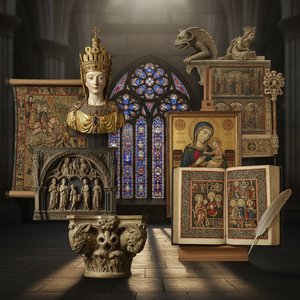
High Medieval Art: 10 Masterpieces That Shaped an Era | OriginalUniqueArt
Journey through High Medieval Art! Explore 10 iconic masterpieces – from Giotto's frescoes to stunning Gothic cathedrals. Discover the stories behind these timeless paintings, sculptures & illuminated manuscripts. Find museum-quality art reproductions at OriginalUniqueArt.com.


